

Many couples mistakenly believe emotional intimacy can be restored quickly, but rushing this process leads to a 50% relapse rate. True emotional reconnection requires time, vulnerability, and consistent effort. This guide provides actionable strategies and therapy insights for lasting connection, drawing on evidence-based approaches proven to help Canadian couples rebuild closeness and strengthen their relationships through accessible, personalized support.
Table of Contents
- Understanding Emotional Intimacy In Relationships
- Common Causes Of Emotional Intimacy Breakdown
- Therapeutic Approaches For Rebuilding Emotional Intimacy
- Role Of Communication, Trust, And Vulnerability
- Timeline And Milestones For Rebuilding Intimacy
- Addressing Common Misconceptions About Emotional Intimacy And Therapy
- Personalising Therapy And Accessibility In Canada
- Summary And Practical Next Steps
- How Interactive Counselling Supports Your Emotional Intimacy Journey
- Frequently Asked Questions
Key takeaways
| Point | Details |
|---|---|
| Foundation of intimacy | Emotional intimacy involves trust, vulnerability, and feelings of safety and connection that form the basis of relationship satisfaction. |
| Primary breakdown cause | Poor communication is the primary cause of emotional intimacy breakdown in 65% of couples, leading to emotional distancing over time. |
| Proven therapy success | Emotionally Focused Therapy (EFT) shows 70-75% success rates for intimacy improvement through attachment-based interventions. |
| Communication impact | Communication practices can improve emotional intimacy by 30-40% within three months when applied consistently. |
| Recovery timeline | Most couples see noticeable improvements in emotional intimacy after 3-6 months of therapy with structured, professional support. |
Understanding emotional intimacy in relationships
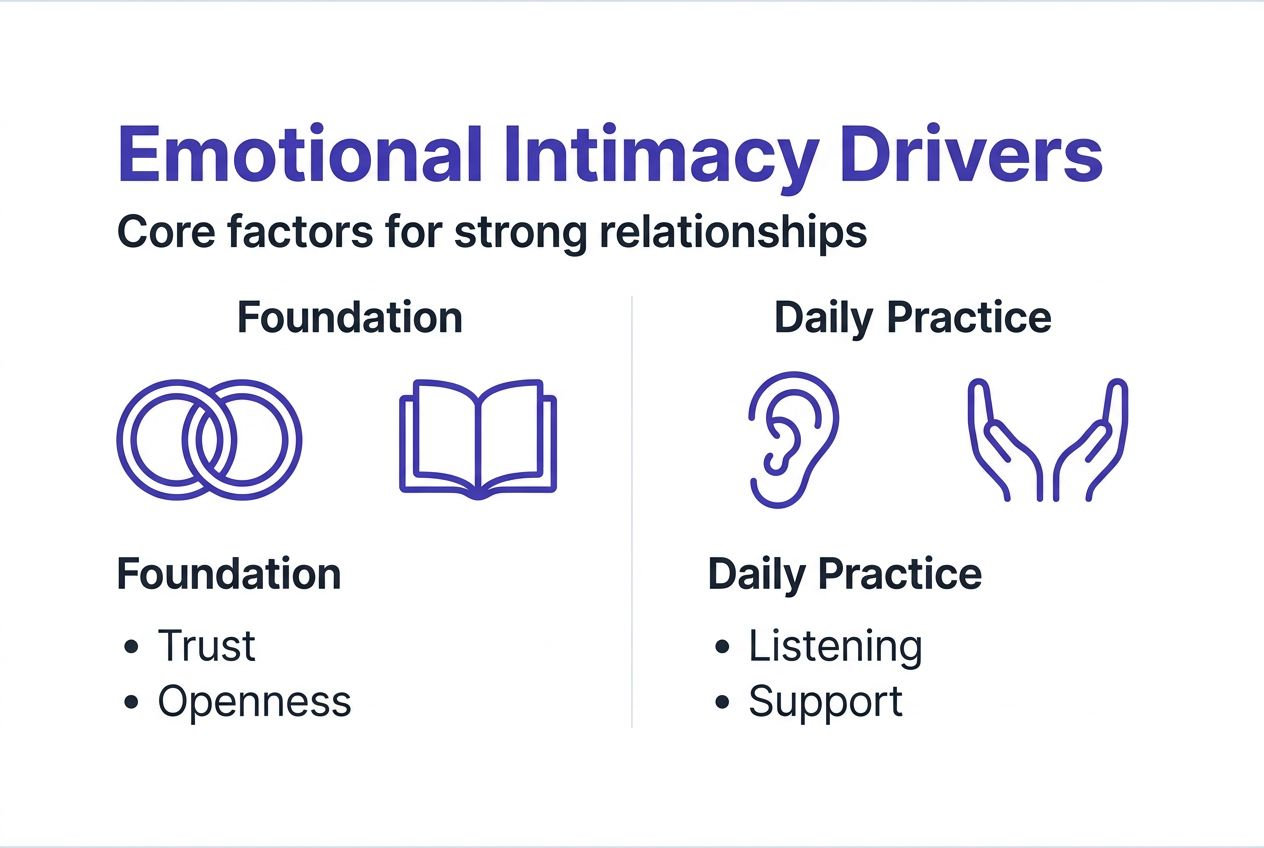
Emotional intimacy forms the foundation of strong, lasting relationships. It goes beyond physical closeness or shared activities. True emotional intimacy requires partners to feel safe sharing their innermost thoughts, fears, and desires without judgment.
Emotional intimacy involves trust, vulnerability, and feelings of safety and connection that allow couples to weather challenges together. When partners experience genuine emotional closeness, they demonstrate consistent empathy, active listening, and mutual understanding. These elements create a secure base from which both individuals can grow.
Key indicators of healthy emotional intimacy include:
- Feeling genuinely heard and understood by your partner
- Comfort sharing vulnerable thoughts and emotions without fear
- Mutual respect for each other’s perspectives and feelings
- Consistent empathy and emotional support during difficult times
- Feeling emotionally safe to express needs and boundaries
Research consistently shows that emotional intimacy predicts relationship satisfaction better than physical attraction or shared interests. Couples who maintain strong emotional bonds report higher resilience during conflict and greater overall relationship stability. Without this foundation, even relationships with strong physical chemistry often struggle with long-term fulfilment.
Common causes of emotional intimacy breakdown
Understanding why emotional intimacy deteriorates helps couples address root causes rather than symptoms. Several factors commonly erode the emotional closeness couples once shared.
Poor communication is the primary cause of emotional intimacy breakdown in 65% of couples. When partners stop sharing their inner lives or dismiss each other’s concerns, emotional distance grows. Small misunderstandings accumulate into significant disconnection over time.
Common communication barriers include:
- Defensive responses that shut down honest conversation
- Criticism that attacks character rather than addressing behaviour
- Stonewalling or withdrawing during difficult discussions
- Contempt expressed through sarcasm or disrespect
- Avoiding important conversations to prevent conflict
Unresolved conflicts intensify disconnection as partners begin to protect themselves emotionally. When disagreements never reach resolution, couples often develop parallel lives rather than integrated partnership. Each conflict leaves emotional residue that builds walls between partners.
External pressures significantly impact emotional availability. Work stress, financial worries, parenting demands, and family obligations drain the energy needed for emotional connection. Canadian couples juggling multiple responsibilities often find themselves too exhausted for meaningful interaction. The relationship becomes functional rather than fulfilling, focused on logistics instead of emotional bonding.
Therapeutic approaches for rebuilding emotional intimacy
Evidence-based therapy offers couples structured pathways to restore emotional closeness. Different approaches suit different relationship dynamics and individual needs.
Emotionally Focused Therapy (EFT) shows 70-75% success rates for intimacy improvement by focusing on attachment bonds and emotional responsiveness. EFT helps partners identify negative interaction patterns and create new, healthier cycles of connection. This approach emphasises vulnerability as strength rather than weakness.
| Therapy type | Primary focus | Success rate | Typical duration |
|---|---|---|---|
| Emotionally Focused Therapy | Attachment bonds and emotional responsiveness | 70-75% | 8-20 sessions |
| Cognitive Behavioural Therapy | Thought patterns and behaviour change | 60-70% | 12-16 sessions |
| Integrative couples therapy | Acceptance and tailored techniques | 65-75% | 10-20 sessions |
Cognitive Behavioural Therapy for couples targets thought and behaviour patterns that undermine intimacy. CBT helps partners recognise distorted thinking that fuels conflict and teaches practical skills for healthier interaction. This structured approach works well for couples who prefer concrete tools and homework exercises.
Integrative models blend techniques from multiple therapeutic traditions, customising treatment to each couple’s unique needs. Therapists might combine EFT’s emotional focus with CBT’s practical strategies, creating personalised interventions. This flexibility makes couples counselling accessible to diverse relationship styles.
Pro Tip: Research different types of couples therapy before your first session to understand which approach might resonate with your relationship needs and communication styles.
Role of communication, trust, and vulnerability
Daily interpersonal habits either strengthen or weaken emotional intimacy. Three core practices form the foundation of lasting connection.

Consistent communication practice transforms relationships. Communication practices can improve emotional intimacy by 30-40% within three months when couples commit to regular, meaningful conversation. This isn’t about lengthy daily discussions but rather intentional, quality exchanges that honour each partner’s inner world.
Effective communication rebuilding strategies:
- Schedule daily check-ins lasting 10-15 minutes without distractions
- Use “I feel” statements rather than accusatory “you always” language
- Practise active listening by reflecting what you heard before responding
- Ask open-ended questions that invite deeper sharing
- Express appreciation for your partner’s vulnerability and honesty
Vulnerability creates powerful bonding through both hormonal and emotional pathways. When partners share fears or insecurities, oxytocin release strengthens attachment bonds. This biological response reinforces emotional connection, making vulnerability a crucial rebuilding tool.
Trust develops through consistent, small acts of reliability rather than grand gestures. Following through on commitments, respecting boundaries, and responding with empathy during difficult moments all build trust incrementally. Safe self-disclosure becomes possible only when partners demonstrate trustworthiness through actions.
Pro Tip: Start with low-risk vulnerability, sharing minor worries or hopes, then gradually increase depth as your partner responds with consistent support and understanding.
Timeline and milestones for rebuilding intimacy
Realistic expectations prevent discouragement during the rebuilding journey. Understanding typical timelines helps couples stay motivated through challenging phases.
Most couples see noticeable improvements in emotional intimacy after 3-6 months of therapy, though timelines vary based on relationship history and commitment level. Rushing this process often leads to superficial changes that don’t last. Sustainable intimacy rebuilding requires patience and consistent effort.
Key rebuilding milestones:
- Awareness phase (weeks 1-4): Recognising disconnection patterns and their impact
- Vulnerability breakthrough (weeks 5-8): First instances of safe emotional risk-taking
- Trust development (weeks 9-16): Consistent follow-through building reliability
- Sustained connection (months 4-6): New patterns becoming habitual and natural
| Timeline | Milestone | What to expect |
|---|---|---|
| Weeks 1-4 | Pattern awareness | Identifying negative cycles without judgment |
| Weeks 5-8 | Initial vulnerability | Small moments of emotional risk and connection |
| Weeks 9-16 | Trust building | Increased confidence in partner’s responsiveness |
| Months 4-6 | New habits | Emotional intimacy feeling more natural and consistent |
Typical couples therapy focused on intimacy involves 8-12 sessions, though some couples benefit from longer-term support. Progress isn’t linear; setbacks are normal and provide valuable learning opportunities. Celebrating small victories maintains momentum during difficult periods.
Addressing common misconceptions about emotional intimacy and therapy
Myths about intimacy and therapy often prevent couples from seeking help or fully benefitting from interventions. Clearing these misunderstandings supports realistic expectations.
The quick-fix fallacy damages many relationships. Emotional intimacy rebuilding requires time and vulnerability; quick fixes often fail because they address surface symptoms rather than underlying patterns. Couples who rush this process frequently experience relapse, repeating old disconnection cycles.
Common misconceptions include:
- Physical affection alone can restore emotional connection without addressing communication patterns
- Intimacy problems resolve naturally over time without intentional effort
- Therapy is only for relationships in crisis rather than preventive care
- One partner can fix intimacy issues without both people’s active participation
- Talking more automatically improves connection regardless of conversation quality
Therapy provides structured tools that go beyond simple communication advice. Professional guidance helps couples navigate vulnerable territory safely, preventing the defensive reactions that often derail home attempts at deeper conversation. Therapists create neutral space where both partners feel heard.
Another damaging myth suggests that needing therapy signals relationship failure. In reality, seeking professional support demonstrates commitment and maturity. The strongest relationships often benefit from outside perspective during transitions or challenges.
Personalising therapy and accessibility in Canada
Customising therapy to cultural backgrounds and individual needs significantly improves outcomes. Canada’s diversity requires culturally competent approaches that respect varied relationship models.
Therapy tailored to cultural diversity and accessible online boosts success rates among Canadian couples. Therapists who understand cultural context regarding emotional expression, gender roles, and family dynamics create safer therapeutic environments. This cultural sensitivity allows couples to explore intimacy without feeling their values are dismissed.
Online therapy increases access throughout Canada, particularly for couples in remote or rural areas. Virtual sessions eliminate travel barriers and scheduling conflicts that often prevent consistent therapy attendance. The convenience of online counselling helps busy couples maintain therapeutic momentum.
Personalisation benefits include:
- Adapting communication exercises to match couple’s interaction style
- Respecting cultural norms around emotional expression and vulnerability
- Adjusting session frequency and duration to fit work and family demands
- Incorporating individual therapy when personal issues affect couple dynamics
- Flexible appointment booking accommodating shift work or childcare needs
Pro Tip: Discuss your cultural background and specific relationship values during initial consultation to ensure your therapist can provide truly personalised support that honours your unique context.
Summary and practical next steps
Rebuilding emotional intimacy requires commitment, vulnerability, and patience. The journey challenges couples to break old patterns and create new connection habits.
Immediate actions you can take:
- Begin couples counselling suited to your unique relationship needs and communication style
- Commit to honest communication and vulnerability in small, manageable daily interactions
- Set realistic progress expectations based on 3-6 month timelines for noticeable improvement
- Celebrate small milestones like successful vulnerable conversations or conflict resolution
- Practise consistency rather than perfection in applying new intimacy-building skills
Remember that setbacks are normal and provide learning opportunities. The goal isn’t perfect execution but rather gradual pattern change that strengthens your emotional bond over time. Starting online therapy today puts you on the path toward deeper connection and lasting relationship satisfaction.
How interactive counselling supports your emotional intimacy journey
Interactive Counselling offers culturally sensitive and personalised couples therapy designed specifically for Canadian relationships. Our experienced therapists understand the unique pressures facing couples across diverse backgrounds and life stages.
Flexible online therapy sessions fit busy Canadian lifestyles, eliminating barriers to consistent care. Whether you’re in Kelowna, Vernon, Grande Prairie, Penticton, or anywhere across Canada, accessible support is available when you need it.
Start your journey today with expert guidance and compassionate support. Our team provides evidence-based approaches tailored to your relationship’s specific needs. Access online counselling easily and begin rebuilding the emotional intimacy that brings lasting fulfilment to your partnership.
Frequently asked questions
What is emotional intimacy in a relationship?
Emotional intimacy is the deep sense of connection where partners feel safe sharing their innermost thoughts, fears, and desires without judgment. It involves trust, vulnerability, and mutual understanding that goes beyond physical closeness. Foundational mental health concepts explain how this psychological safety forms the basis of relationship satisfaction and resilience during challenges.
How long does it take to rebuild emotional intimacy?
Most couples see noticeable improvements after 3-6 months of consistent therapy and daily practice. The timeline varies based on relationship history, severity of disconnection, and both partners’ commitment levels. Progress isn’t linear, and setbacks are normal learning opportunities rather than failures.
Can therapy really help strengthen our emotional bond?
Yes, evidence-based approaches like Emotionally Focused Therapy show 70-75% success rates for intimacy improvement. Professional guidance provides structured tools and neutral space that home conversations often lack. Therapy helps couples navigate vulnerability safely and break negative patterns that undermine connection.
What if only one partner wants to work on intimacy?
While both partners’ active participation yields best results, individual therapy can still create positive change. One partner’s growth often influences relationship dynamics, sometimes inspiring the other to engage. However, sustainable intimacy rebuilding ultimately requires mutual commitment and effort from both people.
How do we start couples therapy in Canada?
Begin by researching therapists who specialise in couples work and offer approaches that match your needs. Online options provide accessible care across Canada, eliminating geographic barriers. Most therapists offer initial consultations to ensure good fit before committing to ongoing sessions.
Recommended
- A Guide to the Book Rebuilding When Your Relationship Ends
- Couples Therapy Exercises for Emotional Intimacy – Interactive Counselling
- Emotional Safety Matters – How It Shapes Relationships
- How to repair after a big fight: 40% fewer conflicts


