Couples counselling in kelowna: a path to stronger relationships
When you and your partner find yourselves caught in the same arguments, feeling disconnected despite sharing the same space, or wondering if your relationship can weather current challenges, you’re not alone. Many couples in Kelowna experience periods where their relationship feels strained, communication breaks down, or intimacy becomes distant. These struggles don’t reflect failure—they reflect the natural complexity of maintaining a deep, committed relationship through life’s inevitable changes and pressures. For more information, see our Kelowna couples counselling.
Couples counselling offers a structured, supportive environment where partners can explore their relationship dynamics, learn new communication skills, and work through conflicts with professional guidance. Rather than being a last resort, therapy can serve as preventive care for relationships, helping couples build resilience and deepen their connection before small issues become overwhelming problems. For more information, see our counselling in Kelowna.
Understanding Couples Counselling: What It Is and Why Relationships Struggle
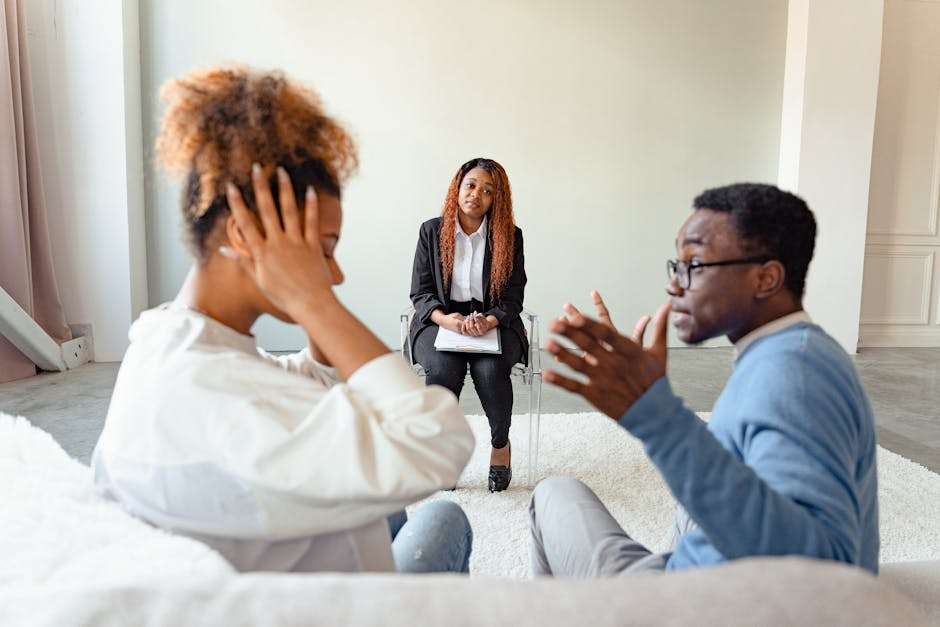
Couples counselling, also known as relationship therapy or marriage counselling, is a specialized form of psychotherapy designed to help partners improve their relationship satisfaction and resolve conflicts. A trained therapist facilitates conversations between partners, helping them understand each other’s perspectives, identify patterns that create distance or conflict, and develop healthier ways of relating. For more information, see our couples counselling.

Relationships naturally evolve and face challenges for several interconnected reasons:
Life transitions and stress can strain even strong partnerships. Career changes, parenthood, health issues, financial pressures, or caring for aging parents all require couples to adapt their relationship dynamics. When partners cope with stress differently or struggle to support each other through transitions, distance can grow.
Communication patterns often develop unconsciously over time. Partners may fall into cycles of criticism and defensiveness, or one person might withdraw while the other pursues connection. These patterns typically stem from each person’s attachment history and learned ways of managing emotions and conflict.
Unmet expectations and changing needs also contribute to relationship struggles. People grow and change throughout their lives, and sometimes partners find their needs, values, or life goals have shifted in ways that create tension or disconnection.
Past experiences and trauma can significantly impact how individuals show up in relationships. Childhood experiences, previous relationships, or traumatic events may influence trust, intimacy, communication style, or emotional regulation in ways that affect the partnership.
Recognizing When Your Relationship Could Benefit from Support
Understanding when couples counselling might be helpful isn’t always straightforward. Many partners wonder whether their struggles are “normal” or serious enough to warrant professional support. Here are some common signs that indicate counselling could strengthen your relationship:
Communication Breakdown
- Conversations frequently escalate into arguments or shut down entirely
- One or both partners feel unheard or misunderstood regularly
- Important topics get avoided because they always lead to conflict
- You find yourselves having the same argument repeatedly without resolution
For example, Sarah and Mark found themselves in a cycle where Sarah would bring up feeling overwhelmed with household responsibilities, Mark would become defensive about his contributions, and the conversation would end with both feeling frustrated and misunderstood. Neither felt heard, and the underlying issue remained unresolved.
Emotional Distance and Disconnection
- Physical or emotional intimacy has decreased significantly
- Partners spend time together but feel like roommates rather than romantic partners
- One or both partners feel lonely within the relationship
- Shared activities, interests, or quality time have diminished
Trust and Security Issues
- Infidelity or emotional affairs have occurred
- Financial secrecy or major decisions made without consultation
- One partner questions the other’s commitment to the relationship
- Past hurts remain unresolved and continue to impact the relationship
Life Transition Challenges
- Difficulty adjusting to parenthood or changes in parenting responsibilities
- Struggles navigating career changes, retirement, or financial stress
- Disagreements about major life decisions like moving, having children, or caring for family members
- Grief or loss affecting the relationship dynamic
Consider the situation of Jennifer and David, who found their relationship strained after the birth of their first child. While both were committed to their family, they struggled with different parenting philosophies, felt overwhelmed by new responsibilities, and had little time or energy for their relationship. What they experienced is common—major life transitions often require couples to renegotiate their relationship dynamic.
Practical Strategies to Strengthen Your Relationship
While couples counselling provides professional guidance and structure for relationship growth, there are several evidence-based strategies you can begin implementing on your own to improve your connection and communication:
Improve Communication Patterns
Practice active listening: When your partner is speaking, focus entirely on understanding their perspective rather than preparing your response. Reflect back what you hear before sharing your own viewpoint. This simple shift can dramatically improve how understood each person feels.
Use “I” statements: Instead of saying “You never help with the kids,” try “I feel overwhelmed managing bedtime routines alone and would appreciate support.” This approach expresses your needs without blame or criticism.
Take breaks during heated discussions: When emotions run high, the brain’s capacity for rational discussion decreases. Agree on a signal or phrase that means “let’s take a 20-minute break to calm down and then continue this conversation.”
Rebuild Connection and Intimacy
Schedule regular check-ins: Set aside time weekly to discuss how you’re both feeling about the relationship, upcoming stresses, and ways you can support each other. This prevents small issues from building up over time.
Create rituals of connection: Establish small, consistent ways to connect daily—perhaps a few minutes of conversation before bed, a morning coffee together, or a brief phone call during the workday. These micro-moments of connection accumulate over time.
Practice appreciation: Research by relationship expert John Gottman shows that successful relationships maintain a ratio of at least five positive interactions for every negative one. Make a conscious effort to express appreciation, affection, and gratitude regularly.
Manage Conflict Constructively
Focus on specific behaviors rather than character: Instead of “You’re so selfish,” try “When you made plans without checking with me first, I felt unimportant to you.” This approach addresses the issue without attacking your partner’s character.
Seek to understand before being understood: Before defending your position, spend time genuinely trying to understand your partner’s perspective. Ask questions like “Help me understand why this is important to you” or “What would feel most supportive to you right now?”
Identify underlying needs: Often, surface-level conflicts represent deeper needs for security, appreciation, autonomy, or connection. Try to identify and address these underlying needs rather than just the surface disagreement.
Build Individual Wellness
Maintain your own identity and interests: Healthy relationships require two whole individuals. Continue pursuing personal interests, friendships, and growth opportunities that fulfill you independently of your partner.
Manage your own stress and emotions: Develop healthy coping strategies for stress, anxiety, or other emotional challenges. When individuals are emotionally regulated, they can show up more fully in their relationships.
Practice self-compassion: Be patient with yourself as you work to change relationship patterns. Growth takes time, and setbacks are normal parts of the process.
When Professional Couples Counselling Becomes Essential
While self-help strategies can strengthen many relationships, certain situations benefit significantly from professional guidance. A trained couples therapist brings specialized knowledge, objectivity, and structured interventions that can help partners navigate complex challenges more effectively.

Consider seeking couples counselling when:
Patterns feel stuck despite your best efforts: If you’ve tried improving communication and connection but find yourselves repeating the same cycles of conflict or distance, a therapist can help identify underlying dynamics and introduce new approaches.
Trust has been significantly damaged: Rebuilding trust after infidelity, major deception, or betrayal often requires professional support to navigate safely and effectively. Therapists trained in affair recovery can guide couples through the complex process of healing and rebuilding.
Communication consistently escalates to harmful levels: If arguments regularly involve yelling, name-calling, threats, or any form of emotional or physical aggression, professional intervention is crucial for creating safety and teaching healthier conflict resolution skills.
Mental health challenges are affecting the relationship: When one or both partners struggle with depression, anxiety, trauma, addiction, or other mental health concerns, couples counselling can address how these issues impact the relationship while coordinating with individual treatment.
Major decisions or transitions create ongoing conflict: Disagreements about children, careers, finances, or other major life decisions can benefit from a neutral professional who can help couples explore options and find compromise.
One partner is considering ending the relationship: If separation or divorce is being considered, couples counselling can help partners either work through their challenges or navigate separation in a way that minimizes harm, especially when children are involved.
What to Expect in Couples Counselling
Many people feel nervous about starting couples therapy, unsure of what to expect or whether it will help. Understanding the process can reduce anxiety and help you prepare for success.
In initial sessions, your therapist will typically gather information about your relationship history, current challenges, individual backgrounds, and goals for therapy. This assessment period helps the therapist understand your unique dynamic and develop a treatment approach tailored to your specific needs.
Throughout the counselling process, you can expect to:
- Learn new communication skills through guided practice and feedback
- Explore underlying patterns and dynamics that contribute to relationship challenges
- Process past hurts or conflicts in a structured, safe environment
- Develop strategies for managing conflict, stress, and life transitions together
- Work on rebuilding trust, intimacy, and emotional connection
Effective couples counselling typically involves both partners attending sessions together, though therapists may occasionally suggest individual sessions to address personal issues that impact the relationship. The length of treatment varies depending on the complexity of issues and the couple’s goals, but many couples begin seeing improvements within several sessions.
Frequently Asked Questions About Couples Counselling
How do we know if we need couples counselling or if our problems are normal?
All relationships face challenges, but when problems persist despite your best efforts, create ongoing distress, or interfere with daily life and happiness, professional support can be valuable. You don’t need to wait until problems become severe—many couples benefit from therapy as preventive care to strengthen their relationship skills.
What if my partner doesn’t want to attend counselling?
While couples counselling is most effective when both partners participate, one person can still benefit from individual therapy to work on their own relationship skills, emotional regulation, and communication patterns. Sometimes, when one partner begins making positive changes, it motivates the other to join the process.
Will the therapist take sides or judge our relationship?
Trained couples therapists maintain neutrality and work to understand both partners’ perspectives without taking sides. Their role is to facilitate understanding, teach skills, and help couples find solutions that work for their unique situation, not to judge or determine who is “right” or “wrong.”
How long does couples counselling typically take?
The length of couples counselling varies significantly based on the complexity of issues, the couple’s goals, and their commitment to the process. Some couples see improvements in just a few sessions, while others may benefit from longer-term work. Many couples continue with periodic “maintenance” sessions even after their primary concerns are resolved.
Is couples counselling effective?
Research consistently shows that couples counselling can be highly effective. Studies indicate that approximately 70% of couples report significant improvement in relationship satisfaction following therapy. According to the American Association for Marriage and Family Therapy, effectiveness rates are highest when both partners are committed to the process and attend sessions consistently.
What’s the difference between couples counselling and marriage counselling?
These terms are often used interchangeably and refer to the same type of therapy designed to help partners improve their relationship. Whether you’re married, engaged, dating, or in a common-law partnership, couples counselling can address relationship challenges and strengthen your connection.
Seeking support for your relationship demonstrates courage and commitment to growth, both individually and as a partnership. In Kelowna’s supportive therapeutic community, couples have access to qualified professionals who understand the unique challenges that relationships face and the evidence-based approaches that promote healing and connection. Whether you’re navigating a specific crisis or simply want to strengthen an already good relationship, couples counselling Kelowna offers tools, insights, and support that can transform how you relate to each other and navigate life’s challenges together.