Kelowna couples counselling: strengthening relationships through professional support
When relationship challenges feel overwhelming, many couples in the Okanagan Valley find themselves wondering if professional support could help rebuild the connection they once shared. The decision to seek couples counselling often comes during times of significant strain—perhaps after repeated arguments that seem to go nowhere, growing emotional distance, or major life transitions that have left partners feeling like strangers. For more information, see our Kelowna couples counselling.
Every relationship faces difficulties, and seeking professional guidance isn’t a sign of failure—it’s a commitment to growth and healing. Whether you’re dealing with communication breakdowns, trust issues, or simply feeling disconnected from your partner, couples counselling offers evidence-based approaches to help you navigate these challenges together. For more information, see our counselling in Kelowna.
Understanding Couples Counselling: What It Is and How It Works
Couples counselling, also known as relationship therapy is a specialized form of psychotherapy designed to help partners improve their relationship dynamics, resolve conflicts, and strengthen their emotional bond. Unlike individual therapy, which focuses on one person’s experiences and growth, couples counselling examines the relationship system—the patterns of interaction, communication styles, and shared dynamics that shape your partnership. For more information, see our couples counselling.
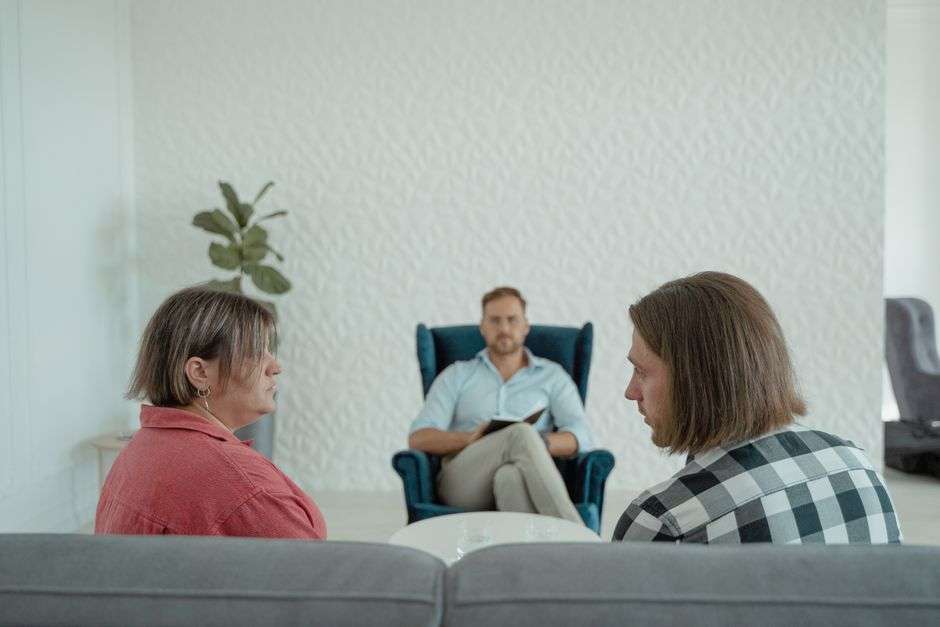
The therapeutic process typically involves both partners attending sessions together, though individual sessions may sometimes be incorporated based on your specific needs. A trained therapist creates a neutral, safe space where both people can express their concerns, explore underlying issues, and learn new ways of relating to each other.
Why Relationship Difficulties Develop
Relationship challenges rarely emerge overnight. They often develop gradually through a combination of factors:
- Communication patterns: Many couples fall into cycles of misunderstanding, where intentions are misinterpreted and emotions escalate rather than resolve
- Life stressors: Work pressures, financial concerns, parenting demands, health issues, or family obligations can strain even the strongest partnerships
- Unresolved past experiences: Previous relationships, childhood experiences, or trauma can influence how we approach intimacy and trust
- Different attachment styles: People have varying needs for closeness and independence, which can create tension when not understood or respected
- Major transitions: Marriage, parenthood, career changes, aging, or loss can shift relationship dynamics in unexpected ways
- Growing apart: Sometimes couples simply evolve in different directions without intentional effort to maintain their connection
These factors often interact and compound each other, creating complex relationship patterns that feel difficult to break without professional guidance.
Recognizing When Your Relationship Could Benefit from Professional Support
Many couples wonder whether their problems are “serious enough” for counselling. The reality is that seeking support early, before patterns become deeply entrenched, often leads to more successful outcomes. Here are some signs that professional guidance could be helpful:

Communication Challenges
- Conversations frequently escalate into arguments, even about minor issues
- One or both partners shut down during conflicts, leading to emotional distance
- You find yourselves having the same arguments repeatedly without resolution
- Criticism, defensiveness, contempt, or stonewalling have become regular features of your interactions
- Important topics feel impossible to discuss without conflict
Emotional Disconnection
- You feel more like roommates than romantic partners
- Physical and emotional intimacy has significantly decreased
- You question whether you still love each other or are simply staying together out of habit
- One or both partners express feeling lonely within the relationship
- You struggle to show empathy or understanding for your partner’s perspective
Trust and Betrayal Issues
- Infidelity has occurred and you’re unsure how to rebuild trust
- Financial secrets, lies, or other forms of dishonesty have damaged the relationship foundation
- Jealousy or suspicion interferes with daily life and connection
- Past hurts continue to influence present interactions
Life Transition Challenges
- Major changes like parenthood, job loss, illness, or relocation have created stress in your relationship
- You’re struggling to adapt to different life stages or changing roles
- Grief or loss has affected your ability to support each other
- Blended family dynamics are creating ongoing tension
Real-Life Examples
Consider Sarah and Mike, who found themselves arguing constantly after their first child was born. Sleep deprivation, changing roles, and different parenting philosophies created a cycle of criticism and defensiveness. Through couples counselling, they learned to communicate their needs more effectively and develop strategies for supporting each other during this major life transition.
Another example is Jennifer and David, who realized they had grown apart after 15 years of marriage. Busy careers and parenting responsibilities had left little time for their relationship, and they felt more like business partners managing a household than romantic partners. Counselling helped them rediscover their emotional connection and establish new patterns for maintaining intimacy despite busy schedules.
Practical Strategies for Strengthening Your Relationship
While professional support is often invaluable, there are also evidence-based strategies you can begin implementing immediately to improve your relationship dynamics:

Improving Communication
Practice Active Listening: When your partner speaks, focus entirely on understanding their perspective rather than formulating your response. Reflect back what you hear before sharing your own thoughts.
Use “I” Statements: Express your feelings and needs without blaming or criticizing. Instead of “You never help with household tasks,” try “I feel overwhelmed when I manage most household responsibilities alone.”
Take Breaks During Heated Discussions: If emotions escalate, agree to take a 20-30 minute break to calm down before continuing the conversation. This prevents damaging words spoken in anger.
Schedule Regular Check-ins: Set aside time weekly to discuss your relationship without distractions. This creates space for addressing small issues before they become major problems.
Rebuilding Emotional Connection
Express Appreciation Daily: Notice and acknowledge your partner’s positive qualities and actions, no matter how small. This helps counter negativity bias that often develops in struggling relationships.
Create Rituals of Connection: Establish daily, weekly, or monthly traditions that foster intimacy—morning coffee together, evening walks, or monthly date nights without discussing problems or logistics.
Practice Emotional Validation: Even when you disagree with your partner’s perspective, acknowledge their feelings as valid and important. This doesn’t mean you have to agree, but you can understand why they feel as they do.
Share Vulnerability: Take small risks in opening up about your fears, dreams, or insecurities. This invites deeper emotional intimacy and helps your partner understand you better.
Managing Conflict Constructively
Focus on One Issue at a Time: Avoid bringing up past grievances or multiple problems during a single discussion. This helps prevent conversations from becoming overwhelming.
Seek Understanding Before Agreement: Your goal shouldn’t always be to resolve differences immediately, but to understand each other’s perspectives fully. Sometimes understanding is enough to ease tension.
Find Compromise When Possible: Look for solutions that address both partners’ core needs, even if neither person gets exactly what they initially wanted.
Know Your Triggers: Identify the topics, behaviors, or communication styles that tend to escalate conflict, and develop strategies for managing your reactions when they occur.
When Professional Support Becomes Essential
While self-help strategies can be valuable, certain situations benefit significantly from professional guidance. Consider seeking couples counselling when:

Safety Concerns Exist
If there’s any form of abuse—physical, emotional, or psychological—professional support is crucial. A trained therapist can help assess safety and provide appropriate resources.
Individual Mental Health Issues Impact the Relationship
When anxiety, depression, trauma, or other mental health concerns significantly affect relationship dynamics, integrated treatment approaches often prove most effective. Sometimes individual therapy alongside couples work provides the best outcomes.
Communication Has Completely Broken Down
If you can no longer discuss important topics without intense conflict, or if one or both partners have stopped trying to communicate altogether, a neutral professional can help restart productive dialogue.
Trust Has Been Severely Damaged
Rebuilding trust after infidelity, betrayal, or other significant violations requires specialized approaches and professional guidance to navigate the complex emotions and practical steps involved.
You Feel Stuck in Negative Patterns
When the same issues resurface repeatedly despite your best efforts to address them, professional insight can help identify underlying dynamics you might not recognize on your own.
What to Expect in Couples Counselling
Effective couples therapy typically involves several phases. Initially, your therapist will assess your relationship dynamics, individual backgrounds, and specific concerns. This might involve questionnaires, individual sessions, or structured discussions about your relationship history.
The middle phase focuses on skill-building and pattern interruption. You’ll learn new communication techniques, explore underlying emotions and needs, and practice healthier ways of interacting. Your therapist might assign homework exercises or suggest specific strategies to try between sessions.
The later phases of therapy emphasize integration and maintenance. You’ll work on sustaining positive changes, developing long-term strategies for handling future challenges, and planning for occasional “tune-up” sessions as needed.
Choosing the Right Therapist for Your Relationship
Finding a therapist who feels like a good fit for both partners is crucial for successful outcomes. Consider these factors when making your choice:
Training and Approach
Look for therapists specifically trained in couples work who use evidence-based approaches like Emotionally Focused Therapy (EFT), the Gottman Method, or Integrative Behavioral Couple Therapy. These approaches have substantial research support for their effectiveness.
Cultural Sensitivity
Ensure your therapist understands and respects your cultural background, values, and relationship expectations. This is particularly important if your cultural context significantly influences your relationship dynamics.
Comfort and Safety
Both partners should feel comfortable with the therapist and confident that sessions provide a safe space for honest expression. If one person consistently feels unheard or judged, discuss this with your therapist or consider finding a different professional.
Practical Considerations
Consider location, scheduling flexibility, fees, and whether the therapist accepts your insurance. These practical factors can significantly impact your ability to maintain consistent attendance.
Frequently Asked Questions About Couples Counselling
How long does couples counselling typically take?
The duration varies significantly based on your specific circumstances and goals. Some couples see improvement within 8-12 sessions, while others benefit from longer-term work spanning several months or even years. Research suggests that many couples begin experiencing positive changes within the first few sessions, with continued improvement over time.
What if my partner doesn’t want to attend counselling?
While couples therapy works best when both partners participate willingly, you can still benefit from individual therapy focused on relationship dynamics. Sometimes, positive changes from one partner can inspire the other to consider couples work later.
Will the therapist take sides or judge our relationship?
Ethical couples therapists maintain neutrality and avoid taking sides. Their role is to help you understand your patterns, improve communication, and develop healthier relationship dynamics—not to judge your choices or assign blame.
Is it normal to feel worse before feeling better in therapy?
Some temporary discomfort is common as you begin addressing difficult topics and changing established patterns. However, good therapy should generally feel supportive and hopeful, even when discussing challenging issues. Discuss any concerns about the process with your therapist.
How do we know if our relationship can be saved?
While no one can guarantee outcomes, many relationships can improve significantly with commitment and professional support. Factors that predict positive outcomes include both partners’ willingness to engage in the process, ability to take responsibility for their contributions to problems, and maintenance of some positive feelings despite current difficulties.
What if we decide to separate or divorce during counselling?
Sometimes couples therapy helps people recognize that ending their relationship is the healthiest choice. If this occurs, a skilled therapist can help you navigate separation in a way that minimizes harm, particularly if children are involved. The communication skills learned in therapy often prove valuable even if the romantic relationship ends.
Seeking couples counselling requires courage and commitment, but it can provide invaluable tools for creating the relationship you both desire. Whether you’re facing specific challenges or simply want to strengthen your connection, professional support can help you build a more fulfilling partnership that withstands life’s inevitable stresses and changes.
Remember that investing in your relationship is investing in your overall well-being. Strong, supportive partnerships contribute significantly to mental health, physical health, and life satisfaction. If you’re considering Kelowna couples counselling in the Kelowna area, take that important first step toward creating positive change in your relationship.