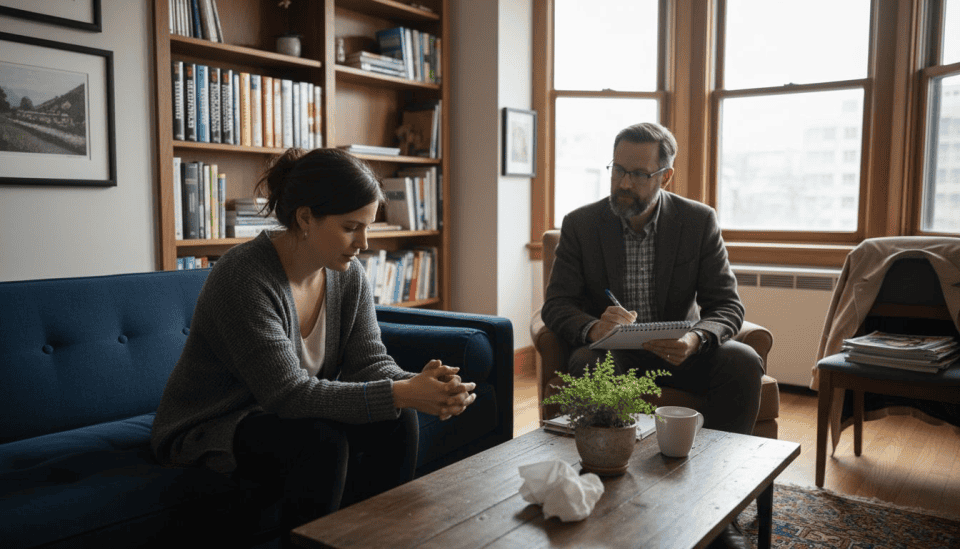
Most people assume couples therapy is only for relationships in crisis, but research shows that healthy relationships also benefit from professional support. Modern couples face challenges that go far beyond arguments and misunderstandings. Therapy can help partners improve communication, reconnect emotionally, and address problems before they grow. By clearing up common myths, you can discover how couples therapy creates lasting change and strengthens the foundation of any partnership. For more information, see our couples counselling.
Table of Contents
- Couples Therapy Defined and Common Misconceptions
- Types of Couples Therapy Approaches Explained
- How Couples Therapy Sessions Typically Work
- Roles of Therapists and Client Expectations
- Potential Benefits, Costs, and Common Challenges
Key Takeaways
| Point | Details |
|---|---|
| Couples Therapy Value | Couples therapy enhances relationship dynamics, communication, and emotional connection, benefiting both partners’ well-being. |
| Misconceptions Addressed | Seeking therapy is a proactive demonstration of commitment, rather than a sign of relationship weakness. |
| Diverse Approaches | Different therapeutic approaches cater to specific relationship challenges, enabling tailored support for couples. |
| Therapy Structure | Sessions are structured to promote understanding, set goals, and practice effective communication and conflict resolution skills. |
Couples Therapy Defined and Common Misconceptions
Couples therapy is a specialized form of psychological counselling designed to help romantic partners improve their relationship dynamics, communication, and emotional connection. According to research from Cambridge Behaviour Change Journal, committed couple relationships are critically important for individual well-being and have significant impacts on family systems.
Contrary to popular belief, couples therapy isn’t just for relationships on the brink of collapse. Partners seek counselling for numerous reasons, including:
- Improving communication skills
- Resolving persistent conflicts
- Rebuilding trust after betrayal
- Navigating major life transitions
- Enhancing emotional intimacy
- Addressing individual and shared mental health challenges
One of the most significant misconceptions about couples therapy is that it’s a sign of relationship weakness. In reality, seeking professional guidance demonstrates mutual commitment, emotional intelligence, and a proactive approach to maintaining a healthy partnership. As the Cambridge research indicates, understanding relationship dynamics requires professional insight and a nuanced approach.
At Interactive Counselling, we recognize that every relationship is unique. Our guide on types of couples therapy can help you understand the various therapeutic approaches available and how they might support your specific relationship needs. Whether you’re experiencing communication breakdowns, trust issues, or simply want to strengthen your connection, professional couples therapy offers a supportive, non-judgmental space to explore and grow together.
Types of Couples Therapy Approaches Explained
Couples therapy encompasses several specialized approaches designed to address unique relationship challenges. According to research from the National Center for Biotechnology Information, there are multiple therapeutic interventions tailored to help partners navigate complex emotional landscapes and improve relationship dynamics.
Key types of couples therapy approaches include:
- Problem-Focused Therapy: Concentrates on identifying and resolving specific relationship issues
- Psychodynamic Psychotherapy: Explores underlying emotional patterns and historical relationship dynamics
- Traditional Behavioral Couples Therapy: Focuses on modifying negative interaction patterns and improving communication skills
- Emotionally Focused Therapy: Helps partners reconnect emotionally and rebuild attachment
- Narrative Therapy: Assists couples in reframing their relationship story and perspective
As highlighted by the NCBI research, each therapeutic approach offers unique strategies for addressing relationship challenges. The goal isn’t just resolving conflicts, but creating deeper understanding and more meaningful connections between partners.
Our comprehensive relationship issues guide can provide additional insights into how different therapeutic approaches might benefit your specific relationship needs. By understanding these various approaches, couples can make informed decisions about the most suitable path for their emotional journey and relationship growth.

How Couples Therapy Sessions Typically Work
Couples therapy sessions are structured, purposeful interactions designed to help partners understand and improve their relationship dynamics. According to research from the National Association of Counseling Centre in Malaysia, therapy sessions typically involve multiple intervention modes, including psychoeducation, counseling, and targeted therapeutic strategies.
A typical couples therapy session might involve:
- Initial Assessment: Exploring relationship history and current challenges
- Goal Setting: Collaboratively defining specific relationship objectives
- Communication Skills Training: Learning effective dialogue techniques
- Conflict Resolution Practice: Developing healthier interaction patterns
- Emotional Processing: Understanding deeper emotional undercurrents
- Homework Assignments: Practicing learned skills between sessions
As outlined by the NACC research, these sessions are not about assigning blame, but creating a collaborative environment where both partners can grow and understand each other more deeply. The therapist serves as a neutral facilitator, guiding conversations and helping couples develop more constructive relationship strategies.
Our guide on preparing for couples counseling can provide additional insights into making the most of your therapy journey. By understanding the typical structure and goals of couples therapy, partners can approach these sessions with openness, commitment, and realistic expectations for positive change.
Roles of Therapists and Client Expectations
In couples therapy, the therapist plays a critical role far beyond simply mediating conversations. According to research from the Cambridge Behaviour Change Journal, effective therapists must understand both individual and relational dynamics to facilitate meaningful change.
Key responsibilities of couples therapists include:
- Neutral Facilitation: Creating a safe, non-judgmental space for honest communication
- Diagnostic Assessment: Identifying underlying relationship patterns and communication barriers
- Skill Development: Teaching practical communication and conflict resolution techniques
- Emotional Guidance: Helping partners understand and process complex emotional interactions
- Strategic Intervention: Implementing targeted strategies to address specific relationship challenges
As outlined by the NACC Malaysia research, therapists operate across multiple intervention modes, from psychoeducation to direct therapeutic management. Clients should expect a collaborative approach that empowers both partners to take active roles in their relationship’s healing and growth.
Our comprehensive guide on the role of therapists in relationships can provide deeper insights into what makes a therapeutic partnership effective. By understanding these roles and expectations, couples can approach therapy with clarity, commitment, and hope for meaningful relational transformation.
Potential Benefits, Costs, and Common Challenges
Couples therapy offers profound opportunities for relationship transformation, but it also requires significant emotional investment and commitment. According to research from the Cambridge Behaviour Change Journal, the potential benefits can dramatically enhance relationship quality and individual well-being when approached with genuine openness.
Potential benefits of couples therapy include:
- Improved Communication: Learning healthier dialogue techniques
- Conflict Resolution Skills: Developing more constructive interaction patterns
- Emotional Intimacy: Rebuilding trust and deepening emotional connections
- Individual Growth: Understanding personal relationship patterns
- Relationship Resilience: Creating stronger partnership foundations
Common challenges couples might encounter during therapy include vulnerability, confronting difficult emotions, and potential temporary discomfort as deep-seated relationship dynamics are explored. As the Cambridge research highlights, these challenges are natural parts of the therapeutic process and essential for meaningful relational transformation.
Our comprehensive relationship issues guide can provide additional insights into navigating these potential challenges. By understanding both the potential benefits and challenges, couples can approach therapy with realistic expectations and a commitment to personal and relational growth.
Take the Next Step Toward a Stronger Relationship
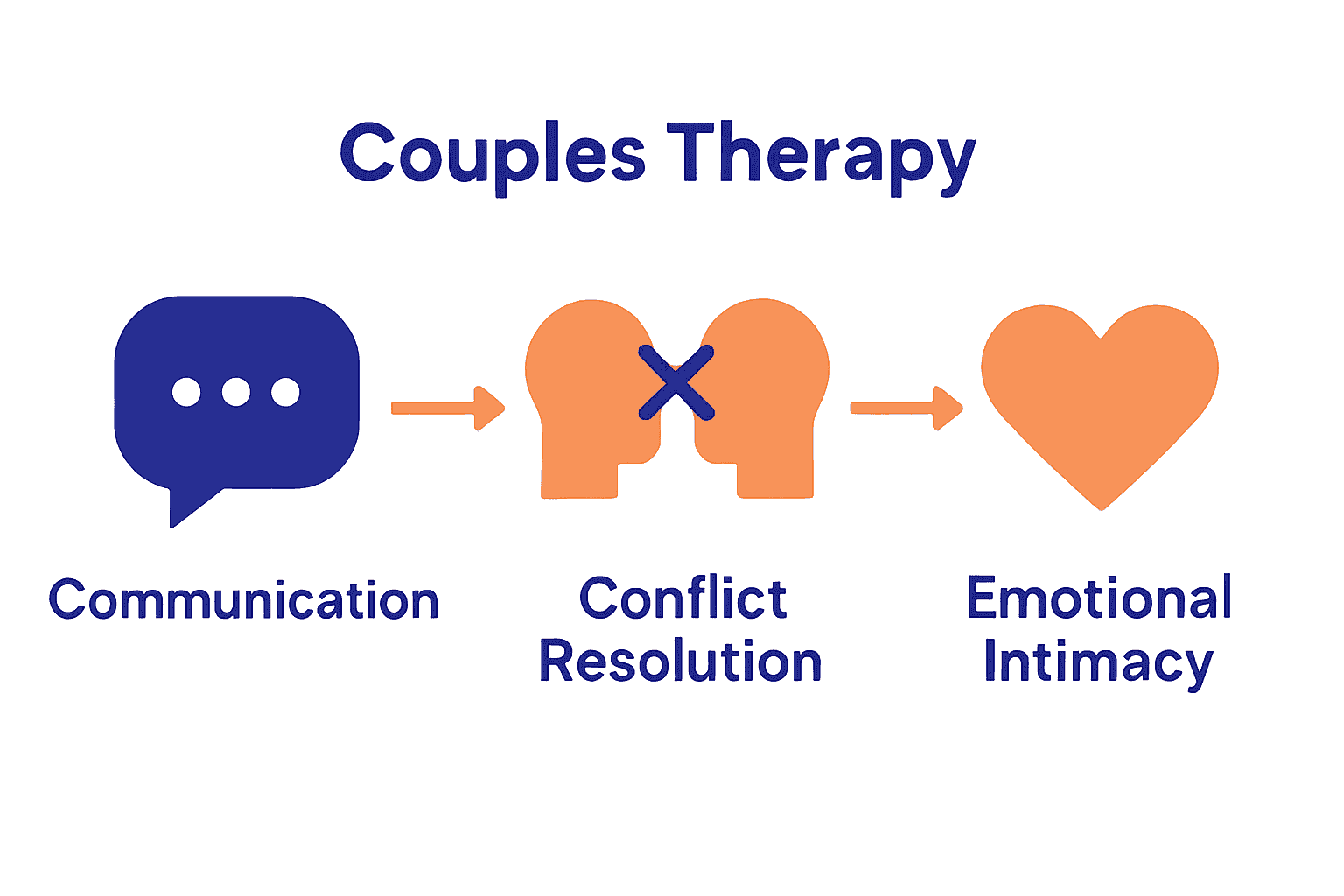
If you have just finished reading our Complete Guide to What to Expect From Couples Therapy you already understand the importance of professional support when it comes to improving communication and rebuilding emotional intimacy. Many couples struggle with feelings of vulnerability and uncertainty about therapy but recognizing these challenges and seeking help shows true strength and commitment to growth. Whether you want to resolve conflicts or deepen your connection, tailored therapy can guide you through this complex journey.
At Interactive Counselling we offer compassionate care across multiple locations and online to fit your needs. Explore our General – Interactive Counselling page to learn how our diverse team of licensed therapists can support your unique relationship goals. Don’t wait for challenges to grow when you can start working toward healing today. Visit interactivecounselling.ca now to find the right therapist and book your first session. Your relationship deserves professional guidance that moves you forward together.
Frequently Asked Questions
What is couples therapy?
Couples therapy is a specialized form of psychological counselling that helps romantic partners improve their relationship dynamics, communication, and emotional connection.
Why do couples seek therapy?
Couples seek therapy for various reasons, including improving communication skills, resolving conflicts, rebuilding trust, navigating life transitions, enhancing intimacy, and addressing mental health challenges.
What types of approaches are used in couples therapy?
Common approaches in couples therapy include Problem-Focused Therapy, Psychodynamic Psychotherapy, Traditional Behavioral Couples Therapy, Emotionally Focused Therapy, and Narrative Therapy, each targeting specific relational challenges.
How do couples therapy sessions typically work?
Couples therapy sessions usually involve an initial assessment, goal setting, communication skills training, conflict resolution practice, emotional processing, and sometimes homework assignments to reinforce skills learned in therapy.
Recommended
- What Is Couples Counseling? Complete Relationship Guide – Interactive Counselling
- 7 Types of Couples Therapy and How They Can Help Relationships – Interactive Counselling
- Complete Guide to Therapy in Relationship Issues – Interactive Counselling
- Complete Guide to the Role of Therapists in Relationships – Interactive Counselling