
School anxiety in children: causes, symptoms, and support options
Watching your child struggle with school can be one of the most challenging experiences for any parent. Whether it’s tears before the school bus arrives, complaints of stomach aches on Sunday nights, or outright refusal to attend classes, school anxiety affects countless children and families. Understanding that these feelings are valid and treatable is the first step toward helping your child navigate their educational journey with greater confidence and peace of mind. For more information, see our anxiety counselling.
“School anxiety in children is a treatable condition that stems from various academic, social, and developmental factors, and with proper support and understanding, children can learn to manage their fears and thrive in educational environments.”
School anxiety isn’t simply a phase that children will outgrow on their own. It’s a genuine emotional response that can significantly impact a child’s academic performance, social development, and overall well-being. The good news is that with compassionate support, appropriate interventions, and patience, children can learn to manage their anxiety and develop positive associations with learning.
Understanding School Anxiety in Children
School anxiety encompasses a range of fears and worries that children experience related to their educational environment. Unlike typical nervousness that might occur before a big test or presentation, school anxiety is persistent and interferes with a child’s ability to function normally in academic settings.
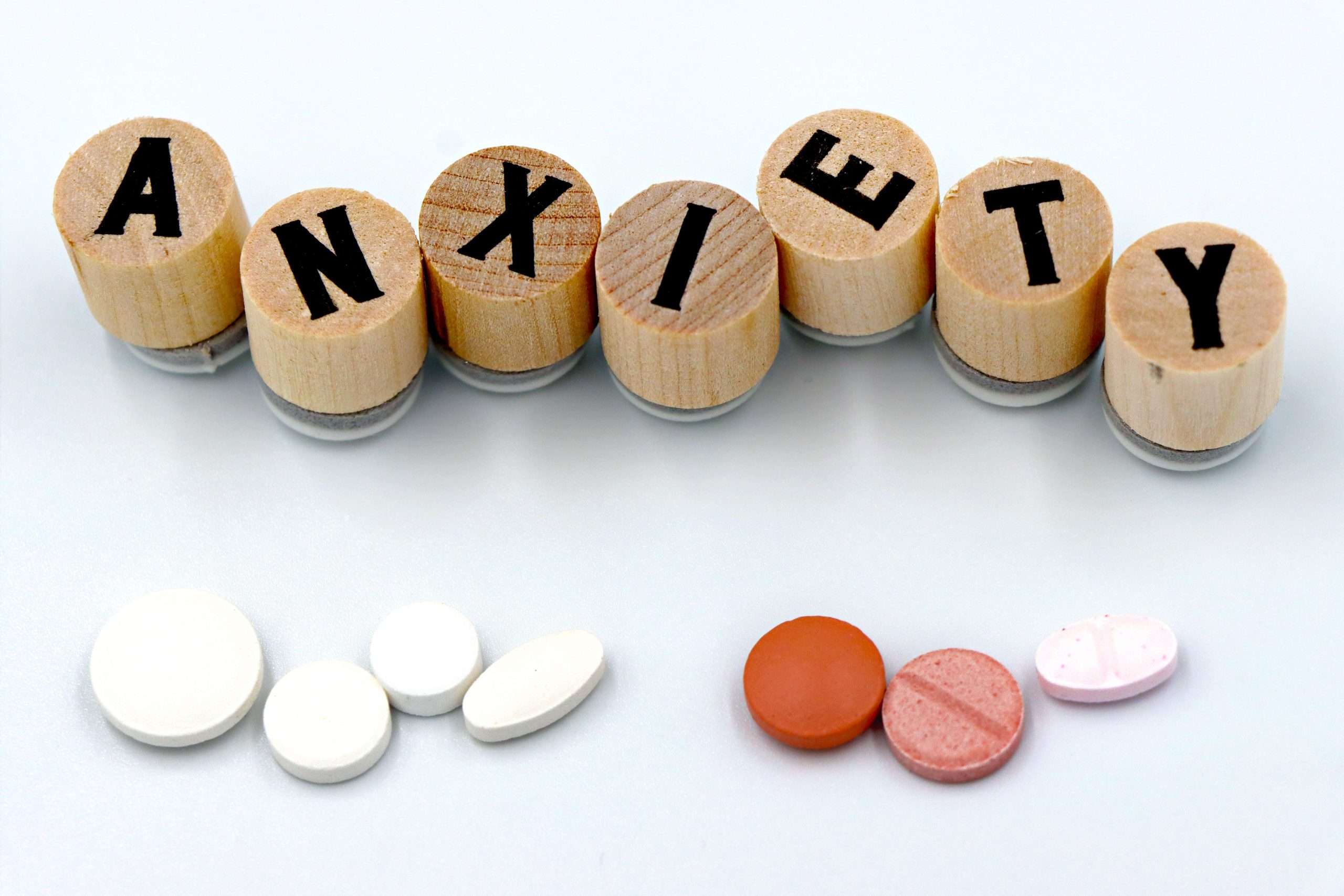
This type of anxiety can manifest at any age, from preschoolers experiencing separation anxiety to high school students feeling overwhelmed by academic pressure. It’s important to recognize that school anxiety exists on a spectrum, and what might seem like minor worries to adults can feel overwhelming and insurmountable to a child. To learn more about how this differs from grown-up worries, read our article on child anxiety: how it shows up differently than adult anxiety.
Many children experience some level of school-related stress, but when these feelings become persistent, intense, and begin affecting their daily functioning, it may indicate a more significant anxiety issue that requires attention and support.
Common Causes of School Anxiety
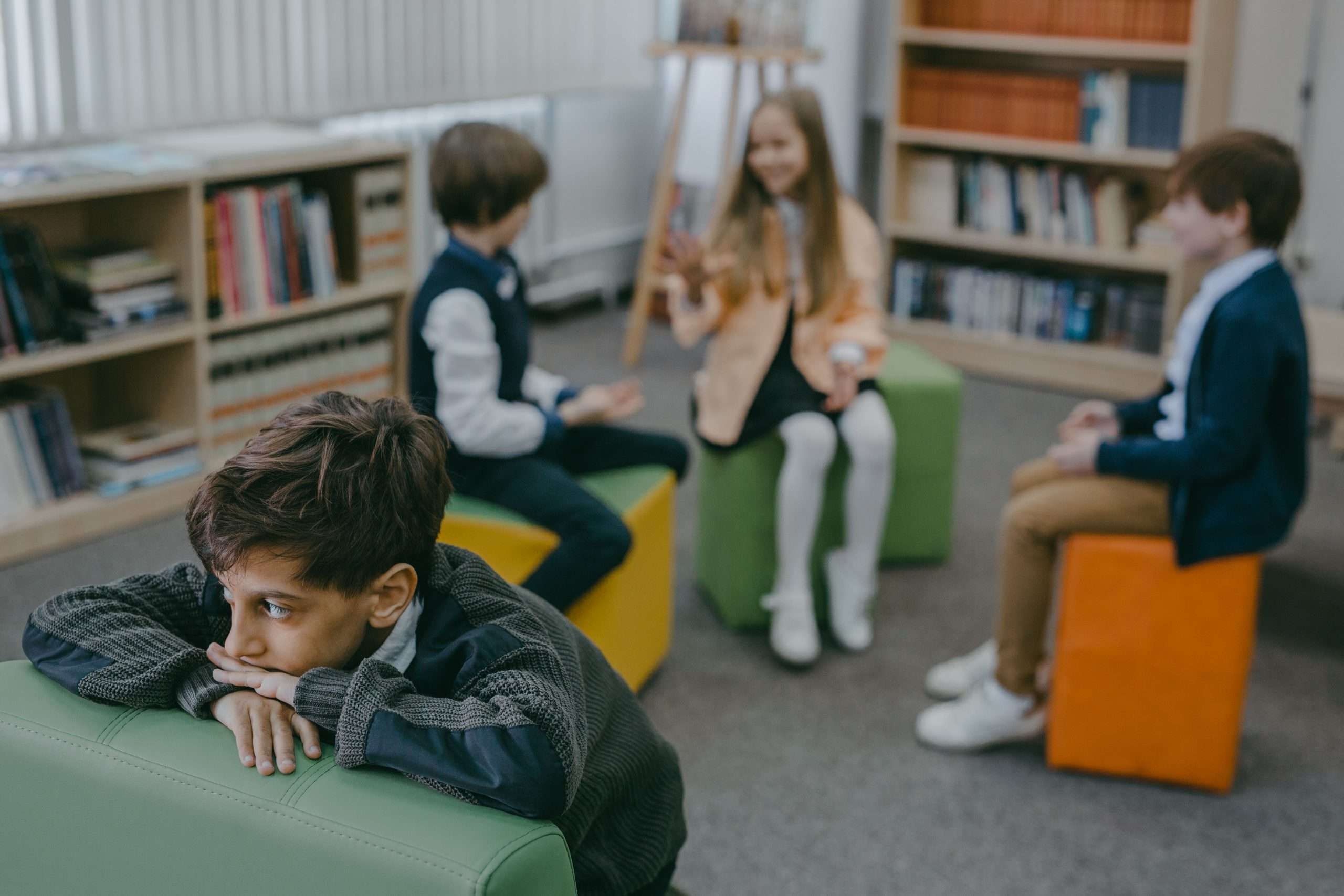
Understanding the root causes of school anxiety can help parents and educators provide more targeted support. Children may develop school anxiety due to various factors, often involving a combination of environmental, social, and individual elements.
Academic Pressures and Performance Fears
Academic demands can create significant stress for children, particularly those who:
- Struggle with learning differences or disabilities
- Feel pressure to achieve perfect grades
- Experience difficulty with specific subjects
- Face high expectations from parents or teachers
- Compare themselves unfavorably to peers
Social and Peer-Related Concerns
The social environment at school can be a major source of anxiety for many children. Common social triggers include:
- Fear of bullying or peer rejection
- Difficulty making or maintaining friendships
- Concerns about fitting in or being different
- Social situations like group projects or presentations
- Changes in peer groups or social dynamics
Environmental and Structural Factors
The school environment itself can contribute to anxiety through:
- Transitions between schools or grade levels
- Large class sizes or crowded spaces
- Unpredictable schedules or routine changes
- Strict disciplinary policies
- Lack of individualized attention or support
Recognizing the Signs and Symptoms
School anxiety can present differently in each child, and symptoms may vary depending on the child’s age, personality, and specific triggers. Being aware of both physical and emotional indicators can help parents identify when their child needs additional support.

Physical Symptoms
Children experiencing school anxiety often manifest their distress through physical complaints:
- Frequent headaches or stomach aches, particularly on school days
- Changes in sleep patterns, including difficulty falling asleep or frequent nightmares
- Loss of appetite or changes in eating habits
- Fatigue or complaints of feeling tired
- Muscle tension or restlessness
Emotional and Behavioral Signs
Emotional symptoms may be more obvious or could be internalized and harder to detect:
- Excessive worry about school-related activities
- Tearfulness or emotional outbursts before school
- Withdrawal from family activities or social interactions
- Regression to earlier behaviors
- Irritability or mood swings
- Perfectionist tendencies or fear of making mistakes
Academic and Social Impacts
School anxiety can significantly affect a child’s performance and engagement:
- Declining grades or academic performance
- Difficulty concentrating or completing assignments
- Avoidance of school activities or participation
- Frequent absences or tardiness
- Reluctance to try new activities or take academic risks
Creating a Supportive Home Environment
Parents play a crucial role in helping children manage school anxiety. Creating a supportive and understanding home environment can provide the foundation for healing and growth.

Open Communication Strategies
Encouraging honest dialogue about school experiences helps children feel heard and validated:
- Set aside regular time for one-on-one conversations
- Listen without immediately trying to fix or minimize concerns
- Ask open-ended questions about school experiences
- Validate your child’s feelings while providing reassurance
- Share age-appropriate stories about your own school experiences
Building Coping Skills
Teaching children practical coping strategies empowers them to manage anxiety independently:
- Practice deep breathing exercises together
- Develop calming routines for morning and bedtime
- Encourage regular physical activity and outdoor time
- Create visual reminders of coping strategies
- Celebrate small victories and progress
Professional Support Options
While parental support is essential, some children benefit from additional professional intervention. Professional counselling can provide specialized strategies and support for managing school anxiety effectively.
When to Consider Professional Help
Consider seeking professional support when:
- Symptoms persist despite home-based interventions
- Anxiety significantly impacts daily functioning
- School avoidance becomes a regular occurrence
- Physical symptoms are frequent or severe
- Family relationships are strained due to school-related conflicts
Types of Professional Interventions
Mental health professionals can offer various evidence-based approaches:
- Cognitive-behavioral therapy to identify and change anxious thought patterns
- Play therapy for younger children to express feelings safely
- Family therapy to improve communication and support systems
- Gradual exposure techniques to reduce avoidance behaviors
- Collaboration with school personnel to create supportive plans
Working with Schools and Educators
Building a collaborative relationship with your child’s school is essential for creating consistent support across environments. Most educators want to help students succeed and are willing to work with families to address anxiety concerns.
Start by scheduling a meeting with your child’s teacher or guidance counselor to discuss your concerns. Share specific observations about your child’s anxiety symptoms and triggers. Together, you can develop strategies that work both at home and school.
Schools may be able to provide accommodations such as extra time for assignments, alternative testing arrangements, or designated safe spaces where your child can take breaks when feeling overwhelmed. These supports can make a significant difference in your child’s ability to cope with anxiety.
Long-Term Strategies for Success
Helping a child overcome school anxiety is often a gradual process that requires patience and consistency. Focus on building your child’s confidence and resilience over time rather than expecting immediate changes.
Encourage your child to participate in activities they enjoy and excel at, whether inside or outside of school. These positive experiences can boost self-esteem and provide a buffer against school-related stress.
Maintain realistic expectations while celebrating progress, no matter how small. Remember that setbacks are normal and don’t indicate failure. With continued support and appropriate interventions, most children can learn to manage their school anxiety effectively.
Frequently Asked Questions
How long does school anxiety typically last?
The duration of school anxiety varies significantly depending on the child, the underlying causes, and the support provided. Some children may experience brief periods of anxiety during transitions, while others may need ongoing support throughout their academic career. With appropriate intervention and support, most children see improvement within several months.
Should I let my child stay home when they’re feeling anxious about school?
While it’s natural to want to protect your child from distress, regularly allowing them to avoid school can reinforce anxiety and make it stronger over time. Instead, work with your child to develop coping strategies and gradually build their confidence in managing school situations. If anxiety is severe, consult with a mental health professional for guidance.
Can school anxiety affect academic performance even if my child attends regularly?
Yes, school anxiety can significantly impact learning and academic performance even when children attend school consistently. Anxiety can interfere with concentration, memory, and the ability to demonstrate knowledge on tests or assignments. Addressing the underlying anxiety often leads to improvements in academic functioning.
How can I tell if my child’s school worries are normal or require professional help?
Normal school worries are typically temporary, manageable, and don’t significantly interfere with daily functioning. Consider professional help if your child’s anxiety persists for several weeks, causes physical symptoms, leads to school avoidance, or significantly impacts their social relationships or family life.
What role should teachers play in supporting a child with school anxiety?
Teachers can provide invaluable support by creating a safe and predictable classroom environment, offering encouragement, and implementing agreed-upon accommodations. Open communication between parents and teachers ensures consistent support and helps identify strategies that work best for each individual child.
Remember that you’re not alone in this journey, and seeking support is a sign of strength, not weakness. Every child deserves to feel safe, supported, and confident in their learning environment. With patience, understanding, and appropriate resources, your child can develop the skills they need to manage anxiety and thrive academically and socially. If you’re concerned about your child’s school anxiety, consider reaching out to learn more about available support options and how professional guidance can help your family navigate this challenging time.
Clinically Reviewed By
Amy Mosset, MCP, RCC-S
Amy Mosset is a Master Practitioner in Clinical Counselling, Clinical Supervisor, and the owner of Interactive Counselling. She provides trauma-informed, evidence-based care and clinical supervision to registered therapists, with a focus on ethical practice, client safety, and high-quality therapeutic outcomes.