Nervous energy and self-doubt can hit hard when the spotlight is on, especially for athletes striving to impress in Canadian youth or college competitions. Mastering the mental side of performance is often just as crucial as perfecting physical skills. By embracing mental skills training, athletes discover powerful strategies that support confidence, focus, and resilience, transforming nerves and anxiety into steady progress both on and off the field. For more information, see our youth counselling.
Table of Contents
- What Is Mental Skills Training?
- Core Techniques And Mental Tools Explained
- Benefits For Youth And College Athletes
- Reducing Performance Anxiety And Self-Doubt
- Integrating Mental Skills Into Daily Practice
- Common Pitfalls And Best Practices
Key Takeaways
| Point | Details |
|---|---|
| Mental Skills Training Enhances Performance | Athletes develop cognitive strategies to manage psychological challenges, improving focus, emotional regulation, and self-confidence. |
| Integration into Daily Practice is Essential | Mental skills must be practiced consistently alongside physical training to embed them as routine components of an athlete’s preparation. |
| Targeted Support for Young Athletes | Youth and college athletes benefit significantly from mental skills training, enhancing resilience, emotional intelligence, and goal achievement. |
| Avoid Common Pitfalls | Consistent practice, realistic expectations, and openness to feedback are crucial to successfully developing mental skills and preventing stagnation. |
What Is Mental Skills Training?
Mental skills training is a specialized psychological approach designed to help athletes develop cognitive strategies that enhance performance, resilience, and overall mental preparation. At its core, mental skills training supports cognitive development by teaching athletes techniques to manage psychological challenges inherent in competitive sports.
This comprehensive approach goes beyond traditional physical training, focusing on developing mental capabilities such as focus, emotional regulation, self-confidence, and strategic thinking. Athletes learn to cultivate psychological tools that help them navigate high-pressure situations, manage performance anxiety, and maintain consistent mental composure during competitions. The National Coaching Certification Program highlights the importance of mental preparedness by offering modules that teach coaches how to support athletes’ psychological development.
Key components of mental skills training typically include:
- Goal-setting techniques
- Visualization and imagery practices
- Stress management strategies
- Self-talk and positive mindset development
- Concentration and attention control
- Emotional regulation methods
Pro tip: Start developing your mental skills by dedicating 10 minutes daily to mindfulness meditation, which can significantly improve your psychological resilience and athletic performance.
Core Techniques and Mental Tools Explained
Athletes looking to enhance their performance require a comprehensive toolkit of mental skills that go beyond physical training. Core mental fitness techniques encompass a range of psychological strategies designed to improve mental resilience, emotional control, and competitive mindset. These techniques are not fixed but dynamic skills that can be systematically developed through deliberate practice and targeted training.
The primary mental tools in an athlete’s psychological arsenal include advanced techniques like goal-setting, visualization, self-talk, and stress management. Each of these tools serves a specific purpose in helping athletes maintain psychological equilibrium. Goal-setting provides clear direction and motivation, visualization enables mental rehearsal of successful performance scenarios, self-talk helps manage inner dialogue and maintain positive thinking, and stress management techniques prevent performance anxiety from undermining competitive potential.
Developing these mental skills requires consistent, intentional practice. Athletes can integrate these techniques through:
- Daily mindfulness meditation
- Structured mental training sessions
- Working with sports psychologists
- Journaling performance experiences
- Developing personalized mental routines
- Practicing progressive relaxation techniques
Pro tip: Create a daily 15-minute mental training routine that incorporates visualization, positive affirmations, and focused breathing to systematically strengthen your psychological performance skills.
Benefits for Youth and College Athletes
Youth and college athletes face unique psychological challenges that require specialized mental skills training. Mental training strategies offer critical support for developing young athletes’ psychological resilience and competitive performance. These targeted interventions help emerging athletes build robust mental frameworks that can transform potential obstacles into opportunities for growth and excellence.
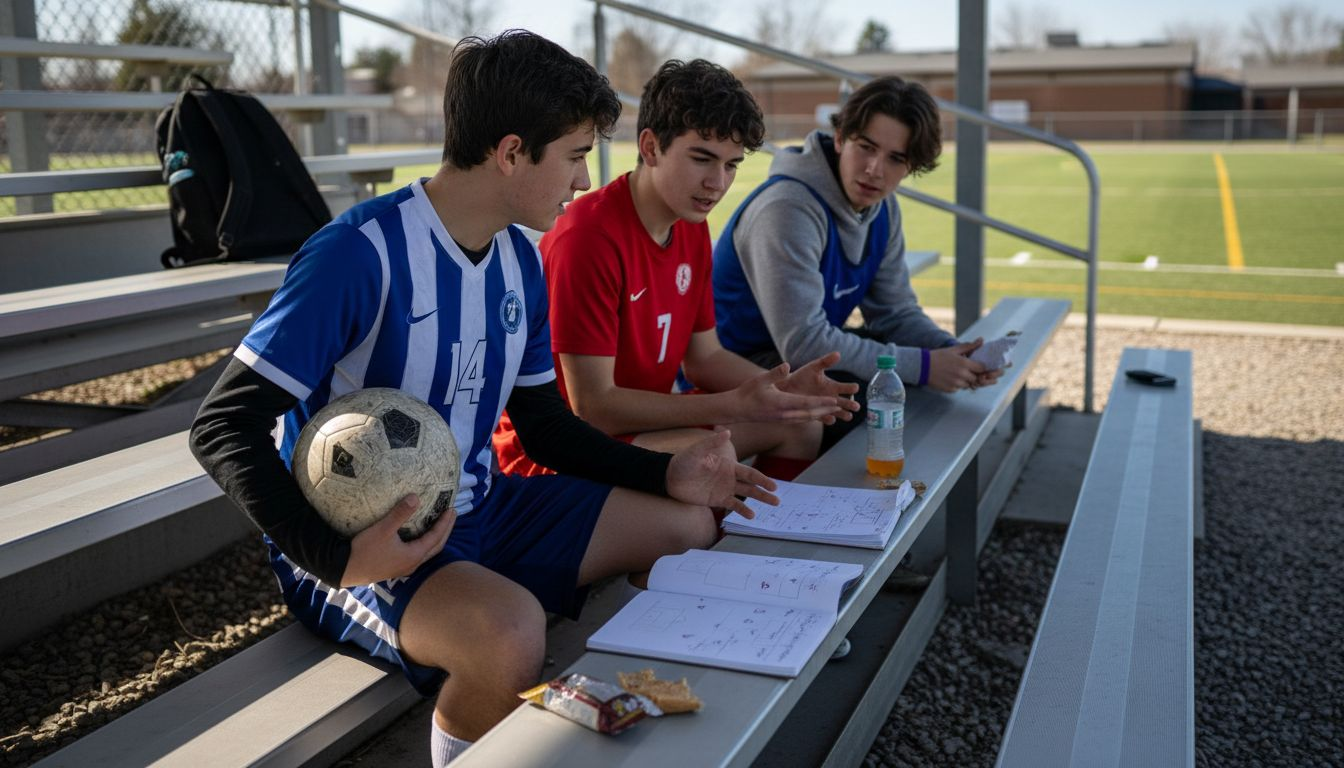
The benefits of mental skills training for youth and college athletes are profound and multifaceted. Competitive resilience emerges as a primary advantage, with athletes learning to manage performance anxiety, maintain focus under pressure, and develop consistent emotional regulation. Young athletes gain tools to navigate complex competitive environments, including strategies for handling setbacks, managing expectations, and maintaining motivation during challenging training periods and competitive events.
Specific benefits for youth and college athletes include:
- Enhanced self-confidence and self-belief
- Improved emotional intelligence
- Better stress management capabilities
- Increased ability to set and achieve meaningful goals
- More effective communication with coaches and teammates
- Reduced performance-related anxiety
- Greater psychological flexibility
Pro tip: Develop a personal mental skills journal to track your psychological growth, documenting your emotional responses, performance challenges, and mental strategies used during training and competitions.
The following table summarises how mental skills training can create measurable outcomes for athletes at various development stages:
| Athlete Stage | Mental Skills Focus | Expected Outcome |
|---|---|---|
| Youth | Emotional regulation, confidence | Increased resilience and growth |
| College | Stress management, communication | Improved competitive performance |
| Professional | Advanced goal-setting, focus | Consistent elite-level execution |
Reducing Performance Anxiety and Self-Doubt
Performance anxiety is a complex psychological challenge that can significantly undermine an athlete’s potential. Athletes experience intricate anxiety symptoms ranging from physical manifestations like nausea to mental disruptions such as distracted thinking. Understanding these symptoms is the first critical step in developing effective coping strategies that transform anxiety from a hindrance into a manageable aspect of competitive performance.
The journey of reducing performance anxiety involves comprehensive psychological strategies that address both mental and physiological responses. Cognitive reframing emerges as a powerful technique, enabling athletes to reshape negative thought patterns and interrupt self-defeating mental narratives. By systematically challenging and restructuring internal dialogue, athletes can develop more resilient mindsets that view pressure as an opportunity for growth rather than a threat to their performance.
Key strategies for managing performance anxiety include:
- Developing consistent pre-performance mental routines
- Practicing mindfulness and present-moment awareness
- Implementing controlled breathing techniques
- Creating personalized positive self-talk scripts
- Using progressive muscle relaxation methods
- Developing realistic performance expectations
- Building a supportive mental performance network
Pro tip: Create a pre-competition mental preparation checklist that includes specific relaxation techniques, positive affirmations, and focused breathing exercises to systematically reduce anxiety and build competitive confidence.
Integrating Mental Skills into Daily Practice
Integrating mental skills into daily athletic practice requires strategic and intentional approaches that transform psychological techniques into habitual performance enhancers. Athletes must view mental skills not as occasional interventions but as fundamental components of their comprehensive training regimen, seamlessly woven into physical preparation, technical skill development, and competitive readiness.
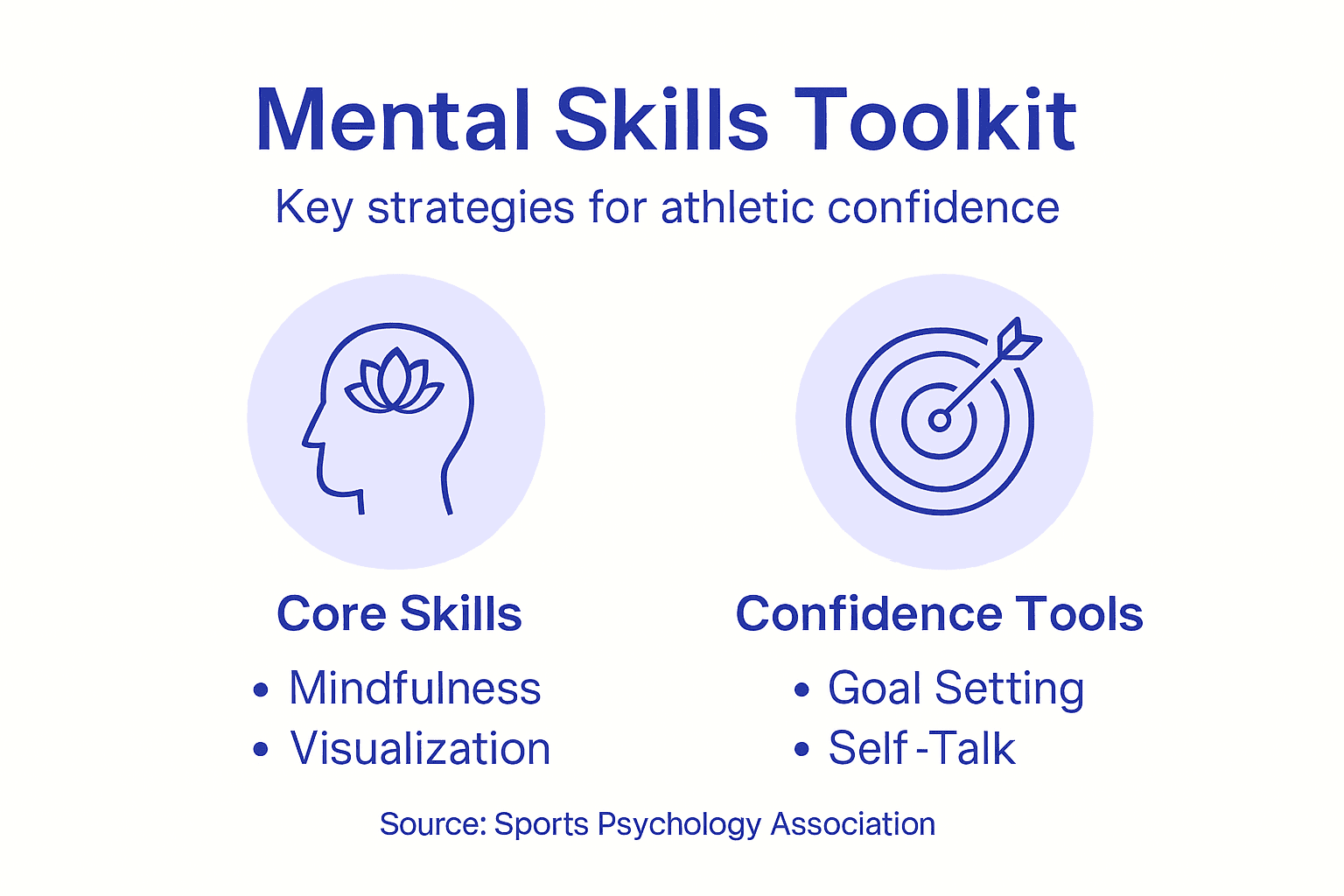
Successful integration demands systematic approaches that make mental training as routine as physical conditioning. Deliberate practice becomes the cornerstone of embedding mental skills, where athletes progressively develop psychological muscles through consistent, focused exercises. By treating mental skills with the same rigour and commitment as physical training, athletes can create neurological pathways that automatically trigger effective psychological responses during high-stress competitive scenarios.
Key strategies for integrating mental skills into daily practice include:
- Creating structured daily mental training schedules
- Developing personalized mental skill checklists
- Using performance journals to track psychological progress
- Implementing micro mental training sessions between physical workouts
- Practicing visualization techniques during rest periods
- Establishing consistent pre and post-training mental routines
- Seeking regular feedback from sports psychologists
Pro tip: Allocate a dedicated 15-minute window each day specifically for mental skills practice, treating it with the same priority and commitment as your physical training sessions.
Common Pitfalls and Best Practices
Mental skills training demands strategic awareness of potential obstacles that can derail psychological development. Athletes frequently encounter challenges that can compromise their mental training progress, making it crucial to understand and proactively address these common pitfalls before they become deeply entrenched patterns.
The most significant challenges in mental skills development emerge from inconsistent practice, unrealistic expectations, and a fundamental misunderstanding of psychological skill acquisition. Athlete engagement represents the cornerstone of successful mental training, requiring deliberate commitment, ongoing education, and a growth mindset that views psychological skills as trainable capabilities rather than fixed traits. Athletes must recognise that mental skills development is a dynamic process requiring patience, self-compassion, and structured approaches.
Key pitfalls to avoid in mental skills training include:
- Treating mental skills as optional rather than essential
- Expecting immediate, dramatic psychological transformations
- Inconsistent or sporadic mental training practices
- Neglecting sport-specific psychological requirements
- Avoiding vulnerability and resistance to feedback
- Comparing personal progress to other athletes
- Failing to integrate mental skills with physical training
Pro tip: Create a weekly mental skills reflection journal documenting your psychological challenges, progress, and specific strategies you’re implementing to maintain consistent mental training momentum.
Here’s a comparison of common mental training pitfalls and recommended best practices to ensure progress:
| Pitfall | Impact on Athlete | Best Practice Solution |
|---|---|---|
| Inconsistent routine | Slower skill development | Schedule regular mental sessions |
| Unrealistic expectations | Frustration, disengagement | Set achievable mental goals |
| Avoiding feedback | Stagnation in techniques | Seek coach and peer evaluation |
Enhance Your Athletic Confidence with Expert Mental Health Support
Mental skills training addresses critical challenges such as performance anxiety, self-doubt, and emotional regulation so athletes can achieve consistent confidence and focus during competition. If managing stress or building resilience feels overwhelming, you do not have to face these struggles alone. At Interactive Counselling, our compassionate therapists specialize in tailored strategies that complement your mental skills practice and help you overcome psychological roadblocks.
Take control of your mental game today with personalised therapy designed to strengthen your competitive mindset and reduce performance anxiety. Whether you are a youth, college, or professional athlete, our flexible in-person and online options in Canadian locations like Kelowna, Vernon, Grande Prairie, and Penticton ensure support is accessible when you need it most. Begin your journey toward mental resilience now by exploring our services and connecting with a licensed professional who understands the unique mental demands athletes face.
Frequently Asked Questions
What is mental skills training in athletics?
Mental skills training is a psychological approach that helps athletes develop cognitive strategies to enhance performance, resilience, and mental preparation. It includes techniques to manage anxiety, improve focus, and maintain emotional control during competitions.
How does mental skills training benefit youth athletes?
Mental skills training provides youth athletes with critical tools for emotional regulation, building self-confidence, managing stress, and improving communication with coaches and teammates, ultimately enhancing their competitive performance and resilience.
What techniques are commonly used in mental skills training?
Common techniques include goal-setting, visualization and imagery practices, stress management strategies, positive self-talk, and emotional regulation methods. Each technique aims to improve an athlete’s psychological framework for performance.
How can athletes integrate mental skills into their daily practice?
Athletes can integrate mental skills by creating structured mental training schedules, using performance journals, practicing visualization during rest, implementing mental routines before and after training, and seeking feedback from sports psychologists.
Recommended
- Mental Coaching for Young Athletes: Building Confidence and Focus
- Sport Psychology Explained: Mental Performance in Sport
- Returning to Sport After Injury: A Guide to Your Mental Comeback
- Sports Counselling for Athletes | Mental Performance Therapy