The bond between siblings is one of the most powerful and long-lasting relationships we have. When a family includes a child on the autism spectrum, that bond is shaped by a unique mix of love, adaptation, and complexity. For parents, understanding this dynamic is the first step toward building a home where every child feels seen, supported, and truly connected. For more information, see our Kelowna autism counselling.
Families in Kelowna, Vernon, Penticton, and Grande Prairie often tell us that sibling dynamics become easier once each child’s needs are understood and supported through autism-informed family counselling. For more information, see our counselling in Kelowna.
A Compassionate Look at Sibling Dynamics
Family life with an autistic child comes with its own set of joys and hurdles, and these ripple through every relationship—especially the one between siblings. This connection is often marked by incredible empathy and patience. At the same time, it can be touched by moments of frustration, confusion, or a feeling of being overlooked. For more information, see our autism counselling.
Thinking from a family-systems perspective helps here. It reminds us that no one in a family lives in a vacuum; the experiences of one child inevitably affect the others, creating a delicate web of emotions and needs.
This guide is meant to be a compassionate roadmap. Instead of just focusing on the difficulties, we'll explore the paths that lead to deeper connection and mutual understanding. Our goal is to help you nurture the bond between your children by validating their complex feelings and offering practical, empathetic strategies that honour each child’s unique experience.
Joys, Challenges, and Connections
The journey for siblings in a family touched by autism is a rich tapestry woven with unique joys, distinct challenges, and powerful opportunities for connection. The infographic below brings these core elements to life.
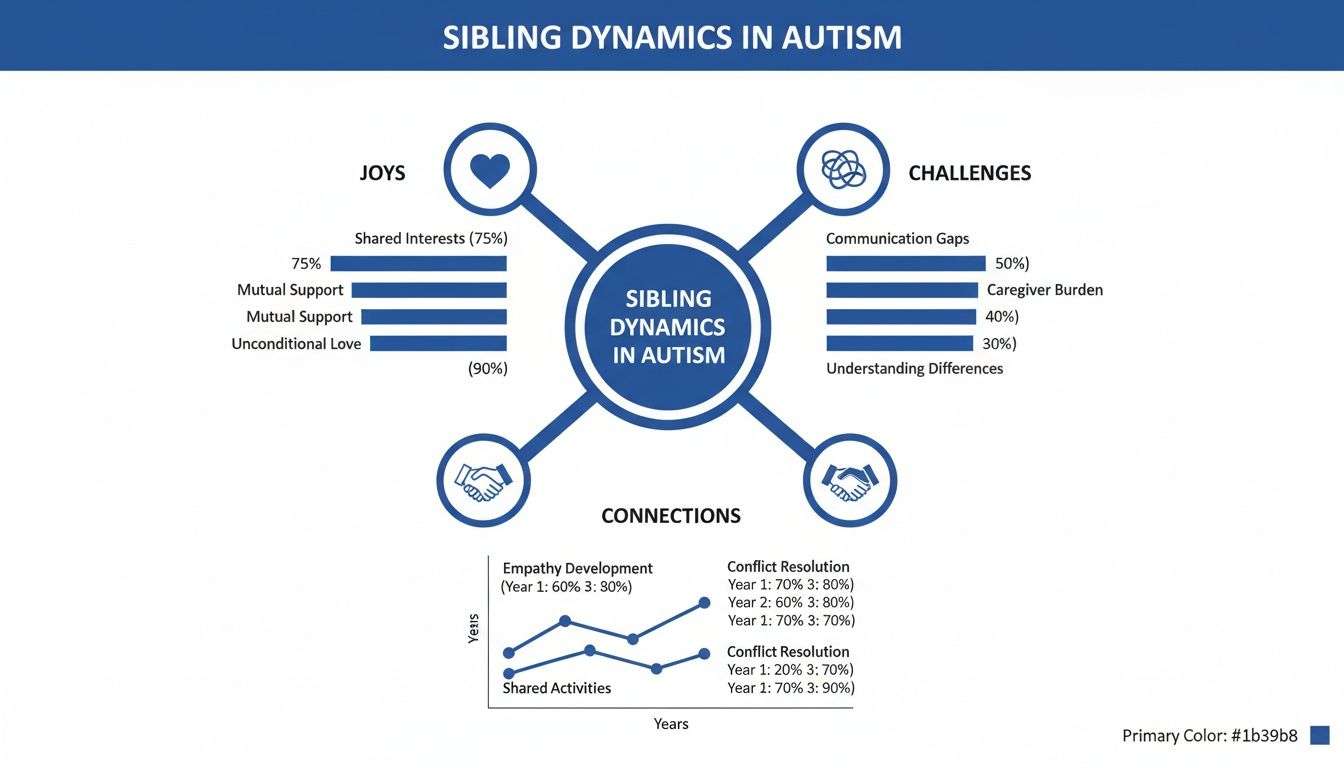
As you can see, these pillars—joy, challenge, and connection—aren't separate things. They're deeply intertwined, shaping the sibling experience day in and day out.
We'll walk you through these dynamics, helping you read the emotional landscape of your neurotypical child, tackle communication hurdles, and put strategies in place that build resilience. By fostering an environment of open conversation and tailored support, you can help all your children forge a strong, lasting bond.
The goal isn’t to create a "perfect" sibling relationship. It’s about fostering one built on a foundation of empathy, acceptance, and genuine connection, where differences are understood and each child feels valued for who they are.
We'll explore how to balance everyone’s needs, create shared positive experiences, and recognize when your family might benefit from a little extra support. Your effort to understand and nurture these intricate relationships is a powerful act of love that strengthens your entire family. It’s about building a family that flourishes because of its unique composition, not in spite of it.
Understanding the Emotional Landscape of Siblings
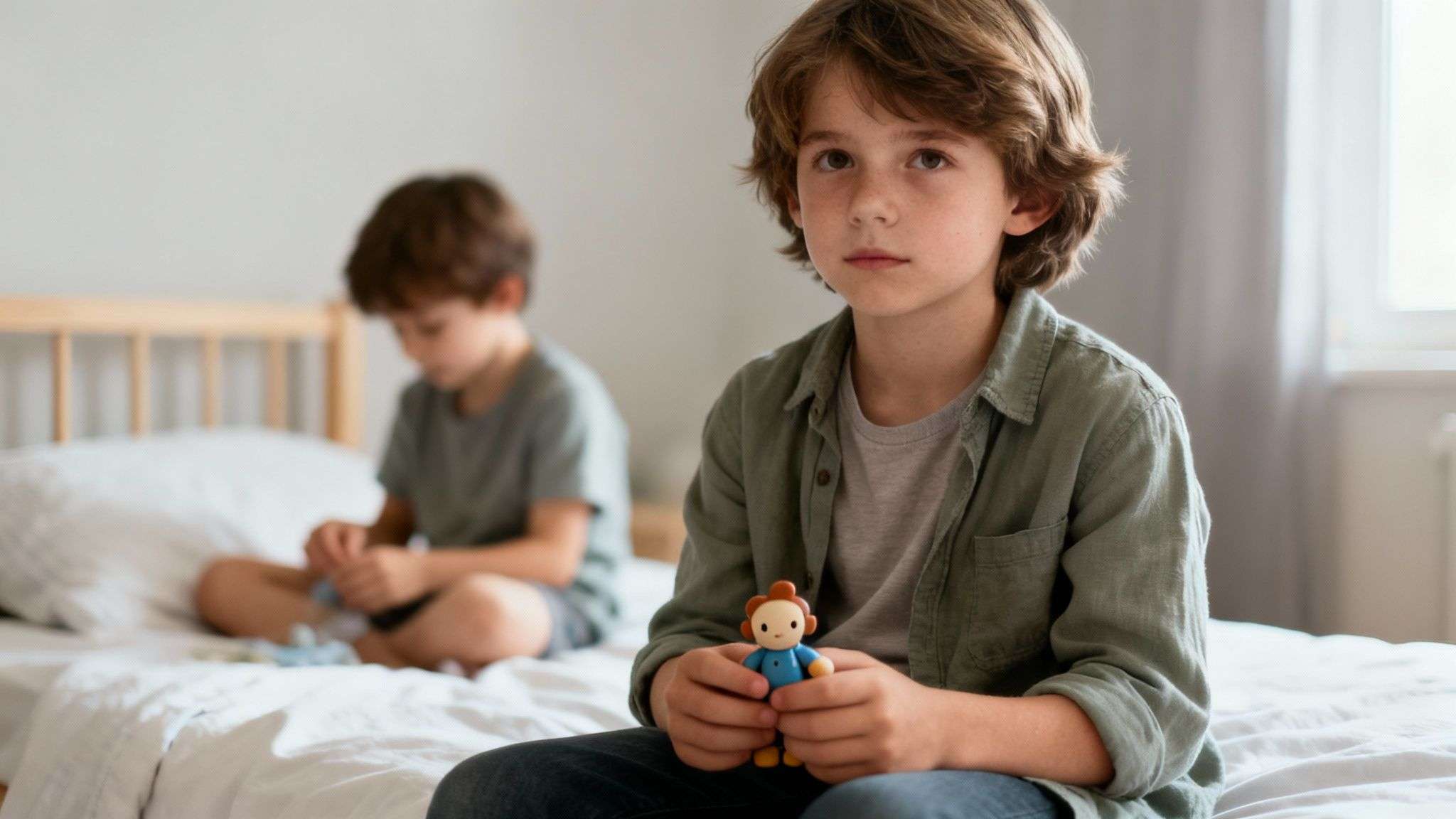
For a neurotypical child, life with an autistic sibling is a journey through a world of powerful, often contradictory emotions. It's a space where deep love and fierce loyalty can live right beside flashes of frustration, jealousy, and even a profound sense of being alone. These feelings aren't just normal; they're a sign of just how unique and meaningful their bond is.
The first step in helping is simply to recognize this emotional tapestry for what it is. In a family where time, energy, and resources naturally gravitate toward the needs of an autistic child, their sibling can end up quietly shouldering a whole host of feelings, often without knowing how to put them into words.
Think about it: they might feel a surge of pride when their sibling masters a new skill, but also a pang of embarrassment during a public meltdown. They can feel an intense sense of responsibility, like a mini-caregiver, while at the same time wishing for a more carefree, playful relationship.
The Weight of Being the 'Easy Child'
One of the most common dynamics we see is the unspoken pressure on the neurotypical sibling to be the 'easy child'. They see how much their parents are juggling, and without anyone ever saying a word, they might decide their job is to not cause any more trouble.
This often leads them to push their own needs aside, hide their disappointments, and avoid asking for help when they're struggling. While it comes from a place of love—a genuine desire to protect their parents—it can start to shape their identity. They might become overly self-reliant or develop perfectionistic tendencies, feeling they can't afford to be anything less than perfect.
It's so important to remember that these feelings are valid. They deserve to be heard without judgment. Letting a child know it's okay to feel sad or frustrated about their family situation doesn't take away from the love they have for their sibling. It just makes them human.
This mix of emotions is a well-documented part of the experience. Research on Canadian families has found that siblings often talk about feeling both very close to and emotionally distant from their autistic brother or sister. They're often caught between a desire for a 'normal' family life and being put in roles like teacher or protector, which can stir up a lot of internal conflict, including anger, guilt, and fear. You can read more about these sibling experiences and their emotional impact in this detailed overview.
Common Emotional Crossroads
Knowing what to look for can help you open up a supportive conversation when your child needs it most. Some of the most common feelings include:
Loneliness: A feeling that no one else really "gets it," especially when their friends' home lives seem so different.
Jealousy or Resentment: Watching a sibling get more parental time, attention, or resources, even if they intellectually understand why it's necessary.
Guilt: Feeling ashamed for having negative thoughts like frustration or anger toward their sibling.
Hyper-Maturity: Taking on adult-level responsibilities at a young age, sometimes missing out on parts of their own childhood.
Worry: A growing anxiety about their sibling's future, especially as they think about what will happen when they're all adults and parents are older.
Building a foundation of empathy starts right here, by validating this complex inner world. When you compassionately acknowledge these feelings, you teach your child that all of their emotions are okay and that they don’t have to carry these heavy feelings by themselves. This emotional validation is key not just for their own well-being, but for the long-term health of their relationship with their sibling.
Navigating Communication and Connection Hurdles
Even the closest sibling relationships hit snags, but for families with autism, some of those day-to-day hurdles can feel a bit more complex. The friction often shows up in communication gaps, mismatched play styles, and an autistic child's deep need for predictability. Seeing these obstacles for what they are is the first real step toward building bridges.
Why Play and Routines Can Be Tricky
Many neurotypical kids find it tough when their brother or sister doesn't respond to games or chit-chat in the way they expect. Imaginative play, which is such a huge part of childhood bonding, can become a real source of frustration if an autistic sibling prefers activities that are more structured and repetitive. One child might feel like their fun is always being cut short or misunderstood, which can lead to them feeling pretty lonely.
It's a similar story with routines. An autistic child often thrives on a predictable schedule, but that can clash with a sibling’s natural desire for spontaneity. A fun family outing that ends suddenly or a meltdown caused by a tiny, unexpected change can feel confusing and deeply unfair to a neurotypical child who doesn't understand the "why" behind it. These aren't moments of blame; they're just the result of two very different ways of experiencing the world.
The Impact of Sensory Needs and Social Pressures
Sensory sensitivities bring their own challenges. A loud, bustling house might feel fun and exciting to one child, but for their autistic sibling, it can be completely overwhelming. This can naturally limit the kinds of things a family can enjoy together. Getting a handle on concepts like how sensory integration works is key for siblings to start understanding each other's unique needs and ways of communicating.
For a neurotypical sibling, it can sometimes feel like they're walking on eggshells, always trying to avoid triggering a meltdown. That's a heavy emotional burden for any child to carry.
The pressure doesn't just come from inside the home. Siblings often have to deal with friends who just don't "get" autism. They might find themselves constantly explaining their sibling’s behaviours or feeling embarrassed during a public meltdown. This creates a difficult pull between being loyal to their family and just wanting to fit in with their peers.
What the Research Tells Us About Sibling Dynamics
These aren't just isolated stories; they're patterns that researchers have seen time and time again. For instance, some Canadian studies have pointed out that siblings of autistic children, especially older brothers, can sometimes experience more emotional and behavioural challenges themselves. Research has noted that these sibling relationships can struggle with emotional closeness and see more conflict, leading experts to call for more targeted support. You can learn more about these findings on sibling well-being from AIDE Canada.
Acknowledging these hurdles isn't about pointing fingers. It’s about gaining a clear, honest picture of the situation. Once parents can identify where the real friction points are, they can start putting compassionate, practical strategies in place. The ultimate goal is to give both children the tools they need to finally understand each other, turning frustrating moments into opportunities for real connection.
Practical Strategies for Nurturing Strong Sibling Bonds
Knowing the theory behind the communication hurdles and emotional landscape is one thing. Putting that knowledge into practice is where the real work—and the real magic—happens. Nurturing a strong bond between siblings isn’t about grand gestures. It's about weaving small, intentional habits into the fabric of your family's daily life.
Think of these strategies as tools for your parenting toolkit. They're designed to help you build an environment where both of your children feel seen, valued, and connected, honouring their unique needs while creating a stockpile of happy shared memories.
Carve Out Dedicated One-on-One Time
One of the most effective ways to counteract feelings of unfairness or being overlooked is to schedule regular, protected one-on-one time with each child. This isn't just about spending time together; it's about sending a powerful, unspoken message: "You are important to me, just for you."
This special time doesn't need to be a huge production. It’s the quality of your focused attention that truly counts.
Make it a ritual: Even 15-20 minutes of totally undivided attention before bed can do wonders. Let them lead the way, whether that means reading a book, playing a simple card game, or just chatting about their day.
Go on "special dates": Once a month, try to take each child out for a simple solo adventure. It could be a trip to the library, a walk to grab a treat, or a visit to their favourite park.
Tune into their world: Use this time to genuinely listen without one eye on your phone. Ask about their friends, their worries, and their little victories. This helps them feel seen as an individual, separate from the family dynamic.
This simple practice directly tackles the resentment that can fester when one child feels their needs are always second. It reinforces their individual worth and strengthens their personal bond with you, giving them more emotional resilience to navigate their relationship with their sibling.
Teach Empathy Through Understanding
For a neurotypical child, their autistic sibling’s behaviour can often feel bewildering, frustrating, or just plain unfair. Building genuine empathy starts with giving them clear, age-appropriate information about what autism is. This isn’t a one-and-done lecture; it's an ongoing conversation.
The key is to frame autism not as something "wrong," but simply as a different way of experiencing the world.
You could explain that while they might use words to show they're excited, their sibling might show it by flapping their hands. Or while they love the noise and chaos of birthday parties, their sibling finds it completely overwhelming. This simple shift reframes behaviour from "bad" to "different."
Understanding how each person in the family gives and receives affection can also be a game-changer. Exploring resources like the 5 Love Languages framework can offer huge insights, helping everyone translate their actions into a language of love that their siblings and parents can understand.
Create Opportunities for Shared Success
The goal here is to create a bank of positive memories that they can draw on. The best way to do that is by setting up structured activities where both children can succeed and feel good about their interaction.
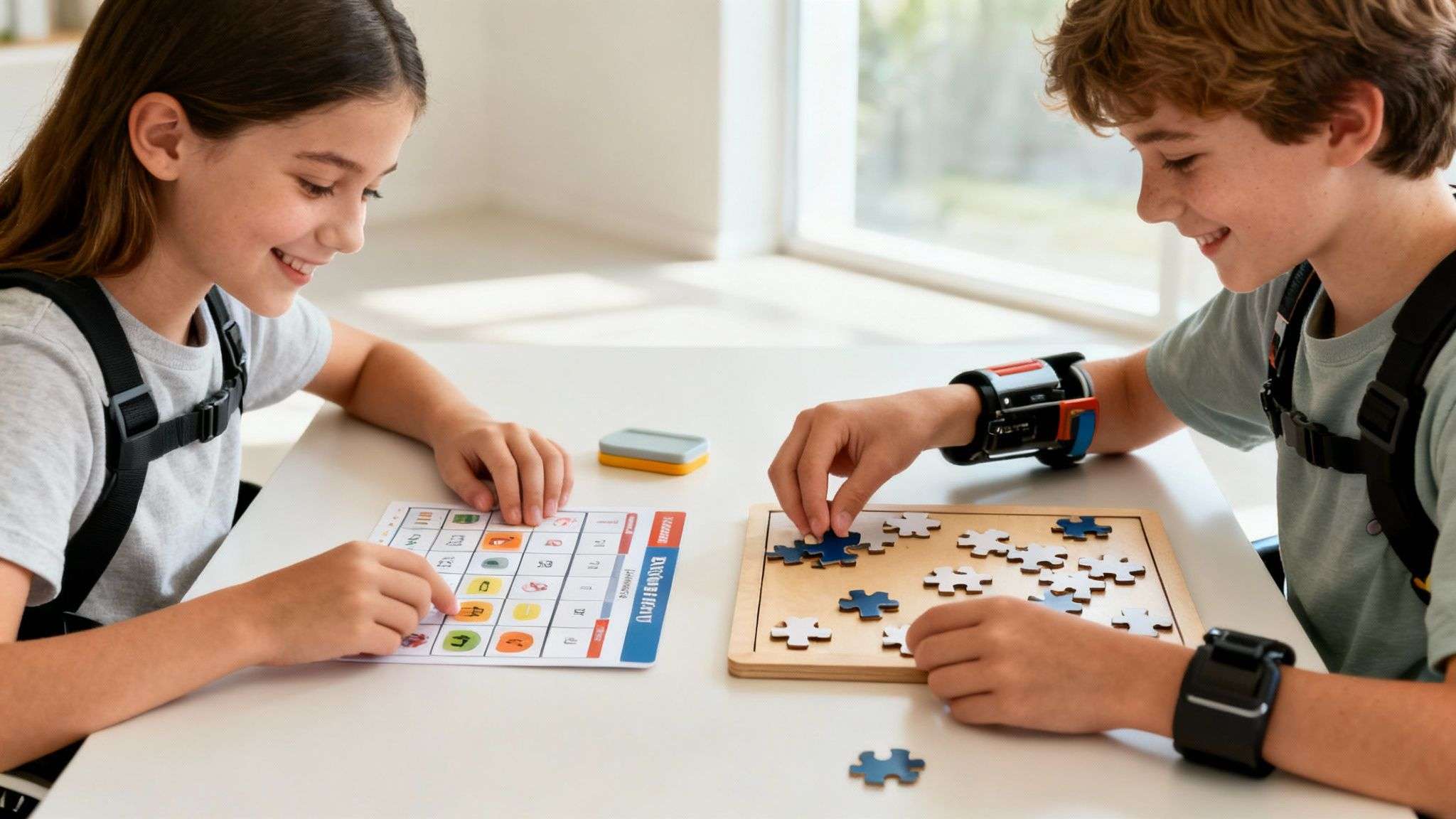
Try parallel play with shared stuff: Activities like building with LEGOs, painting side-by-side, or working on a puzzle allow them to be together without the pressure of complex social rules. They can interact as much or as little as feels comfortable.
Lean into special interests: If your autistic child is passionate about trains, find a related activity the whole family can get behind, like visiting a train museum or building a model railway. This gives their sibling a positive way to enter their world.
Focus on sensory-friendly fun: Choose activities that won't overwhelm anyone. Think a quiet afternoon baking cookies, playing in a sensory bin filled with sand or water, or going for a peaceful walk in nature.
Creating these structured moments of connection helps them build a solid foundation. When siblings can genuinely have fun together, it naturally strengthens their bond and fosters a real sense of teamwork. Supporting your children’s emotional development through these kinds of intentional strategies is what builds a resilient and deeply connected family.
To make these ideas easier to implement, here is a quick summary of how you can put these concepts into action.
Strategies for Fostering Positive Sibling Connections
| Strategy Area | Key Actions | Why It Helps |
|---|---|---|
| Dedicated Attention | Schedule regular 1-on-1 time with each child. Let them choose the activity. | Reduces jealousy and resentment. Reinforces each child's individual worth and strengthens their bond with the parent. |
| Empathy Building | Use age-appropriate language to explain autism as a "different way of thinking." Reframe behaviours as communication, not misbehaviour. | Demystifies autism and replaces confusion with understanding. Helps the neurotypical sibling see things from their sibling's perspective. |
| Shared Positive Experiences | Plan structured, low-pressure activities like parallel play (LEGOs, art) or sensory-friendly outings. | Creates a bank of happy memories. Lowers the risk of negative interactions and builds a sense of teamwork and fun. |
| Validating Feelings | Acknowledge the neurotypical sibling's frustrations and complex emotions without judgment. Create a safe space for them to talk openly. | Ensures the neurotypical sibling feels heard and understood. Prevents feelings from bottling up and turning into resentment. |
Ultimately, the goal isn't to create a "perfect" sibling relationship, but a real one—one built on a foundation of mutual understanding, respect, and a history of positive connection.
Recognizing When Your Family Needs More Support
Even with the best intentions, the unique pressures of raising a child with autism can sometimes stretch a family to its limits. It’s important to remember that recognizing when you need extra help isn’t a sign of failure. In fact, it’s a sign of strength—a loving and proactive step toward caring for everyone’s well-being.
Sometimes the signs that a neurotypical sibling is struggling are subtle, easily missed in the day-to-day shuffle. Other times, they’re loud and clear. Trust your gut. If you sense a persistent shift in your child's mood or behaviour, it might be time to seek some gentle, professional guidance.
Signs a Sibling May Be Struggling
Every child has bad days, of course. But when those days turn into a pattern, it could be a signal that a sibling is having a tough time coping. Keeping an eye out for these changes can help you step in with support before the stress becomes overwhelming.
Here are a few things to watch for:
Increased Anxiety or Worry: This can show up as new fears, trouble sleeping, or constant, worried questions about their autistic sibling’s future.
Social Withdrawal: You might notice them pulling away from friends, dropping hobbies they used to enjoy, or just spending more and more time alone.
Notable Behavioural Shifts: This could be anything from uncharacteristic anger and irritability to a sudden drop in grades or frequent complaints of headaches and stomach aches.
Perfectionism or People-Pleasing: Some siblings feel an intense pressure to be the "good kid" or the "easy one," hiding their own needs so they don’t add to the family's stress.
These behaviours are really just your child’s way of showing you they’re carrying a heavy emotional load. Seeing and acknowledging their struggle is the first, most important step toward helping them feel lighter.
The Role of Professional Support
When family dynamics feel stuck or strained, professional counselling can create a safe, neutral ground where everyone feels heard and understood. It’s not about pointing fingers or fixing people; it’s about equipping your family with new tools to communicate better, solve problems together, and ultimately, connect on a deeper level.
A family counsellor can help you:
Navigate tricky conversations about fairness without blame.
Build healthier ways of talking to and hearing each other.
Give each child a space to voice their feelings without fear of judgment.
This kind of support is especially crucial given the complex emotional landscape many families navigate. For example, Canadian-led research has found that the recurrence rate for autism in younger siblings can be as high as 32% in families with more than one diagnosed child. You can read more about these autism recurrence findings and what they mean for families. These statistics really highlight the need for early and comprehensive family support.
Seeking support is about strengthening your family’s foundation. It’s an investment in building resilience so that you can face future challenges together, with greater understanding and compassion for one another.
If you feel like your family is caught in repeating cycles of conflict or just feels disconnected, exploring options like Autism Family Support can provide the specialized guidance you need. It’s about restoring balance and reinforcing the bonds that hold you all together.
Frequently Asked Questions About Sibling Dynamics
It’s completely natural to have questions about how autism affects all of your children. These are the worries that surface in quiet moments and the conversations you have with yourself. You are not alone in this. Here, we offer compassionate, evidence-based answers to some of the most common questions we hear from parents.
How Can I Explain Autism to My Other Children?
The best approach is an ongoing dialogue, not a single, formal lecture. Your goal is to build empathy by framing autism as a different way of experiencing the world, not as something wrong.
For younger children: Use simple, relatable analogies. You might say, "Your brain is like a superhighway where thoughts go very fast. Your brother’s brain is more like a scenic country road that notices all the little flowers along the way. Both get to the same place, just differently."
For older children: Be more direct. You can explain how their sibling’s brain processes sensory information differently—sounds might feel louder, lights brighter, or social cues harder to read. This helps explain why routines feel safe or why they might need alone time to recharge. Always emphasize their sibling's unique strengths, too.
Is It Normal for My Neurotypical Child to Feel Resentful?
Yes, it is 100% normal and okay. Resentment, jealousy, and even anger are common human reactions to a family dynamic where one child's needs often require more time and attention. These feelings do not mean your child doesn't love their sibling.
The most powerful thing you can do is validate these feelings without judgment. Create a safe space for them to be honest by saying things like, “I can see you’re frustrated that we had to leave the park early. It’s okay to feel disappointed.” This acknowledgment prevents emotions from bottling up and teaches them healthy ways to process their complex feelings.
What Activities Can All My Children Enjoy Together?
Focus on low-pressure activities that create positive shared memories and accommodate different needs.
Parallel Play: Building with LEGOs, painting, or doing a puzzle side-by-side allows for shared space without complex social demands.
Sensory-Friendly Fun: Activities like playing with a water table, digging in a sandbox, or baking cookies can be calming and enjoyable for everyone.
Shared Interests: If your autistic child has a passion—like dinosaurs or trains—find ways for the whole family to engage with it. This creates a natural bridge for connection on their terms.
How Do I Balance Everyone's Needs Without Burning Out?
Balancing needs starts with giving yourself grace and recognizing that you cannot pour from an empty cup. Your well-being is the anchor for the entire family.
Let go of the pressure to be perfect. Aim for "good enough" parenting, which is more than sufficient. Lean on your support system—your partner, friends, or a support group. Taking even 15 minutes for yourself isn't selfish; it's essential. If the weight feels overwhelming, remember that seeking professional support is a sign of strength. Exploring services like Family Counselling can provide tools to manage stress and restore a sense of balance to your home.
Your Family Can Thrive, Together
Nurturing the bond between your children is a journey, not a destination. There will be tough moments, but there will also be incredible rewards. The goal isn’t a conflict-free family, but a connected one.
By intentionally making space for empathy, leaning into patience, and celebrating each child for exactly who they are, you lay the foundation for a resilient family—one that can face challenges with mutual respect. You are creating a home where differences are not just tolerated, but truly understood and valued.
Remember to be kind to yourself. The work you are doing to understand and support your children's unique relationship is a powerful, ongoing act of love. You are not just raising a family; you are building a compassionate, supportive team.
Every family’s path is unique. There will be days of harmony and days that test your patience. Acknowledging this reality is part of building the stamina needed for the long haul.
If you feel your family could use a little extra guidance in navigating these dynamics, professional support can be a wonderful next step. Learning new ways to communicate can help your family move from simply coping to truly flourishing. We invite you to learn more about our approach to Family Counselling and discover how we can support you on your journey.