Most Canadians will face a mental health challenge at some point, yet outdated myths and stigma still deter many from getting the support they deserve. In British Columbia, understanding the real meaning of mental health is the first step toward feeling better about anxiety, depression, or relationship struggles. This guide unpacks what mental health actually means, addresses common misconceptions, and explains how Canadian knowledge empowers better choices for therapy and personal growth.
Table of Contents
- Defining Mental Health And Common Misconceptions
- Types Of Mental Health Challenges In Canada
- Core Concepts: Resilience, Coping, And Wellness
- Stigma, Myths, And Accessing Help
- Recognizing When Therapy Is Needed
Key Takeaways
| Point | Details |
|---|---|
| Understanding Mental Health | Mental health is a holistic concept beyond the absence of illness, encompassing emotional and psychological well-being. |
| Combatting Stigma | Over 60% of individuals avoid seeking help due to fear of judgement, highlighting the need for education and support. |
| Importance of Professional Support | Recognizing signs that indicate the need for therapy can enhance personal growth and coping strategies. |
| Coping and Resilience | Developing healthy coping mechanisms and resilience is vital for navigating life’s challenges and improving overall well-being. |
Defining Mental Health and Common Misconceptions
Mental health is a nuanced concept that extends far beyond popular misconceptions. Psychological and emotional well-being represents a complex state involving cognitive functioning, emotional regulation, and social interactions. Unlike common assumptions, mental health is not simply the absence of mental illness but a dynamic spectrum of experiences and capacities.
Professionals understand mental health as a holistic condition encompassing an individual’s ability to manage stress, develop meaningful relationships, and contribute productively to their community. The World Health Organization defines mental health as a state where individuals recognize their potential, cope with life’s normal challenges, work effectively, and meaningfully engage with their surroundings. This comprehensive perspective challenges traditional narrow views that focus exclusively on diagnosable disorders.
Several persistent myths significantly obstruct public understanding of mental health. Common misconceptions include believing that mental health challenges are always visibly apparent, that individuals experiencing mental health difficulties are inherently dangerous, or that emotional struggles represent personal weakness. In reality, mental health conditions are often invisible, complex, and can affect anyone regardless of background, age, or social status. These misunderstandings create unnecessary stigma and prevent many individuals from seeking supportive interventions.
Below is a summary of persistent mental health myths and the facts that counter them:
| Myth | Reality | Impact of Misconception |
|---|---|---|
| Mental illness is always visible | Many conditions have no outward signs | Stigma discourages help-seeking |
| Only certain groups are affected | Mental health can impact anyone | Overlooks minority and vulnerable groups |
| Struggling is a sign of weakness | Seeking support is a strength | Delays essential care and support |
| People with mental health issues are dangerous | Most are not violent or threatening | Fuels exclusion and discrimination |
Pro tip: Approach mental health conversations with curiosity, compassion, and openness, recognizing that everyone’s experience is unique and valid.
Types of Mental Health Challenges in Canada
Mental health challenges in Canada represent a complex and multifaceted landscape affecting individuals across diverse demographics. Prevalent mental health disorders include mood disorders, anxiety conditions, and substance use disorders, each presenting unique challenges for individuals and healthcare systems. These conditions are not merely clinical diagnoses but deeply personal experiences that significantly impact daily functioning, relationships, and overall quality of life.
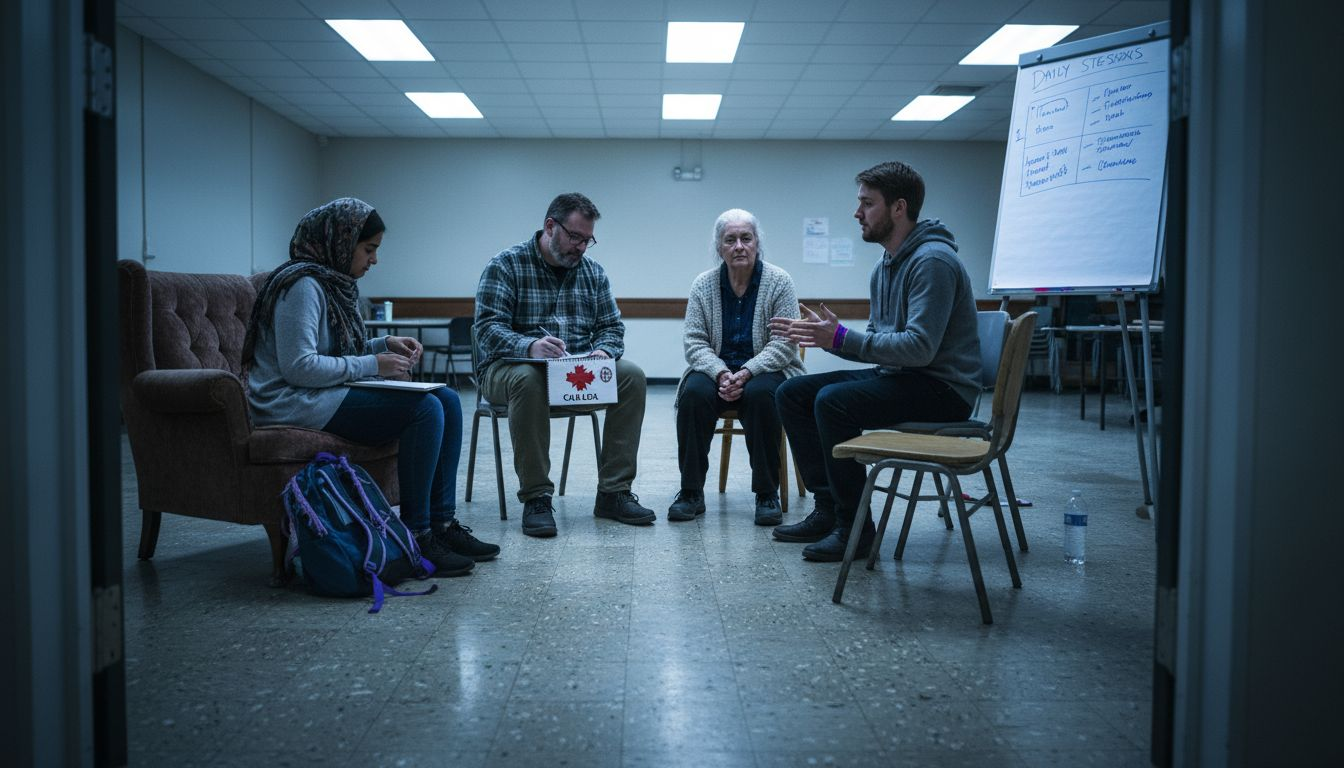
Statistics reveal concerning trends in Canadian mental health. Young women are experiencing increasingly higher rates of mood and anxiety disorders, while substance use disorders demonstrate nuanced patterns of prevalence. Notably, approximately half of Canadians meeting diagnostic criteria for these conditions have not recently sought professional support, highlighting critical gaps in mental health awareness, accessibility, and treatment. Health policies and support systems are continuously evolving to address these complex challenges and reduce barriers to comprehensive mental healthcare.
Particular attention must be given to the diverse mental health experiences within racialized communities and vulnerable populations. Socioeconomic factors, systemic barriers, cultural stigma, and limited access to culturally responsive care can significantly complicate mental health experiences. Understanding these intersectional challenges requires a holistic approach that recognizes individual experiences while developing inclusive, equitable support mechanisms.
Pro tip: Regularly check in with yourself and trusted friends or family about your mental health, recognizing that seeking support is a sign of strength, not weakness.
Core Concepts: Resilience, Coping, and Wellness
Resilience represents the fundamental psychological capacity to navigate life’s challenges with adaptability and strength. Research on resilience dynamics reveals that this crucial mental health attribute is not a fixed trait but a skill that can be developed and strengthened over time. Individual resilience is influenced by multiple factors including social connections, personal experiences, socioeconomic circumstances, and individual psychological resources.
Coping mechanisms are the practical strategies individuals employ to manage stress, emotional challenges, and unexpected life disruptions. These strategies range from healthy adaptive approaches like problem-solving, seeking social support, and emotional regulation to potentially harmful methods such as avoidance or substance misuse. Understanding and developing constructive coping skills is essential for maintaining psychological wellness and preventing long-term mental health complications.
Wellness is a holistic concept encompassing physical, emotional, and psychological equilibrium. It involves proactive engagement with one’s mental health, continuous self-awareness, and intentional practices that support overall well-being. This includes maintaining healthy relationships, engaging in regular self-care, pursuing personal growth, managing stress effectively, and developing emotional intelligence. The interconnected nature of wellness means that improvements in one area can positively influence other aspects of an individual’s life.
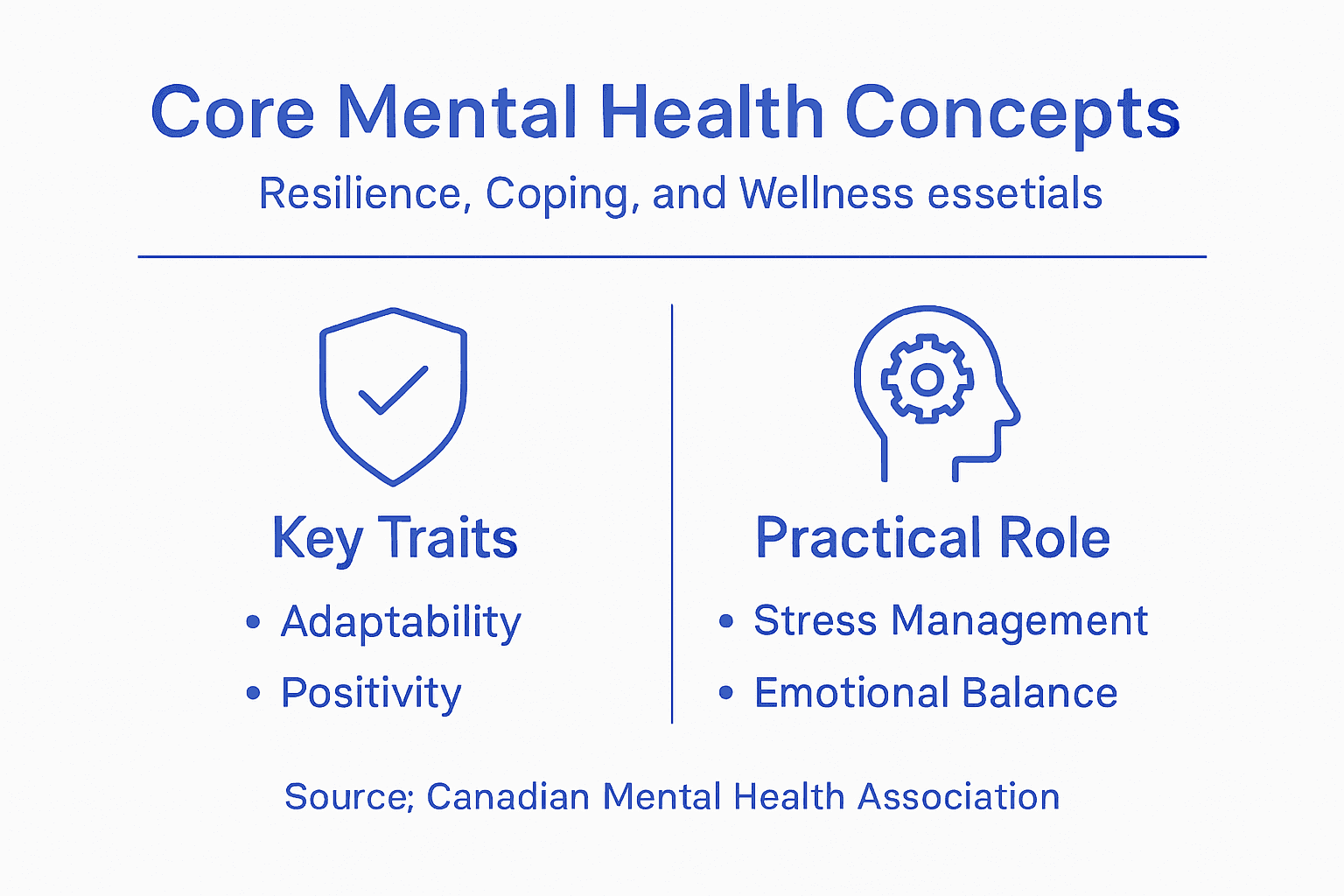
This table outlines the core differences between resilience, coping mechanisms, and wellness:
| Concept | Key Characteristics | Role in Mental Health |
|---|---|---|
| Resilience | Adaptability, persistence, flexibility | Enables recovery from setbacks |
| Coping Mechanisms | Strategies for stress management | Affects short-term and long-term outcomes |
| Wellness | Physical, emotional, social balance | Supports sustained overall well-being |
Pro tip: Practice daily self-reflection and mindfulness to gradually build your resilience and understand your unique emotional patterns.
Stigma, Myths, and Accessing Help
Mental health stigma remains a pervasive barrier preventing many Canadians from seeking essential support and treatment. Comprehensive anti-stigma efforts demonstrate that persistent misconceptions and societal judgments significantly impact individuals’ willingness to acknowledge and address their mental health challenges. These deeply rooted attitudes create complex psychological obstacles that discourage open conversations and prevent timely intervention.
The Canadian Mental Health Association reveals stark statistics about stigma’s impact. Approximately 60% of individuals avoid seeking mental health support due to fear of social judgment, labeling, and potential professional or personal repercussions. Systemic barriers in healthcare and workplace environments compound these challenges, creating additional layers of complexity for those experiencing mental health difficulties. These societal attitudes can lead to prolonged suffering, increased isolation, and potential deterioration of mental well-being.
Combating mental health stigma requires a multifaceted approach involving education, empathy, and institutional change. This includes challenging harmful stereotypes, promoting accurate information about mental health conditions, and creating supportive environments that normalize help-seeking behaviours. Personal stories, public awareness campaigns, and professional training programs play crucial roles in transforming societal perceptions and reducing discriminatory attitudes that prevent individuals from accessing necessary mental health resources.
Pro tip: Start conversations about mental health authentically and compassionately, recognizing that vulnerability is a strength, not a weakness.
Recognizing When Therapy Is Needed
Understanding when professional mental health support becomes necessary is a crucial aspect of personal wellness. Mental health diagnostic guidelines suggest several key indicators that signal the potential need for therapeutic intervention. These signs go beyond momentary emotional challenges and represent persistent patterns that significantly disrupt daily functioning, relationships, and overall quality of life.
Critical warning signs that therapy might be beneficial include experiencing prolonged periods of emotional distress, noticeable changes in behavioural patterns, and consistent difficulties managing stress or maintaining personal and professional relationships. Specific red flags encompass persistent feelings of hopelessness, dramatic shifts in sleeping or eating habits, withdrawal from social interactions, unexplained physical symptoms, and recurring negative thought patterns that feel uncontrollable. These indicators suggest that professional support could provide essential strategies for understanding and managing underlying emotional challenges.
Therapy is not exclusively for individuals experiencing severe mental health conditions but serves as a valuable resource for personal growth, self-understanding, and developing more effective coping mechanisms. Proactive mental health care involves recognizing when external support can help navigate complex emotional landscapes, process challenging life experiences, and build resilience. Professional therapists offer objective perspectives, evidence-based techniques, and personalized strategies that empower individuals to understand themselves more deeply and develop healthier emotional responses.
Pro tip: Trust your instincts and view seeking therapy as an act of self-care and personal strength, not as a sign of weakness.
Build Resilience and Wellness with Personalized Support
Understanding the foundational concepts of mental health such as resilience, coping mechanisms, and wellness is essential to navigating life’s challenges effectively. If you find yourself struggling with persistent stress, emotional distress, or simply want to develop stronger coping skills, know that you are not alone. Many Canadians face similar journeys that require compassionate guidance and tailored strategies to foster lasting mental wellness.
Interactive Counselling offers professional therapy services designed to meet your unique needs whether you prefer in-person sessions in Kelowna, Vernon, Grande Prairie, Penticton, or convenient online support anywhere in Canada. Our diverse team of licensed therapists provides a non-judgmental environment where you can explore your mental health openly, build resilience, and develop healthy coping skills. Don’t wait until challenges feel overwhelming. Take the first step to prioritize your well-being by visiting Interactive Counselling today to learn more about our therapy solutions and how we can support your mental health journey with compassionate care.
Frequently Asked Questions
What is meant by mental health?
Mental health encompasses psychological and emotional well-being, involving cognitive functioning, emotional regulation, and social interactions. It is not solely the absence of mental illness but represents a dynamic spectrum of experiences and capabilities.
How can I recognize signs that I need therapy?
Signs that therapy may be beneficial include prolonged emotional distress, changes in behavior, difficulties managing stress, and issues in personal or professional relationships. Notable indicators include persistent feelings of hopelessness and withdrawal from social interactions.
What are some common misconceptions about mental health?
Common misconceptions include beliefs that mental illness is always visible, that only certain groups are affected, and that struggling with mental health signifies personal weakness. These myths can create stigma and prevent individuals from seeking help.
What role does resilience play in mental health?
Resilience refers to the ability to adapt and recover from challenges. It is a crucial mental health attribute that can be developed over time, influenced by social connections, experiences, and individual resources.
Recommended
- Prioritize Your Well-Being: Seek Mental Health Support Now
- How to Find a Mental Health Counselor Who Just Gets You
- Using Occupational Therapy in Mental health for Recovery
- Why Self-Awareness Matters for Emotional Wellness