
Does counselling really help kids and teens? what the research shows
As a parent, you’ve likely found yourself wondering whether counselling could truly help your child navigate their emotional struggles. Perhaps your teenager has been withdrawn lately, or your younger child seems overwhelmed by anxiety that feels too big for their small frame. These concerns are deeply personal, and the decision to seek professional support for a child often comes with its own weight of uncertainty and hope. For more information, see our youth counselling.
The question of whether counselling genuinely benefits young people isn’t just academic—it’s about real families seeking real solutions. Behind every research study are countless children and teens who have sat in therapy rooms, sometimes reluctantly, sometimes eagerly, working through challenges that range from everyday stressors to significant mental health concerns.
The encouraging news is that decades of research consistently demonstrate that counselling can be highly effective for children and adolescents. However, understanding what this means in practical terms, how it works, and when it’s most beneficial requires looking beyond simple statistics to the nuanced reality of young people’s mental health needs.
Understanding How Counselling Works for Young People
Counselling for children and teens operates differently than adult therapy, primarily because young minds are still developing. The prefrontal cortex, responsible for executive functioning and emotional regulation, doesn’t fully mature until the mid-twenties. This means children and teenagers often experience emotions more intensely and may struggle with self-regulation in ways that can feel overwhelming to both them and their families.

Research shows that children and adolescents respond well to therapeutic interventions, often more quickly than adults in some cases. Their neuroplasticity—the brain’s ability to form new neural pathways—is at its peak, making them particularly responsive to learning new coping strategies and emotional skills.
Several factors contribute to counselling’s effectiveness with young people:
- Developmental appropriateness: Effective youth counselling adapts techniques to match cognitive and emotional development stages
- Family involvement: Young people exist within family systems, and involving caregivers often enhances outcomes
- School integration: Many successful approaches coordinate with educational environments where children spend significant time
- Play and creative therapies: Non-verbal therapeutic approaches often resonate more deeply with younger clients
The therapeutic relationship itself serves as a corrective emotional experience. Many young people benefit from having a consistent, non-judgmental adult who listens without trying to immediately solve their problems or impose consequences for their feelings.
What the Research Evidence Shows
Multiple large-scale studies and meta-analyses have examined counselling outcomes for children and adolescents, providing robust evidence for its effectiveness. A comprehensive review published in the Journal of Clinical Child and Adolescent Psychology found that approximately 70% of children and teens showed significant improvement after receiving psychological treatment, compared to only 30% of those who received no treatment.

The research reveals several key findings:
Effectiveness Across Different Conditions
Studies demonstrate that counselling shows strong effectiveness for various mental health concerns common in young people:
- Anxiety disorders: Cognitive-behavioral therapy shows particularly strong results, with 60-80% of children no longer meeting criteria for anxiety disorders after treatment
- Depression: Both individual and group therapy approaches show significant benefits, with effect sizes comparable to or exceeding medication interventions
- Behavioral problems: Family-based interventions show especially strong outcomes for conduct issues and oppositional behaviors
- Trauma responses: Trauma-focused therapies demonstrate substantial effectiveness in reducing PTSD symptoms and improving overall functioning
Long-term Benefits
Perhaps most encouraging, research indicates that the benefits of counselling often persist long after treatment ends. Follow-up studies tracking young people for months or years after therapy show maintained improvements in emotional regulation, social functioning, and academic performance. This suggests that counselling doesn’t just address immediate symptoms but builds lasting skills and resilience.
A landmark study from the National Institute of Mental Health followed adolescents for five years after receiving treatment for depression, finding that those who received counselling maintained significantly better outcomes than those who received only medication or no treatment.
Recognizing When Your Child Might Benefit from Counselling
Understanding whether your child could benefit from professional support involves looking at patterns rather than isolated incidents. All children and teens experience emotional ups and downs, behavioral challenges, and social difficulties at times. The key is identifying when these experiences become persistent, intense, or significantly impact their daily functioning.

Emotional and Behavioral Signs
Consider professional support when you notice:
- Persistent sadness, worry, or irritability lasting several weeks
- Significant changes in sleep patterns, appetite, or energy levels
- Withdrawal from previously enjoyed activities or relationships
- Frequent emotional outbursts that seem disproportionate to triggers
- Self-harm behaviors or expressions of hopelessness
- Persistent difficulties with attention, hyperactivity, or impulse control
- Aggressive behaviors toward others or destruction of property
Social and Academic Impact
School and social functioning often reflect underlying emotional well-being:
- Sudden decline in academic performance despite adequate ability
- Frequent conflicts with peers or difficulty maintaining friendships
- School avoidance or frequent complaints of physical symptoms without medical cause
- Teachers expressing concerns about behavioral or emotional changes
- Difficulty participating in age-appropriate social activities
Real-Life Examples
Consider Maya, a 14-year-old who was previously outgoing but began spending all her time in her room, declining invitations from friends, and expressing that “nothing matters anymore.” Her parents initially attributed this to typical teenage behavior, but when her grades dropped significantly and she started missing school frequently, they recognized the need for professional support. For further signs, you can read more about the signs your teen may benefit from counselling.
Or think about 8-year-old James, whose parents divorced two years ago. While he initially seemed to adjust well, he recently began having frequent meltdowns, difficulty sleeping, and started saying he “ruins everything.” His emotional responses seemed increasingly intense and difficult for him to manage independently.
These examples illustrate how concerning patterns often develop gradually, and professional support can provide both the child and family with tools to navigate these challenges more effectively.
Evidence-Based Approaches That Show Strong Results
Not all counselling approaches are equally supported by research. Understanding which therapeutic methods have demonstrated effectiveness can help families make informed decisions about treatment options.
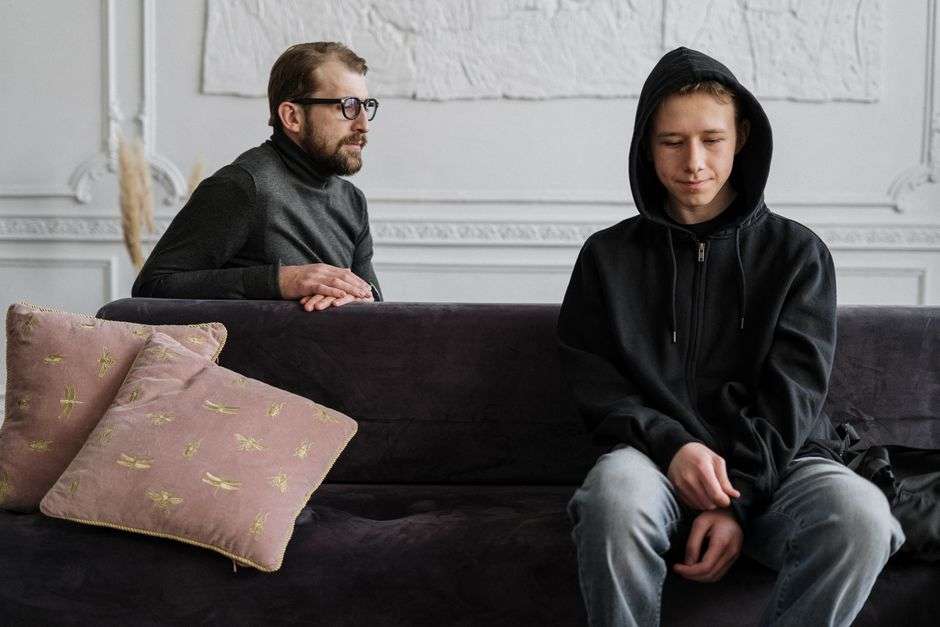
Cognitive-Behavioral Therapy (CBT)
CBT consistently shows strong research support for children and teens, particularly for anxiety and depression. This approach helps young people identify connections between thoughts, feelings, and behaviors, teaching practical skills for managing difficult emotions. The structured nature of CBT often appeals to adolescents who appreciate learning concrete strategies they can apply independently. For helpful techniques, explore Cognitive Behavioral Therapy Exercises for Anxiety.
Family-Based Interventions
Research strongly supports involving families in treatment, especially for behavioral problems and eating disorders. Family therapy approaches recognize that children exist within systems, and changing family patterns often creates more sustainable improvements than individual work alone.
Play and Creative Therapies
For younger children, play therapy shows robust research support. Children naturally express themselves through play, and this modality allows them to process experiences and emotions that they may not have words for yet. Creative approaches like art or music therapy also show promising outcomes for trauma, anxiety, and depression. To understand more about this approach, read how play-based counselling helps younger children express emotions.
Trauma-Focused Approaches
For children who have experienced trauma, specialized approaches like Trauma-Focused CBT show particularly strong evidence. These methods are specifically designed to help young people process traumatic experiences safely while building coping skills and resilience.
What Parents Can Do to Support the Process
Research indicates that family involvement significantly enhances counselling outcomes. Parents and caregivers play crucial roles in supporting their child’s therapeutic progress, both during and between sessions.
Creating a Supportive Environment
Your role in supporting counselling effectiveness includes:
- Maintaining consistency: Attend sessions regularly and support your child in practicing skills learned in therapy
- Avoiding judgment: Resist the urge to critique or analyze what your child shares about therapy sessions
- Communicating with the therapist: Share relevant information about your child’s functioning at home and school
- Being patient with the process: Meaningful change often takes time, and progress may not be linear
- Modeling emotional regulation: Children learn from observing how adults handle stress and difficult emotions
Supporting Skills Practice
Many therapeutic approaches involve homework or skill practice between sessions. Research shows that children who practice learned skills outside of therapy sessions show greater improvement. You can support this by:
- Creating regular opportunities for your child to practice coping strategies
- Recognizing and praising efforts to use new skills, even if implementation isn’t perfect
- Helping establish routines that support emotional well-being, such as regular sleep schedules and physical activity
- Working with the therapist to understand how you can reinforce therapeutic goals at home
When to Expect Results and How Progress Looks
Understanding realistic timelines for therapeutic progress helps families maintain appropriate expectations and stay committed to the process when improvements aren’t immediately apparent.
Typical Timeline Patterns
Research suggests several general patterns in how progress typically unfolds:
- Initial engagement (Sessions 1-4): Building rapport and trust with the therapist, which is crucial for all subsequent work
- Skill building phase (Sessions 4-12): Learning and practicing new coping strategies, with gradual implementation
- Integration phase (Sessions 12+): Applying skills more independently and addressing deeper underlying patterns
However, every child progresses at their own pace. Some show rapid improvement in certain areas while struggling with others. Crisis situations may require more intensive initial work, while chronic conditions might need longer-term support.
Recognizing Progress
Progress in child and teen counselling often appears in subtle ways before major changes become apparent:
- Increased emotional vocabulary and ability to identify feelings
- Small improvements in self-regulation during stressful moments
- Greater willingness to communicate about difficulties
- Gradual re-engagement with previously avoided activities
- Improved sleep, appetite, or energy levels
- Better relationships with family members or peers
According to American Psychological Association research, most children show some improvement within the first 6-8 sessions, with more substantial changes typically evident by 12-16 sessions for many conditions.
Addressing Common Concerns About Youth Counselling
Many families have understandable reservations about counselling for their children. Research and clinical experience can help address these common concerns:
Will Counselling Make Problems Worse?
Some parents worry that therapy might introduce new problems or make their child more focused on difficulties. Research consistently shows that properly conducted counselling reduces rather than increases psychological distress. Temporary increases in emotional expression early in therapy often represent the child feeling safe enough to share previously hidden struggles.
Is My Child Too Young for Therapy?
Children as young as 3-4 years old can benefit from appropriate therapeutic interventions. The key is matching the approach to the child’s developmental stage. Play therapy and other developmentally appropriate methods allow very young children to process experiences and develop coping skills.
Will Therapy Change My Child’s Personality?
Effective counselling enhances rather than changes core personality traits. The goal is helping children develop better emotional regulation and coping strategies while remaining authentically themselves. Research shows that successful therapy typically results in children feeling more like “themselves” rather than different people.
Frequently Asked Questions
Q: How long does counselling typically take for children and teens?
A: Treatment length varies significantly based on the concern being addressed and individual factors. Research suggests that many children show meaningful improvement within 12-20 sessions, though some may benefit from shorter or longer treatment periods. Acute issues might resolve more quickly, while complex trauma or chronic conditions often require longer-term support.
Q: What should I do if my child refuses to go to counselling?
A: Resistance is common and doesn’t necessarily predict poor outcomes. Many successful therapeutic relationships begin with reluctant clients. Skilled therapists are trained to work with resistance and often help children become more willing to participate over time. Starting with family sessions or allowing the child to meet the therapist informally first can sometimes help.
Q: How involved should I be in my child’s therapy sessions?
A: The level of parent involvement typically depends on the child’s age and the presenting concerns. Younger children usually benefit from more family involvement, while teenagers often need more individual space with their therapist. Your therapist will guide you on the most beneficial level of participation for your specific situation.
Q: Can counselling help with school-related problems?
A: Yes, research shows that addressing underlying emotional and behavioral concerns often leads to improvements in academic performance and school behavior. Many therapists work collaboratively with schools to ensure consistent support across environments.
Q: Is online counselling effective for children and teens?
A: Recent research, particularly accelerated during the COVID-19 pandemic, shows that telehealth counselling can be effective for many children and teens. However, younger children and those with certain conditions may benefit more from in-person services. The effectiveness often depends on the child’s comfort with technology and the specific therapeutic approach being used.
Q: How do I know if my child’s therapist is qualified?
A: Look for licensed mental health professionals with specific training in child and adolescent therapy. Many effective youth therapists have additional certifications in evidence-based treatments for specific conditions. Don’t hesitate to ask about their training and experience working with your child’s age group and presenting concerns. If you are located in the area, consider exploring Kelowna therapy options.
The research is clear: counselling can be highly effective for children and teenagers facing a wide range of emotional, behavioral, and social challenges. While every child’s journey is unique, the evidence consistently demonstrates that professional support can provide young people with valuable skills, improved emotional regulation, and better overall functioning. For families considering this option, understanding both the research support and practical aspects of youth counselling can help make informed decisions about seeking the support your child deserves.
According to comprehensive reviews published by the Cochrane Library, the benefits of counselling for young people often extend far beyond symptom reduction, contributing to improved family relationships, better academic performance, and enhanced overall quality of life. When children and teens receive appropriate therapeutic support, they often develop resilience and coping skills that serve them well throughout their lives. It’s also important to recognize that child anxiety shows up differently than adult anxiety, requiring specialized understanding and approaches.