Bullying and cyberbullying: how counselling helps children and teens
When your child comes home with torn clothing, unexplained bruises, or suddenly refuses to go to school, your heart sinks. When they become withdrawn, their grades plummet, or they seem afraid of their own phone, you know something is deeply wrong. For many families today, these changes signal that their child is experiencing bullying or cyberbullying—experiences that can leave lasting emotional scars without proper support and intervention. For more information, see our couples counselling.
As a mental health professional, I’ve witnessed firsthand how bullying affects not just the immediate wellbeing of children and teens, but their long-term relationship with themselves, their peers, and their sense of safety in the world. The good news is that with understanding, practical strategies, and professional support when needed, young people can not only recover from these experiences but develop resilience that serves them throughout their lives.
Understanding Bullying and Cyberbullying in Today’s World
Bullying is fundamentally about power imbalance. It involves repeated, intentional aggressive behavior where someone with more power—whether physical strength, social status, or access to embarrassing information—targets someone they perceive as vulnerable. This behavior can be physical, verbal, relational (excluding someone from groups), or increasingly common today, digital.
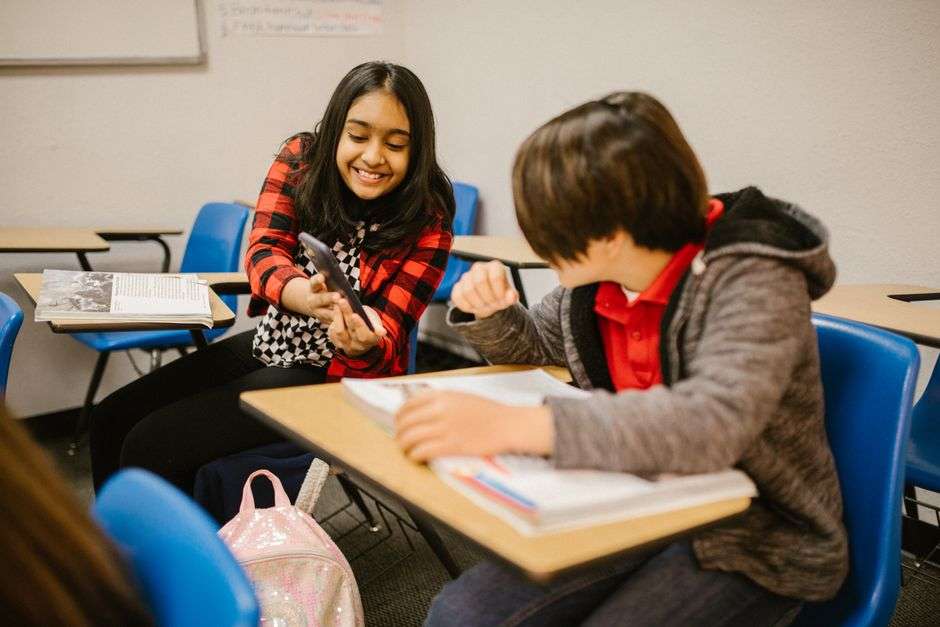
Cyberbullying extends traditional bullying into the digital realm, where harmful behavior occurs through electronic devices like smartphones, computers, and gaming platforms. Unlike schoolyard bullying that ended when the school day finished, cyberbullying can follow children home, creating a 24/7 environment of potential harassment.
Why Bullying Happens
Understanding why bullying occurs helps us respond more effectively. Research shows several contributing factors:
- Power dynamics: Children who bully often seek to establish or maintain social dominance
- Learned behaviors: Some young people model aggressive behaviors they’ve witnessed at home or in media
- Insecurity and trauma: Many children who engage in bullying behavior are themselves struggling with feelings of inadequacy or past traumatic experiences
- Group dynamics: Peer pressure and the desire to fit in can lead to participation in bullying behaviors
- Lack of empathy skills: Some children haven’t yet developed the ability to understand how their actions affect others
The digital age has amplified these dynamics. Social media platforms can create environments where harmful behavior feels anonymous or distant from real consequences. The permanence of digital communication means hurtful messages can be screenshot, shared, and revisited repeatedly, intensifying their impact.
Recognizing the Signs: What Parents and Caregivers Should Watch For
Children and teens often don’t directly report bullying experiences. Sometimes they feel ashamed, fear retaliation, or worry that adults won’t understand or will make the situation worse. Learning to recognize subtle signs can help you identify when a young person needs support.
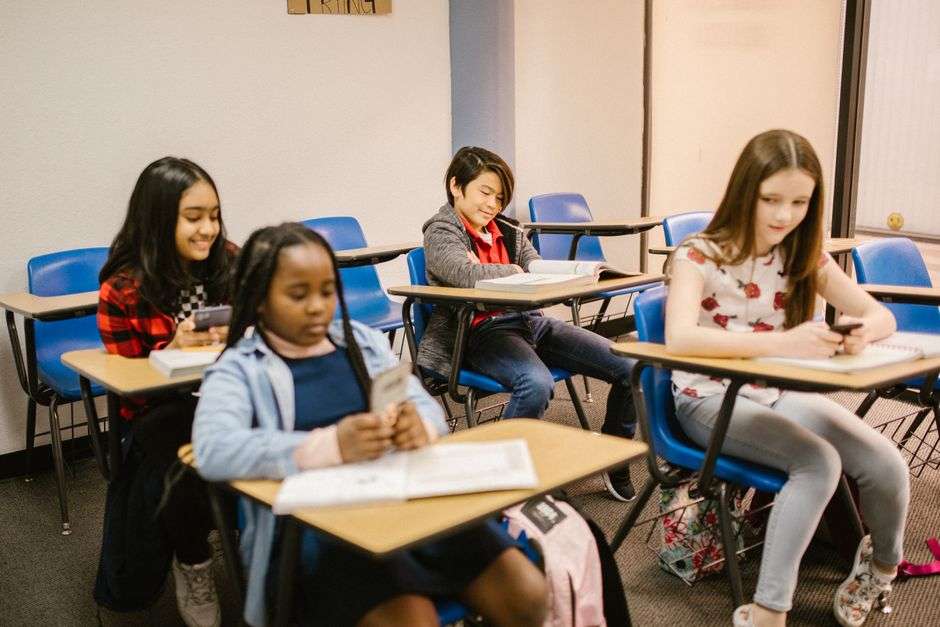
Emotional and Behavioral Changes
- Mood changes: Increased irritability, sadness, or anxiety, especially around school times
- Sleep disturbances: Difficulty falling asleep, nightmares, or sleeping much more than usual
- Loss of interest: Withdrawing from activities they previously enjoyed
- Social withdrawal: Avoiding friends or social situations
- Academic changes: Declining grades, difficulty concentrating, or school avoidance
- Physical complaints: Frequent headaches, stomach aches, or other unexplained physical symptoms
Digital Red Flags
For cyberbullying specifically, watch for:
- Sudden reluctance to use devices they previously enjoyed
- Appearing upset after using their phone or computer
- Quickly closing screens when others approach
- Receiving calls or messages that cause distress
- Dramatic changes in social media use or online friendships
Real-Life Examples
Consider Maya, a 13-year-old who was academically successful and socially confident until a group of classmates began spreading rumors about her online. What started as mean comments on her social media posts escalated to fake accounts being created to impersonate and humiliate her. Maya’s parents noticed she stopped wanting to go to friends’ houses, her grades began slipping, and she became secretive about her phone use.
Or take Alex, a 15-year-old who came out as transgender and began experiencing both in-person harassment and coordinated online attacks. Classmates created group chats specifically to mock and threaten Alex, shared private information without consent, and used social media to organize exclusion from school activities. Alex’s family noticed increased isolation, anxiety around school attendance, and what appeared to be symptoms of depression. These are all potential signs your teen may benefit from counselling.
These examples illustrate how modern bullying often combines traditional and digital elements, creating complex situations that require comprehensive support strategies.
Practical Strategies for Supporting Your Child
When you suspect or discover your child is experiencing bullying, your response can significantly impact their recovery and future resilience. Here are evidence-based approaches that can help:
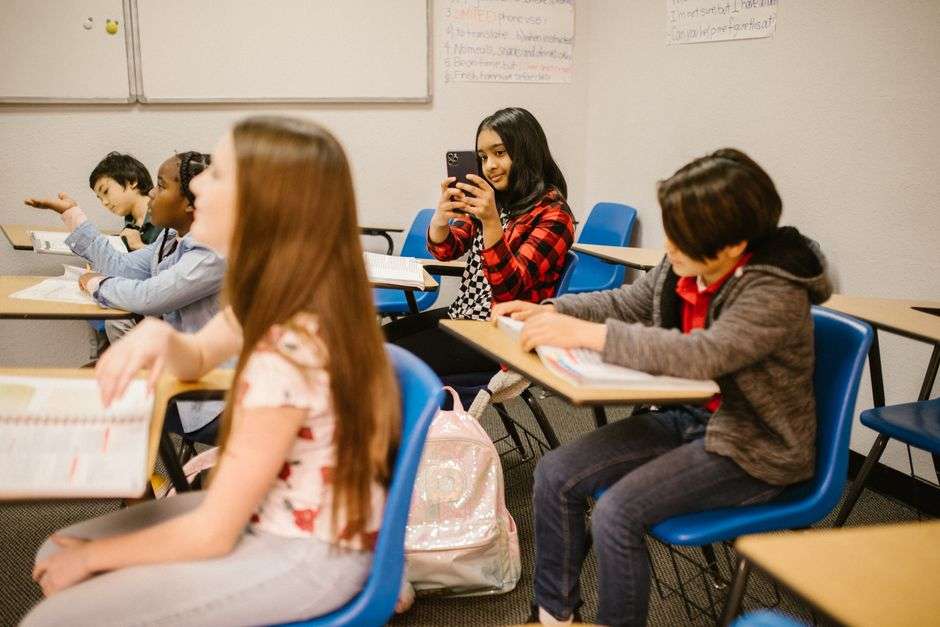
Creating Safety and Open Communication
Listen without immediately problem-solving. When children share difficult experiences, they often need to feel heard before they’re ready for solutions. Avoid jumping to “here’s what we’ll do” and instead focus on understanding their experience.
Validate their feelings. Statements like “That sounds really hard” or “I can understand why you’d feel upset” help children feel supported rather than judged.
Ask open-ended questions. Instead of “Who’s bullying you?” try “Can you tell me more about what’s been happening?” This approach gives children more control over how much they share.
Practical Safety Planning
Develop concrete safety strategies together:
- Identify trusted adults at school your child can approach
- Practice responses to bullying situations through role-playing
- Create plans for both physical and digital safety
- Establish check-in times when your child can contact you during school
For cyberbullying specifically:
- Document harassment by taking screenshots before blocking or deleting
- Review privacy settings on all social media accounts
- Consider temporary breaks from social media platforms
- Report serious threats to platform administrators and local authorities when appropriate
Building Resilience and Self-Worth
Focus on your child’s strengths. Bullying experiences can damage self-esteem, so intentionally highlighting your child’s positive qualities and achievements helps rebuild their sense of self-worth.
Encourage connections outside the bullying environment. Sports teams, hobby groups, volunteer opportunities, or community organizations can provide positive social experiences and remind your child that they have value and can form meaningful relationships.
Teach emotional regulation skills. Help your child develop healthy ways to cope with difficult emotions through techniques like deep breathing, physical exercise, creative expression, or mindfulness practices.
Working with Schools
Effective school collaboration often makes the difference between ongoing harassment and successful intervention:
- Document incidents thoroughly with dates, times, witnesses, and specific details
- Request written responses from school administrators about their investigation and action plans
- Understand your school’s anti-bullying policies and reference them in communications
- Maintain regular communication rather than waiting for problems to escalate
When Professional Counselling Support Becomes Essential
While family support and school intervention can address many bullying situations, professional counselling provides specialized tools and perspectives that can be crucial for recovery and long-term wellbeing. If you’re seeking Kelowna therapy, our team is equipped to help.
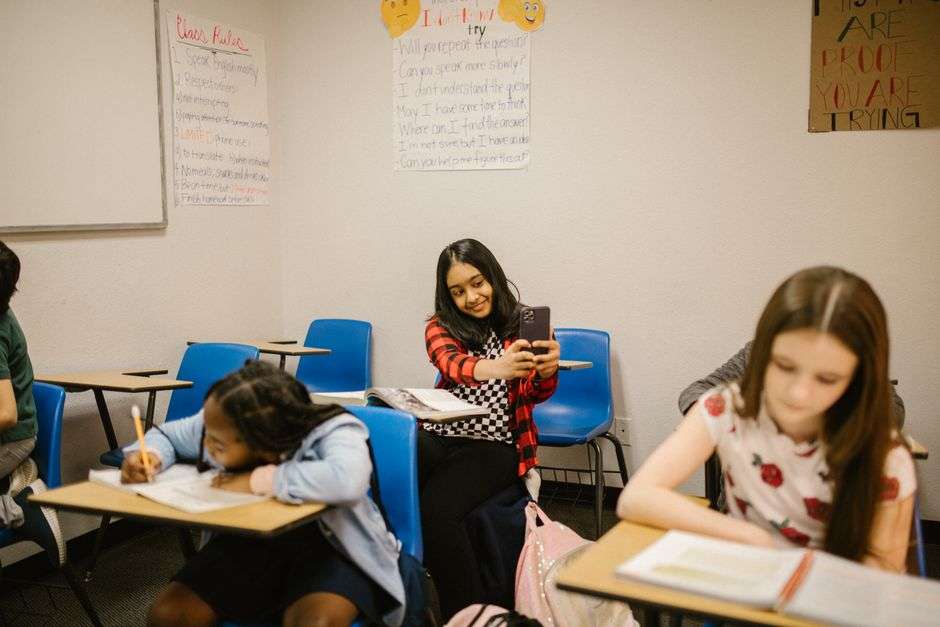
Signs That Professional Support Would Be Helpful
Consider seeking counselling support when you notice:
- Persistent symptoms of anxiety or depression that don’t improve with time and support
- Significant changes in eating or sleeping patterns
- Self-harm behaviors or expressions of not wanting to live
- Complete withdrawal from social activities and relationships
- Declining academic performance that doesn’t respond to interventions
- Aggressive behavior toward family members or peers
- Substance use as a coping mechanism
How Counselling Specifically Helps
Trauma-informed treatment: Bullying experiences can be traumatic, and counsellors trained in trauma therapy can help children process these experiences safely and develop healthy coping mechanisms.
Cognitive-behavioral strategies: Counselling helps young people identify and change negative thought patterns that bullying experiences often create, such as “I deserve this treatment” or “I’m worthless.” You can explore useful Cognitive Behavioral Therapy exercises for anxiety that we often recommend.
Social skills development: Many children benefit from explicit instruction in assertiveness, boundary-setting, and healthy relationship skills that can protect them from future victimization.
Family therapy approaches: Sometimes involving the whole family in treatment helps create more effective support systems and addresses any family dynamics that might be contributing to a child’s vulnerability.
Anxiety and depression treatment: When bullying experiences trigger mental health conditions, specialized treatment for these conditions becomes essential for recovery.
Types of Therapeutic Approaches
Different therapeutic modalities can be effective for different children:
- Play therapy for younger children who process experiences through creative expression
- Cognitive-behavioral therapy (CBT) for teens ready to examine thought patterns and develop coping strategies
- EMDR (Eye Movement Desensitization and Reprocessing) for children experiencing trauma symptoms
- Group therapy to help children understand they’re not alone and practice social skills in a safe environment
Supporting Recovery and Building Future Resilience
Recovery from bullying experiences isn’t just about stopping the immediate harm—it’s about helping children develop the emotional tools and self-understanding that will serve them throughout their lives.
Long-term Healing Focuses
Rebuilding trust in relationships: Bullying experiences can damage a child’s ability to trust peers and form healthy relationships. Counselling helps children learn to identify trustworthy people and develop appropriate boundaries.
Developing emotional intelligence: Children who have experienced bullying often benefit from explicit instruction in recognizing, understanding, and managing emotions—both their own and others’.
Creating meaning from difficult experiences: While we never want children to experience bullying, counselling can help them understand how their experiences have contributed to their empathy, strength, and ability to support others.
Prevention for the Future
Therapeutic work also focuses on preventing future victimization through:
- Building assertiveness skills and confidence
- Developing strong peer relationships and support networks
- Learning to recognize early warning signs of problematic relationships
- Building digital literacy and safe online relationship skills
Frequently Asked Questions
How long does it typically take for children to recover from bullying experiences?
Recovery timelines vary significantly depending on the severity and duration of the bullying, the child’s existing coping skills, and the support systems available. Some children bounce back within a few months with good support, while others may need longer-term therapeutic intervention. The key is providing consistent support and professional help when needed, rather than expecting children to “just get over it” on their own.
Should I encourage my child to stand up to bullies?
This depends entirely on the situation and your child’s personality and capabilities. For some children, learning assertiveness skills and practicing confident responses can be empowering. For others, especially when physical safety is at risk or power imbalances are significant, focusing on seeking help from trusted adults is more appropriate. A counsellor can help assess what approach makes sense for your specific child and situation.
How do I know if my child needs therapy or if family support is enough?
Professional support becomes important when bullying experiences are significantly impacting your child’s daily functioning, mental health, or development. If you’re seeing persistent changes in sleep, appetite, school performance, or social relationships, or if your child is expressing hopelessness or self-harm thoughts, professional counselling is recommended. Even if the situation seems manageable, a few counselling sessions can provide valuable tools and assessment of your child’s needs.
Can cyberbullying be as harmful as in-person bullying?
Research consistently shows that cyberbullying can be equally or even more harmful than traditional bullying. The 24/7 nature of digital harassment, the potential for viral spread of humiliating content, and the sense of no escape can intensify the psychological impact. Additionally, the apparent anonymity of online spaces can lead to more extreme behavior from perpetrators.
What if my child is both being bullied and engaging in bullying behavior?
This situation, sometimes called “bully-victims,” is more common than many people realize. Children who are victimized sometimes turn to bullying others as a way of regaining power or expressing their pain. This dynamic requires comprehensive support that addresses both the harm they’re experiencing and helps them develop healthier ways of coping with difficult emotions. Professional counselling is particularly helpful in these complex situations. Bullying can also lead to child anxiety, which can manifest differently compared to adults.
Bullying and cyberbullying represent serious challenges that can significantly impact young people’s mental health, academic performance, and social development. However, with understanding, appropriate support strategies, and professional counselling when needed, children and teens can not only recover from these experiences but develop increased resilience and emotional intelligence that benefits them throughout their lives.
Remember that seeking professional support isn’t a sign that you’ve failed as a parent—it’s a sign that you’re taking your child’s wellbeing seriously and accessing all available resources to help them thrive. Every child deserves to feel safe, valued, and supported as they navigate the challenges of growing up in our interconnected world.