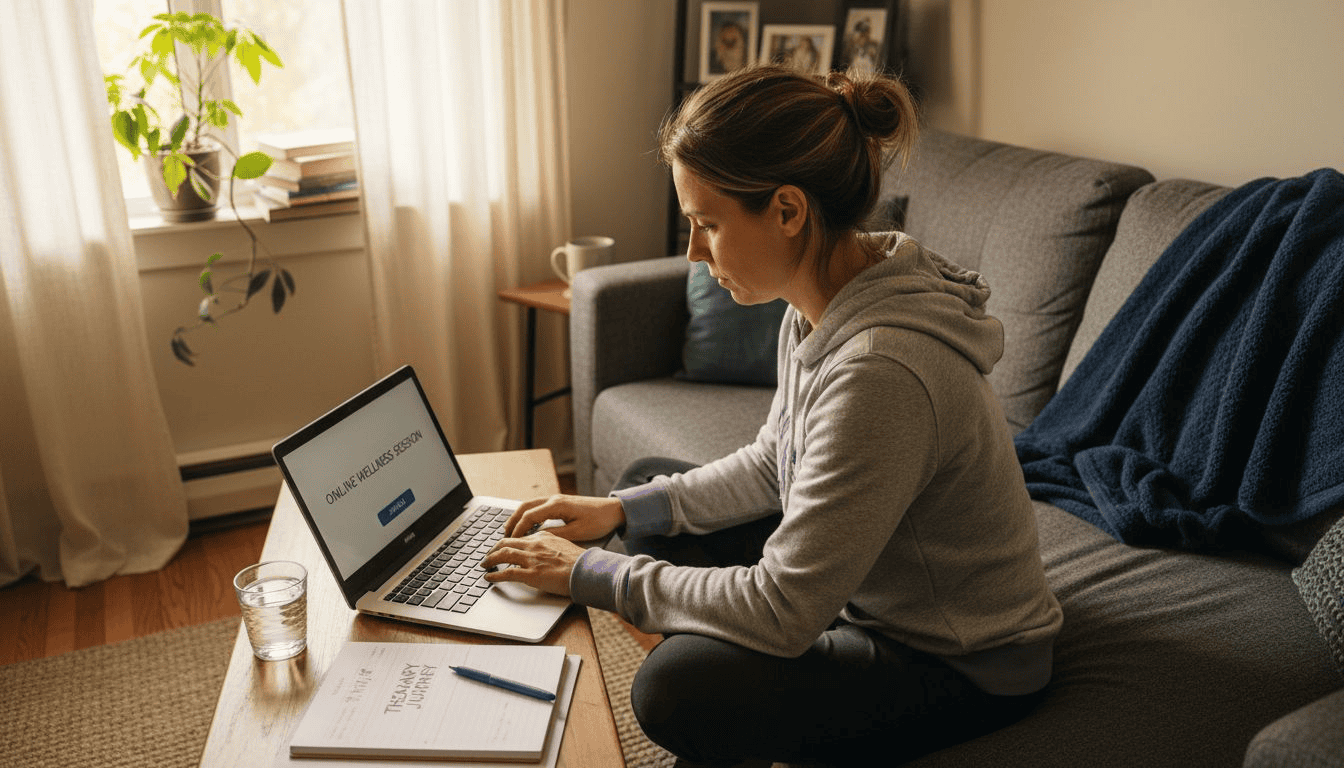
Facing your first online therapy session can feel intimidating, especially when anxiety or depression already weigh heavy on your mind. The right environment and preparation make a significant difference, supporting your sense of emotional safety and control throughout the process. With practical steps for setting up privacy, testing your devices, and mentally preparing, you can create a calmer, more effective space for your personal growth—and approach therapy with confidence that your needs will be respected.
Table of Contents
- Step 1: Set Up Your Private Therapy Space
- Step 2: Test Your Internet And Devices
- Step 3: Organize Your Session Materials
- Step 4: Clarify Your Therapy Goals
- Step 5: Verify Comfort And Readiness
Quick Summary
| Key Insight | Explanation |
|---|---|
| 1. Create a Comfortable Space | A designated therapy space enhances emotional safety, allowing you to engage fully during sessions. |
| 2. Test Your Technology | Ensure a stable internet connection and functional devices to prevent interruptions during therapy. |
| 3. Organize Essential Materials | Having notes, water, and tissues nearby reduces anxiety and ensures a smooth session experience. |
| 4. Set Clear Therapy Goals | Define specific objectives for therapy to give direction and motivation throughout the counselling process. |
| 5. Prepare Emotionally | Check your emotional readiness, acknowledge feelings, and affirm your commitment to personal growth before the session. |
Step 1: Set Up Your Private Therapy Space
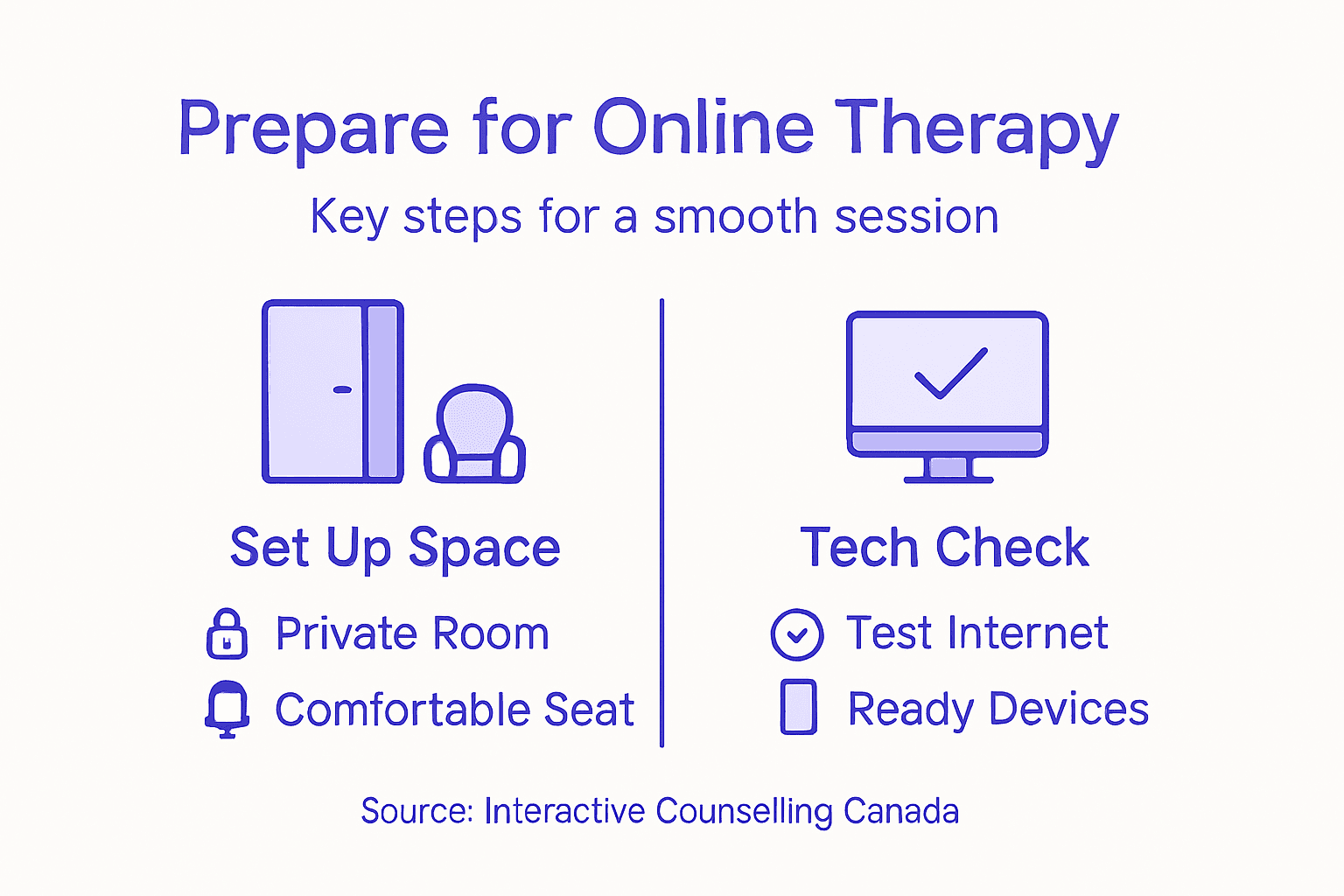
Creating a dedicated and comfortable online therapy space is crucial for maximizing your therapeutic experience. A well-designed environment supports emotional safety and helps you feel secure during your counselling sessions.
Start by identifying a private location in your home where you can speak openly without interruptions. This might mean a quiet bedroom, home office, or even a calm corner with minimal background noise. Setting up a therapeutic sanctuary requires thoughtful consideration of several key elements.
Here are essential components for your therapy space:
- Ensure complete privacy – Choose a room where others cannot overhear your conversation
- Use noise-cancelling headphones to minimise external sounds
- Position yourself facing a neutral background for professional video sessions
- Have comfortable seating with good back support
- Ensure stable, high-speed internet connection
- Position your camera at eye level for natural interaction
- Keep water, tissues, and a notebook nearby
Lighting and ambience also matter significantly. Select a space with warm, soft lighting that feels comfortable but not too dim. Natural light can help create a sense of openness and calm.
A dedicated therapy space signals to your brain that this is a time for focused, personal work and emotional exploration.
Pro tip: Consider using a room divider, folding screen, or strategically placed houseplant to create a sense of privacy even in shared living spaces.
Here is a quick reference comparing privacy solutions for shared living spaces:
| Privacy Solution | Cost Estimate | Aesthetic Impact | Ease of Use |
|---|---|---|---|
| Room divider | $50–$150 | Adds decorative touch | Simple setup |
| Folding screen | $40–$120 | Versatile style | Portable, flexible |
| Houseplant | $20–$80 | Natural ambience | Minimal maintenance |
Step 2: Test Your Internet and Devices
Before your online therapy session, conducting a thorough technology check ensures a smooth and uninterrupted experience. Preparation is key to maintaining a professional and comfortable therapeutic environment.
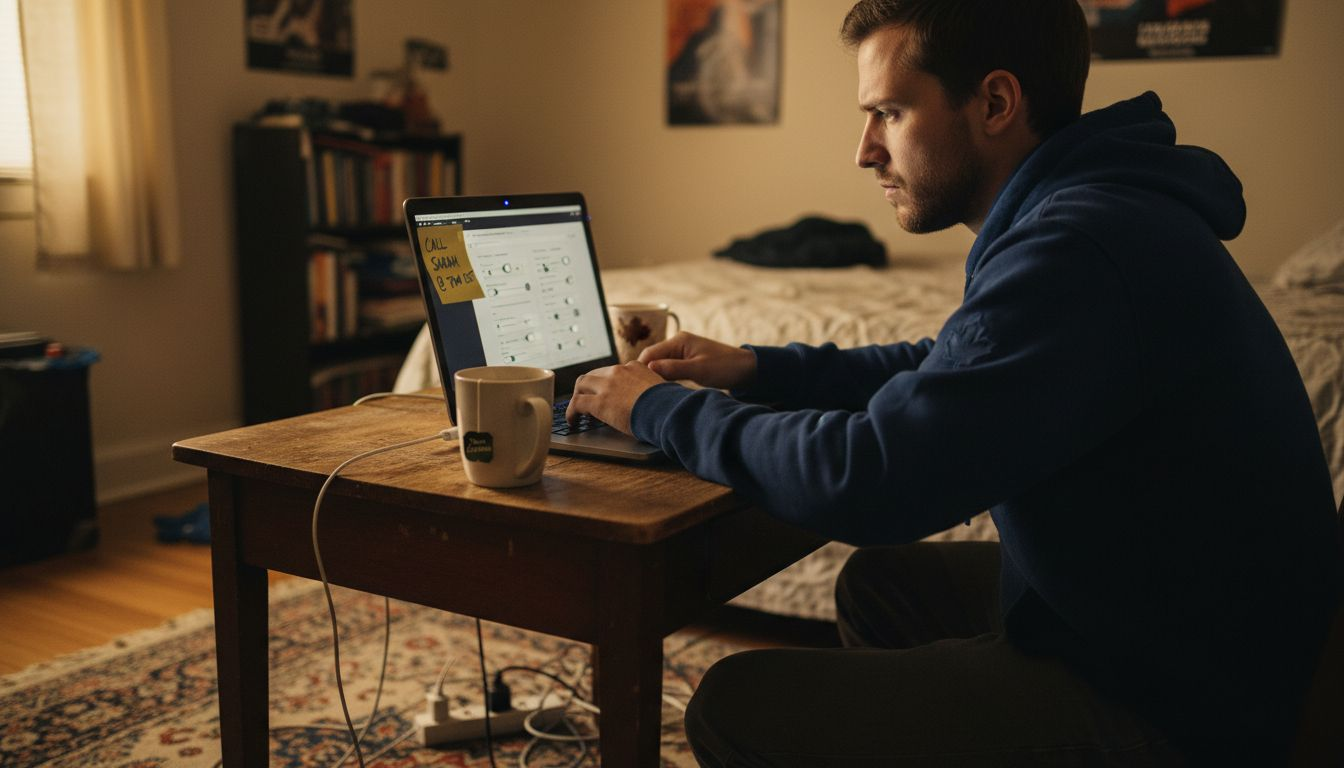
Canadian internet performance testing helps you verify your connection’s stability and speed. A reliable internet connection forms the foundation of successful online counselling, preventing frustrating technical disruptions during sensitive conversations.
Here are critical steps to test your devices and internet connection:
- Run an online internet speed test
- Check your download and upload speeds (minimum 5 Mbps recommended)
- Test your video conferencing software beforehand
- Verify webcam and microphone functionality
- Use wired ethernet connection if possible for more stability
- Close unnecessary background applications
- Restart your router before the session
Ensure your devices are fully charged or plugged in, and position your camera at eye level for the most natural interaction. A stable, clear connection demonstrates your commitment to the therapeutic process.
Technical preparedness reduces anxiety and allows you to focus entirely on your therapeutic journey.
Pro tip: Keep your device charger nearby and consider having a backup device or mobile hotspot ready in case of unexpected connection issues.
Step 3: Organize Your Session Materials
Preparing your session materials in advance helps create a smooth, focused therapeutic experience. Mental preparation meets practical organisation when you thoughtfully gather everything you might need during your online counselling session.
Your session materials are more than just physical items – they represent your commitment to personal growth and emotional exploration. Gathering these resources beforehand reduces anxiety and allows you to enter the session feeling confident and ready.
Here are essential materials to have within reach:
- A notebook or journal for taking notes
- Comfortable writing implement
- Water glass or water bottle
- Box of tissues
- Any prescribed medications you might discuss
- List of current symptoms or concerns
- Relevant medical or personal documents
Position these items strategically near your computer, ensuring they are easily accessible without causing disruption during the session. Arrange them in a way that feels comfortable and minimally distracting.
Thoughtful preparation transforms your online therapy session from a potential source of stress into an opportunity for meaningful personal insight.
Pro tip: Create a dedicated folder on your computer or device to store therapy-related documents, making them quickly retrievable during your session.
Step 4: Clarify Your Therapy Goals
Defining clear, meaningful goals transforms your therapy from a vague process into a targeted journey of personal growth. Intentional goal setting provides direction and purpose to your therapeutic experience, helping you and your therapist create a roadmap for meaningful change.
To effectively clarify your therapy goals, start by reflecting deeply on what motivated you to seek counselling. Finding the right therapist begins with understanding your own needs, challenges, and desired outcomes. Consider both short-term and long-term objectives that address your emotional, mental, and personal development.
Here are strategies to help you articulate your therapy goals:
- Identify specific areas of concern or challenges
- Reflect on patterns you want to change
- Consider what emotional or behavioural improvements you seek
- Think about relationships you want to improve
- Determine measurable outcomes
- Be honest about your current struggles
- Remain open to exploring unexpected insights
Prepare to discuss your goals during the first session, but also remain flexible. Therapy is a collaborative process, and your goals may evolve as you gain deeper self-understanding.
Your therapy goals are a compass, not a rigid map – they guide you while allowing space for unexpected discoveries.
Pro tip: Write down your initial goals before the first session, but be prepared to discuss and refine them with your therapist.
Step 5: Verify Comfort and Readiness
Preparing emotionally and mentally for your online therapy session is just as crucial as setting up your technical environment. Psychological readiness determines how effectively you’ll engage with your therapeutic process and maximize each session’s potential.
Comfort and readiness involve checking in with yourself about your emotional state, expectations, and willingness to be vulnerable. How long therapy usually takes can influence your approach, so understanding your commitment level is important. Take time to centre yourself and create mental space for the upcoming conversation.
Consider these self-assessment strategies:
- Check your current emotional temperature
- Acknowledge any anxiety or hesitation
- Confirm you feel safe and supported
- Assess your energy levels
- Validate your reasons for seeking therapy
- Ensure you have emotional bandwidth
- Remind yourself that vulnerability is strength
Emotional preparation means creating internal permission to be authentic and open. Recognize that feeling nervous is completely normal and doesn’t diminish your courage in seeking support.
Readiness is not about being perfect, but about being willing to take the next step in your healing journey.
Pro tip: Practice a brief breathing or grounding exercise immediately before your session to centre yourself and reduce pre-therapy jitters.
The following table summarizes how each step supports a successful online therapy session:
| Step | Primary Focus | Benefit to Client | Example Outcome |
|---|---|---|---|
| 1. Set Up Space | Physical environment | Boosts privacy, comfort | Feels safe, relaxed |
| 2. Test Internet | Technical reliability | Prevents interruptions | Uninterrupted session |
| 3. Organize Materials | Practical preparation | Reduces anxiety, increases confidence | Easy access to notes |
| 4. Clarify Goals | Mental clarity | Enables direction, motivation | Clear objectives |
| 5. Verify Readiness | Emotional preparation | Fosters engagement, vulnerability | Openness to growth |
Prepare for Online Therapy with Confidence Through Expert Support
Navigating the steps to prepare for online therapy in Canada can feel overwhelming. Whether you are setting up a private space, testing your internet connection, or clarifying your therapy goals, it is vital to feel fully supported and ready. Key challenges like ensuring emotional safety, technological reliability, and mental clarity demand personalised care that recognises your unique needs. This is why thoughtful preparation matters so much in building a trusting therapeutic relationship.
At Interactive Counselling, we understand the importance of making each online session comfortable, secure, and effective. Our experienced therapists across Kelowna, Vernon, Grande Prairie, Penticton, and online nationwide provide compassionate and flexible services tailored to your individual goals and emotional readiness. For practical guidance and ongoing mental health resources, explore our General – Interactive Counselling category to empower yourself at every step. Start your healing journey today by visiting Interactive Counselling and booking a session designed with your preparation and well-being in mind.
Frequently Asked Questions
How can I create a comfortable online therapy space at home?
Creating a comfortable online therapy space begins with selecting a private location in your home free from interruptions. Set up comfortable seating, ensure adequate lighting, and maintain a neutral background for video sessions.
What should I do to test my internet connection before an online therapy session?
To test your internet connection, run an online speed test to check your download and upload speeds, aiming for at least 5 Mbps. Ensure your devices are charged, and consider using a wired connection for better stability during your session.
What materials should I prepare before my online therapy session?
Prepare a notebook, writing implement, and any relevant documents or lists of symptoms you wish to discuss. Having these materials within reach will help reduce anxiety and allow for a smoother session experience.
How do I define clear goals for my therapy?
To define your therapy goals, reflect on the specific challenges or emotions you want to address. Write down your goals before the first session to give you direction, and be open to discussing and refining them with your therapist.
How can I emotionally prepare for my online therapy session?
Emotional preparation involves checking in with yourself about your current feelings and acknowledging any hesitations. Practicing a brief breathing or grounding exercise right before your session can help centre you and reduce anxiety.
Recommended
- Step-by-Step Guide to Online Therapy Sessions for Canadians
- Why Try Online Therapy: Complete Guide to Benefits – Interactive Counselling
- How to Start Therapy in Canada: A Simple Step-by-Step Guide
- How to Access Online Counselling: Step-by-Step Guide – Interactive Counselling