Life is a series of transitions: changing careers, navigating relationships, grieving a loss, or starting a new family. While change is universal, the environment in which it happens can dramatically alter its impact. In tight-knit communities, these periods can feel intensely challenging. This is especially true when you're wondering why life transitions feel heavier in smaller communities, where high visibility and overlapping social circles can make personal struggles feel like public events. The lack of anonymity means that navigating a divorce, managing grief, or coping with anxiety can feel like it's happening under a community microscope. For more information, see our Vernon couples counselling.
Navigating significant life shifts often involves extensive personal preparation. Considerations around preparing for the next chapter of life after a divorce, for instance, can be particularly demanding regardless of community size. This article explores seven key reasons why these shifts often carry more weight in smaller towns, offering compassionate insights and practical strategies to help you find resilience and the confidential support options you deserve. For more information, see our counselling in Vernon.
1. Limited Access to Mental Health Resources and Specialized Services
In larger urban centres, finding a counsellor or specialized service is often a matter of choice. In a smaller community, it's a matter of availability. This scarcity is a primary reason why life transitions feel heavier in smaller communities, as individuals often face significant barriers when they need support the most. For more information, see our couples counselling.
When you’re navigating a major life change like a separation, career shift, or grieving a loss, the search for help can become an added stressor. You might encounter long waitlists for public services or discover that the nearest specialist for trauma-informed care or child-specific therapy is a long drive away. This delay can intensify feelings of isolation and overwhelm, leaving you to manage complex emotions without professional guidance precisely when you need it. The high visibility in small towns means your struggles can feel public, making the search for private, confidential support options even more crucial.
Putting Solutions into Practice
Overcoming these geographic limitations is possible with a proactive approach.
Explore Virtual Counselling: Telehealth and phone sessions connect you with qualified therapists across the province, eliminating travel time and expanding your options far beyond what is locally available.
Ask About Specializations: When you contact a potential counsellor, ask specifically about their experience with your situation. Inquire about evidence-informed approaches they use for transitions like divorce, grief, or parenting challenges.
Combine Your Supports: Professional counselling is a powerful tool, but it doesn’t have to be your only one. Pair it with local community support groups or online forums to build a multi-layered network of care.
2. High Social Visibility and Privacy Concerns
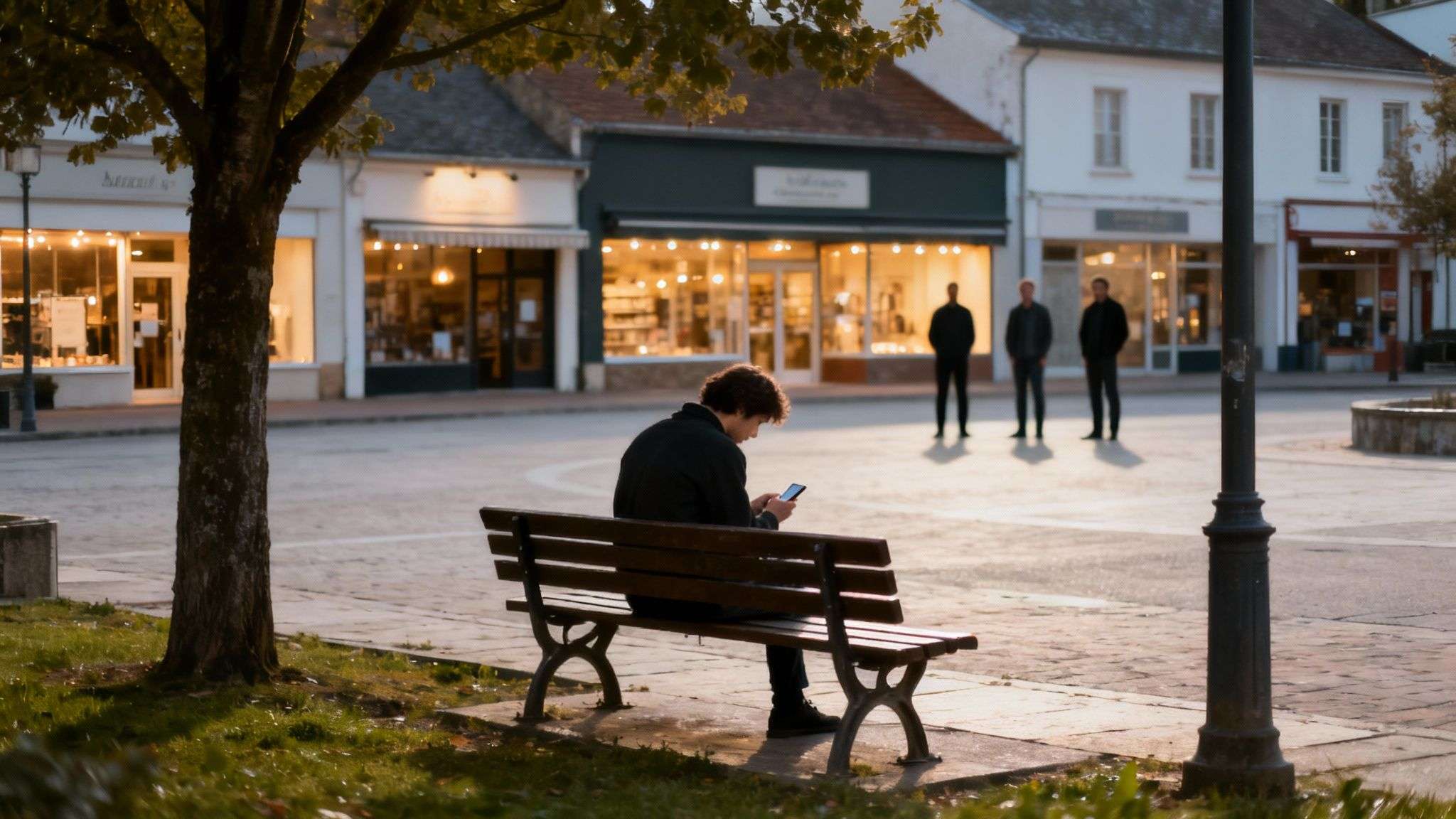
In a larger city, anonymity is a given. In a small town, everyone seems to know everyone else, and this high social visibility is a key reason why life transitions feel heavier in smaller communities. Overlapping social circles mean the line between your personal and public life is blurred, making the thought of seeking help for a private struggle like a divorce, parenting conflict, or grief feel incredibly daunting.
This persistent lack of privacy can create significant hesitation. You might worry that being seen entering a counsellor’s office will lead to gossip or judgment, affecting your reputation, professional life, or even your children’s social standing at school. The fear of being labelled or having your private challenges become public knowledge can prevent you from reaching out during a critical time. This heightened social awareness can make navigating personal struggles feel far more complicated, as the need for confidentiality clashes with the transparent nature of small-town life in Vernon.
Putting Solutions into Practice
You can protect your privacy and get the support you need, even in a close-knit community.
Prioritize Virtual Counselling: Online or phone-based therapy sessions offer complete confidentiality. You can connect with a qualified professional from the comfort and privacy of your own home, removing any concerns about being seen.
Confirm Confidentiality Protocols: Before your first session, ask a potential counsellor to explain their privacy and confidentiality policies. Understanding these professional and legal obligations can provide significant peace of mind.
Look Beyond Your Immediate Area: If you prefer in-person sessions but worry about local visibility, consider a therapist in a neighbouring town. This small amount of distance can create a comfortable buffer.
3. Interconnected Social Networks and Relationship Complexity
In a close-knit community, personal lives and social circles are deeply intertwined. A major life transition isn't an isolated event; it sends ripples through a complex web of shared relationships. This is a key reason why life transitions feel heavier in smaller communities, where a divorce, family conflict, or career change is rarely a private matter. The lack of anonymity means navigating these shifts under the watchful eye of neighbours, colleagues, and acquaintances who are often connected to everyone involved.
When co-parents attend the same school events or when newly blended families face public scrutiny, the emotional weight intensifies. You aren’t just managing the primary challenge; you are also managing the social fallout. This includes navigating awkward encounters at the grocery store, dealing with friends who feel caught in the middle, and handling the compounding grief that comes with losing not just a primary relationship but also parts of your extended social network.

Putting Solutions into Practice
Managing relationship complexity requires intentional strategies to protect your emotional well-being.
Establish Clear Boundaries: It is okay to decide what you will and will not discuss with community members. Prepare a simple, polite phrase like, "I appreciate your concern, but this is a private family matter."
Seek Mediation for Co-Parenting: A neutral third party can help you and your co-parent create a structured communication plan. This minimizes public conflict and ensures decisions are focused on the children’s best interests, not community opinion.
Prioritize Family Systems Therapy: For blended families or those navigating estrangement, a counsellor experienced in family systems can provide tools to manage group dynamics, improve communication, and build new, healthy relationship structures. These skills are crucial for learning how to communicate better in relationships when under social pressure.
4. Economic Interdependence and Limited Career Mobility
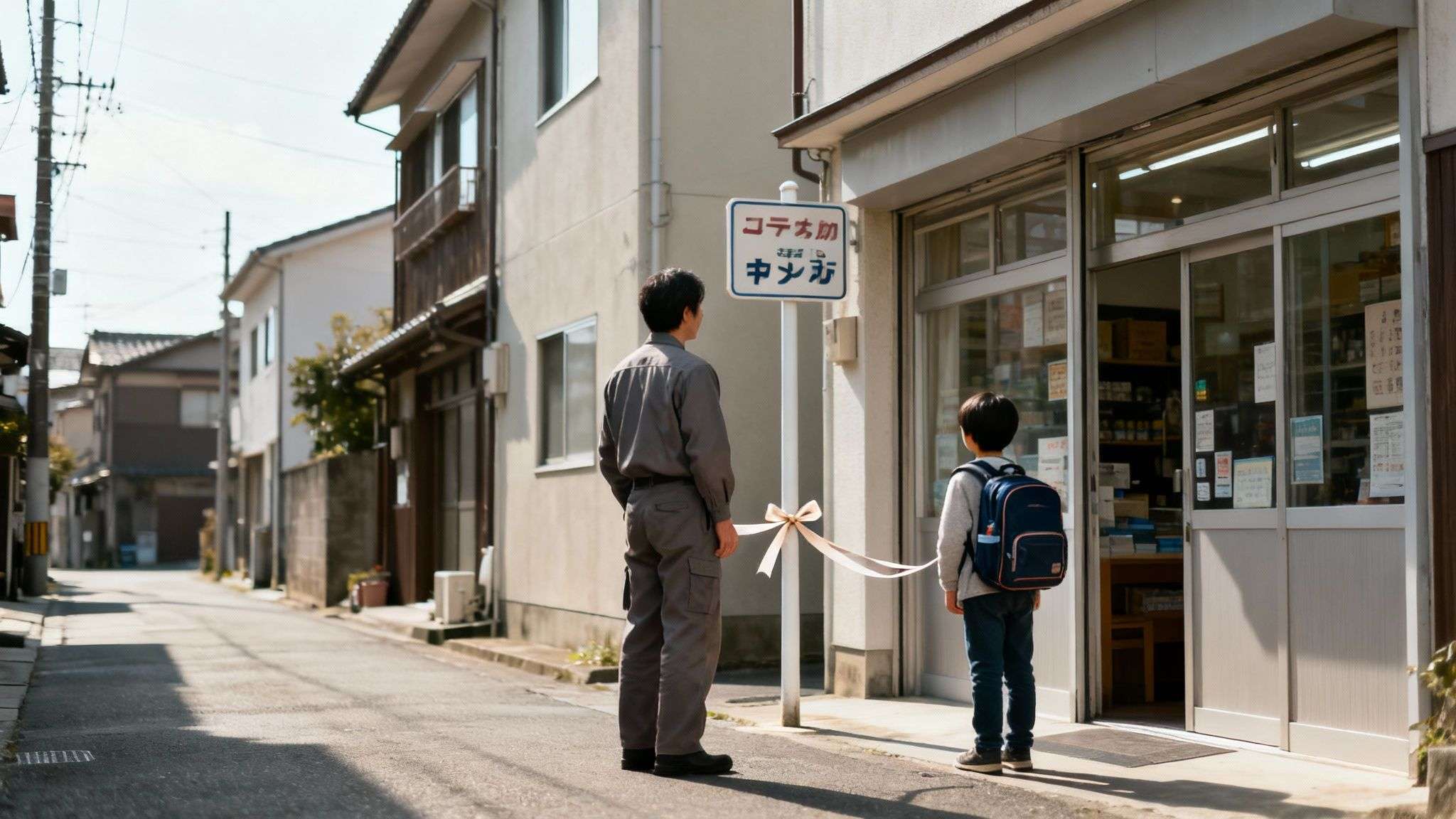
In major urban centres, your professional life and personal life can exist in separate worlds. In a smaller community, they are often deeply intertwined. This economic interdependence is a key reason why life transitions feel heavier in smaller communities, as personal changes can have direct and immediate professional consequences.
When major employers are few and family businesses are common, transitions like a separation, job loss, or career change are not just emotional events; they are economic ones. The fear of navigating a limited job market or encountering an ex-partner at one of the few large workplaces can keep people in unhealthy situations. The high visibility in small towns means your personal struggles, especially those affecting your finances or career, can become public knowledge, magnifying the pressure and anxiety.
Putting Solutions into Practice
Navigating economic anxieties during a life change requires both practical planning and emotional support.
Address Financial Anxiety: Work with a counsellor who can help you manage the anxiety and stress tied to financial uncertainty. Evidence-informed therapies can build resilience and improve your ability to cope with economic pressures during your transition.
Explore Mediation: For separations or divorces, consider mediation services. A neutral third party can help you and your former partner navigate economic decisions logically, protecting your financial interests and reducing workplace conflicts.
Develop a Parallel Plan: Combine emotional support with practical financial planning. While therapy helps you manage the mental toll, creating a budget, exploring career options, or seeking financial advice provides a tangible path forward, giving you a greater sense of control.
5. Lack of Anonymity and Witness Culture in Public Spaces
In a large city, you can navigate your day with a comforting sense of anonymity. In smaller communities, this privacy dissolves, creating a “witness culture” where personal struggles often unfold in public view. This lack of anonymity is another reason why life transitions feel heavier in smaller communities, turning private pain into a public spectacle.
When experiencing a grief crisis at the grocery store or managing a panic attack downtown, you’re likely to see people you know. This constant visibility intensifies feelings of self-consciousness and shame, creating immense pressure to appear ‘fine’ even when you’re falling apart. In a place like Vernon, where social circles often overlap, the feeling of being perpetually watched can lead to emotional suppression. Instead of processing grief or anxiety openly, individuals may isolate themselves to avoid judgment or unsolicited advice, making an already difficult transition feel even more burdensome.
Putting Solutions into Practice
Managing your emotional well-being in a high-visibility environment requires creating private spaces for yourself.
Seek Private Processing Spaces: Virtual or phone counselling offers a secure, confidential environment to explore difficult emotions without fear of community awareness. This privacy is essential for honest self-reflection.
Develop Grounding Techniques: Work with a therapist to learn grounding exercises you can use to manage anxiety or overwhelming emotions when you’re in public. These discreet techniques can help you feel more in control.
Build Resilience to Shame: A counsellor can help you develop strategies to build resilience against feelings of shame and self-consciousness, allowing you to navigate public spaces with greater confidence during a difficult time.
6. Absence of Diverse Social Support Options and Community Services
In major urban centres, finding a support group for nearly any life challenge, from grief to co-parenting, is often a simple online search away. In a smaller community, that search frequently comes up empty. This lack of diverse, specialized community services is a key reason why life transitions feel heavier in smaller communities, leaving individuals to manage significant emotional weight without structured, non-familial support.
When navigating a divorce, grieving a loss, or integrating a blended family, the absence of dedicated programs intensifies the burden. You are often forced to rely solely on friends and family, who may be too close to the situation to offer objective guidance or may be experiencing their own stress related to the transition. This scarcity of resources, from children’s anxiety groups to trauma recovery workshops, means you must process complex changes with an inadequate support infrastructure, increasing feelings of isolation. This makes building a personalized support network even more critical for navigating change successfully.
Putting Solutions into Practice
Bridging the gap left by limited local services requires looking beyond town limits and thinking creatively about your support system.
Seek Virtual Support Groups: Online communities and professionally-led virtual groups offer access to specific support for grief, PTSD, parenting challenges, and more, connecting you with peers who share your experience.
Create a Personalized Support Plan: Work with a counsellor to identify your unique needs and build a custom strategy. This might involve a combination of professional guidance, online courses, and informal check-ins with trusted friends.
Explore Online Educational Resources: Many reputable organizations offer online courses and workshops on topics like co-parenting after divorce or managing anxiety, providing valuable skills and information you can access from home.
7. Reduced Anonymity in Therapeutic Relationships and Provider Continuity
In a large city, finding a counsellor often involves choosing a professional who feels like the right fit. In a small town, you might have only one or two options, creating a unique challenge that helps explain why life transitions feel heavier in smaller communities. The therapist you see may also be a neighbour, a fellow parent at school, or someone you see at the local grocery store.
This lack of anonymity and professional choice can create significant hesitation. You might worry about disclosing sensitive information about a family conflict or a workplace issue if your counsellor moves in the same social circles. Furthermore, if that sole provider leaves town or goes on an extended leave, your therapeutic journey is abruptly halted, forcing you to start over or go without care. The high visibility in a community means finding truly private, confidential support options is not just a preference, but a necessity for feeling safe enough to be vulnerable.
Putting Solutions into Practice
Navigating these challenges requires a focus on confidentiality and provider stability from the outset.
Prioritize Virtual Counselling: Online or phone-based therapy provides complete confidentiality and access to a much wider pool of qualified professionals, allowing you to choose a therapist based on fit, not just proximity.
Discuss Boundaries Upfront: When you first connect with a local counsellor, have a direct conversation about how they manage potential dual relationships and maintain confidentiality within a small community.
Inquire About Continuity: Ask a potential therapist about their long-term plans and if they have a professional network or backup plan in place to ensure continuity of care should they become unavailable.
Frequently Asked Questions
1. How can I handle gossip and unsolicited advice during a personal transition?
Setting gentle but firm boundaries is key. You can prepare a simple, respectful response like, “Thank you for your concern, but this is a private matter I prefer to handle on my own.” A counsellor can help you practice these phrases so you feel confident using them. The goal is to protect your emotional energy without creating unnecessary conflict.
2. Is virtual counselling as effective as in-person sessions?
Yes, for many people and a wide range of concerns, virtual counselling has been shown to be just as effective as traditional in-person therapy. Research, including studies from organizations like the Centre for Addiction and Mental Health (CAMH), supports its effectiveness. It offers the added benefits of convenience, accessibility, and complete privacy, which are especially valuable in smaller communities.
3. What can I do if I feel isolated but don't want to share my struggles locally?
This is a very common feeling. Consider exploring online support groups or forums for your specific situation. These communities can provide a sense of connection and shared experience without compromising your local privacy. A counsellor can also serve as a confidential, unbiased sounding board, providing a safe space to process your feelings without fear of judgment.
4. How do I support a friend going through a tough time in a small town?
Listen without judgment, offer practical support (like a meal or help with errands), and respect their privacy. Avoid asking for details they haven't offered or sharing their situation with others. Remind them that you’re there for them and gently suggest exploring confidential professional support if they seem to be struggling significantly.
Finding Your Footing with Compassionate Support
Navigating significant life changes is rarely easy, but the journey can feel particularly steep in a close-knit community. The overlapping social circles and inherent lack of anonymity mean personal struggles often feel public, adding a layer of social pressure to an already challenging time. From the fishbowl effect of high visibility to the complexities of interconnected relationships and limited specialized services, it’s clear why life transitions feel heavier in smaller communities. Understanding these unique dynamics is the first step toward reclaiming your sense of control and well-being.
The core takeaway is that while community provides connection, it may not always offer the confidential, unbiased space needed to truly process difficult emotions. Acknowledging this reality empowers you to seek out the right kind of support for your specific needs. Building resilience in this environment involves learning to set boundaries, managing the feeling of being watched, and intentionally creating a private space for your healing.
Ultimately, mastering these challenges is not about isolating yourself but about finding a healthy balance between your public life and your private journey. It’s about honouring your need for privacy while still engaging with the community you call home. By taking proactive steps and seeking professional guidance, you can move through change not just by surviving, but by building a stronger, more authentic foundation for your future. Remember, asking for help is a sign of profound strength and self-awareness, allowing you to find your footing with compassion and confidence.
If you are navigating a difficult life transition and believe professional guidance could help, we invite you to learn more about our approach. Our team of qualified counsellors provides secure, compassionate, and confidential support tailored to your unique journey. Exploring confidential support options can be a gentle first step toward finding clarity and resilience.