More than 40 percent of Canadian couples report experiencing ongoing relationship stress. When challenges pile up, even the strongest partnerships can feel strained. Couples counselling offers targeted support to help partners rebuild trust, improve communication, and navigate conflict in a safe environment. Whether facing frequent arguments or hoping to reconnect emotionally, exploring counselling gives couples the tools and guidance needed to create healthier, more resilient relationships.
Table of Contents
- Defining Couples Counselling In Canada
- Common Types And Approaches Used
- How Couples Counselling Sessions Work
- Therapist Credentials And Legal Standards
- Cost, Insurance, And Accessibility Factors
Key Takeaways
| Point | Details |
|---|---|
| Specialized Approaches | Canadian couples counselling utilizes diverse therapeutic methods such as EFT, CBT, and ACT to address relationship challenges. |
| Personalized Strategies | Therapists tailor interventions to meet individual and cultural needs, promoting goals like improved communication and emotional understanding. |
| Session Structure | Counselling sessions involve initial assessments and structured discussions aimed at exploring emotions and fostering effective dialogue. |
| Access and Insurance | Couples can benefit from various accessibility options like online therapy, and should check their insurance policies for coverage on counselling services. |
Defining Couples Counselling in Canada
Couples counselling is a specialized form of psychotherapy designed to help romantic partners improve communication, resolve conflicts, and strengthen their relationship dynamics. According to cifeo-ifceo, Canadian couples counselling encompasses multiple therapeutic approaches, including Acceptance and Commitment Therapy (ACT), Cognitive Behavioural Therapy (CBT), and Emotionally Focused Therapy (EFT).
These therapeutic techniques address various relationship challenges by helping partners understand underlying communication patterns, emotional triggers, and interpersonal dynamics. Each approach offers unique strategies for navigating complex relationship issues, whether couples are experiencing frequent conflicts, communication breakdowns, trust challenges, or seeking to enhance their emotional connection.
In the Canadian context, couples counselling is not a one-size-fits-all intervention. Therapists work collaboratively with partners to develop personalized strategies that respect individual needs, cultural backgrounds, and relationship goals. Some key objectives typically include:
- Improving emotional understanding between partners
- Developing healthier communication skills
- Resolving ongoing relationship conflicts
- Rebuilding trust and intimacy
- Strengthening mutual respect and partnership
Couples seeking counselling might be at different relationship stages—from newlyweds navigating early partnership challenges to long-term couples addressing deep-seated communication issues. Couples Counselling | Interactive Counselling offers professional support tailored to each unique relationship journey, recognizing that every partnership requires compassionate, specialized guidance.
Common Types and Approaches Used
Couples counselling in Canada encompasses several evidence-based therapeutic approaches that address relationship dynamics and communication challenges. These methodologies offer unique strategies for helping partners navigate complex emotional landscapes and rebuild connection.
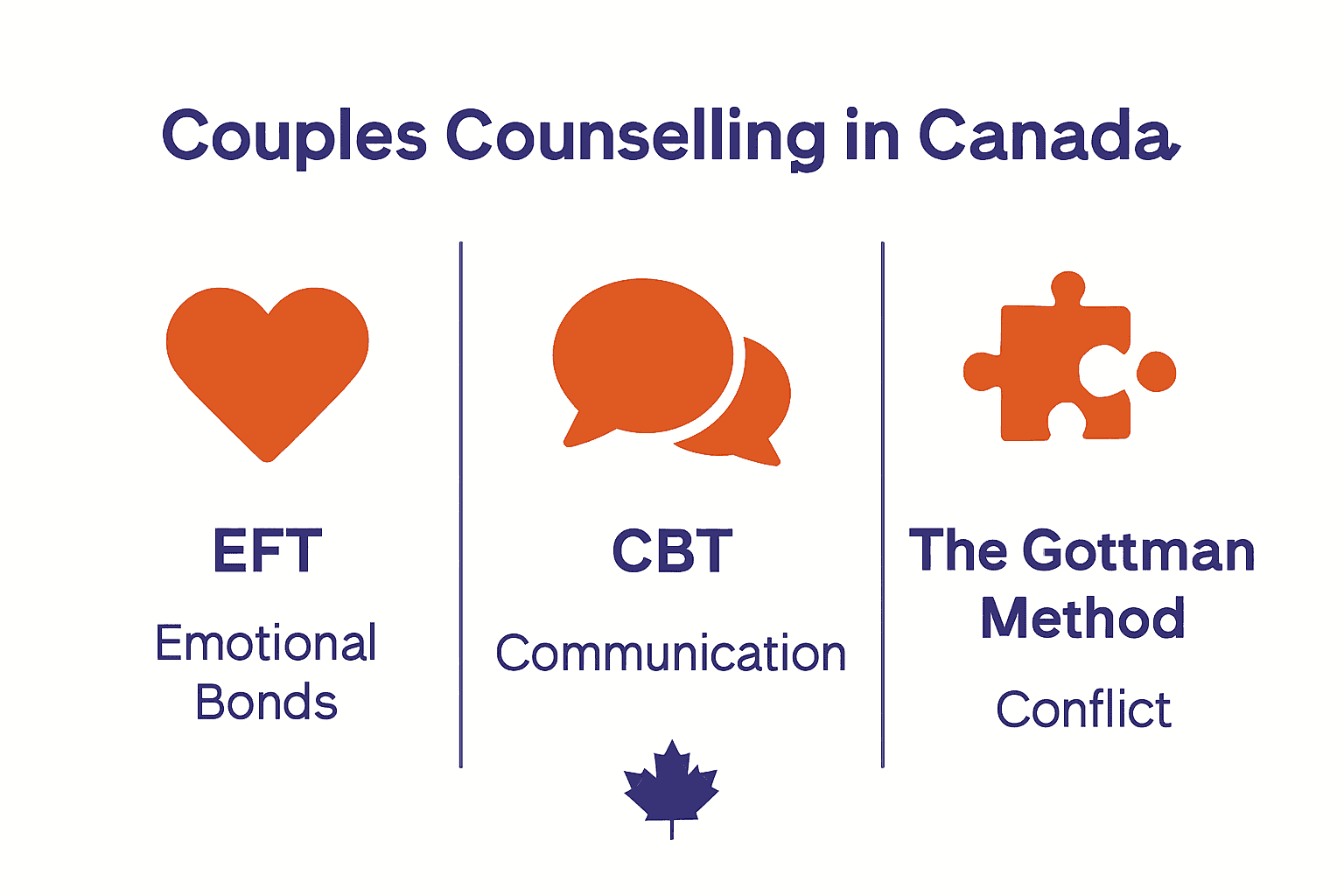
Here’s a comparison of common couples counselling approaches in Canada:
| Approach | Key Focus | Typical Benefits |
|---|---|---|
| Emotionally Focused Therapy (EFT) | Emotional connection Attachment | Rebuilds trust Strengthens bonds |
| Cognitive Behavioural Therapy (CBT) | Thought patterns Communication | Improves communication Resolves conflict |
| Gottman Method | Research-based interventions | Enhances stability Creates shared meaning |
| Acceptance & Commitment Therapy (ACT)| Values and acceptance | Encourages growth
Builds resilience |
Emotionally Focused Therapy (EFT)
Emotionally Focused Therapy is a widely used approach that concentrates on creating secure emotional bonds between partners. EFT helps couples understand their underlying emotional patterns, identify negative interaction cycles, and develop more responsive and supportive ways of connecting. This approach views relationship distress as a result of unmet emotional needs and focuses on rebuilding attachment and trust.
Cognitive Behavioural Therapy (CBT)
Cognitive Behavioural Therapy provides practical tools for couples struggling with communication and conflict resolution. CBT helps partners identify negative thought patterns, challenge unhelpful beliefs, and develop healthier communication strategies. By focusing on changing cognitive processes and behavioral responses, couples can break destructive interaction patterns and create more positive relationship experiences.
Gottman Method
Developed by Drs. John and Julie Gottman, this approach uses research-based interventions to improve relationship stability. Key components include:
- Building love maps of each partner’s emotional world
- Strengthening communication skills
- Managing conflict constructively
- Creating shared meaning and life goals
- Developing emotional connection and intimacy
Couples seeking professional support can explore our Couples Counselling services to determine which approach might best suit their unique relationship needs and challenges.
How Couples Counselling Sessions Work
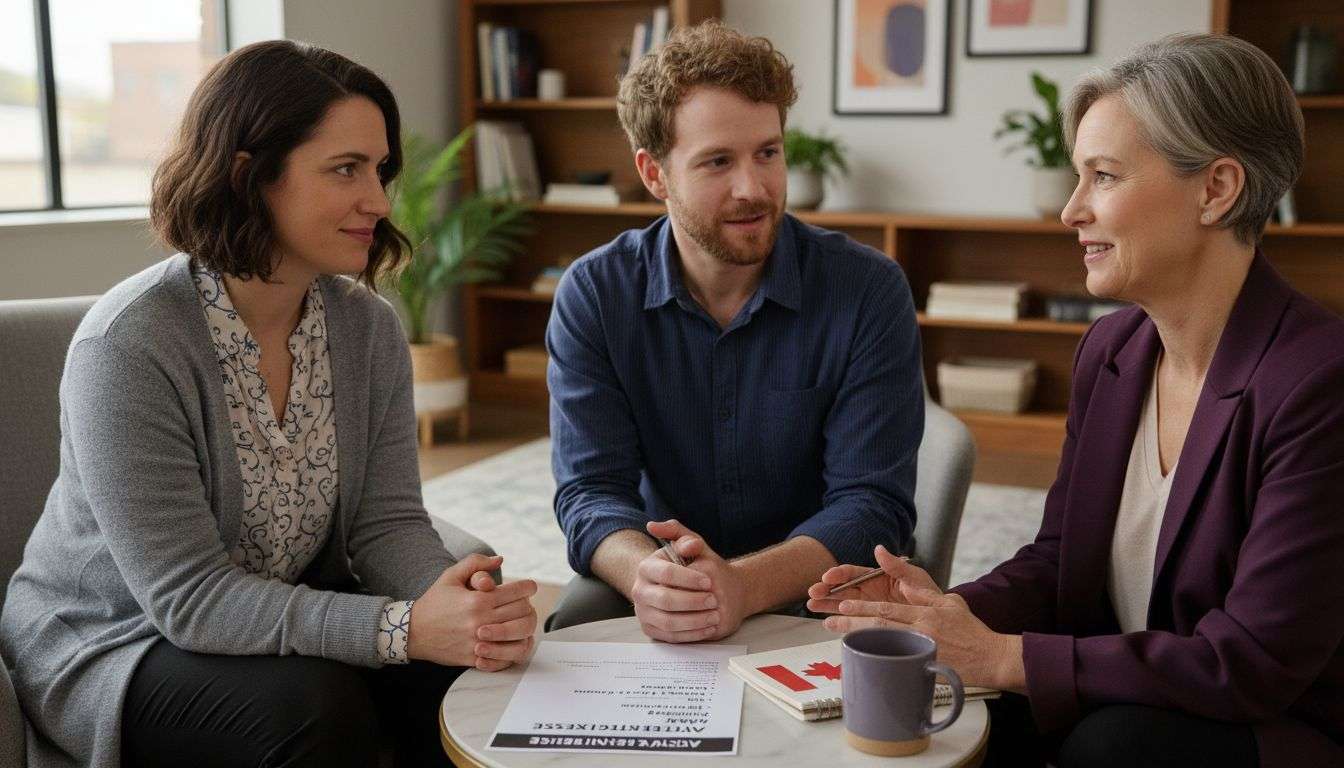
Couples counselling is a collaborative therapeutic process designed to help partners navigate relationship challenges through structured, supportive conversations. These sessions provide a neutral, safe environment where both individuals can explore their emotions, communication patterns, and relationship dynamics with professional guidance.
Initial Assessment and Goal Setting
The first session typically involves a comprehensive initial assessment where the therapist meets with both partners to understand their relationship history, current challenges, and specific goals. During this critical stage, couples discuss:
- Primary relationship concerns
- Individual and shared objectives
- Communication patterns
- Emotional and interpersonal dynamics
- Potential barriers to relationship improvement
Session Structure and Approach
Typical couples counselling sessions follow a structured yet flexible format. A 50-60 minute session might include:
- Individual and joint conversation opportunities
- Active listening exercises
- Communication skill development
- Conflict resolution techniques
- Emotional processing and understanding
Therapists use various techniques to facilitate productive dialogue, helping partners develop empathy, improve communication, and rebuild emotional connection.
 Online Therapy Advantages for Couples provide additional flexibility for partners with complex schedules or geographical constraints.
The number of sessions varies depending on the couple’s unique needs, relationship complexity, and therapeutic goals. Some couples might benefit from short-term focused interventions, while others may require longer-term supportive counselling to address deeper relational patterns and challenges.
Therapist Credentials and Legal Standards
Couples counselling therapists in Canada operate under rigorous professional standards and legal requirements designed to ensure high-quality, ethical mental health support. The American Association for Marriage and Family Therapy highlights the critical importance of maintaining professional standards for therapists working with couples across North America.
Professional Qualifications
To practice as a couples counselling therapist in Canada, professionals must typically complete:
- A master’s degree in psychology, counselling, or related mental health field
- Specialized training in couples and relationship therapy
- Registered certification from provincial regulatory bodies
- Ongoing professional development and continued education credits
- Comprehensive supervised clinical experience
Ethical and Legal Framework
Canadian couples counselling therapists must adhere to strict ethical guidelines that protect client confidentiality, ensure professional boundaries, and maintain the highest standards of care. These standards include:
- Mandatory reporting of potential harm
- Maintaining client privacy and confidential records
- Obtaining informed consent before treatment
- Avoiding conflicts of interest
- Maintaining professional liability insurance
Notable Contributions
Sue Johnson, a renowned clinical psychologist who worked extensively in Canada, significantly advanced the field of couples therapy through her groundbreaking work on attachment theory and emotional bonding. Her research has been instrumental in developing evidence-based approaches to relationship counselling.
How to Find a Therapist: A Gentle Guide to Getting Started can help individuals navigate the process of selecting a qualified and compassionate couples counselling professional who meets these rigorous professional standards.
Cost, Insurance, and Accessibility Factors
Couples counselling involves various financial and logistical considerations that can impact a couple’s ability to access therapeutic support. Understanding the nuanced landscape of cost, insurance coverage, and accessibility is crucial for making informed decisions about relationship therapy.
Pricing Structure
The cost of couples counselling can vary widely depending on several key factors:
- Therapist’s experience and specialization
- Session duration (typically 50-90 minutes)
- Geographic location
- Therapy approach and complexity of relationship challenges
- Professional credentials of the therapist
Insurance and Coverage Options
Many extended health insurance plans in Canada provide partial or full coverage for couples counselling. Couples should consider:
- Checking their specific insurance policy details
- Understanding coverage limits
- Obtaining pre-authorization when required
- Requesting detailed receipts for potential reimbursement
- Exploring employee assistance program (EAP) benefits
Accessibility Considerations
Modern couples counselling has expanded beyond traditional in-person sessions to offer multiple accessibility options:
- Online video counselling
- Phone-based therapy sessions
- Evening and weekend appointment availability
- Flexible scheduling
- Locations across multiple urban and rural settings
Online Therapy Advantages for Couples provides additional insights into how technology is making couples counselling more accessible and convenient for partners with complex schedules or geographical constraints.
Strengthen Your Relationship with Expert Couples Counselling Support
If you and your partner are facing challenges like communication breakdowns, trust issues, or simply want to deepen your emotional connection, professional guidance can make all the difference. This article highlights common struggles in Canadian couples counselling such as improving emotional understanding, resolving conflicts, and rebuilding intimacy—all goals that our licensed therapists at Interactive Counselling are ready to help you achieve.
Discover personalized therapy solutions rooted in proven approaches like Emotionally Focused Therapy and Cognitive Behavioural Therapy tailored to your unique relationship needs. By choosing General – Interactive Counselling, you gain access to a compassionate team offering flexible in-person and online sessions across Kelowna, Vernon, Grande Prairie, Penticton, and nationwide. Take the first step toward a healthier partnership today by visiting Interactive Counselling and exploring our specialized Couples Counselling services. Don’t wait for misunderstandings to grow—connect with a professional and start transforming your relationship now.
Frequently Asked Questions
What is couples counselling?
Couples counselling is a specialized form of psychotherapy aimed at helping romantic partners improve communication, resolve conflicts, and strengthen their relationship dynamics through various therapeutic approaches.
What approaches are commonly used in couples counselling?
Common approaches include Emotionally Focused Therapy (EFT), Cognitive Behavioural Therapy (CBT), the Gottman Method, and Acceptance and Commitment Therapy (ACT), each offering unique strategies for addressing relationship challenges.
How do couples counselling sessions typically work?
Sessions usually involve an initial assessment to understand the couple’s relationship history and goals, followed by structured discussions, communication skill development, and conflict resolution techniques in a supportive environment.
What are the qualifications for couples counselling therapists?
Therapists typically hold a master’s degree in psychology or counselling, have specialized training in relationship therapy, and are registered with provincial regulatory bodies, ensuring they adhere to ethical standards and maintain professionalism.
Recommended
- Marriage Counselling Penticton: A Guide to Reconnecting
- Couples Counselling | Interactive Counselling
- Kelowna Couples Counselling | Interactive Counselling
- Marriage Counselling Grande Prairie: Finding Your Way Back to Each Other