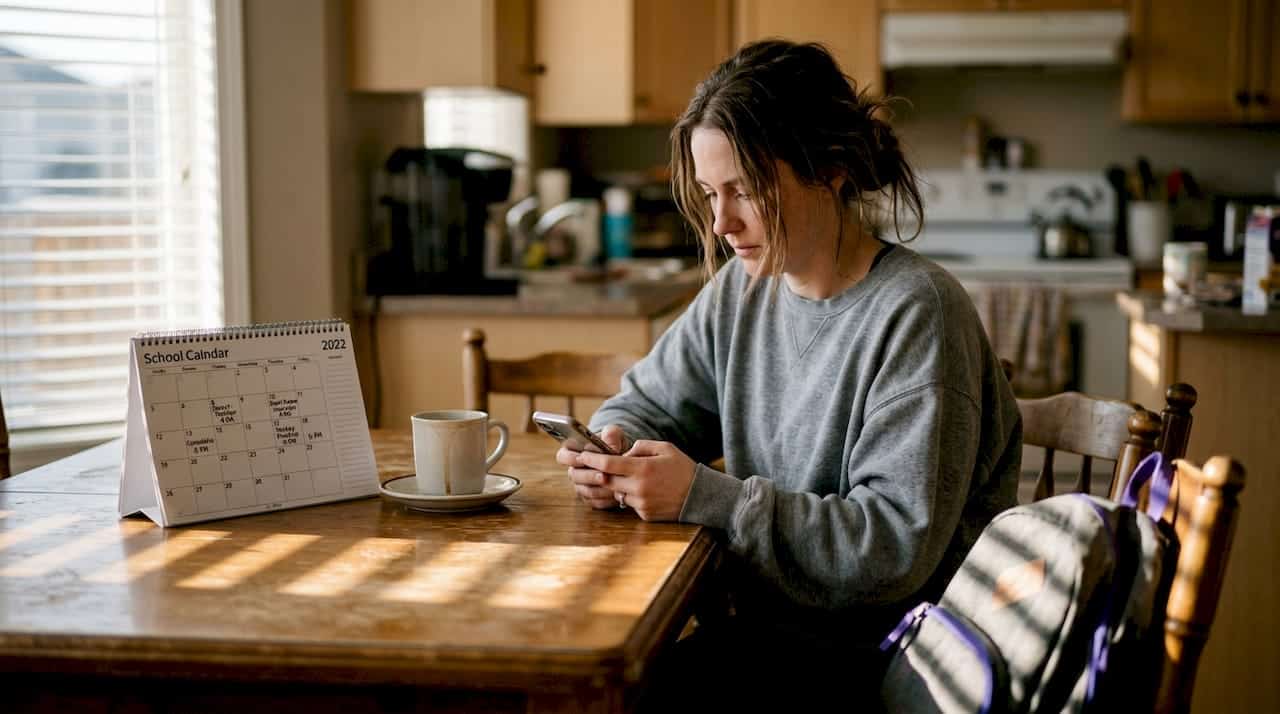
Many couples in Grande Prairie believe their relationship can withstand the strain of 14-on/7-off camp rotations with minimal effort. The reality is far more complex. These extended work schedules create emotional disconnection, resentment, and stress that quietly erode even strong marriages. Partners at home shoulder parenting and household duties alone for two weeks at a time, whilst those at camp face isolation and guilt. Understanding these hidden impacts and implementing targeted strategies can transform how your relationship navigates rotation work, strengthening your bond rather than letting distance weaken it. For more information, see our counselling in Grande Prairie.
Table of Contents
- Key takeaways
- How 14-on/7-off rotations impact marriage and family life
- Understanding the mental health effects on partners and family
- Navigating relationship challenges caused by rotation work
- Practical strategies and local support resources for couples
- Explore counselling services for stronger relationships in Grande Prairie
- Frequently asked questions about rotation work and marriage
Key Takeaways
| Point | Details |
|---|---|
| Home partner burden | Partners at home shoulder parenting and household duties alone for two weeks at a time, creating stress and resentment. |
| Emotional disconnection cycle | The pattern of long separations gradually erodes daily connection and shared experiences, weakening the relationship. |
| Counselling support | Grande Prairie couples counselling can provide targeted strategies to address rotation related strain before patterns become entrenched. |
| Calendar based connection | A shared digital calendar helps both partners stay connected to family life and reduces the home partner mental load. |
How 14-on/7-off rotations impact marriage and family life
The emotional toll of rotation work extends far beyond the obvious challenge of physical separation. When your partner leaves for a 14-day camp rotation, you’re not simply managing their absence. You’re fundamentally restructuring your entire life, taking on responsibilities that were previously shared, and navigating emotional terrain that feels isolating and overwhelming. For more information, see our couples counselling.
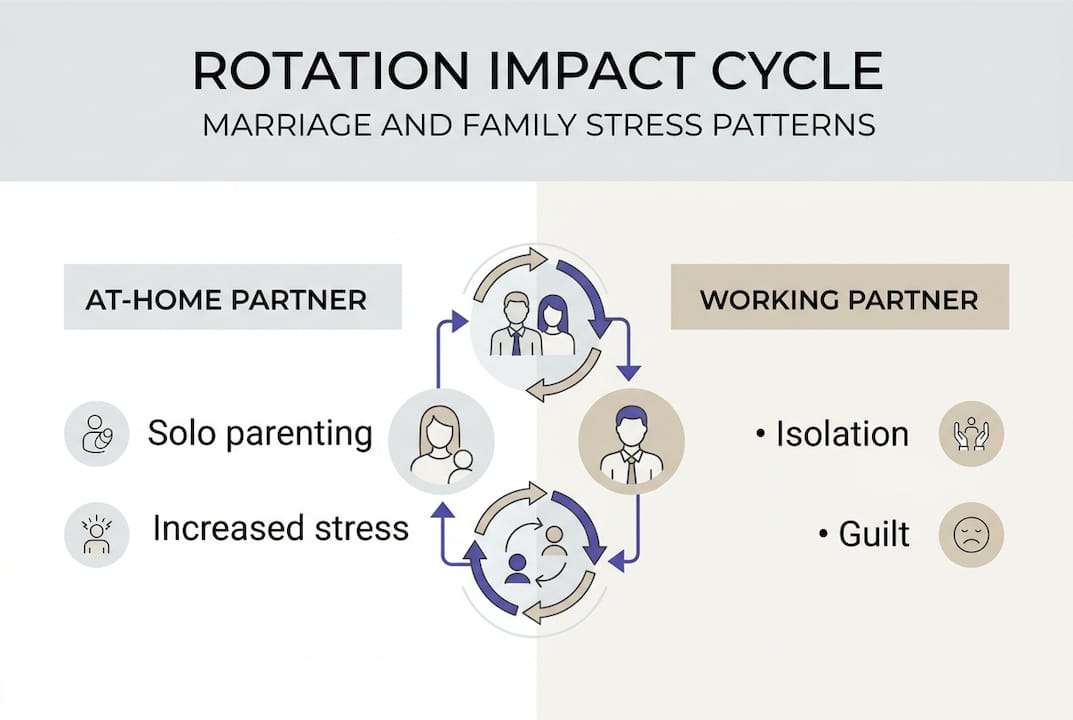
Partners remaining in Grande Prairie during rotations face a reality that resembles single parenthood. You manage bedtime routines alone, handle school emergencies without backup, and make household decisions independently. This 14-on/7-off camp rotation pattern causes partners at home to feel like single parents, building resentment that accumulates with each cycle. The emotional disconnection isn’t dramatic or sudden. It develops gradually as you stop sharing daily experiences, inside jokes fade, and you begin organising your life around their absence rather than their presence.
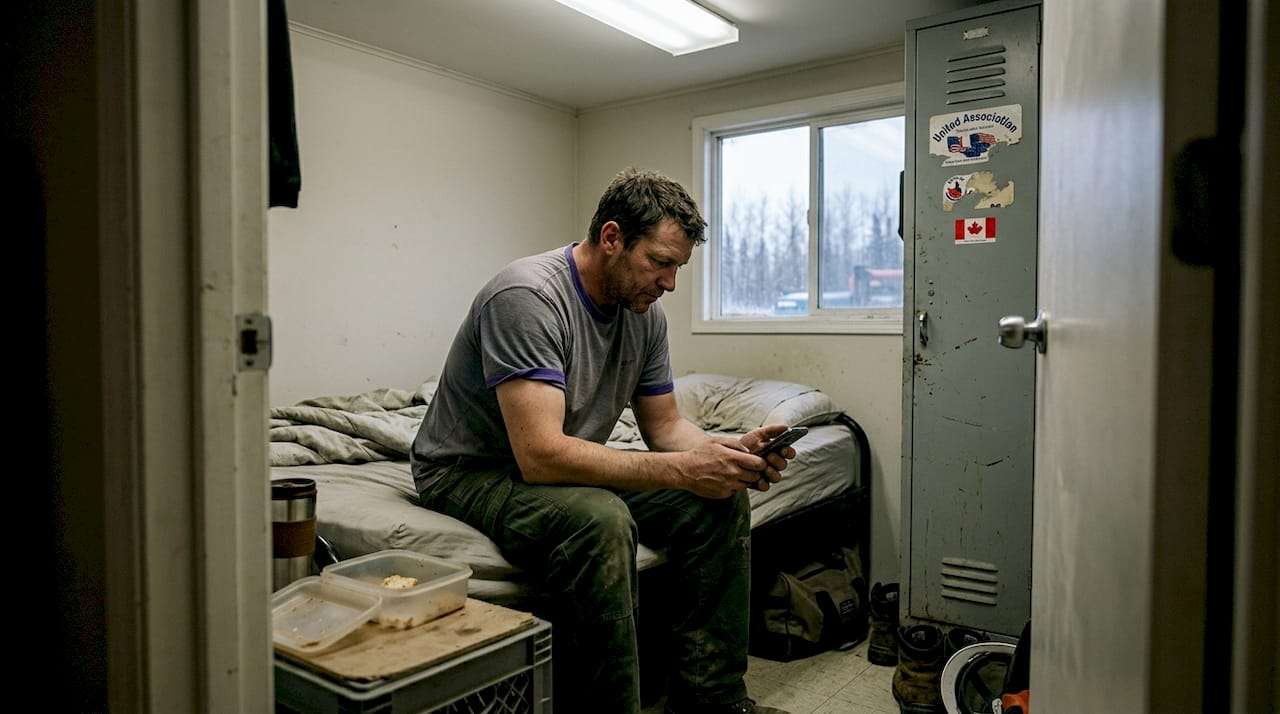
Meanwhile, partners at camp experience their own form of isolation. Living in temporary accommodation, surrounded by colleagues rather than family, creates emotional distance even when you’re trying to stay connected. Guilt about missing family moments compounds stress from demanding work schedules. You might find yourself withdrawing emotionally as a coping mechanism, which only deepens the disconnection your partner feels at home.
Children absorb these tensions even when parents try to shield them. They notice when one parent is consistently absent during important moments, when the at-home parent seems stressed or short-tempered, or when family dynamics shift dramatically every two weeks. This instability can manifest as behavioural changes, anxiety, or difficulty forming secure attachments.
The cumulative effect creates a cycle where both partners feel unsupported and misunderstood. The person at home feels abandoned and overwhelmed. The person at camp feels unappreciated and guilty. Without intentional effort to address these patterns, marriages slowly erode under the weight of unspoken resentment and emotional distance. Recognising these impacts is the first step toward implementing strategies that protect your relationship from rotation-related strain. Grande Prairie couples counselling can help you navigate these challenges before they become entrenched patterns.
Pro Tip: Create a shared digital calendar where both partners can see family activities, appointments, and milestones. This simple tool helps the working partner stay connected to family life and reduces the at-home partner’s mental load of managing everything alone.
Understanding the mental health effects on partners and family
The psychological consequences of rotation work extend well beyond temporary stress or loneliness. Research reveals that rotation work in the resources sector adversely affects mental and physical health of partners and children, creating health challenges that persist even during off-rotations.
Partners at home frequently develop anxiety symptoms related to managing household crises alone, making financial decisions without consultation, and worrying about their partner’s safety at remote work sites. Depression can emerge from prolonged isolation, lack of emotional support, and the feeling that your relationship has become transactional rather than intimate. Sleep disturbances are common as you adjust to sleeping alone, manage nighttime parenting solo, and carry the mental burden of running a household independently.
The working partner faces distinct but equally serious mental health risks. Guilt about missing family life combines with pressure to maximise earnings during rotation periods, creating chronic stress. Living in camp accommodation with limited privacy and constant noise affects sleep quality and emotional regulation. Many workers report feeling like outsiders in their own families during off-rotations, struggling to reintegrate into routines that developed without them.
| Mental health symptom | At-home partner | Working partner | Children |
|---|---|---|---|
| Anxiety | Managing emergencies alone, financial stress | Safety concerns, job pressure, reintegration worry | Separation anxiety, fear of abandonment |
| Depression | Isolation, lack of support, emotional exhaustion | Guilt, disconnection, purposelessness during off-time | Sadness, withdrawal, behavioural changes |
| Sleep issues | Solo nighttime parenting, worry, routine disruption | Camp noise, irregular schedules, stress | Bedtime resistance, nightmares, sleep regression |
| Physical symptoms | Headaches, fatigue, weakened immunity | Digestive issues, muscle tension, weight changes | Stomach aches, frequent illness, appetite changes |
| Relationship strain | Resentment, feeling unappreciated, loneliness | Feeling excluded, defensive reactions, withdrawal | Confusion about family roles, loyalty conflicts |
Children in rotation families often mirror their parents’ stress through physical complaints like stomach aches or headaches with no medical cause. They may regress in developmental milestones, struggle academically, or display aggression and defiance as they process feelings they can’t articulate. The constant cycle of reunion and separation prevents them from establishing secure attachment patterns, potentially affecting their relationship skills into adulthood.
Physical health deteriorates alongside mental wellbeing. At-home partners report higher rates of stress-related conditions including hypertension, chronic pain, and autoimmune flares. The working partner’s irregular sleep schedule, camp food quality, and limited exercise options contribute to metabolic issues and cardiovascular strain. Grande Prairie family counselling provides support for addressing these interconnected mental and physical health challenges.
Pro Tip: Track your mood, sleep quality, and physical symptoms for two full rotation cycles. Patterns often emerge that help you identify specific triggers and times when you need extra support, making it easier to implement targeted coping strategies.
Navigating relationship challenges caused by rotation work
Rotation work creates relationship dynamics that differ fundamentally from typical long-distance relationships or demanding work schedules. The cyclical nature means you’re constantly adapting to presence and absence, never fully settling into either state. This perpetual transition breeds specific challenges that require intentional strategies to overcome.
Communication breakdown tops the list of rotation-related relationship issues. When you’re living completely different daily realities, finding common ground for meaningful conversation becomes difficult. The at-home partner wants to share the minutiae of daily life, school activities, and household decisions. The working partner, exhausted from 12-hour shifts and communal living, may lack energy for detailed discussions. This mismatch creates a pattern where conversations become superficial or transactional, focused on logistics rather than emotional connection.
Research on fly-in fly-out work shows harmful impacts on family dynamics, particularly affecting male miners in remote work. These dynamics include role confusion, where the at-home partner becomes the primary decision-maker and parent, making the returning partner feel like a guest in their own home. Children adapt to routines that work during absences, then resist changes when the working parent returns and tries to reassert authority or alter established patterns.
Intimacy suffers on multiple levels. Physical intimacy becomes compressed into off-rotation periods, creating pressure to reconnect sexually when you may need time to rebuild emotional closeness first. Emotional intimacy erodes as you stop sharing vulnerabilities, fears, and dreams, instead focusing conversations on practical matters. Intellectual intimacy fades when you no longer discuss ideas, current events, or future plans together.
Here are evidence-based strategies to maintain connection during rotation cycles:
Establish a daily communication ritual that works for both schedules. This might be a 15-minute video call at the same time each day, a voice message sent during your morning coffee, or a shared photo album where you both post daily highlights. Consistency matters more than duration.
Create shared experiences despite physical separation. Watch the same television series and discuss episodes, read the same book, or play online games together. These activities provide common ground for conversations beyond household logistics.
Practise intentional listening during communications. The at-home partner should ask specific questions about camp life beyond “How was your day?” The working partner should engage with family stories even when tired, asking follow-up questions that show genuine interest.
Develop a reintegration plan for homecoming periods. Discuss expectations before the working partner returns. Will they jump immediately into parenting and household tasks, or take a day to decompress? How will you handle routine changes? Planning reduces conflict during vulnerable transition times.
Maintain individual identities and interests. The at-home partner should pursue hobbies, friendships, and activities that provide fulfilment beyond family responsibilities. The working partner should engage in camp activities or personal development that creates conversation topics and maintains their sense of self.
Schedule regular relationship check-ins separate from daily logistics. Once per rotation, have a dedicated conversation about your relationship health, concerns, and appreciations. Grande Prairie counselling services can facilitate these conversations if you struggle to have them productively on your own.
Pro Tip: Create a “transition day” protocol for the first 24 hours after homecoming. The returning partner observes family routines without trying to change them immediately, whilst the at-home partner consciously includes them in activities. This buffer period eases reintegration stress for everyone.
Practical strategies and local support resources for couples
Beyond communication techniques, couples need concrete tools and community resources to build resilience against rotation-related strain. The most effective approach combines self-directed strategies with professional support, creating multiple layers of protection for your relationship.
Start by implementing shared digital systems that reduce the at-home partner’s mental load. Use shared grocery lists, meal planning apps, and household management tools that allow both partners to contribute regardless of location. This practical step addresses the common complaint that the at-home partner carries all household planning responsibility even when their partner is present.
Establish financial transparency and shared decision-making processes. Many rotation couples struggle with money conflicts because the working partner earns the income whilst the at-home partner manages daily expenses. Create a system where both partners have visibility into accounts, discuss major purchases together, and recognise that managing a household is labour that contributes economic value even without a paycheque.
Prioritise self-care for both partners. The at-home partner needs regular breaks from solo parenting, whether through childcare arrangements, family support, or trading babysitting with other rotation families. The working partner needs healthy coping mechanisms for camp stress beyond alcohol or isolation. Exercise, hobbies, and social connection during rotations prevent burnout and maintain mental health.
Recognise when professional support would benefit your relationship. 14-on/7-off rotations create strain but local counselling offers effective support for Grande Prairie families navigating these challenges. Seeking help early, before patterns become entrenched, produces better outcomes than waiting until your relationship reaches crisis point.
| Support option | Best for | Availability | Key benefits |
|---|---|---|---|
| Couples counselling in Grande Prairie | Relationship communication, conflict resolution | In-person sessions during off-rotations | Face-to-face intensity, local understanding of rotation culture |
| Online counselling services | Flexible scheduling around rotations | Video sessions from camp or home | Consistency across rotation cycles, no travel required |
| Family counselling support | Children affected by rotation stress | In-person and online options | Addresses whole family system, helps children process emotions |
| Rotation family support groups | Peer connection, shared experiences | Community centres, online forums | Reduces isolation, practical tips from others in similar situations |
| Individual therapy | Personal mental health, coping skills | Flexible formats | Addresses anxiety, depression, or trauma independently |
Additional community resources for Grande Prairie rotation families include:
- Family resource centres offering parenting workshops and childcare respite
- Recreation programmes providing structured activities for children during rotations
- Financial planning services specialising in resource sector income patterns
- Online relationship education courses you can complete together during off-rotations
- Mental health apps offering daily mood tracking, meditation, and cognitive behavioural therapy tools
- Employer assistance programmes that may provide counselling benefits or family support services
Many couples benefit from combining multiple support types. You might attend couples counselling quarterly for relationship maintenance, use online resources for daily connection strategies, and participate in a support group for peer connection. Building a comprehensive support network creates resilience that helps your relationship not just survive rotation work but potentially grow stronger through intentional effort and shared commitment.
The key is recognising that needing support isn’t a sign of relationship failure. Rotation work creates extraordinary challenges that exceed what most couples face. Seeking help demonstrates commitment to your relationship and willingness to develop skills that serve you well beyond the rotation years.
Explore counselling services for stronger relationships in Grande Prairie
Navigating 14-on/7-off rotations requires more than good intentions. Professional guidance helps couples develop communication skills, process resentment before it calcifies into contempt, and create sustainable routines that protect your relationship during challenging work schedules. Interactive Counselling offers tailored support for Grande Prairie couples facing rotation-related strain, with therapists who understand the unique pressures resource sector families experience. Whether you need help rebuilding emotional connection, managing conflict productively, or supporting children through rotation transitions, Grande Prairie couples counselling provides evidence-based strategies in a supportive environment. Family counselling support addresses how rotation work affects your entire household system. Don’t wait until your relationship reaches crisis point. Seeking mental health support today builds resilience that strengthens your marriage for years to come.
Frequently asked questions about rotation work and marriage
How can we stay emotionally connected during 14-day rotations?
Prioritise daily communication rituals like brief video calls or voice messages, share experiences through photos or streaming the same shows together, and schedule meaningful conversations about feelings rather than just logistics. Consistency matters more than duration.
What should we do when the working partner returns home?
Create a transition day where the returning partner observes family routines without immediately trying to change them, discuss expectations before homecoming to prevent conflict, and give everyone space to adjust to the shift in household dynamics gradually.
How do rotation schedules affect children’s wellbeing?
Children may experience separation anxiety, behavioural changes, and difficulty with the constant cycle of reunion and separation. Maintain consistent routines, validate their feelings about the working parent’s absence, and consider family counselling if you notice persistent struggles.
When should rotation couples seek professional counselling?
Seek support early when you notice patterns of resentment, communication breakdown, or emotional distance rather than waiting for crisis. Preventive counselling builds skills that strengthen your relationship before problems become entrenched.
How can the at-home partner manage stress and burnout?
Establish regular self-care routines, build a support network of friends or other rotation families, ask for help with childcare or household tasks, and recognise that your role carries significant emotional labour deserving of acknowledgement and support.
What financial strategies help rotation families?
Create shared visibility into accounts and spending, discuss major purchases together regardless of who earns the income, recognise household management as valuable economic contribution, and consider financial planning services familiar with resource sector income patterns.
Recommended
- How Shift Work Affects Daily Life in Grande Prairie
- Marriage after retirement: relationship and mental health
- 7 Key Benefits of Marriage Counseling for Stronger Relationships – Interactive Counselling
- Grande Prairie Couples Counselling | Marriage Therapy