
Trusting someone enough to be truly seen can feel impossible when past wounds shape your view of relationships. For many Canadian adults, fear of vulnerability is not just a fleeting concern but a deeply rooted response shaped by childhood experiences, attachment styles, and unresolved trauma. By uncovering the origins behind intimacy avoidance patterns, you can begin to make sense of your emotional struggles, creating a foundation for personal growth and healthier connections through therapy.
Table of Contents
- Fear of Love and Closeness Explained
- Types of Intimacy Avoidance Patterns
- Root Causes: Childhood, Trauma, and Attachment
- Recognizing Signs and Impact on Relationships
- Therapy Approaches for Building Healthy Connections
Key Takeaways
| Point | Details |
|---|---|
| Fear of Intimacy | Many individuals develop protective behaviours that stem from early life trauma, leading to emotional distancing and relationship sabotage. |
| Impact of Attachment Styles | Attachment styles from childhood significantly influence how adults approach intimacy and connection in relationships. |
| Recognizing Avoidance Patterns | Intimacy avoidance manifests in various ways, including emotional withdrawal and communication barriers, which can hinder deep connections. |
| Therapeutic Strategies | Therapy approaches like Attachment-Based Therapy and CBT can help individuals understand their intimacy fears and build healthier relationships. |
Fear of Love and Closeness Explained
People often experience deep-seated fears about emotional intimacy that stem from complex psychological mechanisms. Interpersonal survival responses reveal that fear of love and closeness represents a protective psychological strategy developed through past experiences, particularly those involving emotional vulnerability or trauma.
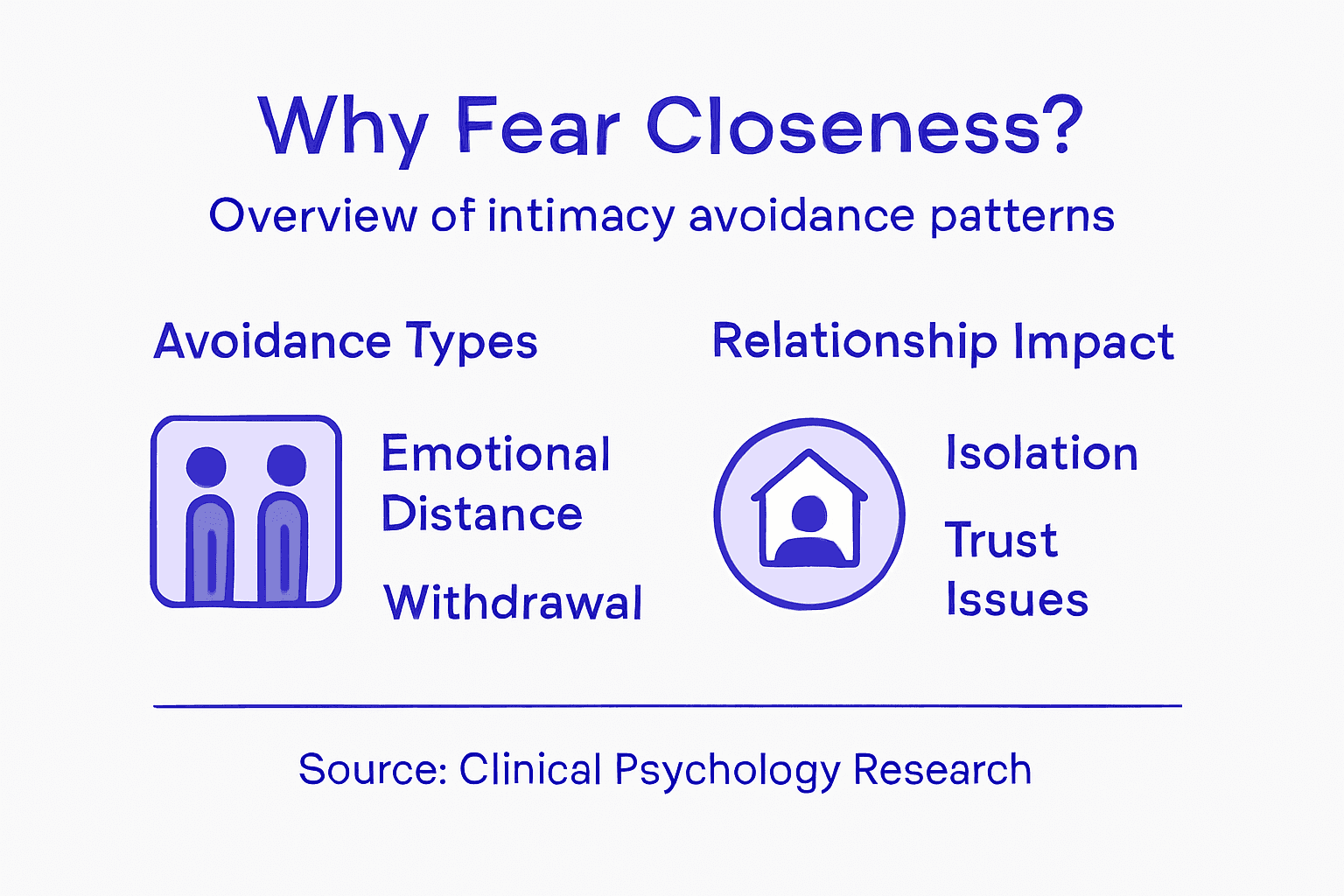
Understanding this fear requires recognizing its roots in attachment and relational dynamics. Some individuals develop protective behaviours that unconsciously prevent genuine emotional connection as a method of self-preservation. These patterns can manifest through:
- Emotional distancing
- Sabotaging potential relationships
- Maintaining superficial interactions
- Avoiding deep emotional engagement
Research suggests that attachment styles play a critical role in how people approach intimacy. Close relationship dynamics demonstrate that early childhood experiences significantly influence an individual’s capacity for emotional closeness. Trauma, repeated rejection, or inconsistent caregiving can create complex emotional barriers that persist into adulthood.
Psychological defence mechanisms emerge as adaptive strategies, protecting individuals from perceived potential emotional harm. These mechanisms might have served a protective function during challenging childhood experiences but can ultimately limit genuine relational connections in adult life. Understanding these patterns represents the first step toward healing and developing healthier relationship approaches.
Here is a summary of common psychological defence mechanisms, their origins, and effects on relationships:
| Defence Mechanism | Likely Root Cause | Impact on Relationships |
|---|---|---|
| Emotional distancing | Fear of rejection | Creates emotional barriers |
| Perfectionism | Childhood criticism | Inhibits genuine connection |
| Hyperindependence | Early neglect | Reduces intimacy and trust |
| Relationship sabotage | Past betrayal | Undermines potential partnerships |
Pro tip: Seek professional counselling to explore your unique attachment patterns and develop strategies for building more meaningful emotional connections.
Types of Intimacy Avoidance Patterns
Intimacy avoidance represents a complex psychological defence mechanism that manifests through various behavioural patterns. Understanding these patterns requires deep insight into how individuals unconsciously protect themselves from potential emotional vulnerability. Disorganized attachment dynamics reveal intricate emotional responses that significantly impact relationship interactions.
People experiencing intimacy avoidance typically demonstrate several distinctive behavioural strategies:
- Emotional Distancing: Maintaining physical or emotional space from potential partners
- Push-Pull Dynamics: Alternating between craving intimacy and suddenly withdrawing
- Perfectionism: Setting unrealistic relationship standards to justify avoiding genuine connection
- Self-Sabotage: Creating conflicts or complications that undermine potential relationships
- Hyperindependence: Presenting an image of complete self-sufficiency to avoid vulnerability
These avoidance patterns often stem from deep-rooted psychological mechanisms developed during early life experiences. Attachment wounds can create complex emotional landscapes where individuals simultaneously desire and fear intimate connections. The protective strategies serve as unconscious shields, preventing potential emotional re-traumatization but simultaneously limiting genuine relational experiences.
Understanding these patterns requires compassionate self-reflection and recognition that intimacy avoidance is not a personal failure, but an adaptive response to past emotional experiences. Recognizing these mechanisms represents the first critical step towards developing healthier relationship approaches and emotional resilience.
Pro tip: Consider working with a professional therapist to explore the root causes of your intimacy avoidance patterns and develop more secure attachment strategies.
Root Causes: Childhood, Trauma, and Attachment
The origins of intimacy fears are deeply rooted in early life experiences, particularly the complex interactions between childhood environments and emotional development. Disorganized attachment patterns reveal how traumatic childhood experiences can fundamentally reshape an individual’s capacity for emotional connection.
Several critical factors contribute to the development of intimacy avoidance:
- Unpredictable Caregiving: Inconsistent emotional responses from primary caregivers
- Childhood Trauma: Physical, emotional, or sexual abuse
- Neglectful Environments: Lack of emotional validation and support
- Parental Mental Health Issues: Unstable or unavailable parental figures
- Repeated Emotional Rejection: Early experiences of abandonment or dismissal
Attachment wounds function as psychological protective mechanisms, creating intricate emotional defence systems that emerge as survival strategies. These deeply ingrained patterns develop as responses to early relational experiences, where children learn that emotional vulnerability might lead to pain or rejection. The brain essentially creates complex neural pathways that prioritize emotional safety over genuine connection.

Understanding these root causes requires recognizing that intimacy avoidance is not a personal failing, but a sophisticated survival mechanism developed during vulnerable developmental stages. These patterns represent adaptive responses to challenging early environments, protecting individuals from potential emotional harm while simultaneously limiting their capacity for genuine, trusting relationships.
Pro tip: Engage in professional therapy to safely explore and gradually rewire your attachment patterns, creating space for healthier emotional connections.
Recognizing Signs and Impact on Relationships
Recognizing intimacy avoidance requires understanding its nuanced manifestations in personal relationships. Interpersonal conflict patterns reveal how fear of closeness dramatically impacts relationship dynamics, creating significant emotional distance and communication barriers.
Individuals experiencing intimacy avoidance often demonstrate distinctive relationship signs:
- Emotional Withdrawal: Consistently pulling away during moments of potential vulnerability
- Communication Barriers: Avoiding deep or meaningful conversations
- Relationship Sabotage: Creating unnecessary conflicts to maintain emotional distance
- Perfectionist Standards: Setting unrealistic expectations to justify relationship disconnection
- Physical Distancing: Minimizing physical affection and intimate interactions
Relationship consequences extend far beyond immediate interactions, potentially creating long-term patterns of isolation and emotional disconnection. These mechanisms often result in chronic feelings of loneliness, reduced relationship satisfaction, and increased interpersonal stress. The individual may simultaneously crave connection while unconsciously constructing elaborate defence systems that prevent genuine intimacy.
Understanding these patterns requires compassionate self-reflection and recognition that intimacy avoidance represents a sophisticated survival strategy developed through complex personal experiences. Acknowledging these mechanisms creates the foundational opportunity for healing, personal growth, and developing more secure, authentic relationship connections.
Pro tip: Practice gradual vulnerability by sharing small, manageable emotional experiences with trusted individuals to slowly rebuild your capacity for genuine connection.
Therapy Approaches for Building Healthy Connections
Overcoming intimacy fears requires targeted therapeutic strategies that compassionately address underlying emotional barriers. Couples therapy exercises can provide structured pathways for individuals to gradually rebuild trust, communication, and emotional vulnerability.
Therapeutic approaches for addressing intimacy avoidance typically include:
- Attachment-Based Therapy: Exploring early relationship patterns and their current impacts
- Cognitive Behavioural Therapy (CBT): Identifying and restructuring negative relational thought patterns
- Emotion-Focused Therapy: Developing emotional awareness and healthy expression
- Trauma-Informed Counselling: Processing past experiences that contribute to intimacy fears
- Somatic Experiencing: Addressing body-based trauma responses
Therapeutic interventions focus on creating safe, gradual exposure to emotional vulnerability. These approaches help individuals understand their protective mechanisms, develop self-compassion, and learn skills for building genuine connections. Each therapeutic strategy aims to rewire deep-seated emotional responses, transforming fear-based survival mechanisms into opportunities for authentic relational engagement.
The following table compares therapy approaches for intimacy fears, highlighting focus and expected outcomes:
| Therapy Type | Focus Area | Expected Benefit |
|---|---|---|
| Attachment-Based Therapy | Childhood relationships | Builds secure relational bonds |
| CBT | Negative thought patterns | Reduces avoidance behaviours |
| Emotion-Focused Therapy | Emotional awareness | Improves self-expression |
| Somatic Experiencing | Body-based trauma | Relieves physiological stress |
Successful therapy for intimacy avoidance requires a personalised, patient approach that recognizes the complex origins of emotional protection. Therapists work collaboratively with clients to create a supportive environment where healing can occur, helping individuals slowly rebuild their capacity for trust, intimacy, and meaningful relationships.
Pro tip: Choose a therapist specializing in attachment and relationship dynamics who can provide a nuanced, compassionate approach to your unique emotional journey.
Take the First Step Toward Overcoming Fear of Love and Closeness
Fear of love and emotional closeness can create invisible barriers that keep you from forming genuine relationships. You may relate to feelings of emotional distancing, pushing others away, or struggling with vulnerability. These are natural defence mechanisms often rooted in past experiences and attachment patterns. If avoidance and relationship sabotage sound familiar, it is important to know you do not have to face these challenges alone.
At Interactive Counselling, our dedicated team offers compassionate, personalised therapy designed to help you understand these fears and build healthier connections. Whether you prefer in-person support in Kelowna, Vernon, Grande Prairie, Penticton, or access care online from anywhere in Canada, our therapists specialise in attachment-based, trauma-informed, and emotion-focused approaches. Begin your journey today by exploring the variety of therapy options available. Taking action now can create lasting change and open the door to meaningful relationships that feel safe and fulfilling.
Frequently Asked Questions
What causes fear of love and closeness?
Fear of love and closeness often stems from past experiences involving emotional vulnerability, trauma, or inconsistent caregiving. These create protective psychological strategies that inhibit genuine emotional connection.
How can attachment styles influence intimacy?
Attachment styles, shaped by early childhood experiences, significantly influence how individuals approach intimacy. Those with insecure attachment may struggle with emotional closeness due to fears of rejection and emotional harm.
What are common signs of intimacy avoidance in relationships?
Signs of intimacy avoidance include emotional withdrawal, communication barriers, relationship sabotage, setting unrealistic expectations, and minimizing physical affection. These behaviors create emotional distance and hinder genuine connections.
How can therapy help overcome intimacy fears?
Therapy approaches like attachment-based therapy, Cognitive Behavioural Therapy (CBT), and trauma-informed counselling target the root causes of intimacy fears, helping individuals develop healthy emotional connections and rebuild trust in relationships.
Recommended
- Physical Touch Love Language: Why Feeling Connected Matters
- Love Language Examples – Interactive Counselling
- What Are the 7 Love Languages – Interactive Counselling
- When Love Languages Don’t Match: How to Reconnect When You Feel Out of Sync