It can start subtly. A bedroom door stays shut longer than usual. Your teen says “fine” to every question, skips dinner with the family, or stops texting friends back. As a parent in Kelowna, you know your child's usual rhythms, which is why these changes can feel unsettling long before you can explain them. The hard part is that adolescence already comes with mood swings, privacy, and changing interests. Telling the difference between normal teen development and a teen who needs support can feel confusing, lonely, and high stakes. For more information, see our Kelowna youth counselling.
"Kelowna youth counselling signs your teen needs support now are usually persistent changes in mood, behaviour, relationships, sleep, school functioning, or safety that don't settle with time and start interfering with daily life." For more information, see our counselling in Kelowna.
In British Columbia, this matters because youth mental health support is part of the public system, not only a private option. The province states that Child and Youth Mental Health teams provide free assessment and treatment for children and youth ages 0 to 18, and families can access BC Child and Youth Mental Health services through 92 intake clinics in person, virtually, or by phone. If you're trying to decide whether to act now or wait, that's an important reminder. Observable struggles with thoughts, feelings, and behaviours are exactly the kinds of concerns these systems are built to respond to. This guide gives you a practical roadmap for seven signs to watch for, how to respond at home, and when to escalate support, while also keeping the focus on fostering child resilience and connection. For more information, see our youth counselling.
1. Persistent Withdrawal from Social Activities and Friends
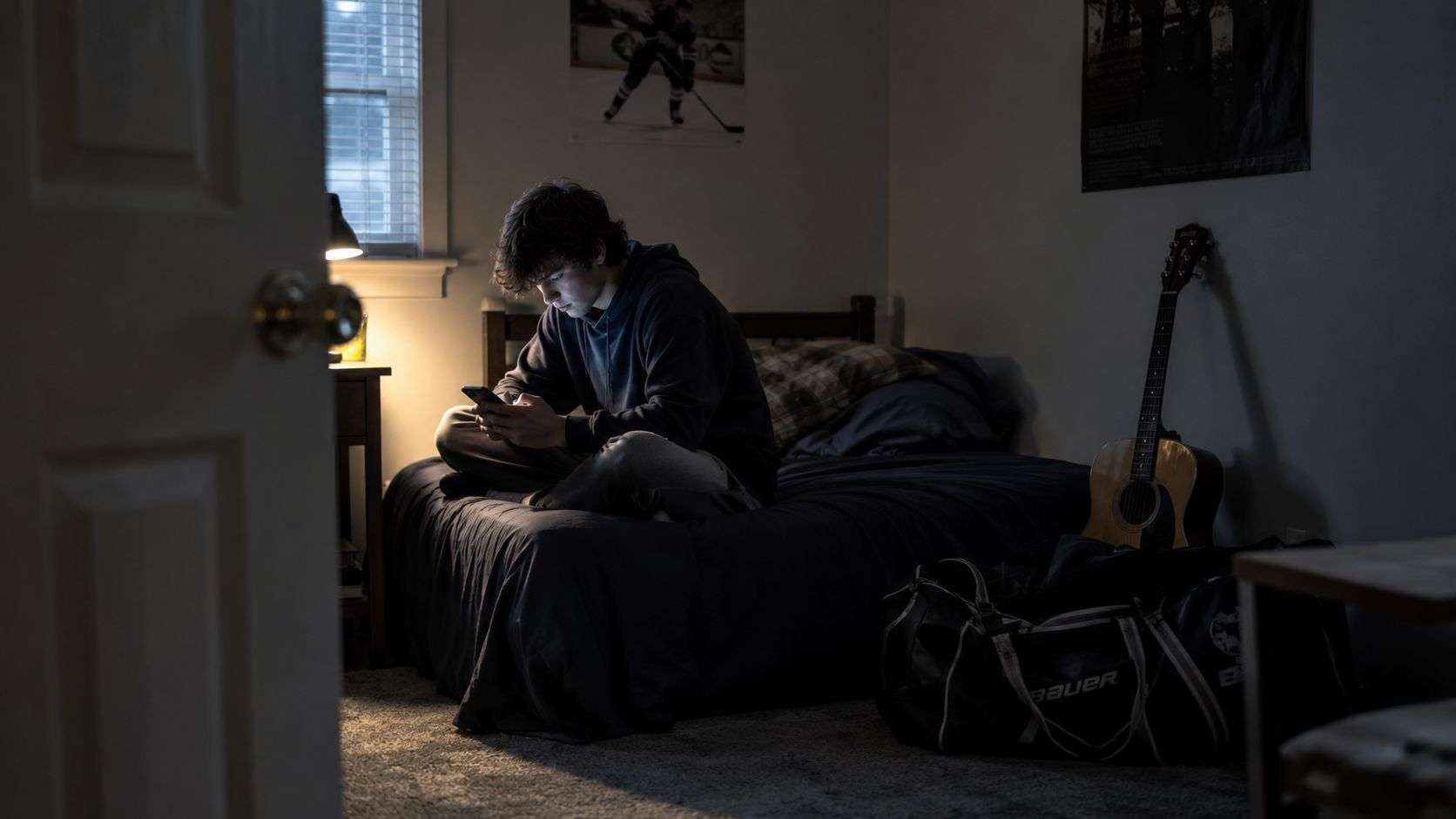
Your teen used to head out without much prompting. Now they stay in their room, skip practice, leave messages unanswered, and shrug when friends ask them to join in. Parents often notice this shift before a teen can explain it.
Some withdrawal is part of adolescence. Persistent withdrawal is different. The concern rises when your teen pulls back for weeks, loses interest in people they care about, and stops showing up for activities that used to matter. A teen may look oppositional on the surface yet feeling low, anxious, embarrassed, rejected, or emotionally worn out.
That distinction matters. A teenager who needs recovery time after a busy week usually reconnects. A teenager who is struggling often keeps narrowing their world.
What to look for
Watch for a pattern, not a single quiet weekend. Concerning signs include quitting sports or clubs without a clear reason, avoiding close friends, staying isolated at family events, spending most non-school hours alone, or saying “I don't care” about things they used to enjoy. If your teen also seems harder to reach emotionally, that strengthens the concern.
It also helps to look at function. Are they still texting one trusted friend, going to school, and enjoying anything at all, or has the retreat spread across most parts of life?
How to respond as a parent
Start with calm observation. Try, “I've noticed you haven't wanted to see your friends or go to hockey lately. I'm not angry. I just want to understand what's been feeling hard.”
Then keep the pressure low and the connection steady.
- Name what you see clearly: Stick to specific changes in behaviour instead of guessing motives.
- Offer contact that feels manageable: A drive, hot chocolate, folding laundry together, or a short walk can feel safer than a face-to-face talk.
- Protect dignity: Avoid labels like lazy, rude, dramatic, or antisocial.
- Stay curious about context: Ask about friendship fallout, bullying, social anxiety, breakups, online conflict, or feeling left out.
- Notice energy and sleep: Ongoing isolation and exhaustion often travel together.
Parents sometimes try to fix this by forcing more social time. In practice, that often backfires. A teen who already feels overwhelmed may hear, “You're failing at being normal.” A better trade-off is gentle structure with room to talk. Keep expectations for basic routines, but do not turn every invitation into a battle.
When to escalate
Get professional support if the withdrawal lasts more than a couple of weeks, keeps expanding, or comes with hopelessness, panic, conflict at home, major school avoidance, or a clear loss of pleasure in daily life. Act sooner if your teen is isolating after a humiliating event, bullying, a breakup, grief, or any traumatic experience.
A counselling assessment can help sort out what is driving the retreat, whether that is depression, anxiety, trauma, grief, friendship injury, or another concern. In Kelowna, families often consider support from a practice such as Interactive Counselling when home support is no longer enough or conversations keep shutting down.
2. Dramatic Changes in Sleep and Eating Patterns
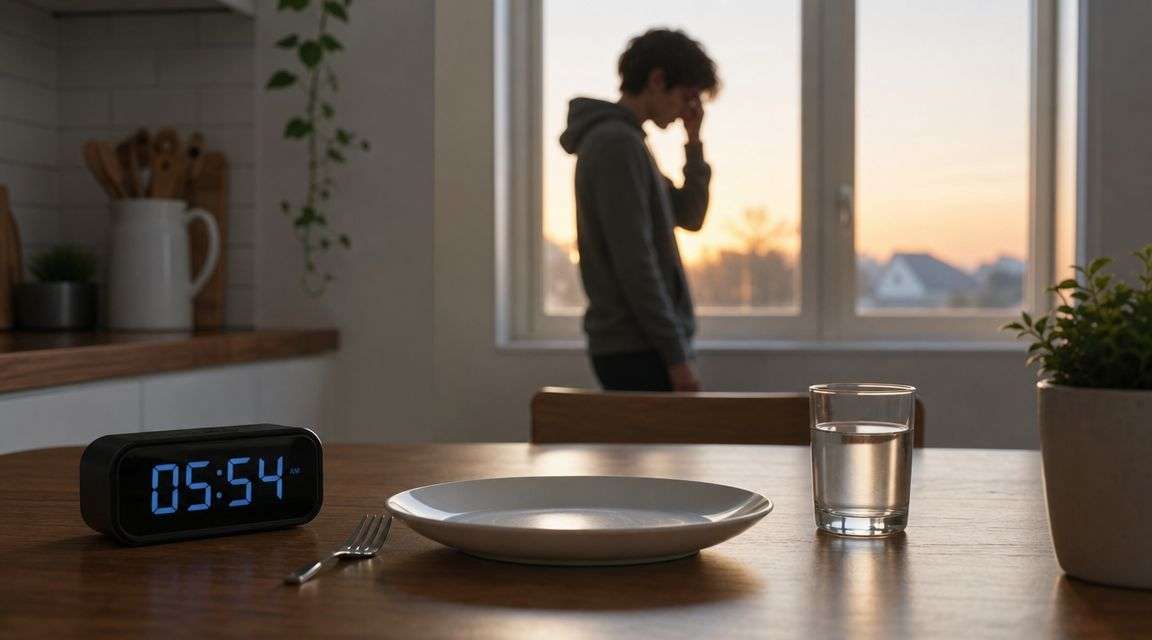
Parents often notice behaviour first, but the body tells the story too. Sleep and appetite are tightly connected to emotional wellbeing. When they change sharply, mental health is one possible reason.
Some teens can't fall asleep because their thoughts won't slow down. Others sleep excessively because they feel drained or low. Eating can shift in either direction too. A teen may stop eating much at all, eat for comfort, or swing between restriction and overeating. Sometimes these changes follow a breakup, academic stress, bullying, family conflict, or a frightening event. Sometimes there isn't one obvious trigger.
What helps at home
Before assuming it's “just hormones” or “just stress,” track what's happening. Many parents realize the pattern is more serious once they write it down for a couple of weeks.
Useful first steps include:
- Track the basics: Bedtime, wake time, naps, appetite, energy, and nightmares.
- Ask about stress, not just habits: “Have you been feeling more on edge lately?” opens more than “Why aren't you sleeping?”
- Rule out medical issues: A check-in with a physician can help if fatigue, dizziness, or appetite changes are significant.
- Protect the evening routine: Lower stimulation before bed, reduce conflict late at night, and keep expectations realistic.
Sleep advice from the internet often becomes too simplistic. Telling a distressed teen to “put the phone away and go to bed earlier” rarely solves a nervous system that feels constantly on alert. A calmer household rhythm helps more than lectures do. Some parents also find it useful to read broader sleep disruption insights to understand how quickly poor sleep can affect mood, focus, and coping.
When to escalate
If your teen's sleep or eating changes are persistent, impairing school and daily life, or occurring alongside anxiety, sadness, panic, body image distress, or trauma symptoms, don't wait for it to fix itself. A review of Canadian youth mental-health research notes that nearly 1 in 5 youth needing support face unmet needs, and long wait times are linked to worsening symptoms and more emergency visits, as summarized in this Canadian youth mental-health review. In plain terms, when a teen is struggling in visible ways, delayed action can make things harder.
3. Increased Irritability, Anger, or Aggressive Behaviour
Some struggling teens don't look sad at all. They look angry.
That's one reason this sign gets missed. Parents may assume the issue is disrespect, defiance, or attitude, when the deeper problem is emotional overload. A teen who snaps over a small request, punches a wall after an argument, or becomes verbally cutting with siblings may be showing distress they can't regulate well.
What to look for beneath the anger
A change in tone matters. So does intensity. If your teen used to handle frustration fairly well and now explodes over minor disappointments, take that shift seriously.
Anger in teens can be linked with:
- Anxiety: Some anxious teens look irritable long before they admit they're scared.
- Depression: In adolescents, low mood often comes out as hostility or agitation.
- Trauma or chronic stress: A teen in survival mode reacts quickly and intensely.
- Sleep loss or substance use: Both can lower impulse control and raise conflict.
Anger is often the visible emotion. The more useful question is what pain, fear, or shame is sitting underneath it.
What doesn't work is matching their intensity. Yelling back, cornering them during an outburst, or trying to “win” the argument usually escalates things fast. Calm boundaries work better. You can say, “I'm willing to talk when we're both calmer,” and step back without abandoning the issue.
When to escalate
If the anger is frequent, disproportionate, or physically aggressive, get support. This is especially important when your teen is damaging property, threatening others, bullying online, or seeming impossible to calm. Counselling can help teens build emotional regulation skills and help parents reduce the patterns at home that keep conflict cycling. In some families, family counselling is also useful when everyone is walking on eggshells and communication has broken down.
4. Declining Academic Performance and School Engagement
Sometimes the first sign a teen is struggling shows up in the parent portal. Missing assignments pile up. Emails from school become more frequent. A teen who used to stay on top of things starts saying, “It doesn't matter,” or avoids school conversations altogether.
A drop in academic performance does not automatically mean laziness or defiance. It often means your teen is using most of their energy just to get through the day.
What to look for
Look past the grade itself and watch for a pattern of change. One tough term can happen for many reasons. What deserves closer attention is a noticeable shift in effort, focus, or engagement that lasts.
Common signs include:
- Missed or incomplete work: Assignments are forgotten, handed in late, or left half-finished
- School avoidance: Frequent requests to stay home, regular lateness, skipped classes, or repeated visits to the nurse
- Trouble concentrating: Homework that once took 30 minutes now takes two hours, or never gets done at all
- Negative self-talk about ability: “I'm failing anyway,” “I can't keep up,” or “I'm just dumb”
- Disconnection from school life: Pulling back from clubs, sports, favourite classes, or trusted teachers
In practice, I often see school problems as a signal, not the whole problem. Anxiety can make tests and presentations feel unbearable. Depression can flatten motivation. Bullying, perfectionism, learning challenges, social stress, and burnout can all look like “not trying” from the outside.
How to respond as a parent
Start with curiosity. A direct but calm opening works better than a lecture. Try, “I've noticed school seems heavier lately. What part feels hardest right now?” That question gives your teen room to talk about overwhelm, embarrassment, conflict with peers, or fear of disappointing you.
Then get specific. Broad commands like “try harder” usually increase shame. Practical support helps more:
- Break the problem into smaller pieces: one class, one teacher, one missing assignment, one morning routine
- Contact the school early: ask teachers or counsellors what they are seeing, and whether the pattern is new or spreading across subjects
- Reduce pressure where possible: temporary adjustments, realistic expectations, and a quieter evening routine can lower the sense of failure
- Protect connection at home: accountability matters, but so does keeping your teen willing to talk to you
There is a real trade-off here. Parents do need to set expectations around attendance and effort. At the same time, a punishment-first approach can push an overwhelmed teen further into avoidance. Consequences alone rarely fix a problem rooted in anxiety, depression, or stress.
When to escalate
Get professional support if the decline is persistent, worsening, or clearly tied to distress. That includes school refusal, panic before school, repeated absences, shutdown during homework, or hopeless statements about the future.
Counselling is also a good next step when you have already tried structure, teacher contact, and home support, but your teen still seems stuck. The goal is not just to get grades back up. The goal is to understand what is getting in the way and help your teen function again with less distress.
5. Self-Harm Behaviours or Suicidal Ideation
This sign requires immediate seriousness. If your teen talks about wanting to die, says others would be better off without them, shows self-harm injuries, writes goodbye messages, or searches for ways to end their life, this is not something to monitor casually.
Parents often worry that asking directly will make things worse. It won't. A clear, calm question can open a door that shame has kept shut.
What to do right away
Say what you've noticed and ask directly. Examples include, “Are you thinking about hurting yourself?” or “Are you thinking about suicide?” Keep your tone steady. Your goal is not to interrogate. Your goal is to understand risk and move toward safety.
Take these steps seriously:
- Stay with your teen: Don't leave them alone if risk feels immediate.
- Reduce access to means: Secure medications, sharp objects, cords, and anything else that could be used impulsively.
- Seek urgent help: Call 911 in Canada if there is immediate danger, or go to the nearest emergency department.
- Continue with follow-up care: A crisis response is the beginning of support, not the end.
“I'm glad you told me” is often the most important sentence a parent can say in that moment.
When to escalate
Immediately. There is no “watch and wait” approach for suicidal statements, plans, or self-harm that appears significant or escalating. Even when a teen says they didn't mean it, the safest response is to take them at their word and seek professional assessment. Once immediate safety is addressed, ongoing support may include individual counselling, psychiatric assessment, school coordination, and a family safety plan that everyone understands.
6. Substance Use or Risky Behaviours
A teen doesn't always say, “I'm overwhelmed.” Sometimes they show it by vaping constantly, drinking, using cannabis or pills, stealing, driving recklessly, sneaking out, or taking dangerous social risks.
These behaviours can come from curiosity or peer influence, but they can also be attempts to numb anxiety, escape sadness, fit in, or feel something different. That's why a purely disciplinary response often misses the heart of the problem.
How parents can respond without losing the relationship
You do need boundaries. You also need a conversation your teen can survive emotionally. If the only message they hear is punishment, they're more likely to hide more effectively next time.
Try this balance:
- Address safety first: Impaired driving, unsafe situations, and unknown substances require a firm response.
- Stay specific: Talk about what you observed, not what you assume about their character.
- Ask what role the behaviour is playing: Is it social pressure, escape, self-medication, or thrill-seeking?
- Hold limits while staying connected: “I'm taking this seriously, and I'm still on your side.”
For parents who want a plain-language overview of common warning patterns, this article on how to detect addiction can help you think through behavioural changes without jumping straight to conclusions.
When to escalate
Get professional help if substance use is increasing, if your teen becomes secretive or unsafe, if friendships change sharply, or if risky behaviour is paired with mood problems, aggression, school decline, or self-harm. This is especially important when your teen seems unable to stop despite consequences. The treatment conversation should address both the behaviour and the emotional pain underneath it.
7. Overwhelming Anxiety, Panic Attacks, or Obsessive Behaviours
Some teens look high-functioning while suffering intensely. They still go to school, still hand things in, and still smile when needed. But inside, they may be battling constant dread, panic, compulsive checking, intrusive thoughts, or relentless fear of something going wrong.
Parents often hear this as overthinking. For the teen, it can feel like being trapped in a body and mind that never fully relax.
Signs that anxiety is moving beyond normal worry
A certain amount of stress is part of growing up. Anxiety becomes more concerning when it is persistent, excessive, and impairing. A teen may refuse presentations, avoid cafeterias, panic in crowds, text constantly for reassurance, or spend long stretches checking locks, cleaning, organizing, or repeating rituals to feel safe.
You might notice:
- Avoidance: They stop going places or doing ordinary tasks because of fear.
- Physical panic: Racing heart, shaking, shortness of breath, nausea, or feeling unreal.
- Obsessive loops: They can't stop asking the same questions or seeking certainty.
- Compulsive behaviour: Checking, counting, cleaning, rereading, or arranging starts taking over daily life.
What helps and what usually doesn't
Validation helps. Total rescue does not.
If your teen is anxious, try saying, “I can see this feels really intense,” rather than “There's nothing to worry about.” Reassurance can soothe them in the moment, but too much reassurance often feeds the cycle if it becomes the only way they can cope. Gentle support for facing fears, step by step, tends to work better than helping them avoid everything that triggers discomfort.
Support the teen, not the avoidance.
Practical tools such as slower breathing, grounding with the five senses, and predictable routines can help lower arousal. If anxiety, panic, or obsessive behaviours are interfering with school, sleep, relationships, or everyday independence, professional treatment is appropriate. In some cases, family involvement is part of what makes progress possible.
7 Critical Signs Your Teen Needs Support Now, Kelowna Youth Counselling
| Warning Sign | Intervention Complexity | Resource Requirements | Expected Outcomes | Ideal Response / Timing | Key Advantages |
|---|---|---|---|---|---|
| Persistent Withdrawal from Social Activities and Friends | Moderate, engagement and trust-building needed | Youth counsellor, family therapy, time-intensive follow-up | Gradual restoration of social interest and functioning over weeks–months | When isolation lasts >2–4 weeks or hobbies are abandoned | Early ID can prevent deeper depression and rebuild social skills |
| Dramatic Changes in Sleep and Eating Patterns | Moderate to high, may need medical + therapeutic coordination | Pediatric evaluation, nutrition support, mental health counselling | Improved sleep/appetite and reduced physical health risks with combined care | Track patterns 2–3 weeks; seek help with rapid weight or sleep shifts | Observable, measurable signs that prompt timely intervention |
| Increased Irritability, Anger, or Aggressive Behavior | Moderate to high, safety planning and behavioral work required | Behavioural therapy, family counselling, possible psychiatric support | Better emotion regulation and fewer incidents with consistent intervention | When anger is frequent, disproportionate, or causes harm | Recognizable and actionable; early work prevents escalation and legal issues |
| Declining Academic Performance and School Engagement | Moderate, requires school coordination and supportive strategies | School counsellor, tutors, mental health services, family involvement | Academic recovery alongside improved wellbeing with sustained support | When grades/attendance drop suddenly or participation falls | Measurable trend that enables early detection via teachers and school staff |
| Self-Harm Behaviors or Suicidal Ideation | Very high, immediate crisis intervention and safety measures | Emergency services/psychiatry, crisis lines, intensive therapy, family support | Stabilization, safety planning, and intensive ongoing treatment; variable recovery time | Immediate, call emergency services or crisis resources if risk is present | Clear indicators that trigger urgent, potentially life-saving responses |
| Substance Use or Risky Behaviors | High, dual-focused treatment for use and underlying issues | Addiction services, youth counselling, family therapy, monitoring | Reduced use and safer choices with integrated addiction + mental health care | When evidence of use or risky conduct emerges or escalates rapidly | Early intervention can prevent dependence and address root causes |
| Overwhelming Anxiety, Panic Attacks, or Obsessive Behaviors | Moderate, evidence-based therapies (CBT, exposure) often effective | Specialized CBT/EX therapists, possible medication, family support | Significant symptom reduction common with consistent, evidence-based treatment | When anxiety is persistent, disabling, or causing panic/avoidance | Highly treatable with proven therapies; improves overall functioning |
Your Path Forward Supporting Your Teen with Hope and Action
It is 10:30 p.m. Your teen has been behind a closed door for hours, dinner is untouched, and every attempt to check in gets a shrug, silence, or anger. Many Kelowna parents reach this point and ask the same question. Is this normal stress, or is my child telling me they need more help than I can provide at home?
Start there. Notice what is happening, respond with steadiness, and know when to bring in extra support. That has been the thread running through each sign in this article.
Parents often wait for certainty. They hope one more week, one more talk, or one better day will make the picture clearer. In practice, support works better when you act on a pattern rather than waiting for proof that things are severe. If your teen's mood, behaviour, relationships, school functioning, or sense of safety has changed in a lasting way, that is enough reason to take the next step.
A simple way to stay grounded is to return to three questions:
- What am I seeing repeatedly? Look for patterns across days or weeks, not a single hard moment.
- How can I respond today? Choose one calm, practical step such as starting a short conversation, adjusting routines, or contacting the school counsellor or family doctor.
- When does this need more than home support? Escalate sooner for safety concerns, rapid decline, severe avoidance, self-harm, substance use, or anything that feels beyond your ability to contain safely.
Common questions parents ask
How do I bring up counselling without my teen shutting down?
Choose a neutral moment. Car rides, walking the dog, or a quiet time after dinner often go better than a conversation in the middle of conflict.
Use what you have observed. Say, “I've noticed you seem exhausted and more on edge lately, and I want to help.” Keep your tone matter-of-fact. Counselling usually lands better when it is presented as support for a hard season, not as a consequence or a label.
What if my teen refuses help?
That happens often. A first no does not mean the door is closed.
Ask what worries them. Some teens fear being judged, forced to talk, or blamed. Offer limited choices if you can, such as a male or female counsellor, in-person or virtual sessions, or starting with one appointment only. Parents can also get guidance themselves on how to respond at home. If safety is in question, do not wait for your teen to feel fully ready.
What can I do while we wait for help?
Keep home predictable. Regular meals, sleep routines, reduced conflict, and short check-ins help more than long emotional interrogations.
Stay connected without pressing too hard. Sit nearby. Invite them for a drive or bubble tea. Make room for conversation, but do not demand it on your timeline. Your job is not to become your teen's counsellor. Your job is to be the calm adult who notices changes, lowers the temperature, and acts when needed.
How do I know if this is urgent?
Trust the part of you that feels alarmed. Immediate help is needed if your teen talks about wanting to die, shows signs of self-harm, cannot stay safe, is using substances in dangerous ways, or seems disconnected from reality.
Urgent support can include calling 911, going to the nearest emergency department, contacting local crisis services, or reaching out to your family doctor for same-day direction. It is better to over-respond to a safety concern than to minimize it.
How do I take care of myself while helping my teen?
Parents get worn down quickly when every day feels uncertain. Sleep, food, and support matter for you too.
Talk with someone you trust. Share the load with a co-parent, family member, friend, physician, or your own counsellor. A regulated parent makes better decisions, sets clearer limits, and is more able to offer the kind of calm presence a struggling teen needs.
If you are exploring care options, Interactive Counselling offers youth, family, and parent support through in-person, phone, and secure virtual counselling. The goal is simple. Turn private worry into informed action. Teens do not always show appreciation in the moment, but a parent who notices early, responds thoughtfully, and gets help when needed can change the course of what happens next.
Clinically Reviewed By
Amy Mosset, MCP, RCC-S
Amy Mosset is a Master Practitioner in Clinical Counselling, Clinical Supervisor, and the owner of Interactive Counselling. She provides trauma-informed, evidence-based care and clinical supervision to registered therapists, with a focus on ethical practice, client safety, and high-quality therapeutic outcomes.