Shift work raises the likelihood of divorce from 7% to 11%, and for couples with children under 19, the risk can rise up to six times when one spouse works between midnight and 8 a.m. Those numbers fit what many Peace Country families already feel at home. Rotations don't just create inconvenient calendars. They can create chronic disconnection, loneliness, and repeated communication breakdown when two partners are trying to share one life while living on opposite clocks. For more information, see our couples counselling.
If you're reading this after another handoff at the door, another missed supper, or another flat text exchange that said more about logistics than love, you're not alone. A lot of couples in resource-based regions live inside a rhythm that looks workable from the outside. Good income at times. Time off in blocks. A plan for the future. But inside the relationship, it can feel like one partner is always leaving, one partner is always carrying, and both people are mourning the version of family life they thought they'd have.
"Peace Country rotations strain couples because shift work can increase divorce risk from 7% to 11%, and when children are involved and one spouse works nights, that risk can rise dramatically."
In counselling, this pattern often shows up as hurt before it shows up as conflict. One person feels abandoned. The other feels unappreciated. One becomes the household manager by default. The other starts to feel like a visitor in their own home. Even practical support can become part of the strain. When a family is stretched thin, some parents look for temporary help such as bespoke household staffing from Superstar Nannies to keep routines stable during long absences or difficult transitions. Support like that can reduce pressure, but it doesn't solve the deeper emotional gap on its own.
The Unspoken Loneliness of a Shift-Work Household
A changed rotation can unsettle a household in a single phone call. A partner who expected evenings at home is suddenly moved to nights. A camp schedule extends. A weather delay or production issue changes return dates. In Peace Country families, those shifts affect more than sleep. They affect school pickups, holiday plans, who handles the sick child, who pays the bills on time, and who absorbs the emotional weight when plans fall apart.
When home stops feeling shared
Many couples describe the same painful contradiction. They're still committed to each other, but home no longer feels mutual. One partner is physically gone, emotionally spent, or recovering from a run of shifts. The other has been making decisions alone and resents needing to explain every detail after carrying the load.
That loneliness is easy to minimise because the relationship is still technically intact. Nobody has left. Nobody may be talking about separation. But the day-to-day bond starts thinning out in small ways.
- Meals become separate. One person reheats leftovers alone while the other is driving, sleeping, or on-site.
- Updates replace conversations. Texts become “Can you grab milk?” or “The school called.”
- Relief gets misread. The at-home partner wants help. The returning partner wants rest. Each reads the other's need as rejection.
Home can start to feel like a relay race instead of a relationship.
The hidden grief beneath the arguments
Couples often assume they're fighting about chores, timing, or tone. Underneath, they're usually fighting about lost closeness. They miss being witnessed in ordinary life. They miss laughing at the same moment, sitting down at the same time, or feeling chosen without having to ask.
That's why shift-work marriage stress: when peace country rotations strain couples is not only about scheduling. It's about attachment. People need reliability, emotional access, and a sense that they matter in each other's daily world. Rotations interfere with all three.
Why Opposing Schedules Create Relational Distance

Rotating shift work creates more than inconvenience. It creates circadian misalignment, where partners' sleep-wake cycles desynchronise. Research has found that this fatigue-driven negativity spills into hostile home interactions, with mothers on rotating shifts showing particularly acute relationship conflict patterns, as outlined in this article on shift schedules and family functioning.
Two people. Two clocks. One relationship.
A useful way to think about this is temporal conflict. You and your partner may love each other and still keep missing each other psychologically because your brains and bodies are operating at different times of readiness.
One partner is winding down when the other is just becoming available. One wants closeness when the other needs silence. One is trying to solve a problem at the exact hour the other has the least patience, empathy, or mental flexibility.
This is why the usual advice to “just communicate better” often falls flat. Good communication requires timing, attention, and emotional regulation. Shift work often strips all three.
Why fatigue changes the tone at home
Sleep disruption affects how people interpret each other. A tired brain is more likely to hear criticism, react defensively, or miss nuance. A short answer can sound cold. A forgotten task can feel personal. A normal request can land like a demand.
Some couples end up in a pattern that looks like this:
- The worker returns depleted. They need decompression, food, a shower, or sleep.
- The at-home partner needs relief. They've been carrying practical and emotional labour and need engagement now.
- Both feel unseen. Neither need is wrong, but the timing collides.
- Conflict starts fast. Not because the relationship is weak, but because both nervous systems are overloaded.
Practical rule: Don't judge the relationship by conversations held at the worst biological moment of the week.
What doesn't work
Couples usually struggle more when they keep treating a schedule problem like a character problem.
What tends to make things worse:
- Forcing big talks at bad times after a shift, before sleep, or during a rushed crossover.
- Personalising fatigue by assuming withdrawal means lack of love.
- Waiting for a “normal week” that rarely comes in rotational work.
- Using free days to clear tasks only and leaving no room for repair or enjoyment.
What helps is naming the schedule itself as an active stressor. That one shift in perspective can reduce blame and make practical changes possible.
Recognizing the Common Warning Signs of Disconnection
Research on employed married adults found that night work was associated with greater marital instability and negative family-work spillover than daytime schedules in this National Survey of Midlife analysis. In the same body of research discussed in the verified data, nearly 80% of shift-work divorces involved allegations of infidelity, which speaks to how vulnerable some relationships become when distance, stress, and loneliness go unchecked.
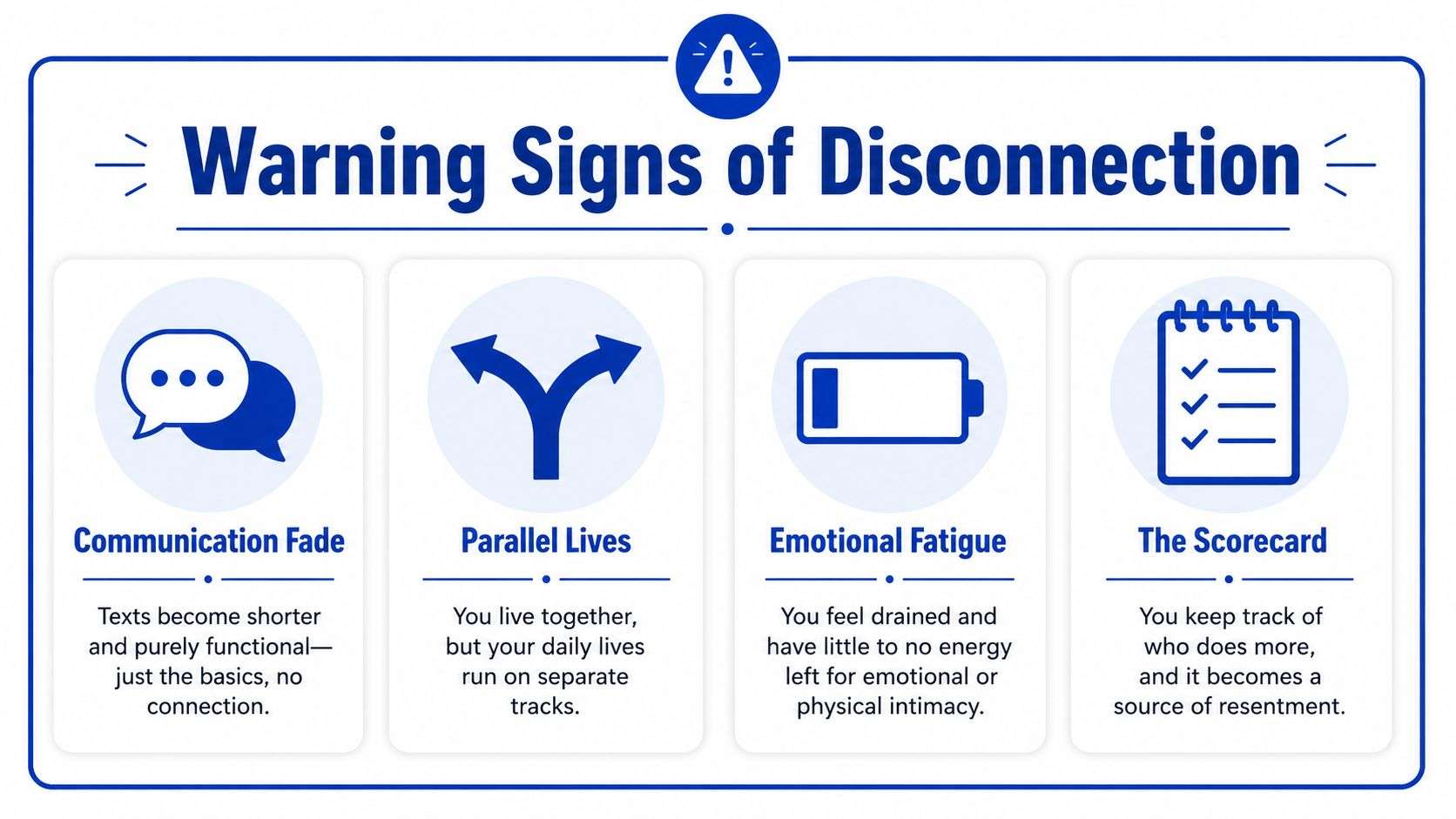
Communication fades into operations only
At first, many couples are proud of how efficient they've become. They coordinate pickups, groceries, bills, camp departures, and sleep windows like a team. But eventually every text starts sounding like dispatch.
Signs of communication fade include:
- Functional-only messaging about tasks, children, and schedules
- No emotional follow-up after hard days or stressful events
- Avoiding deeper topics because there never seems to be a good time
If the relationship only gets your leftover energy, emotional intimacy shrinks.
You start living parallel lives
This is one of the clearest warning signs. You're still under the same roof some of the time, but your inner lives stop overlapping. One partner knows the children's routines, school dynamics, and household details. The other knows site politics, camp stress, and exhaustion. Both become experts in separate worlds.
A couple in this pattern often says things like:
- “I don't know what to tell him anymore.”
- “She already has her own way of doing everything.”
- “We're fine when logistics are calm, but we don't feel close.”
Resentment becomes a running tally
Shift-work households easily drift into scorekeeping. Who missed sleep. Who did bedtime. Who had the longer week. Who gets to rest first. Who sacrifices more. That tally makes sense emotionally, but it poisons goodwill over time.
When couples start arguing from a spreadsheet of old hurts, they stop solving the problem in front of them.
Intimacy feels like one more demand
Physical closeness often drops first, but emotional closeness usually weakens before that. One partner may want touch as reassurance. The other may feel so depleted that any request feels like pressure. Neither response means the bond is gone. It does mean the connection needs active tending.
A brief self-check can help:
| Pattern | What it can sound like at home |
|---|---|
| Communication fade | “Just tell me what needs doing.” |
| Parallel lives | “You wouldn't understand my week anyway.” |
| Scorekeeping | “I always do more.” |
| Emotional fatigue | “I don't have anything left tonight.” |
When these signs become the norm rather than the exception, couples usually need more than better intentions. They need a different system.
Practical Strategies for Reconnecting and Coping
A common Peace Country scene looks like this. One partner gets home from a rotation wanting comfort, quiet, and a chance to come down from camp pace. The other has been holding the house, the bills, and the children together and wants help, conversation, and relief. Neither person is wrong. They are arriving at the same kitchen table in very different nervous-system states.
That mismatch is workable, but couples usually need structure, not more promises to “try harder.”
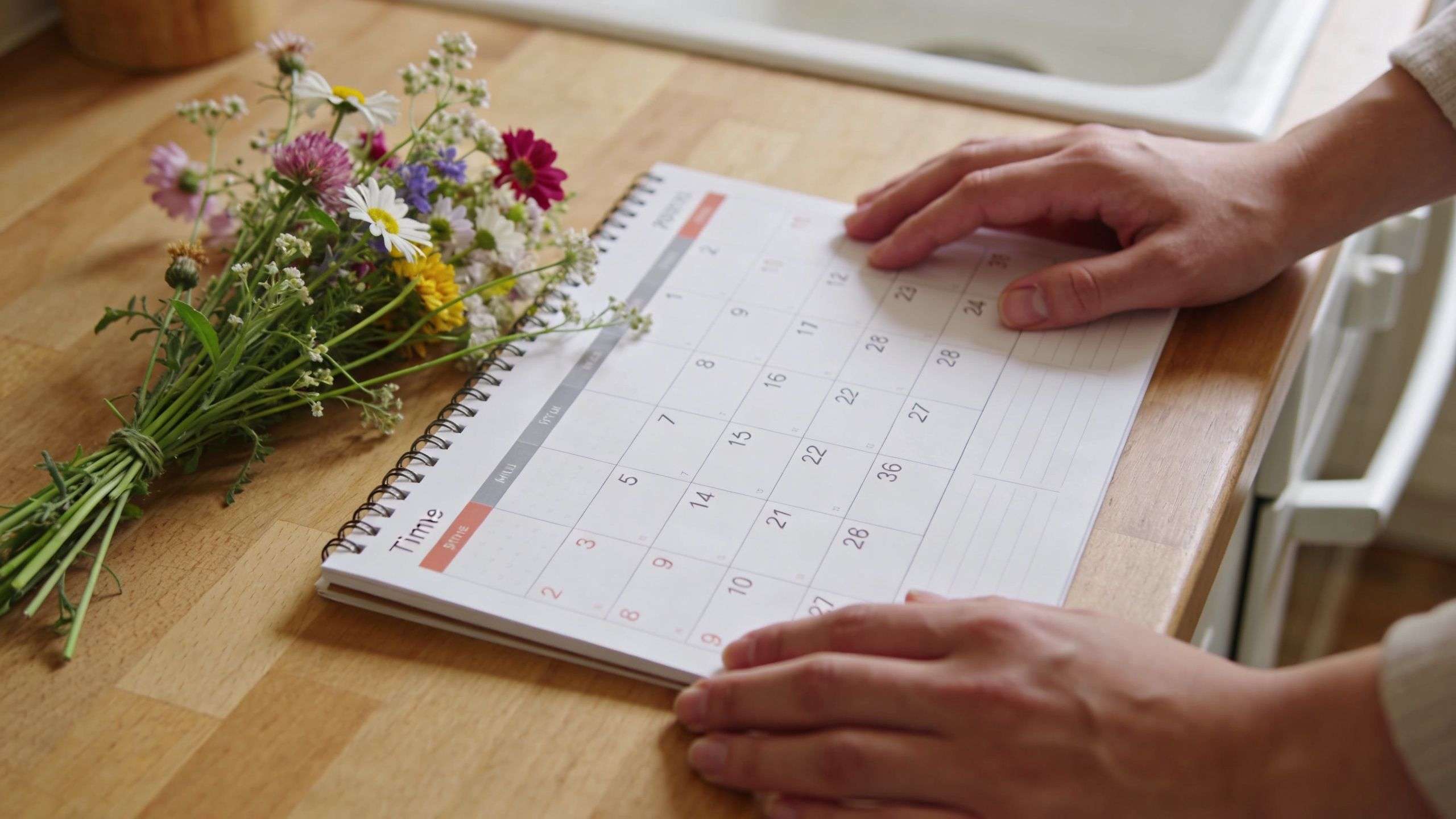
Choose timing that respects fatigue
Shift work affects attention, patience, and emotional control. A couple can love each other and still have a terrible conversation if one person is depleted, overstimulated, or running on broken sleep.
Set serious conversations for a time when both people have had food, rest, and a little breathing room. In practice, that often means not starting a loaded discussion right after a long drive home, after a night shift, or during a rushed handoff between work and family duties.
A useful script is simple: “We need to talk about money,” or “We need to sort out the next set of days. Can we do it tonight at seven?” That lowers defensiveness because nobody feels cornered.
Make reconnection small and repeatable
Rotational couples often aim too big. They wait for a full date night, a whole free weekend, or the perfect mood. In real households, especially in resource communities where schedules can change with weather, shutdowns, or production demands, connection survives better when it is modest and regular.
Small rituals work because they reduce uncertainty. Try one or two that fit your actual life:
- a brief check-in call at a predictable time while away
- a two-minute goodbye ritual before leaving for site
- a low-pressure reunion routine after coming home
- one shared habit on overlap days, such as coffee before the house wakes up
These routines are not glamorous. They are stabilizing.
Separate urgent issues from important ones
Many couples use the only available moment for the hardest topic. That usually backfires. A truck ride, a late-night kitchen conversation, or a text exchange between shifts can handle logistics. It usually cannot handle hurt, resentment, or trust concerns well.
Use three categories:
- Needs action now: schedule changes, child care, travel timing, safety concerns
- Needs acknowledgment now: “I know you're upset,” “I can see this has been hard”
- Needs a proper conversation later: sex, recurring resentment, debt, in-law strain, feeling emotionally abandoned
That distinction prevents small openings from turning into damaging fights.
Agree on a re-entry plan before the return home
The hardest part of rotational life is often the transition, not the time apart. Re-entry goes better when both partners know what the first day is for.
Spell it out. Who needs downtime first? Is the first evening for family connection, sleep recovery, or basic catch-up? When will you talk about chores, parenting decisions, or the next block of work? Clear expectations reduce the familiar pattern where one partner expects instant help and the other is barely functional.
I often encourage couples to treat return days as adjustment days. That is not lowering the standard for the relationship. It is respecting how people recover.
Protect the relationship from becoming a work project
In boom-and-bust regions, couples can get trapped in a survival mindset. During busy periods, the story becomes, “We just need to get through this stretch.” During layoffs, shutdowns, or reduced hours, the stress shifts to cash flow, debt, and fear about what comes next. Both phases can push the marriage to the side.
Money matters. So does the way money stress gets discussed.
Set a regular time to review finances so every conversation does not drift into spending, overtime, missed opportunities, or sacrifice. Keep that meeting practical. What is changing this month? What does each person feel pressure about? What decision needs to be made? This helps couples address the boom-bust cycle without letting it take over every moment of contact.
If trust has also become part of the strain during long stretches apart, some couples benefit from learning about spotting infidelity in long-distance relationships and then discussing fears directly rather than letting suspicion shape every interaction.
Use repair, not perfection
Healthy rotational couples are not the ones who never misread each other. They are the ones who repair faster.
Repair can sound like this:
- “I came in too hard. Let me try again.”
- “You needed comfort and I heard criticism.”
- “I do not agree with you yet, but I understand why you feel alone.”
- “Let's pause and pick this up when we can do it better.”
That kind of language rebuilds safety. Over time, safety matters more than having the perfect schedule or the perfect reunion.
Navigating Parenting and Family Life on Rotations
When children are in the picture, the strain becomes more layered. Research summarised in this review on shift work and divorce risk found that for shift-work couples with children under 19, the risk of divorce can increase significantly when one spouse works nights. The same source notes that working evening, night, or rotating shifts predicts higher depressive symptoms among both parents.
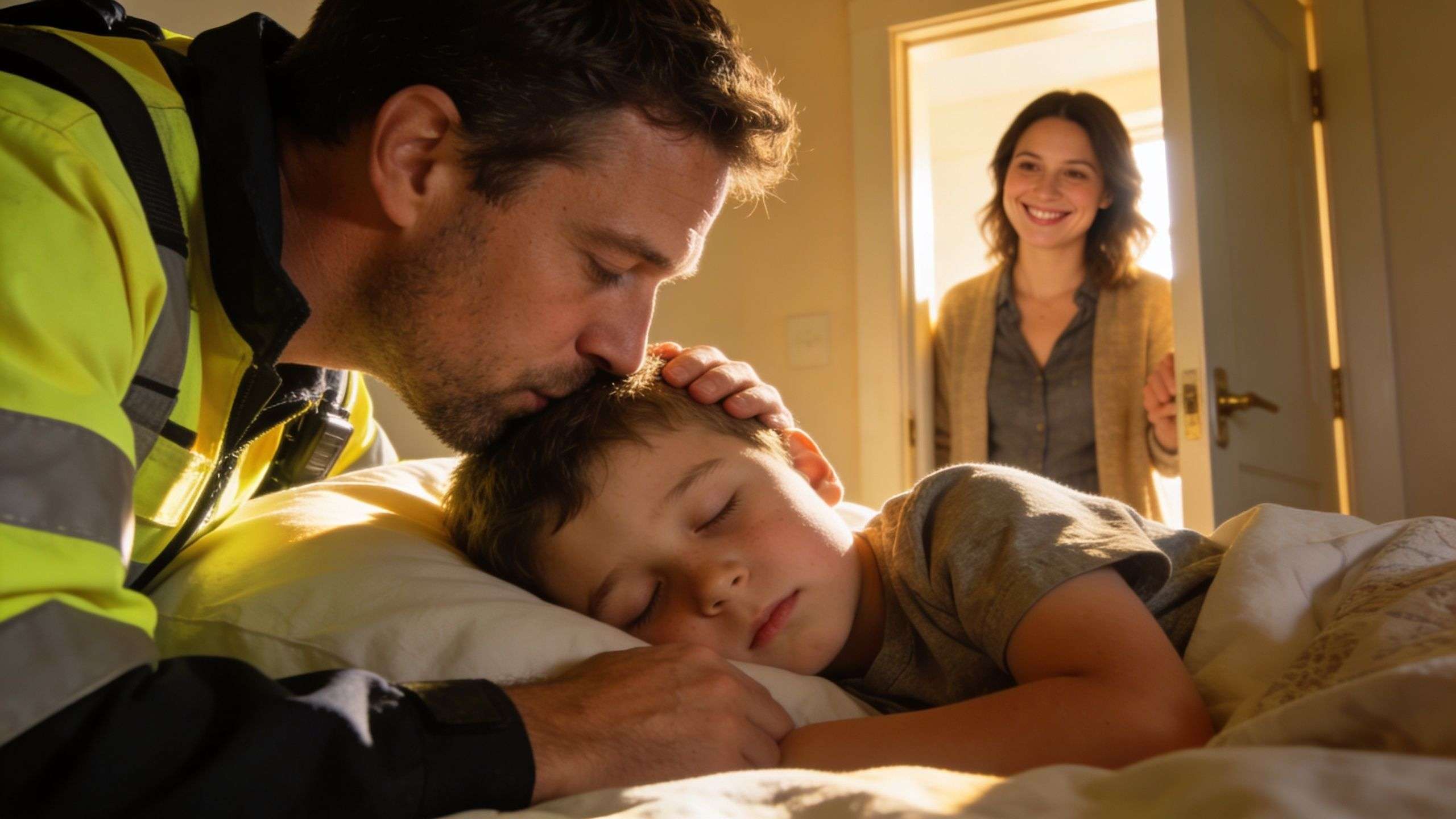
The at-home parent and the away parent both hurt
In many families, the at-home parent starts feeling like a single parent with a spouse who drops in and out. They may carry discipline, school communication, appointments, meals, laundry, and emotional containment for the children. By the time the working parent returns, resentment is already sitting at the table.
The away parent often feels a different kind of pain. They miss ordinary moments. They don't know the latest routines. They may come home eager to connect, then feel corrected, sidelined, or unsure of their place.
Both experiences are valid. Neither one is the whole story.
What helps children feel steadier
Children cope better when the family makes the rotation visible and predictable.
Helpful tools include:
- Visual calendars that show work days, return days, and family days
- Predictable contact routines such as a short video call before bed when possible
- Simple language about where the working parent is and when they'll be back
- Arrival rituals that reduce pressure, like reading one book together or sharing breakfast after rest
Children don't need perfection. They need clarity and repeated reassurance.
Keep the working parent involved in real parenting
It helps when the away parent stays connected to decisions, not just affection. That might mean reviewing the school email, recording a video for a child's tough day, or talking with the at-home partner about discipline and routines before returning. This protects the couple from a common trap where one becomes the manager and the other becomes the guest.
Some families also worry about what distance and secrecy can do to trust. If that fear has started creeping into the relationship, a grounded article on spotting infidelity in long-distance relationships may help couples discuss concerns more directly instead of letting suspicion grow in silence.
Children usually do best when parents act like a team, even when they can't share the same physical space every day.
Don't make reunion days do too much
One mistake many families make is trying to turn every return into a perfect family event. That creates pressure on everyone. Reunion days are often better when they're gentle, predictable, and realistic. Rest first. Reconnect second. Perform happiness less.
When to Consider Professional Support
A lot of couples wait too long to get help because they assume rotational strain should be manageable if they just try harder. In the Peace Country, that belief gets reinforced by the work culture. People are used to pushing through fatigue, weather, layoffs, camp demands, and long drives. Relationships usually do worse under that same approach.
Support makes sense when the stress has stopped being temporary and started becoming your normal.
Signs the strain is no longer self-correcting
Professional help is often the right next step when the same pattern keeps showing up across multiple rotations, especially if the cycle now feels bigger than the original problem. Watch for signs like these:
- Resentment that survives the reunion period, instead of easing once you are back in the same space
- Arguments that flare fast, or conversations that stay so guarded that nothing important gets said
- A relationship that feels increasingly functional and increasingly empty
- Trust that keeps eroding, whether the issue is secrecy, emotional withdrawal, inconsistent contact, or growing suspicion
- Money stress from layoffs, reduced hours, or boom-bust uncertainty spilling into blame, control, or panic
- Parenting conflict that hardens roles, with one parent carrying the mental load and the other struggling to re-enter family life
These are predictable stress responses. They still need attention.
I often tell couples to notice whether they are solving problems or only surviving them. If every home stretch is spent recovering from the last separation, and every departure reopens the same wound, outside support can interrupt that loop.
What counselling can help with
Effective counseling for shift-work couples focuses on practicality. It should assist partners in identifying the cycles that trap them, reducing defensiveness, and establishing agreements that fit rotational life. This may involve re-entry conversations, repairing connections after missed calls or unmet expectations, setting conflict rules for exhausted days, and developing clearer methods for sharing parenting and financial decisions even when one partner is away.
For Peace Country families, the financial piece often needs more attention than generic couples advice gives it. Income can be strong one season and shaky the next. That uncertainty changes how couples argue, save, plan, and tolerate risk. Therapy can help separate the objective pressure of the work from the personal story each partner starts telling about it, such as "you care more about money than us" or "you do not understand what it takes to keep this family afloat."
Access matters too. Some couples prefer in-person sessions. Others need virtual appointments because one partner is on site, in camp, between towns, or working around a roster that changes with very little notice. The best support is support you can attend consistently.
Frequently Asked Questions
Can a healthy marriage survive shift work in the Peace Country
Yes. Many couples do build solid, loving relationships under demanding rotational schedules. What helps most is accepting that the relationship needs a deliberate system. Hope alone won't carry it. Clear rituals, realistic expectations, and repair after disconnection matter.
What if we're too tired to talk when we finally have time
Then don't force a high-stakes conversation in a low-capacity moment. Use brief emotional check-ins first. Save problem-solving for a better recovery window. A short “I'm glad you're home, I'm stretched thin, and I want to talk tomorrow” is often far more effective than pushing through exhaustion.
How do we handle financial anxiety tied to boom-bust work
Treat financial stress as a shared problem, not one partner's burden or one partner's fault. Couples usually do better when they schedule regular money conversations, build contingency plans during stronger periods, and separate income uncertainty from personal blame. In resource regions, career and financial fears often intensify relationship stress unless they're discussed openly.
Is it normal to feel suspicious or emotionally distant during long rotations
Yes. Distance can amplify insecurity, especially when communication becomes thin or inconsistent. Those feelings don't automatically mean something is wrong, but they do need attention. Talk about reassurance, transparency, and expectations before suspicion hardens into accusation.
If this article felt familiar, it may help to have structured support that understands both relationship strain and the realities of rotational work. Interactive Counselling offers compassionate, evidence-informed care for couples and families through in-person, phone, and secure virtual sessions, making it easier to get help that fits demanding schedules and remote living.
Clinically Reviewed By
Amy Mosset, MCP, RCC-S
Amy Mosset is a Master Practitioner in Clinical Counselling, Clinical Supervisor, and the owner of Interactive Counselling. She provides trauma-informed, evidence-based care and clinical supervision to registered therapists, with a focus on ethical practice, client safety, and high-quality therapeutic outcomes.