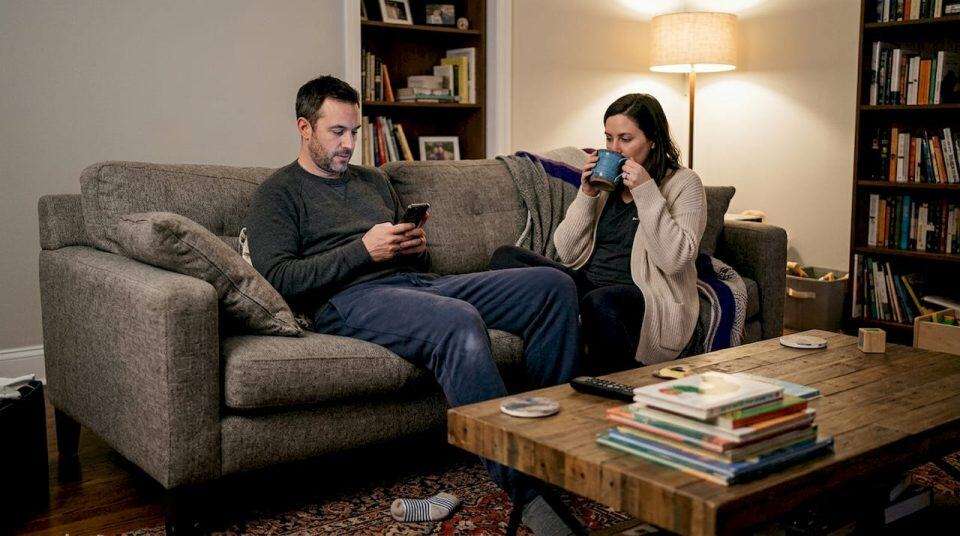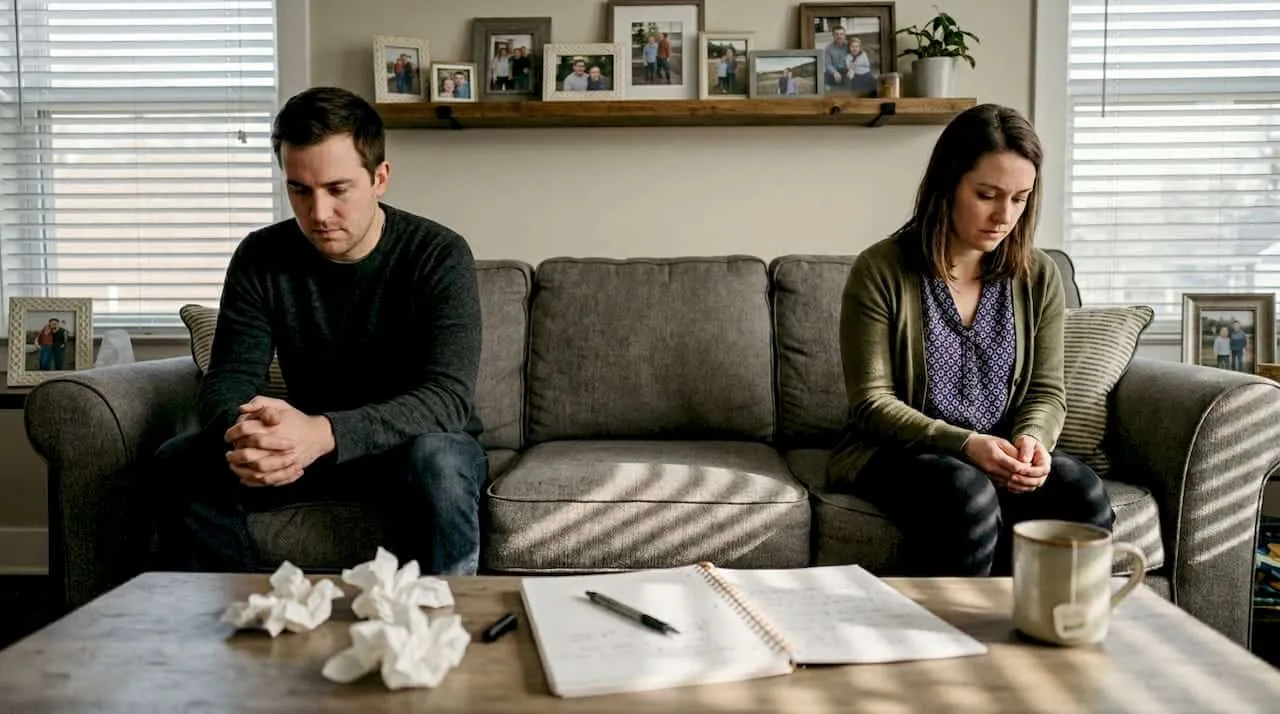
Childhood experiences shape adult relationships in ways most couples never recognise. When unresolved trauma from your early years enters your marriage, it creates invisible barriers to intimacy, trust, and communication. These patterns often feel inexplicable, leaving partners confused about why conflicts escalate or emotional distance persists. Understanding how past wounds influence present dynamics opens pathways to healing. Professional therapy offers evidence-based approaches to break harmful cycles, rebuild connection, and create the secure relationship you deserve.
Table of Contents
- Understanding Childhood Trauma And Its Impact On Marriage
- How Childhood Trauma Manifests In Marital Relationships
- Healing Through Therapy: Approaches And Benefits For Couples
- Overcoming Challenges And Building Resilient Marriages
- How Professional Counselling Supports Healing Journeys
- FAQ
Key takeaways
| Point | Details |
|---|---|
| Trauma shapes behaviour | Childhood experiences directly influence how you communicate, trust, and resolve conflict in marriage |
| Recognition enables healing | Identifying trauma-related patterns helps partners develop empathy and break destructive cycles |
| Therapy provides solutions | Marriage counselling and trauma-focused approaches offer proven tools to rebuild safety and intimacy |
| Commitment matters | Sustained effort through professional guidance leads to stronger, more resilient partnerships |
Understanding childhood trauma and its impact on marriage
Childhood trauma encompasses experiences that overwhelm a young person’s ability to cope, including physical or emotional abuse, neglect, parental substance abuse, household violence, or significant loss. These events aren’t just memories. They fundamentally alter brain development, particularly in regions governing emotional regulation and stress response. Childhood trauma significantly affects adult brain development and relationship patterns, creating lasting impacts that surface in marriage.
When trauma occurs during formative years, your nervous system learns to prioritise survival over connection. This biological adaptation served you well as a child but becomes problematic in adult relationships. You might struggle with trust, even when your partner consistently demonstrates reliability. Emotional triggers can activate intense reactions that seem disproportionate to current situations. Communication barriers emerge because expressing vulnerability feels dangerous.
Common impacts on marriage include:
- Difficulty trusting your partner’s intentions or commitment
- Hypervigilance about potential abandonment or betrayal
- Emotional withdrawal when conflicts arise
- Intense reactions to seemingly minor disagreements
- Challenges maintaining emotional or physical intimacy
- Patterns of pursuing connection then pushing away
Pro Tip: Notice when your emotional reactions feel bigger than the situation warrants. These moments often signal trauma responses rather than present-day threats, helping you distinguish past wounds from current reality.
Many couples never connect their relationship struggles to childhood experiences. You might blame your partner’s behaviour or question compatibility without realising trauma counselling could address root causes. Recognising trauma as a hidden but persistent influence transforms confusion into actionable understanding. This awareness becomes the foundation for healing work that strengthens your marriage rather than dismantling it.
How childhood trauma manifests in marital relationships
Trauma creates predictable patterns in how couples interact, often without conscious awareness. The pursuer-withdrawer dynamic affects 45% of couples seeking therapy, where one partner seeks connection whilst the other creates distance. This pattern frequently stems from childhood attachment disruptions. If you experienced inconsistent caregiving, you might pursue reassurance constantly. Conversely, overwhelming or intrusive parenting often leads to withdrawal when intimacy feels suffocating.
Attachment disruptions manifest in three primary styles within marriage. Anxious attachment creates fear of abandonment, leading to constant reassurance-seeking and heightened sensitivity to perceived rejection. Avoidant attachment produces discomfort with closeness and preference for emotional independence. Disorganised attachment, common after severe trauma, creates simultaneous desire for and fear of intimacy, resulting in confusing push-pull dynamics.
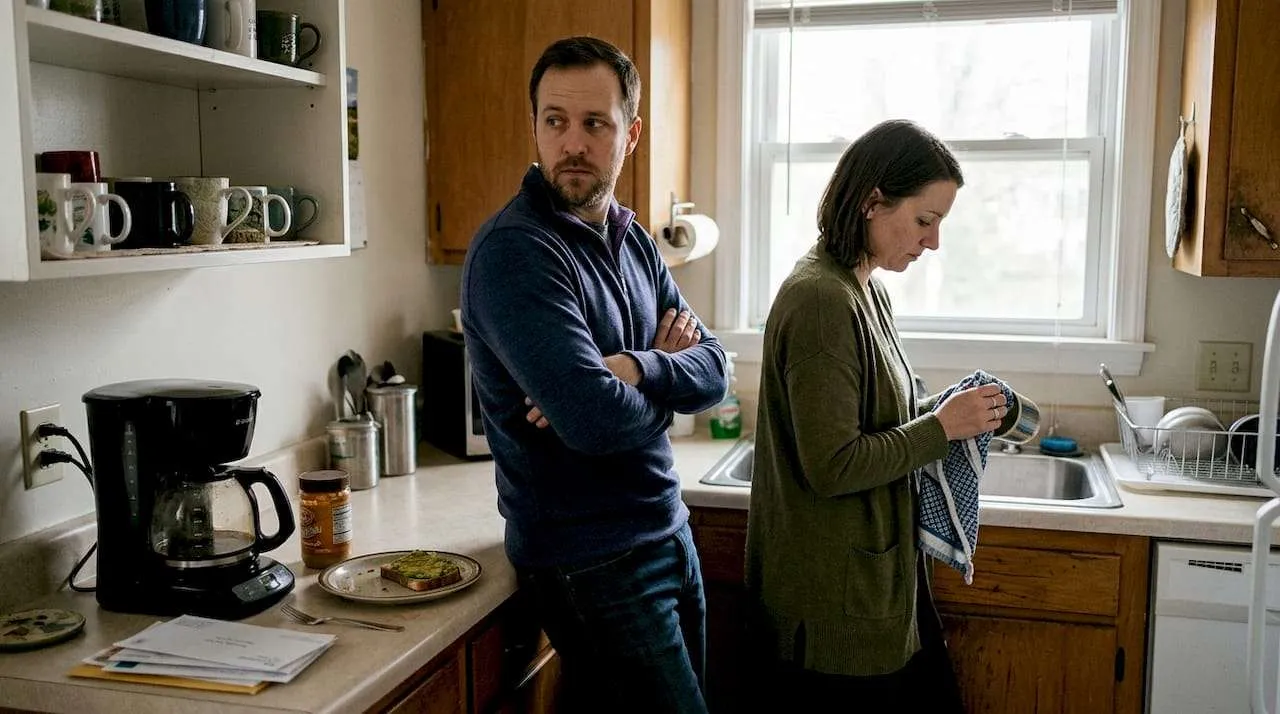
Emotional neglect in childhood relates to withdrawal and difficulty with intimacy in adult relationships. When caregivers consistently dismissed your emotional needs, you learned feelings were burdensome or irrelevant. This conditioning makes vulnerability in marriage feel unsafe. You might intellectualise problems rather than sharing feelings, or dismiss your partner’s emotional expressions as excessive.
Conflict resolution becomes particularly challenging when both partners carry trauma. Disagreements trigger survival responses rather than collaborative problem-solving. One partner might become aggressive or defensive whilst the other shuts down completely. These reactions aren’t choices but automatic nervous system responses developed in childhood.
| Trauma-related behaviour | Impact on marriage | Common trigger |
|---|---|---|
| Emotional withdrawal | Partner feels rejected and alone | Perceived criticism or conflict |
| Hypervigilance | Constant tension and misinterpretation | Uncertainty about partner’s mood |
| Trust difficulty | Inability to rely on partner | Past betrayal or inconsistency |
| Communication shutdown | Unresolved conflicts accumulate | Feeling overwhelmed or unsafe |
| Intimacy avoidance | Physical and emotional distance | Vulnerability requirements |
Pro Tip: When you notice pursuer-withdrawer patterns emerging, pause and name the cycle aloud. This simple acknowledgment interrupts automatic responses and creates space for conscious choice.
Trauma also affects how you interpret your partner’s behaviour. If childhood experiences taught you people are unpredictable or dangerous, you might perceive neutral actions as threatening. Your partner’s need for alone time becomes evidence of abandonment. Their frustration about household tasks transforms into confirmation they find you inadequate. These misinterpretations fuel conflicts that have little to do with present circumstances.
Emotional intimacy requires vulnerability, which trauma survivors often find terrifying. Sharing fears or needs means risking rejection or ridicule, experiences that may have defined your childhood. Consequently, you might maintain emotional walls even whilst craving deeper connection. Your partner experiences this as coldness or disinterest, never understanding the protective function these barriers serve.
Healing through therapy: approaches and benefits for couples
Professional therapy provides structured pathways for addressing trauma’s impact on marriage. Marriage counselling and trauma-informed therapy significantly improve communication and emotional safety. Unlike self-help approaches, professional guidance offers expertise in navigating complex trauma responses whilst maintaining relationship stability.
Several therapeutic approaches effectively address childhood trauma within marriage contexts:
- Trauma-focused therapy helps you process childhood experiences and reduce their emotional charge, decreasing automatic survival responses in current relationships
- Cognitive behavioural therapy identifies and restructures thought patterns linking past experiences to present interpretations, reducing misattributions about partner behaviour
- Emotionally focused therapy rebuilds secure attachment by helping partners express underlying needs and respond with empathy rather than defensiveness
- Gottman method teaches practical skills for managing conflict, building friendship, and creating shared meaning whilst addressing trauma-related patterns
- Internal family systems therapy works with different parts of your psyche, helping traumatised aspects feel heard whilst strengthening your capacity for present-focused relating
Therapy benefits accumulate progressively. Initially, you gain awareness about how trauma influences your relationship patterns. This understanding alone reduces shame and blame, replacing judgment with compassion. Next, you learn to recognise trauma responses as they occur, creating pause between trigger and reaction. This space allows conscious choice rather than automatic defensiveness or withdrawal.
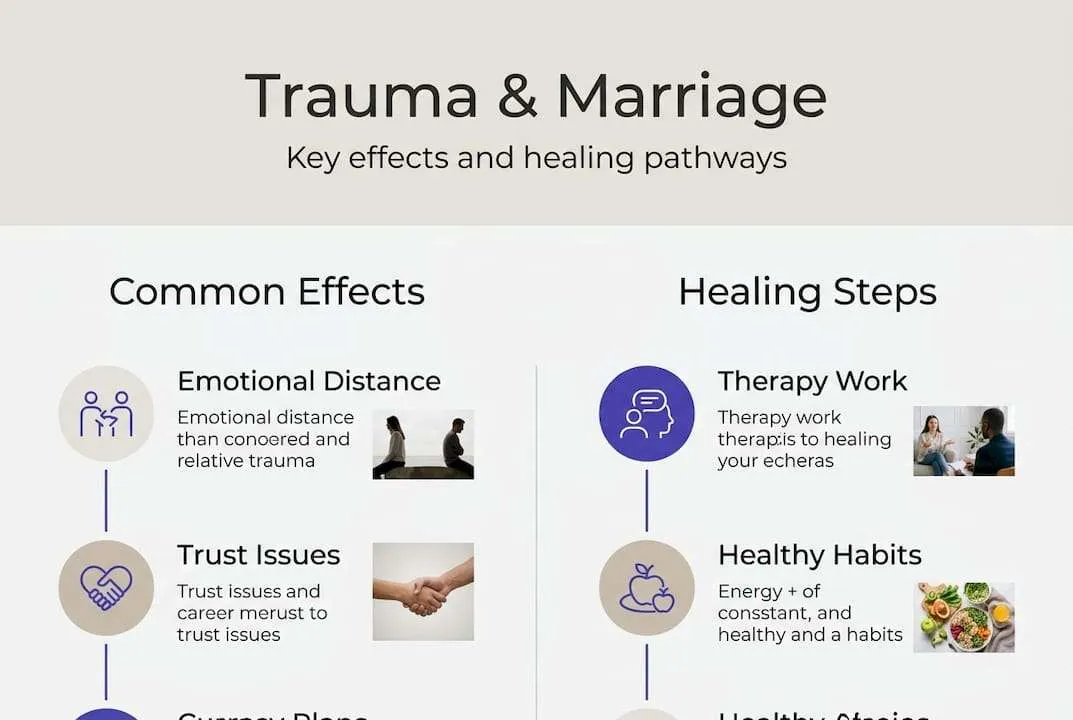
As therapy progresses, you develop new communication skills specifically designed for trauma survivors. These techniques acknowledge emotional sensitivity whilst building capacity for difficult conversations. You practise expressing needs without aggression and hearing criticism without shutting down. Your partner learns to provide reassurance effectively and respect boundaries appropriately.
| Therapy approach | Primary focus | Expected outcomes |
|---|---|---|
| Trauma-focused | Processing childhood experiences | Reduced emotional reactivity and triggers |
| Cognitive behavioural | Restructuring thought patterns | Improved interpretation of partner behaviour |
| Emotionally focused | Rebuilding secure attachment | Enhanced emotional intimacy and trust |
| Gottman method | Practical relationship skills | Better conflict management and friendship |
Pro Tip: Commit to at least 12 sessions before evaluating therapy effectiveness. Healing trauma takes time, and initial discomfort often precedes breakthrough moments.
Personalised therapy plans address your specific trauma history and relationship challenges. Your therapist might combine approaches, using trauma processing techniques individually whilst teaching communication skills in couples sessions. This integrated strategy ensures childhood wounds heal whilst simultaneously strengthening your partnership. Professional trauma counselling adapts to your pace, never pushing faster than you can integrate new insights.
Therapy also helps distinguish between trauma responses and genuine relationship incompatibilities. Sometimes patterns that seem like fundamental differences actually reflect protective mechanisms developed in childhood. As these mechanisms soften through healing work, you might discover compatibility you couldn’t previously access. Alternatively, therapy provides clarity about whether relationship challenges stem from resolvable trauma impacts or deeper misalignments.
Overcoming challenges and building resilient marriages
Healing from childhood trauma within marriage presents predictable obstacles. Resistance often surfaces when therapy asks you to change familiar patterns, even dysfunctional ones. These behaviours feel safe because they’re known. Trying new approaches activates anxiety, sometimes causing temporary relationship tension. Couples often struggle with setbacks during healing but sustained effort leads to stronger bonds.
Emotional overwhelm frequently occurs as you process previously avoided feelings. Childhood trauma often involved suppressing emotions for survival. Therapy invites these feelings to surface, which can feel destabilising. You might experience increased irritability, sadness, or anxiety initially. Your partner may struggle witnessing your pain or managing their own emotional responses. This phase requires tremendous patience and commitment from both individuals.
Rebuilding trust presents particular challenges when trauma involved betrayal or abandonment. Even with a trustworthy partner, your nervous system remains vigilant for danger. Small disappointments might trigger disproportionate reactions. Your partner may feel frustrated that consistent reliability doesn’t quickly resolve your trust difficulties. Understanding that trust rebuilds gradually through repeated positive experiences helps maintain realistic expectations.
Practical strategies for strengthening marriage resilience include:
- Establishing regular check-ins where both partners share feelings without problem-solving
- Creating safety agreements about how to handle emotional flooding or shutdown
- Practising repair attempts after conflicts, acknowledging missteps and reconnecting
- Celebrating small progress rather than focusing only on remaining challenges
- Maintaining individual therapy alongside couples work when needed
- Setting healthy boundaries that honour both connection needs and autonomy requirements
Self-care becomes essential during intensive healing work. Trauma processing depletes emotional resources, making stress management crucial. Prioritise sleep, nutrition, movement, and activities that regulate your nervous system. When you neglect self-care, you have less capacity for relationship challenges, increasing conflict frequency and intensity.
Mental health prioritisation means recognising when you need additional support. Sometimes individual therapy addresses personal trauma more effectively before or alongside couples work. Other times, psychiatric consultation about medication can stabilise mood enough to engage in therapy productively. There’s no shame in using all available resources to support your healing journey.
Realistic expectations prevent discouragement. Trauma healing isn’t linear. You’ll experience progress followed by setbacks, breakthroughs followed by plateaus. Some weeks feel transformative whilst others seem stagnant. This variability is normal, not evidence of failure. Understanding marriage counselling effectiveness helps maintain commitment during difficult phases.
Steady professional guidance provides stability when your own perspective feels unclear. Your therapist recognises patterns you can’t see and offers hope when progress feels impossible. They celebrate achievements you might dismiss and contextualise setbacks you might catastrophise. This consistent, informed support becomes an anchor throughout your healing journey.
Preparing for couples counselling by identifying specific goals and committing to vulnerability accelerates progress. Come ready to examine your own contributions to relationship patterns rather than focusing solely on your partner’s behaviour. This accountability, combined with compassion for how trauma shaped those contributions, creates optimal conditions for transformation.
How professional counselling supports healing journeys
Professional counselling offers expert guidance specifically designed to address childhood trauma’s impact on marriage. Therapists trained in trauma-informed approaches understand how past experiences shape present behaviour, providing interventions that feel safe whilst promoting growth. Professional counselling services create confidential spaces where you can explore vulnerable feelings without judgment.
Marriage counselling services help couples develop communication skills, rebuild trust, and strengthen emotional connection whilst addressing trauma-related patterns. These sessions provide structured opportunities to practise new behaviours with professional support, accelerating learning beyond what couples achieve independently. Trauma counselling services address individual healing needs that complement relationship work.
Taking the first step towards counselling transforms confusion into actionable direction. Many couples report relief simply from scheduling an initial appointment, knowing they’re finally addressing long-standing challenges. Professional support tailors interventions to your specific circumstances, ensuring therapy addresses your unique trauma history and relationship dynamics rather than applying generic approaches.
FAQ
What are the signs childhood trauma is affecting my marriage?
Common signs include intense emotional reactions that seem disproportionate to situations, difficulty trusting your partner despite their reliability, communication breakdowns where conversations escalate quickly, and repetitive conflict patterns that never resolve. You might notice emotional withdrawal when intimacy increases or hypervigilance about potential abandonment. Physical intimacy challenges, difficulty expressing needs, or feeling emotionally numb also indicate trauma impacts. Reflecting on whether current reactions mirror childhood experiences helps identify connections. Professional therapy provides clarity about which patterns stem from trauma versus other relationship factors.
Can therapy really help couples dealing with childhood trauma?
Yes, marriage counselling and trauma-focused therapy demonstrate significant improvements in relationships affected by trauma. Therapy provides tools to improve communication, create emotional safety, and rebuild trust through structured interventions. Evidence supports long-term benefits when couples commit to the process, with many reporting stronger connections than they thought possible. Marriage counselling effectiveness increases when both partners engage actively and therapists use trauma-informed approaches. Healing takes time but produces lasting relationship transformation.
How can we support a partner with childhood trauma?
Practise patience, recognising that healing occurs gradually rather than immediately. Active listening without trying to fix or minimise their experiences shows you value their feelings. Avoid blame when trauma responses surface, understanding these reactions aren’t choices but automatic nervous system activation. Encourage joint therapy where both partners learn about trauma’s impact and develop skills together. Open dialogue about triggers and needs helps you respond supportively rather than defensively. Supporting trauma-affected partners requires balancing compassion with healthy boundaries, ensuring you don’t sacrifice your own wellbeing whilst providing support.
How long does healing from childhood trauma take in marriage?
Healing timelines vary significantly based on trauma severity, relationship dynamics, and therapy consistency. Most couples notice initial improvements within three to six months of regular therapy, though deeper transformation typically requires one to two years of sustained work. Some patterns shift quickly whilst others need repeated practice before becoming automatic. Trauma processing itself often takes longer than relationship skill-building, so individual and couples therapy might proceed simultaneously. Progress isn’t linear, expect periods of rapid growth alternating with plateaus. Commitment to the process matters more than speed, as rushing healing often creates setbacks.
Should we try individual therapy before couples counselling?
This depends on your specific situation. When trauma symptoms significantly impair daily functioning or one partner needs extensive processing work, individual therapy first or alongside couples work proves beneficial. However, many couples successfully begin with marriage counselling that incorporates trauma awareness, adding individual sessions if needed. Discuss this decision with a therapist during initial consultation, as they can assess which approach suits your circumstances. Some couples alternate between individual and joint sessions, whilst others focus primarily on relationship work. The key is ensuring both individual healing and relationship growth receive adequate attention throughout your journey.
Recommended
- Overcome emotional neglect in marriage: reconnect in 2026
- How to save a marriage when only one wants to in 2026
- Rebuilding emotional intimacy in couples: a 2026 guide
- Recognise signs your marriage is over and decide next steps