In so many homes across Vernon, an incredible act of love is quietly unfolding every day: family caregiving. If you're a caregiver, you know the emotional territory is complex. It’s a landscape of deep affection, relentless exhaustion, and sometimes, a confusing mix of guilt and isolation—all amplified by the unique dynamics of living in a smaller, tight-knit community with a significant aging population. For more information, see our Vernon family counselling.
The emotional impact of caregiving in Vernon families is the unseen weight of deep love and profound personal sacrifice that reshapes relationships and mental health, often intensified by the area's aging population and limited local resources. For more information, see our counselling in Vernon.
This isn't just another article. It's a moment for you to pause, breathe, and feel seen. For more information, see our family counselling.
The Unseen Weight of Caregiving in Vernon
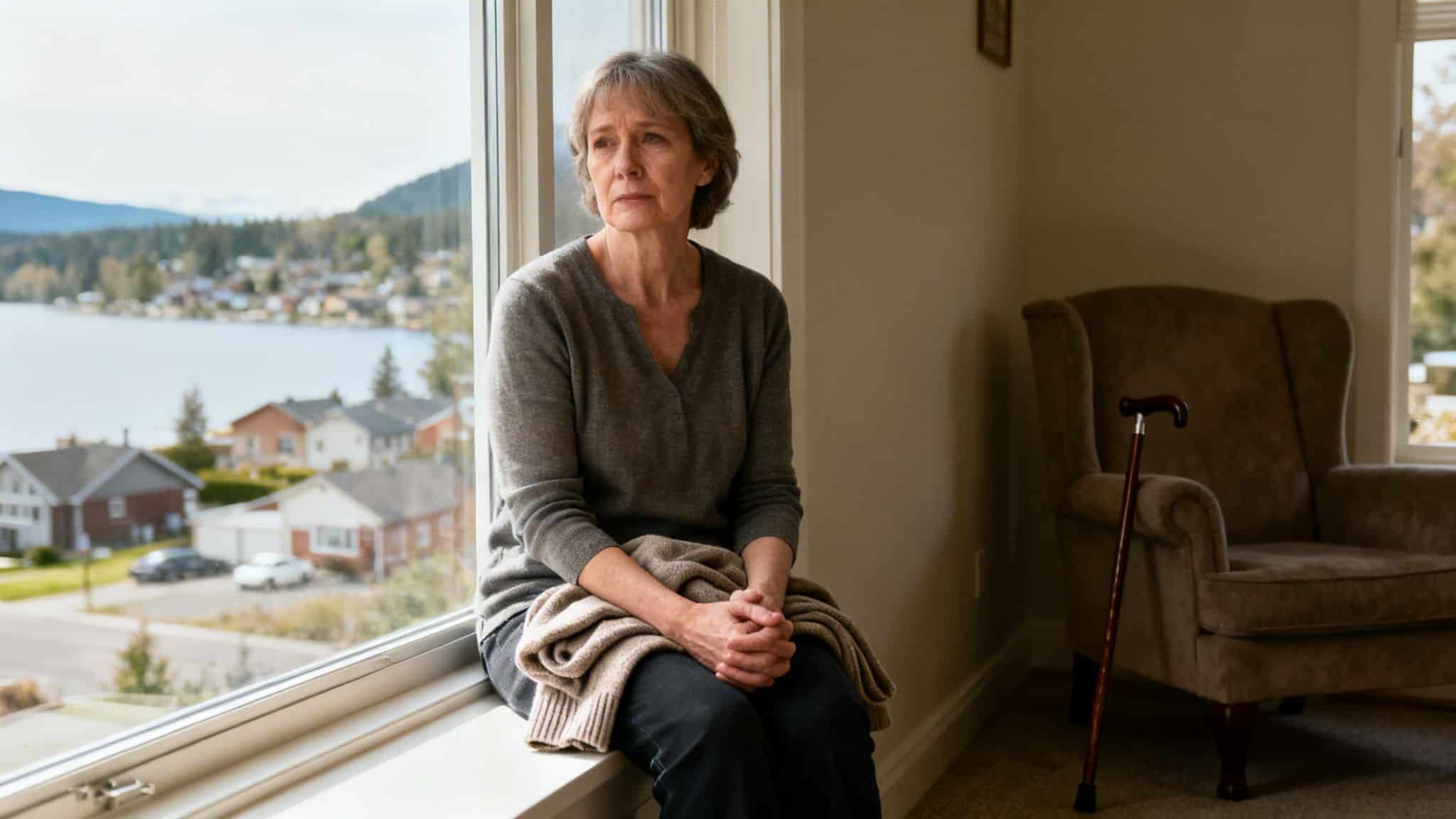
Caregiving isn’t just about managing appointments and medications; it’s an emotional marathon without a clear finish line. Here in Vernon, that role often comes with its own set of pressures. With our noticeable senior demographic and many multigenerational families living under one roof, the responsibility often lands on the shoulders of people already juggling careers, raising their own kids, and trying to keep their own lives on track.
It can be a quiet journey. So many caregivers feel like they're the only ones wrestling with these complicated feelings. But the truth is, your neighbours, friends, and fellow community members are right there with you, navigating a similar path.
The Local Context of Caregiving
Several realities of life in Vernon can make the emotional load of caregiving feel even heavier:
- An Aging Population: With a higher-than-average percentage of seniors, the need for long-term care is immense, and families are increasingly the ones providing it.
- Multigenerational Living: While these homes are often filled with love, they also create tricky dynamics. It's common for one person—often part of the "sandwich generation"—to be stretched thin caring for both their children and an aging parent.
- Limited Local Resources: In a smaller city, specialized support services can be less available or have long waitlists. This often forces family caregivers to fill in the gaps, adding to their burden.
The intense demands of specialized roles, like dementia caregiving, are a massive contributor to stress and burnout. These situations demand constant emotional resilience and vigilance, leaving many feeling utterly depleted.
Our goal here isn't to give you another to-do list. It's to offer a hand to hold. We'll walk through the emotional side of caregiving, validating what you're feeling and sharing practical, compassionate ways to find more support and feel less alone. We also have another article that explores why life transitions feel heavier in smaller communities like Vernon, which you may find helpful.
Navigating the Complex Emotions of a Caregiver
The emotional life of a caregiver often feels like trying to navigate a storm without a map. One minute you might be filled with a profound sense of love and purpose; the next, you’re wrestling with guilt, resentment, or a wave of overwhelming sadness. These aren't just random feelings—they are a completely normal and human response to a role that asks so much of your heart and energy.
It’s incredibly easy to feel lost in this emotional whirlwind, especially when you’re trying to hold it all together for everyone else. This constant responsibility can lead to a state of emotional depletion, where it feels like you have nothing left to give—not to your loved one, not to your family, and certainly not to yourself.
Acknowledging the Full Spectrum of Feelings
Caregiving is rarely just one feeling at a time. It’s almost always a complicated, contradictory mix of emotions that can shift from one day to the next. Holding all of them at once is okay; it’s simply part of the human experience of this demanding role.
Some of the most common, yet often unspoken, feelings include:
- Love and Joy: There are beautiful moments of deep connection and purpose that come from caring for someone you love.
- Guilt: You might feel guilty for not doing enough, for feeling tired, for wanting a break, or even for having negative thoughts.
- Resentment: It's natural to sometimes resent how your caregiving duties have taken over your freedom, career, or social life.
- Anger and Frustration: Feeling angry at the situation, the illness, the lack of support, or even the person you’re caring for is a common, though difficult, emotion.
- Sadness and Grief: You may be grieving the loss of the person as they once were, or the life you had before caregiving began.
This emotional landscape is often intensified by the realities of life in a smaller community. The isolation can feel more pronounced when support systems seem few and far between, making the emotional impact of caregiving in Vernon families a uniquely challenging experience.
In a community like Vernon, where a significant portion of the population are seniors, the responsibility of care often falls heavily on families. This isn't just a local feeling; British Columbia-wide data shows that many Canadians provide care to family members with long-term health conditions. Within this group, women often shoulder a larger share of the burden, and many caregivers are in the 45-64 age bracket—a key demographic right here in Vernon. It’s a quiet reminder that many of your neighbours are navigating the same struggles. Learn more about Vernon's community and caregiver statistics on Canada.ca.
From Emotional Strain to Depletion
Emotional strain isn't just about feeling sad or stressed. It’s a gradual wearing down of your inner resources, happening when the demands placed on you consistently outstrip your ability to cope. Think of your emotional energy like a battery; every difficult conversation, every worry, and every task drains it a little.
Without a real chance to recharge, that battery eventually runs dangerously low, leading to what many call emotional depletion or burnout. You might start to feel detached, numb, or simply unable to muster the empathy that once came so easily. This isn't a personal failure. It’s a clear signal from your mind and body that you are carrying far too much.
Recognizing these feelings is the first real step toward finding relief. You are not a bad person for feeling resentful, you are not weak for feeling sad, and you are certainly not alone in feeling overwhelmed. Your emotions are valid and deserve to be heard and understood. By putting a name to what you're feeling, you can begin to find a path back toward balance and well-being.
How to Spot the Warning Signs of Caregiver Stress and Burnout
So, how can you tell when the normal, everyday stress of being a caregiver is tipping over into something more serious? Knowing the difference between manageable stress and full-blown burnout is one of the most important things you can do for yourself. It’s not a sign of weakness; it’s a sign of self-awareness.
For families here in Vernon, the emotional toll of caregiving often creeps in quietly. The signs can be so subtle at first that it’s easy to brush them off as just a bad day or a tough week. But recognizing them is your first real step toward getting back on solid ground.
Burnout doesn’t happen overnight. It’s a slow burn that might start with feeling a little more tired than usual. Before you know it, that tiredness becomes a deep, persistent exhaustion that a good night's sleep just can't seem to touch. That little bit of irritability you felt last week? It can slowly morph into uncharacteristic anger or a heavy feeling of wanting to pull away from the very people you love.
From Stress to Burnout: What to Look For
It can be tough to tell the difference between feeling stressed and being truly burnt out. Think of stress as feeling overwhelmed and frantic, while burnout is more about feeling empty and checked out.
To make it clearer, here’s a look at how the signs can differ:
Signs of Caregiver Stress vs. Burnout
| Indicator | Caregiver Stress | Caregiver Burnout |
|---|---|---|
| Emotional State | Anxiety, irritability, worry. | Feeling empty, hopeless, and detached. |
| Engagement | A sense of urgency and hyperactivity. | Disengagement and emotional withdrawal. |
| Energy Levels | Feeling drained but can bounce back with rest. | Chronic, bone-deep exhaustion. |
| Outlook | Can still find moments of enjoyment. | A cynical, negative outlook on everything. |
| Physical Symptoms | Headaches, stomach upset, muscle tension. | Frequent illness, changes in sleep/appetite. |
Recognizing where you fall on this spectrum is the first step. Stress requires management, but burnout requires intervention and support to recover.
The Physical Toll
Long before you might admit there's a problem, your body is probably already sending up flares. We often write off these physical symptoms as just part of getting older or having a packed schedule, but they are frequently direct signs that your stress levels have become unsustainable.
Keep an eye out for these physical red flags:
- Unrelenting Exhaustion: This isn't just being tired. It’s a fatigue that sticks with you day in and day out, no matter how much you rest.
- Sleep Issues: You might find yourself unable to fall asleep, waking up constantly, or, on the flip side, sleeping far more than you used to.
- Getting Sick More Often: Are you catching every cold that goes around? A weakened immune system is a classic sign of chronic stress.
- Aches, Pains, and Headaches: New or worsening health issues like frequent headaches, digestive problems, or body aches can be your body’s way of sounding the alarm.
The reality of this strain in British Columbia is sobering. Research shows that a high percentage of family caregivers have been in their role for at least a year. That long-term commitment often leads to depression and a significant decline in their own health. The pressure is even greater when caring for someone with behavioural or cognitive challenges, putting caregivers at a much higher risk for their own health crises.
This chart can help you map out your feelings. If you're feeling constantly overwhelmed, it’s a strong signal that you need more than just a quick break—you need real support.
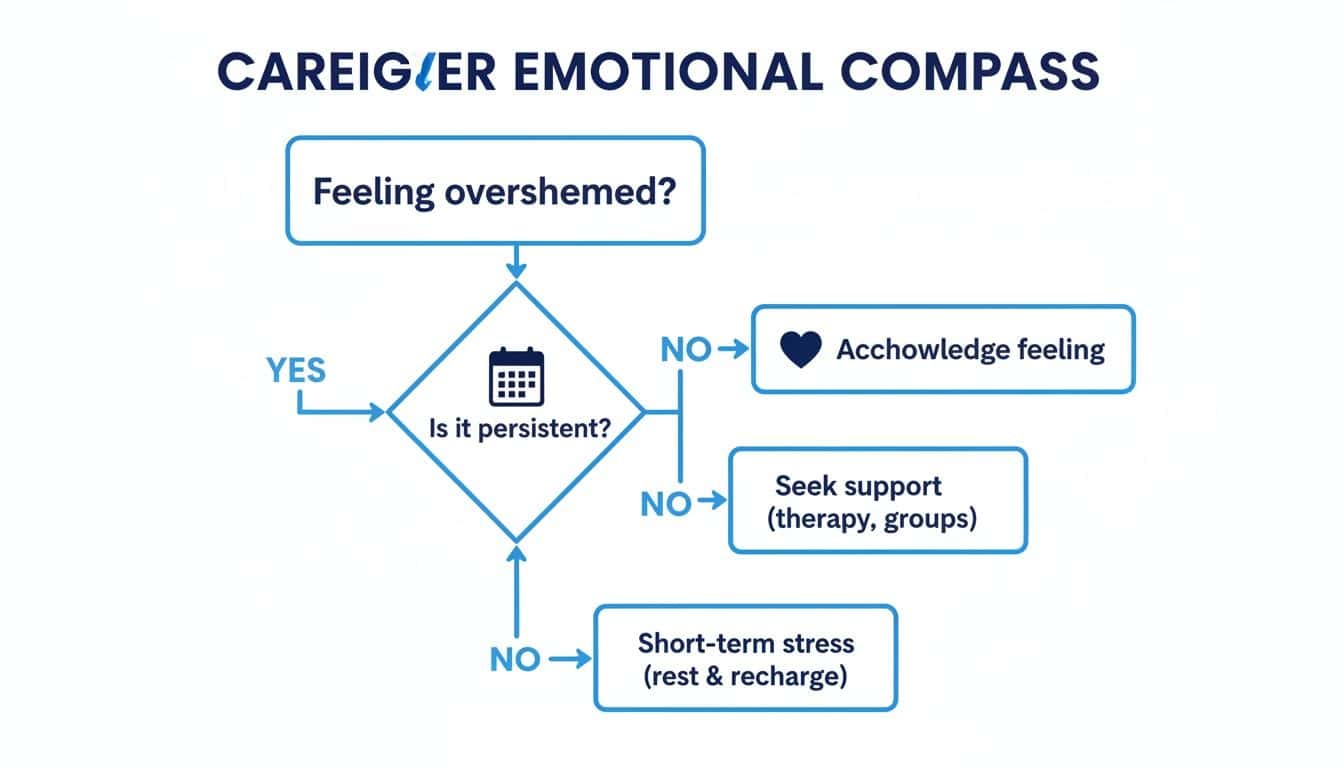
As you can see, those persistent feelings of being overwhelmed are a fork in the road, pointing you toward getting help.
The Emotional and Behavioural Fallout
As your body signals distress, your emotional world often follows suit. Caregiver burnout can fundamentally rewire how you feel, think, and connect with others. It’s a state of deep emotional, physical, and mental exhaustion that comes from being under too much stress for too long.
You might notice yourself pulling back from hobbies you once loved or dodging invitations to get together with friends. Maybe you're becoming more impatient or irritable with the person you care for, your partner, or your kids.
Other telltale signs include feeling hopeless, losing your motivation, or developing a cynical, negative view of the world. It’s that feeling of having nothing left in the tank.
For those of us juggling a job on top of caregiving, the strain is even more intense. Nationally, a large number of working caregivers have had to change their work schedules, reduce their hours, or take a leave of absence. This can compound feelings of isolation and even resentment.
When it feels like your caregiving role has taken over your entire life, that’s a clear sign it's time to seek out professional help for stress management. Seeing these signs in yourself isn't an admission of failure. It's an act of incredible courage that opens the door to getting the support you need and deserve.
How Caregiving Reshapes Family Relationships
When you take on the role of a caregiver, it's never just about you and the person you’re helping. The immense responsibility and emotional weight of caregiving inevitably ripple outward, touching every relationship in your life. It’s a quiet, creeping change, one that can leave you standing in the middle of your living room wondering why everything with your family suddenly feels so… different.
These shifts are a completely normal—though often difficult—part of the caregiving journey. Simply understanding why these dynamics are changing is the first real step toward navigating them with more compassion and less guilt, helping you keep the lines of communication open even when it’s the last thing you feel like doing.
The Shift in Parent-Child Dynamics
Perhaps the most significant change is the one that happens with the person you're caring for, especially when it's an aging parent. Suddenly, the roles you’ve known your whole life can feel like they’re flipping upside down. You may find yourself managing their finances, making critical health decisions, or assisting with deeply personal care—tasks that can feel awkward and unnatural for both of you.
This role reversal carries a heavy sense of loss. You might find yourself grieving the loss of the parent who always took care of you, while they struggle with their own loss of independence and dignity. It's an incredibly delicate dance: providing the care they need while trying to honour the person they've always been.
It's in these moments that grief can become a constant companion—not just for the potential future loss, but for the loss of the relationship as it once was. This shared sadness is a heavy weight to carry alone.
This kind of emotional isolation is a major issue for families here in Vernon. BC-wide data shows that parents are primary recipients of care in a large percentage of cases. When you consider the local demographics, it becomes clear that these painful relationship shifts are a common, though rarely discussed, reality in our community. Discover more insights from this Statistics Canada report on caregivers.
The Strain on Partnerships
When one partner becomes a primary caregiver, the romantic relationship is often the first casualty. The time, attention, and emotional energy you once reserved for each other gets funnelled into caregiving duties. Date nights are replaced by doctor's appointments. Pillow talk turns into scheduling medications. Slowly, your conversations become more about logistics than connection.
The non-caregiving partner can start to feel lonely, pushed aside, or just helpless. Meanwhile, the caregiver is usually running on empty, feeling completely misunderstood and guilty for not having anything left to give. It’s a recipe for a quiet distance that can widen into a chasm if it isn’t addressed.
- You start feeling like co-managers: Life becomes a series of tasks to be checked off, and the emotional connection that holds you together gets frayed.
- Resentment can build quietly: The caregiver might resent their partner's relative freedom, while the partner may resent how caregiving has taken over the household.
- Communication just breaks down: When you’re both exhausted and stressed, it's easy to fall into a cycle of misunderstandings, assumptions, and unspoken frustrations.
Spotting these patterns is the most important thing you can do. It’s the first step toward finding small, intentional ways to reconnect and acknowledging that your relationship needs care, too. For anyone trying to find their way through this, learning about the changing emotional roles within families can offer some much-needed clarity.
The Impact on Multigenerational Households
Here in Vernon, it’s common for families to live in multigenerational homes. This setup can be a source of incredible joy, but it also creates unique complications when a grandparent needs care. The emotional toll doesn't just stop with the parents; it extends to the children and grandchildren living under the same roof.
Younger kids may not have the words to understand why a parent is always so tired or stressed, and they can easily start to think it’s somehow their fault. Teenagers might feel like their own needs are being ignored or find themselves shouldering adult-sized worries they aren’t ready for. Whether they are asked to help out more or just have to witness the daily stress, the whole atmosphere at home can become tense.
Keeping the lines of communication wide open is essential so everyone—from the youngest to the oldest—feels seen, heard, and supported.
Practical Strategies to Nurture Your Emotional Health

Knowing you’re emotionally drained is one thing. Finding the energy to do something about it is another story entirely. When your days are already overflowing, the last thing you need is another complicated to-do list disguised as "self-care."
So, let's reframe this. These aren't more chores. Think of them as small, essential anchors that keep you from being swept away. Taking care of your own well-being isn’t selfish; it’s what makes your caregiving sustainable for the long haul.
Finding Pockets of Respite in Your Day
Let’s be honest—the idea of taking a whole afternoon off probably sounds like a fantasy. This is where the concept of micro-respite becomes a game-changer. It’s all about finding tiny, intentional pockets of time to simply disconnect. We’re talking five or ten minutes.
Think of it as hitting the pause button just long enough to catch your breath. These small breaks won't fix everything at once, but they stop your emotional battery from draining to zero.
Here are a few realistic ideas:
- Take a quick walk: Just 15 minutes around your Vernon block can do wonders to clear your head.
- Listen to one song: Put on headphones and get lost in a song that genuinely lifts your mood or calms you down.
- Savour a hot drink: Actually sit down with your coffee or tea. No phone, no TV. Just you and your mug for five minutes.
- Do a simple stretch: You’d be surprised how much physical tension you’re holding. A few gentle stretches can release it.
The point isn't to be productive. It’s to give your mind and body a much-needed moment of peace.
The Power of Setting Gentle Boundaries
Boundaries can feel like the hardest thing in the world for a caregiver. Saying "no" often comes with a tidal wave of guilt, making you feel like you aren't doing enough.
But a boundary isn't a wall you build to push people away. It’s a quiet, honest way of saying, "I've hit my limit for now." It's an act of self-preservation that allows you to keep giving without losing yourself in the process.
You don't have to build a fortress overnight. Start with one small, manageable line.
- "I can get that done, but it will have to be after I've had a bite to eat."
- "I'd love to chat, but I only have about 10 minutes before my next task."
- "When my spouse gets home, I really need an hour of quiet time to myself."
Clearly and kindly communicating your limits stops resentment from silently building up. It also shows your family that your needs matter, which is a powerful and healthy lesson for everyone. For families juggling these demands, learning more about parental stress and how to cope can provide some incredibly helpful insights.
Using Grounding Techniques in Stressful Moments
When you feel that familiar wave of anxiety, anger, or just pure overwhelm, a grounding technique can be your lifeline. It pulls you out of the storm in your head and back into the present moment by engaging your senses.
One of the easiest and most effective is the 5-4-3-2-1 method. Wherever you are, just pause and quietly name:
- 5 things you can see around you
- 4 things you can physically feel (your shirt, the chair, the floor)
- 3 things you can hear
- 2 things you can smell
- 1 thing you can taste
This simple exercise forces your brain to shift its focus from spiralling thoughts to your immediate environment. It’s a discreet but powerful tool you can use anytime, anywhere.
While these strategies are incredibly important, sometimes the load is just too heavy to manage on your own. Reaching out for professional support isn't a sign of weakness—it's a sign of strength. It’s a proactive step toward building a more resilient emotional foundation for you and your family. In Vernon, counselling can provide that dedicated, expert space to help you navigate this path.
How to Offer Meaningful Support to a Caregiver
When you see a friend or family member in Vernon weathering the emotional storm of caregiving, it’s easy to feel a bit helpless. You want to help, but you're not sure how. So, you fall back on the classic line: “Let me know if you need anything.”
While it comes from a good place, that offer unintentionally puts the ball back in their court. An exhausted caregiver now has the added job of identifying a need, figuring out who to ask, and mustering the energy to actually reach out. It's often just too much.
True, meaningful support is all about moving from vague offers to gentle, specific actions. It’s about taking the mental load off their plate and providing tangible relief that says, “I see you, and I’ve got this.”
Moving Beyond Vague Offers
The most effective way to help is to make a concrete offer that a tired mind can simply say “yes” to. It shows you’ve already put thought into their situation and are ready to step in.
Think in terms of specific tasks, not general availability.
Offer Time: Instead of a vague, “I can help sometime,” try being specific. “I have Tuesday afternoon free. Can I come sit with your mom for two hours so you can get out of the house?”
Offer a Task: Rather than, “Let me know if you need errands run,” be direct. “I'm going to the grocery store Saturday morning. Send me your list—I’d be happy to pick it all up for you.”
Offer a Meal: Don’t ask if they need food. Just do it. “I’m dropping off a lasagna for you tomorrow evening. No need to return the dish, just enjoy it.”
The Power of Listening Without Fixing
Sometimes, the most profound support you can offer has nothing to do with tasks or errands. It’s simply your quiet, non-judgmental presence.
Caregivers often feel immense pressure to be strong for everyone. Giving them a safe space to vent, cry, or just be honest about how tough things are is an incredible gift. Your role isn’t to solve their problems—it's to validate their feelings.
A simple, “That sounds so incredibly hard,” or “I can’t imagine how exhausting that must be,” lets them know they are seen and heard. You're not there to provide answers, but to share the emotional weight, even just for a moment. This kind of empathetic listening is a skill, and learning how to support someone with depression can provide even more insight into holding space for someone going through a difficult time.
Common Questions About Caregiving and Emotional Health
If you're a caregiver, you probably have a lot of thoughts and questions swirling around that feel tough to say out loud. That's okay. This is a place where those concerns are understood. Let’s walk through some of the questions we hear most often from Vernon families, with answers that validate what you're feeling and offer some gentle guidance.
Is It Normal to Feel Resentment Towards the Person I Am Caring For?
Yes, it is absolutely normal. Feeling resentment, anger, or frustration is a deeply human response to the incredible pressure of caregiving. These emotions don't mean you're a bad person or a bad caregiver—they mean you're a person in an overwhelming, emotionally draining situation.
Try to see these feelings not as a failing, but as a signal. They’re your mind and body’s way of telling you that your own needs are being pushed aside. Acknowledging them without judgment is the first real step to dealing with them.
How Can I Handle Guilt When I Take Time for Myself?
Guilt can feel like a constant shadow for many caregivers; it's one of the heaviest burdens to carry. The only way to lighten that load is to start seeing self-care for what it truly is: not a selfish luxury, but an essential part of your job.
Think of it this way: You cannot pour from an empty cup. Taking a break isn't just for you. It allows you to come back to your loved one with more patience, more energy, and more of yourself to give, which makes you a better caregiver in the long run.
What Is the Difference Between Sadness and Depression as a Caregiver?
This is a critical distinction because sadness and depression require very different kinds of support. It's easy to confuse them when you're in the thick of it.
- Sadness often comes and goes. It’s a natural reaction to the specific difficulties or losses that are part of your caregiving journey—a tough day, a setback in your loved one’s health, or a moment of grief.
- Depression is much more persistent. It’s a heavy fog that settles over everything, leaving you feeling hopeless, empty, or completely uninterested in things you used to love. If that crushing fatigue and loss of joy last for more than two weeks, it's a clear sign you need more support.
If what you're feeling sounds more like depression, that’s a clear sign that reaching out for professional help could make a world of difference.
My Family Doesn’t Seem to Understand What I’m Going Through. What Can I Do?
This is an incredibly common and painful experience. It creates a profound sense of isolation that makes the emotional toll of caregiving in Vernon families feel so much heavier. Most of the time, your family’s lack of understanding isn’t because they don't care, but because they simply cannot see the invisible, day-in-day-out weight you're carrying.
The key is to make the invisible visible through specific communication. “I’m overwhelmed” is a feeling, but it’s hard for others to act on. Instead, try saying something concrete: “I’m feeling really burnt out today. Could you please take care of dinner tonight so I can have an hour to myself?” For bigger-picture understanding, sharing articles or seeking guidance for caregivers through family sessions can help open their eyes to your reality.
Navigating the emotional world of caregiving is one of life's greatest challenges. You don't have to do it alone. If you feel you need support, our compassionate therapists are here to provide a safe, non-judgmental space for you and your family. We offer evidence-based support to help you manage caregiver stress, process complex emotions, and find a more sustainable balance. Learn more about our services and how we can support you.
Clinically Reviewed By
Amy Mosset, MCP, RCC-S
Amy Mosset is a Master Practitioner in Clinical Counselling, Clinical Supervisor, and the owner of Interactive Counselling. She provides trauma-informed, evidence-based care and clinical supervision to registered therapists, with a focus on ethical practice, client safety, and high-quality therapeutic outcomes.