Many couples struggle to know when their marriage has truly ended or if it can still be saved. Recognising concrete signs helps clarify this difficult situation and guides informed decisions about your relationship’s future. This article outlines key warning signs to identify, what they mean for your partnership, and thoughtful next steps to consider.
Table of Contents
- Four Harmful Behaviours Undermining Your Marriage
- Signs Your Marriage Is Emotionally Disconnected
- Repeated Conflicts And Communication Breakdowns
- When To Consider Therapy Or Counselling For Your Marriage
- Explore Professional Counselling Options To Support Your Relationship Journey
Key takeaways
| Point | Details |
|---|---|
| Four destructive behaviours predict breakdown | Criticism, defensiveness, contempt, and stonewalling create a pattern leading to relationship failure |
| Emotional disconnection signals serious trouble | Lack of intimacy, indifference, and growing apart indicate your bond may be irreparably damaged |
| Repeated unresolved conflicts erode foundation | Persistent arguments without resolution show communication systems have collapsed |
| Therapy works best when sought early | Professional counselling offers tools to repair connections or clarify whether separation is healthiest |
Four harmful behaviours undermining your marriage
Research has identified specific communication patterns that reliably predict marital breakdown. The Cascade Model of Relational Dissolution identifies four negative behaviours leading to relationship collapse. Known as the Four Horsemen, these patterns include criticism, defensiveness, contempt, and stonewalling.
Criticism attacks your partner’s character rather than addressing specific behaviours. Instead of saying “I felt hurt when you forgot our anniversary,” criticism sounds like “You never care about what matters to me.” This pattern makes your partner feel assaulted and unvalued.
Defensiveness emerges as a protective response to criticism, often through counter-attacking or playing the victim. When one partner raises a concern, the defensive spouse deflects responsibility rather than acknowledging their role. This behaviour blocks productive conversation and prevents resolution.
Contempt represents the most destructive horseman, communicating disgust and superiority through sarcasm, mockery, or eye-rolling. Treating your partner with contempt destroys mutual respect and creates emotional distance that becomes difficult to bridge.
Stonewalling occurs when one partner withdraws completely from interaction, creating an emotional wall. The stonewaller stops responding, makes no eye contact, and acts as though the conversation isn’t happening. Understanding how stonewalling, defensiveness, and criticism create divorce risk helps Canadian couples recognise these patterns early.
Pro Tip: Notice which horsemen appear most frequently in your conflicts. Early recognition allows you to address these patterns through counselling before they become entrenched habits that destroy your marriage.
“When criticism, defensiveness, contempt, and stonewalling become regular features of your communication, they create a cascade effect that systematically dismantles emotional connection and trust.”
Signs your marriage is emotionally disconnected
Emotional disconnection often develops gradually, making it harder to recognise than dramatic conflicts. Emotional neglect contributes significantly to relationship breakdown, yet many couples miss early warning signs until the damage feels irreversible.
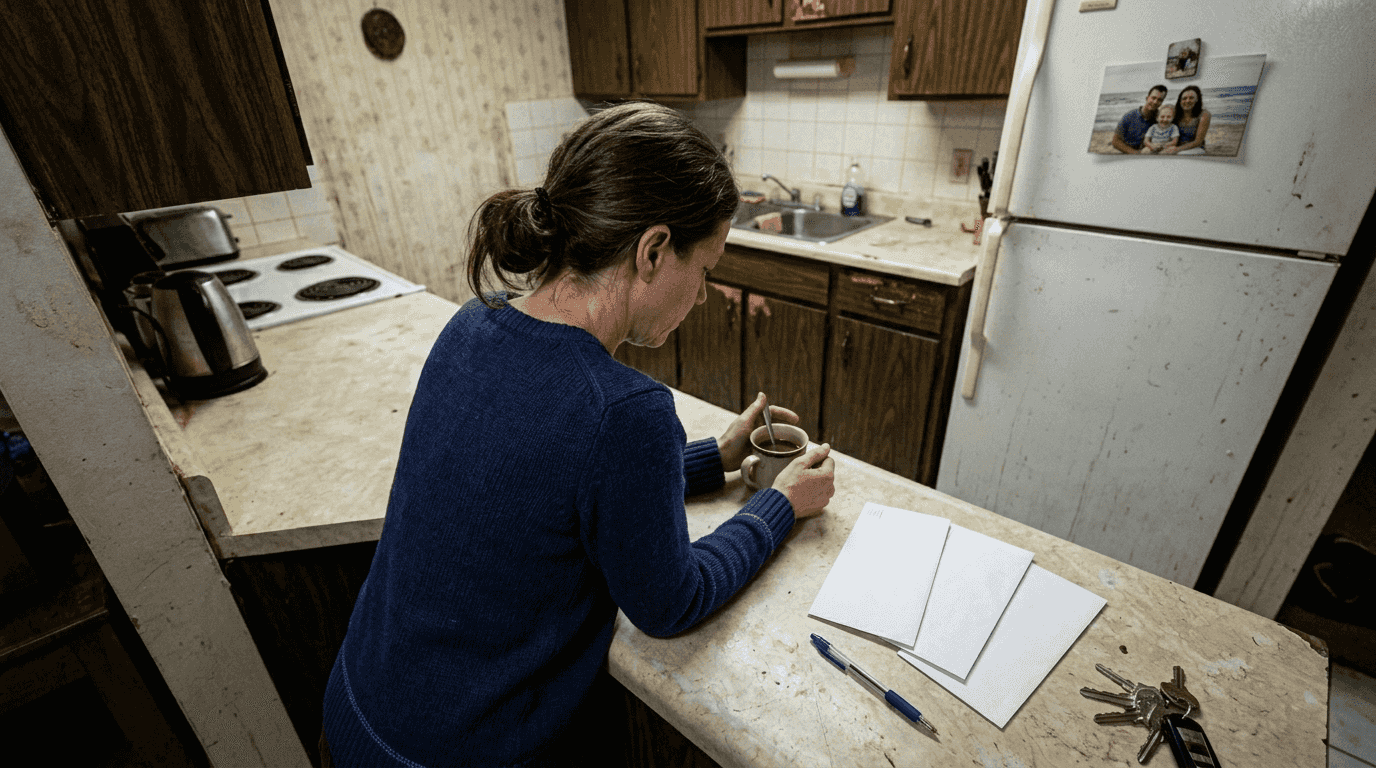
You might notice indifference replacing the care you once showed each other. Conversations become purely functional, focused on logistics rather than feelings or dreams. Physical affection disappears, not through conscious rejection but through gradual withdrawal that neither partner actively addresses.
Common signs include:
- Preferring to spend time apart rather than together
- Feeling relief when your partner leaves rather than missing them
- Sharing important news with friends before your spouse
- No longer seeking your partner’s opinion on decisions
- Physical intimacy becoming rare or completely absent
- Feeling like roommates rather than romantic partners
Emotional disconnection frequently coexists with the Four Horsemen, creating a reinforcing cycle. Contempt drives emotional withdrawal, which then makes constructive communication even harder. Learning to address emotional neglect in marriage provides strategies for reconnection before the gap widens beyond repair.
Pro Tip: Small intentional actions can rebuild connection before it’s too late. Try sharing one genuine appreciation daily or scheduling fifteen minutes of distraction-free conversation to begin reversing emotional distance.
Repeated conflicts and communication breakdowns
Chronic unresolved conflicts signal that your marriage’s communication system has fundamentally broken down. Negative conflict patterns contribute to cascading relational dissolution, creating damage that compounds over time.
You might recognise these destructive patterns in your relationship:
- Having the same argument repeatedly without resolution
- Avoiding important conversations because they always escalate
- Using blame and accusation rather than expressing needs
- Bringing up past grievances during current disagreements
- Refusing to compromise or find middle ground
- Ending arguments without any agreement or understanding
The difference between healthy and unhealthy conflict resolution determines whether problems strengthen or destroy your marriage:
| Healthy conflict approach | Unhealthy conflict approach |
|---|---|
| Focuses on specific behaviours and situations | Attacks character and makes sweeping generalisations |
| Both partners take responsibility for their role | Each partner blames the other exclusively |
| Seeks understanding before being understood | Interrupts and dismisses partner’s perspective |
| Reaches compromise or agrees to revisit later | Ends in stalemate or one partner withdrawing |
| Strengthens connection through resolution | Creates resentment and emotional distance |
Reflect honestly on whether your conflict patterns can improve or represent chronic dysfunction. Some couples develop destructive habits that counselling can address, while others face fundamental incompatibilities that make healthy resolution impossible.
If you’re questioning whether these patterns indicate the end, exploring guidance on whether divorce is right for Canadians provides a framework for this difficult decision.
When to consider therapy or counselling for your marriage
Seeking professional help at the right time can dramatically alter your marriage’s outcome, whether that means successful repair or a healthier separation process. Recognising when therapy becomes necessary helps you take action before damage becomes irreversible.
Signs you need professional support include:
- Persistent problems despite your best efforts to resolve them
- Growing emotional distance that feels impossible to bridge
- Seriously considering separation or divorce
- Inability to communicate without escalation
- Loss of hope that things can improve
- One or both partners feeling chronically unhappy
Canadian couples have access to various therapeutic approaches tailored to different relationship challenges. Emotionally Focused Therapy helps partners reconnect emotionally, while the Gottman Method addresses communication patterns and builds friendship. Imago Relationship Therapy explores how childhood experiences shape current dynamics. Understanding types of couples therapy helps you choose the approach matching your needs.
Pro Tip: Approaching therapy proactively, before crisis hits, gives you the best chance of salvaging your marriage. Waiting until resentment and disconnection have deepened for years makes successful repair much harder.
Counselling offers tools to either repair your relationship or separate amicably with less emotional damage. A skilled therapist provides neutral space for honest conversation, teaches communication skills, and helps you identify whether your marriage can recover or if divorce represents the healthiest path forward.
Knowing how to prepare for couples counselling ensures you get maximum benefit from therapy sessions. Openness to professional support demonstrates strength and commitment to making the best decision for both partners.
Explore professional counselling options to support your relationship journey
Interactive Counselling provides specialised couples therapy services designed for Canadian partners navigating relationship challenges. Our qualified counsellors understand the unique pressures facing modern marriages and offer evidence-based approaches tailored to your specific situation.
Online therapy makes professional support accessible regardless of your location across Canada, eliminating barriers of distance or scheduling. Whether you’re exploring types of couples therapy to find the right fit, seeking couples counselling to address current struggles, or want guidance on preparing for your first session, our team provides confidential, compassionate support.
Taking the first step toward professional help clarifies your relationship’s direction and equips you with tools for healthier communication, whether you ultimately choose to rebuild or separate.
Frequently asked questions
What are the earliest signs my marriage is over?
Early signs include increased criticism targeting your partner’s character, emotional withdrawal where you feel like strangers, lack of meaningful communication beyond logistics, and repeated conflicts that never reach resolution. You might notice preferring time apart or feeling indifferent to your partner’s experiences. Recognising these patterns early creates opportunity for intervention through counselling before damage becomes irreversible.
Can therapy save a marriage that shows these signs?
Therapy can be highly effective if both partners genuinely engage and the relationship challenges haven’t become too entrenched. Counselling offers evidence-based tools to improve communication, resolve conflicts constructively, and rebuild emotional connection. Success depends on both partners’ willingness to examine their contributions and make changes. Exploring types of couples therapy helps you find approaches matching your specific needs and relationship dynamics.
When is it better to consider separation or divorce?
Consider separation if your relationship involves emotional or physical abuse, persistent contempt that has destroyed mutual respect, or complete unwillingness by one or both partners to seek help or make changes. Chronic unhappiness despite genuine efforts to improve, fundamental value incompatibilities, or repeated betrayals may indicate divorce represents the healthiest option. Professional guidance through deciding whether divorce is right clarifies this difficult decision and ensures you proceed thoughtfully rather than impulsively.
Recommended
- Should we get a divorce? a clear guide for Canadians
- How to Save a Marriage: A Guide to Rebuilding Your Connection
- How to Select a Marriage Counselor for Effective Support
- How to Prepare for Couples Counseling for Lasting Change – Interactive Counselling