
Parenting through high school pressure in vernon
Watching your teenager navigate the intense demands of high school can feel like witnessing a delicate balancing act. As a parent in Vernon, you’re likely seeing your child juggle academic expectations, social dynamics, extracurricular commitments, and the mounting pressure of post-secondary planning. The weight of these combined stressors often creates a perfect storm that can overwhelm both teens and their families. For more information, see our Vernon family counselling.
You may find yourself asking difficult questions: How do I support my child without adding to their stress? When does normal teenage moodiness cross the line into something more concerning? How can I help them build resilience while still acknowledging that their struggles are real and valid? For more information, see our counselling in Vernon.
These concerns are not only understandable but incredibly common. High school has become increasingly competitive, and the pressures your teenager faces today are often more complex and intense than what previous generations experienced. Understanding these dynamics and learning how to respond supportively can make a significant difference in your family’s well-being. For more information, see our family counselling.
Understanding High School Pressure: What’s Really Happening
High school pressure encompasses the multiple demands and expectations that students face during their secondary education years. Unlike the straightforward academic focus of elementary school, high school presents a complex web of interconnected stressors that can feel overwhelming for developing minds.
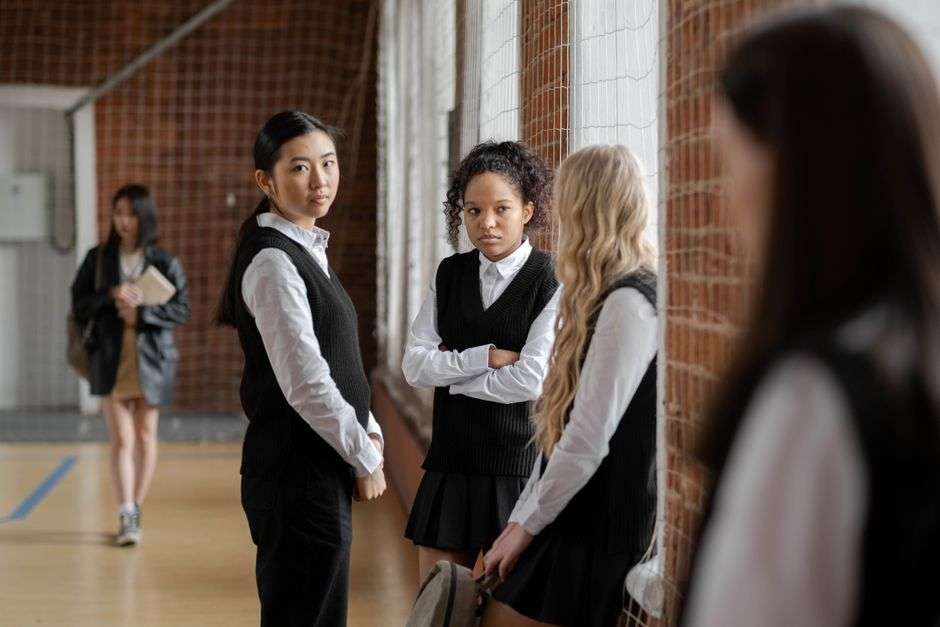
The Academic Intensity Factor
Today’s high school curriculum is more demanding than ever before. Students are expected to excel in multiple subjects while preparing for standardized tests, maintaining high GPAs for university admission, and often taking advanced placement courses that operate at a college level. The competition for limited spots in prestigious programs creates an environment where anything less than excellence can feel like failure.
This academic pressure is compounded by the reality that many career paths now require post-secondary education, making high school performance feel like it directly determines future success. Students often internalize the message that their worth is tied to their grades, creating a cycle of anxiety and perfectionism.
Social and Developmental Challenges
Adolescence is a time of significant brain development, particularly in areas responsible for emotional regulation and decision-making. During this crucial period, teenagers are simultaneously managing:
- Identity formation and self-discovery
- Peer relationships and social hierarchies
- Romantic interests and relationship dynamics
- Body image and physical changes
- Increasing independence while still needing parental support
The social environment of high school, with its complex dynamics and constant comparison, can intensify normal developmental challenges. Social media adds another layer, creating 24/7 exposure to peer comparison and social pressure that previous generations didn’t experience.
Future Planning Overwhelm
The expectation to make major life decisions during high school can be paralyzing for teenagers. They’re asked to choose courses that will affect university admission, consider career paths before they’ve had real-world experience, and make financial decisions about post-secondary education that will impact them for years to come.
Recognizing the Signs: When Pressure Becomes Problematic
Understanding when normal teenage stress crosses into concerning territory is crucial for parents. While some pressure can motivate growth and achievement, excessive stress can have serious impacts on your teenager’s mental health and development.

Physical and Behavioral Warning Signs
Pay attention to changes in your teenager’s physical well-being and daily patterns:
- Sleep disruption: Difficulty falling asleep, staying asleep, or wanting to sleep excessively
- Appetite changes: Significant increases or decreases in eating patterns
- Physical complaints: Frequent headaches, stomachaches, or other unexplained physical symptoms
- Energy levels: Persistent fatigue or restlessness that interferes with daily activities
- Academic performance shifts: Sudden drops in grades, inability to complete assignments, or perfectionism that prevents task completion
Emotional and Social Red Flags
Emotional changes that persist for several weeks may indicate that stress is becoming unmanageable:
- Persistent irritability or mood swings that seem disproportionate to situations
- Social withdrawal from family, friends, or activities they previously enjoyed
- Excessive worry about grades, social situations, or future outcomes
- Loss of interest in hobbies, sports, or other activities that used to bring joy
- Self-criticism or negative self-talk that becomes constant or extreme
Real-Life Examples
Consider Sarah, a Grade 11 student who used to be outgoing and maintained solid B+ grades. Over the past few months, her parents noticed she’s been staying up until 2 AM working on assignments, skipping meals, and declining invitations to spend time with friends. When they try to discuss her stress levels, she becomes defensive and insists she’s “fine,” but her grades have actually started to slip despite working harder than ever.
Or take Marcus, a Grade 12 student who was always a high achiever. Recently, he’s become paralyzed by the fear of not getting into his preferred university program. He’s started avoiding difficult assignments because he’d rather not try than risk getting a mark that isn’t perfect. His parents are confused because he seems to have stopped caring about school, when actually he cares so much that the fear of failure has become overwhelming.
Practical Strategies for Supporting Your Teenager
Supporting a stressed teenager requires a delicate balance of involvement and independence, guidance and acceptance. The goal isn’t to eliminate all stress from their lives but to help them develop healthy coping mechanisms and maintain perspective.

Creating a Supportive Home Environment
Establish open communication channels: Create regular opportunities for conversation that aren’t focused on grades or performance. This might be during car rides, while preparing meals together, or during a weekly walk. The key is consistency and making it clear that all topics are welcome for discussion.
Model healthy stress management: Your teenager learns more from watching how you handle pressure than from what you tell them about stress management. Demonstrate healthy coping strategies like taking breaks, asking for help when needed, and maintaining perspective during challenging times.
Set realistic expectations: Work with your teenager to establish goals that are challenging but achievable. This might mean having honest conversations about what constitutes success and helping them understand that their worth isn’t determined by external achievements.
Practical Daily Support Strategies
Help with organization and time management: Many teenagers struggle with the executive function skills needed to manage multiple commitments. Offer to help them create systems for tracking assignments, breaking large projects into smaller tasks, and balancing study time with rest and recreation.
Encourage healthy habits: Support your teenager in maintaining basic wellness practices even during stressful periods. This includes ensuring they get adequate sleep, eat regular nutritious meals, and engage in some form of physical activity. These foundations are crucial for managing stress effectively.
Teach perspective-taking skills: Help your teenager develop the ability to see challenges in context. This might involve discussing how current stressors fit into the bigger picture of their life, exploring multiple solutions to problems, or helping them recognize when they’re catastrophizing.
Academic Support Without Taking Over
Be available for consultation: Position yourself as a resource rather than a manager. Let your teenager know you’re available to help them think through problems, practice presentations, or discuss difficult concepts, but avoid taking responsibility for their academic success.
Advocate when necessary: Sometimes school pressure stems from unrealistic expectations or misunderstandings that require parent intervention. Stay connected with your teenager’s teachers and be prepared to advocate for reasonable accommodations or adjustments when needed.
Focus on effort over outcome: Consistently acknowledge your teenager’s hard work and growth rather than only celebrating high grades or achievements. This helps them internalize that their value comes from their efforts and character rather than external validation.
Building Resilience and Coping Skills
Resilience isn’t about avoiding stress or difficulty; it’s about developing the skills to navigate challenges effectively and bounce back from setbacks. These skills will serve your teenager well beyond high school.

Emotional Regulation Techniques
Mindfulness and grounding practices: Help your teenager learn simple techniques for managing overwhelming emotions in the moment. This might include deep breathing exercises, progressive muscle relaxation, or mindfulness techniques that help them stay present rather than getting caught up in worry about the future.
Problem-solving skills: Work together to develop a systematic approach to handling challenges. This includes identifying the problem clearly, brainstorming multiple solutions, evaluating options, and reflecting on outcomes. These skills transfer to academic, social, and personal challenges.
Cognitive flexibility: Help your teenager recognize and challenge unhelpful thought patterns. This might involve identifying catastrophic thinking, all-or-nothing perspectives, or excessive self-criticism, and practicing more balanced ways of interpreting situations.
Building Support Networks
Encourage diverse relationships: Support your teenager in maintaining connections with peers, family members, mentors, and other adults who can provide different types of support. A strong support network provides multiple resources during difficult times.
Model help-seeking behavior: Demonstrate that asking for help is a sign of strength, not weakness. Share your own experiences of reaching out for support and normalize the process of seeking assistance when facing challenges.
Foster independence gradually: While providing support, ensure you’re also creating opportunities for your teenager to practice managing stress independently. This might involve stepping back from certain responsibilities or encouraging them to solve problems on their own before offering assistance.
When to Seek Professional Support
Sometimes, despite your best efforts and intentions, professional support becomes necessary. Recognizing when to seek help is an important skill that benefits the entire family.
Indicators That Professional Help May Be Beneficial
Consider seeking professional support when:
- Your teenager’s stress is significantly impacting their daily functioning for more than a few weeks
- You notice signs of depression or anxiety that don’t improve with home support
- Family conflicts about school or stress are becoming frequent or intense
- Your teenager expresses feelings of hopelessness or thoughts of self-harm
- Academic performance continues to decline despite increased effort
- Physical symptoms persist without medical explanation
Types of Professional Support
Individual counselling for youth can provide your teenager with a safe space to explore their feelings, develop coping strategies, and work through specific stressors with someone outside the family system.
Family counselling can help improve communication patterns, resolve conflicts, and ensure everyone in the family has the tools they need to support each other effectively.
Anxiety counselling may be particularly beneficial if your teenager is experiencing persistent worry, panic attacks, or avoidance behaviors that interfere with their daily life.
What to Expect from Professional Support
Professional counselling typically involves helping your teenager develop personalized coping strategies, process difficult emotions, and gain new perspectives on their challenges. Research consistently shows that therapy can be highly effective for adolescents dealing with stress, anxiety, and depression.
The therapeutic process also often includes working with parents to enhance their support skills and ensure the home environment promotes mental health and resilience.
Frequently Asked Questions
How can I tell if my teenager’s stress is normal or concerning?
Normal stress typically comes and goes with specific situations, doesn’t significantly impair daily functioning, and improves with basic support and time. Concerning stress persists for weeks, interferes with sleep, academic performance, or relationships, and doesn’t improve with typical coping strategies. When in doubt, consulting with a mental health professional can provide clarity.
Should I reduce expectations for my stressed teenager?
Rather than simply lowering expectations, focus on ensuring expectations are realistic and balanced. This might mean adjusting timelines, providing additional support, or helping your teenager prioritize among competing demands. The goal is maintaining appropriate challenges while preventing overwhelm.
How do I help my teenager without being controlling?
The key is offering support and resources while respecting their developing autonomy. Ask before providing help, focus on teaching skills rather than solving problems for them, and involve them in decisions about the support they receive. Regular check-ins about what’s helpful versus overwhelming can guide your approach.
What if my teenager refuses to talk about their stress?
Respect their privacy while staying available and observant. Focus on creating a supportive environment and modeling healthy stress management rather than forcing conversations. If you’re concerned about their well-being, professional support can help even if your teenager is initially reluctant to participate.
How long should I wait before seeking professional help?
If concerning symptoms persist for more than a few weeks, interfere with daily functioning, or you feel unsure about how to help, it’s appropriate to seek professional consultation. Early intervention is often more effective than waiting until problems become severe.
Navigating high school pressure as a parent requires patience, flexibility, and sometimes professional guidance. Remember that supporting your teenager through these challenging years is an investment in their long-term resilience and well-being. By maintaining open communication, modeling healthy coping strategies, and seeking help when needed, you’re providing them with the foundation they need to thrive both during and after high school.