
Summer mental health support for okanagan teens
Summer months often bring expectations of carefree days and relaxation, yet for many teenagers, this season can present unique mental health challenges. The break from routine, increased social pressures, and heightened family expectations can create a complex emotional landscape that teens must navigate. In the Okanagan region, where outdoor activities and tourism peak during summer months, additional pressures around body image, social comparison, and finding meaningful ways to spend time can intensify existing mental health concerns. For more information, see our youth counselling.
As a therapist working with adolescents, I’ve observed that many teens and their families are surprised by how difficult summer break can be emotionally. The assumption that time off equals happiness doesn’t account for the reality that structure, purpose, and predictable social connections often support teen mental wellness more than unstructured free time does.
Understanding Summer Mental Health Challenges for Teens
Mental health concerns don’t pause for vacation. In fact, certain aspects of summer can amplify existing difficulties or create new ones. The transition from school year structure to summer flexibility represents a significant change that affects teens differently based on their individual mental health needs, family dynamics, and coping resources.

Several factors contribute to summer mental health challenges among teenagers:
- Loss of routine and structure: The predictable schedule of the school year provides external organization that many teens rely on for emotional regulation
- Reduced access to school-based support: Counselors, trusted teachers, and peer groups become less accessible during break
- Increased family time: While potentially positive, extended family proximity can intensify existing family conflicts or highlight relationship difficulties
- Social pressure and comparison: Summer activities, vacation photos, and body image concerns can trigger feelings of inadequacy or social anxiety
- Academic and future-focused anxiety: Rising grades bring increased pressure about college, career choices, and academic performance
- Isolation concerns: Teens without summer plans or activities may experience loneliness and social disconnection
Research indicates that adolescents experiencing depression, anxiety, or other mental health concerns may find symptoms worsening during unstructured periods. The combination of disrupted routine and increased pressure creates conditions where existing vulnerabilities become more prominent.
Recognizing Signs That Your Teen May Be Struggling
Summer mental health concerns in teenagers don’t always look obvious. Many teens work hard to mask their struggles, particularly when there’s an expectation that they should be enjoying their break. Understanding what to look for helps parents and caregivers respond with appropriate support.
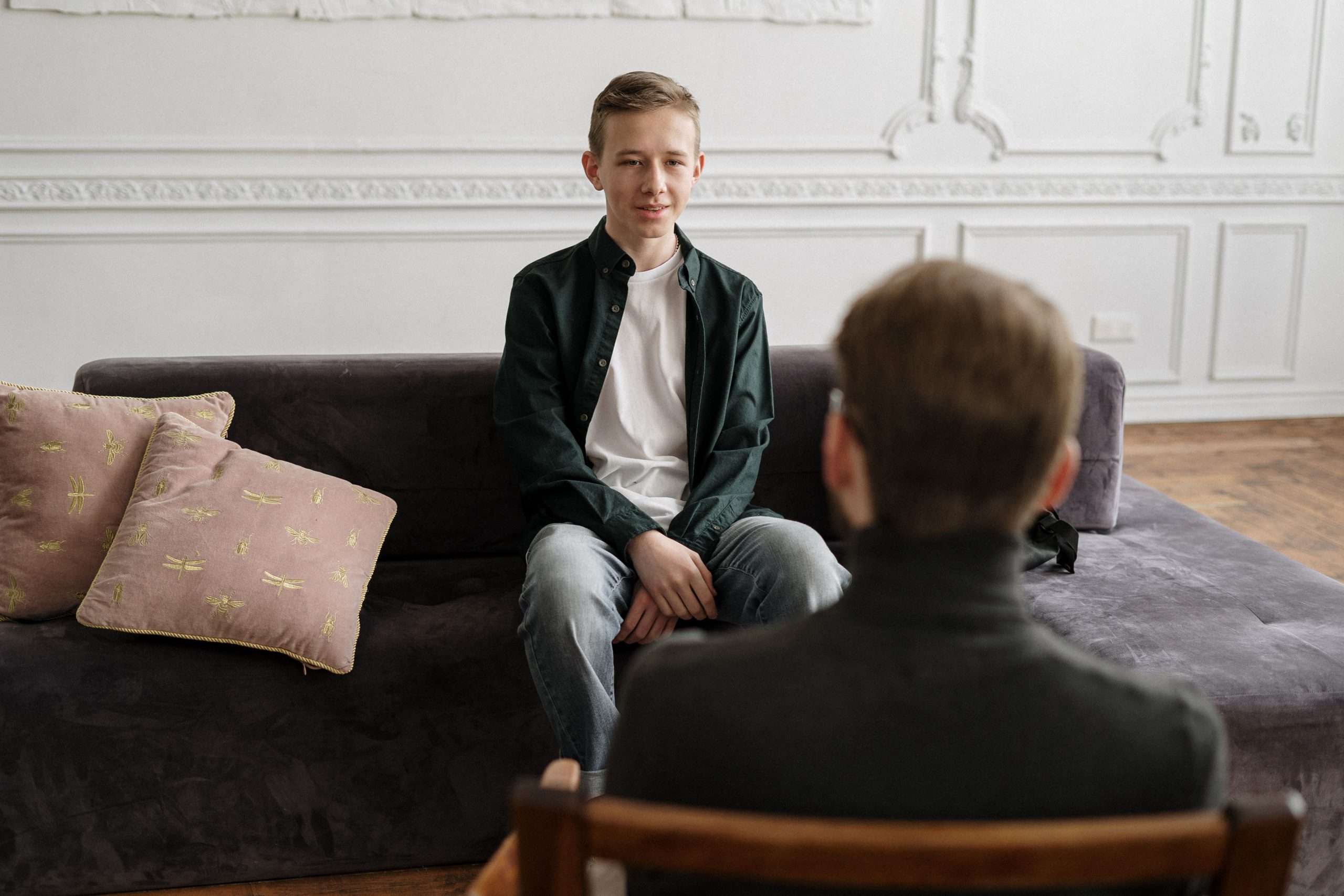
Emotional and Behavioral Changes
Changes in your teen’s typical emotional or behavioral patterns often signal underlying distress:
- Mood shifts: Increased irritability, sadness, or emotional volatility that seems disproportionate to circumstances
- Social withdrawal: Avoiding friends, family activities, or previously enjoyed social situations
- Sleep pattern changes: Sleeping significantly more or less than usual, difficulty falling asleep, or frequent nightmares
- Appetite changes: Notable increases or decreases in eating patterns or expressed concerns about food and body image
- Loss of interest: Abandoning hobbies, activities, or interests that previously brought enjoyment
- Increased conflict: More frequent arguments with family members or friends, particularly about seemingly minor issues
Physical and Cognitive Symptoms
Mental health concerns often manifest through physical symptoms that teens may not connect to emotional distress:
- Frequent headaches, stomachaches, or unexplained physical complaints
- Fatigue or low energy despite adequate rest
- Difficulty concentrating on activities, conversations, or entertainment
- Restlessness or inability to sit still
- Changes in personal hygiene or self-care habits
Real-Life Examples
Sixteen-year-old Maya loved school and felt confident in her academic abilities. When summer arrived, she found herself sleeping until noon, avoiding friends’ invitations, and spending hours scrolling social media. Her parents initially thought she was just “being lazy,” but Maya was actually experiencing anxiety about her upcoming senior year and comparing herself negatively to peers whose summer activities seemed more impressive.
Fifteen-year-old Jordan had been managing mild depression during the school year with support from a school counselor. When summer break began, the loss of this regular support combined with unstructured days led to increased negative thinking patterns and social isolation. His parents noticed he stopped participating in family activities and seemed increasingly pessimistic about everything.
Practical Summer Mental Health Strategies
Supporting teen mental health during summer requires intentional strategies that address both the unique challenges of the season and underlying mental health needs. These approaches focus on creating stability, connection, and meaningful engagement without overwhelming pressure.

Creating Structure Within Flexibility
Teens benefit from having some predictable elements in their summer routine while maintaining the freedom that makes summer appealing:
- Establish anchor activities: Regular weekly commitments like volunteering, part-time work, or hobby classes provide structure without rigidity
- Maintain sleep routines: Consistent sleep and wake times support emotional regulation, even if they’re later than school year schedules
- Plan transition time: Build in adjustment periods when moving between activities or social situations
- Balance planned and free time: Ensure your teen has both scheduled activities and unstructured time for spontaneous choices
Supporting Social Connection
Healthy relationships are crucial for teen mental wellness, but summer can disrupt established social patterns:
- Facilitate low-pressure social opportunities: Host casual gatherings, encourage participation in community activities, or support teen-initiated social plans
- Maintain connections with supportive adults: Encourage relationships with mentors, family friends, or community leaders who provide positive adult interaction
- Address social anxiety proactively: Help teens practice social skills and plan strategies for managing anxiety in social situations
- Validate relationship changes: Acknowledge that friendships naturally evolve, and support teens through social transitions
Encouraging Meaningful Activities
Purpose and accomplishment support mental wellness, but summer activities don’t need to be elaborate or expensive to be beneficial:
- Explore personal interests: Support teens in pursuing hobbies, creative projects, or learning opportunities that match their genuine interests
- Include service opportunities: Volunteering can provide purpose, social connection, and perspective while building self-esteem
- Celebrate small accomplishments: Acknowledge efforts and progress rather than focusing solely on major achievements
- Balance challenge and success: Ensure activities provide appropriate challenge without overwhelming stress
Managing Family Dynamics
Increased family time can be both supportive and challenging for teen mental health:
- Respect individual needs: Allow teens appropriate space and independence while maintaining connection
- Communicate expectations clearly: Discuss summer rules, responsibilities, and family time expectations early in the break
- Practice conflict resolution: Address disagreements constructively and model healthy communication skills
- Create positive family experiences: Plan activities that account for everyone’s interests and energy levels
Supporting Physical Wellness
Physical and mental health are interconnected, making physical wellness strategies important for overall mental health:
- Encourage regular physical activity: Support activities your teen enjoys rather than imposing specific exercise requirements
- Maintain nutrition awareness: Provide healthy food options while avoiding restrictive or shame-based approaches to eating
- Limit screen time mindfully: Set reasonable boundaries around technology use while respecting teens’ need for digital social connection
- Prioritize outdoor time: Nature exposure supports mental wellness, particularly in the beautiful Okanagan environment
When to Seek Professional Support
Many families wonder whether their teen’s summer struggles require professional intervention or represent normal adjustment challenges. While every teen’s needs are different, certain indicators suggest that professional support could be beneficial.

Consider Professional Support When:
- Symptoms persist or worsen: Mental health concerns that continue for several weeks or become more severe over time
- Daily functioning is impacted: Difficulty with basic self-care, social relationships, or family relationships
- Safety concerns arise: Any indication of self-harm, substance use, or risky behaviors
- Previous concerns resurface: Mental health issues that were managed during the school year return or intensify
- Family relationships deteriorate: Persistent conflict or communication breakdown between teen and family members
- Anxiety interferes with activities: Social anxiety or general anxiety that prevents participation in desired activities
Types of Professional Support
Different types of professional support address various aspects of teen mental health:
- Individual therapy: Provides teens with personalized support for anxiety, depression, trauma, or other mental health concerns
- Family therapy: Addresses family dynamics and communication patterns that impact teen mental health
- Group therapy: Offers peer support and skill-building opportunities with other teens facing similar challenges
- Youth counselling: Specialized approaches designed specifically for adolescent developmental needs and concerns
Professional support doesn’t mean that summer is ruined or that your teen is failing to cope. Rather, it represents a proactive approach to mental wellness that can help teens develop skills and strategies for managing current challenges while building resilience for future difficulties.
Frequently Asked Questions
Is it normal for my teen to seem more emotional or moody during summer break?
Yes, increased emotionality during summer can be normal as teens adjust to changes in routine, social dynamics, and family time. However, if mood changes are severe, persistent, or interfere with daily functioning, when teen moodiness is a red flag, professional support may be helpful. Trust your instincts about whether changes seem within your teen’s normal range of emotions.
How much structure should I provide versus letting my teen have freedom?
The ideal balance varies by teen, but most benefit from having some predictable elements (regular meal times, sleep schedules, weekly commitments) combined with flexibility for spontaneous activities and social plans. Start with minimal structure and add more if your teen seems to struggle with completely unstructured time.
My teen doesn’t want to do anything social this summer. Should I be concerned?
Some decrease in social activity can be normal, particularly for teens who need to recharge after a busy school year. However, complete social withdrawal or distress about social situations may indicate underlying anxiety or depression. Gently encourage low-pressure social opportunities while respecting your teen’s need for some solitude.
How can I tell if my teen’s summer struggles are temporary adjustment issues or something more serious?
Consider the duration, intensity, and impact of concerns. Signs your teen may benefit from counselling include struggles that persist or worsen over time, significantly impact daily functioning, or involve safety risks. When in doubt, consulting with a mental health professional can provide clarity and peace of mind, potentially through Kelowna therapy.
What if my teen refuses to participate in any summer activities or therapy?
Teen resistance to activities or support is common and doesn’t mean you should stop offering options. Focus on understanding their concerns, offering choices rather than demands, and maintaining connection even when they’re not participating in activities. For therapy, sometimes starting with family sessions or allowing teens to meet with a therapist once before deciding can reduce resistance. If your teen refuses counselling, there are strategies available to help.
Summer mental health support for teens requires understanding that this season brings unique challenges alongside opportunities for growth and connection. By recognizing signs of struggle, implementing practical strategies, and knowing when to seek professional support, families can help teens navigate summer months successfully while building skills for long-term mental wellness. Remember that seeking support is a sign of strength and care, not failure or weakness.