Kelowna teen anxiety: signs it’s more than just normal stress
As a parent or caregiver in Kelowna, watching your teenager navigate the challenges of adolescence can feel like walking a tightrope. Between academic pressures, social dynamics, family expectations, and the natural turbulence of growing up, it’s completely normal for teens to experience stress and worry. However, when does typical teenage stress cross the line into something more concerning? For more information, see our Kelowna anxiety counselling.
The distinction between normal adolescent stress and clinical anxiety isn’t always clear-cut, and many parents find themselves wondering whether their teen’s struggles are simply part of growing up or signs of a deeper issue that requires attention. This uncertainty is completely understandable—anxiety in teenagers can be particularly challenging to identify because it often masks itself as typical teenage behavior or academic stress. For more information, see our counselling in Kelowna.
Understanding the difference matters because untreated anxiety can significantly impact your teen’s academic performance, relationships, and overall well-being during these crucial developmental years. When we can recognize the signs early and respond with appropriate support, we help teens develop healthy coping strategies that will serve them throughout their lives. For more information, see our anxiety counselling.
Understanding Teen Anxiety: What It Really Looks Like
Anxiety in teenagers isn’t simply feeling nervous before a big test or worrying about fitting in with peers—though these experiences can certainly trigger anxiety responses. Clinical anxiety involves persistent, excessive worry that interferes with daily functioning and doesn’t resolve when the immediate stressor is removed.

For teenagers, anxiety often develops as their brains are still maturing, particularly the prefrontal cortex responsible for executive functioning and emotional regulation. This means teens are naturally more susceptible to intense emotional responses and may struggle more than adults to put their worries into perspective.
The Unique Nature of Adolescent Anxiety
Several factors make teen anxiety distinct from adult anxiety:
- Developmental vulnerability: The teenage brain is undergoing significant changes, making emotional regulation more challenging
- Identity formation: Teens are figuring out who they are, which can create additional pressure and uncertainty
- Social pressures: Peer relationships become increasingly important, intensifying fears about acceptance and rejection
- Academic expectations: Pressure to perform academically for future opportunities can create overwhelming stress
- Limited life experience: Without years of experience managing challenges, problems can feel insurmountable
Normal teenage stress typically comes and goes with specific situations and doesn’t significantly impact multiple areas of life. Anxiety, however, tends to be more pervasive and persistent, affecting sleep, appetite, relationships, and academic performance even when immediate stressors aren’t present.
Recognizing the Signs: When Stress Becomes Anxiety
Identifying anxiety in teenagers requires looking beyond surface behaviors to understand the underlying patterns. While every teen is different, certain signs consistently indicate that stress has evolved into something more significant.
Physical Symptoms
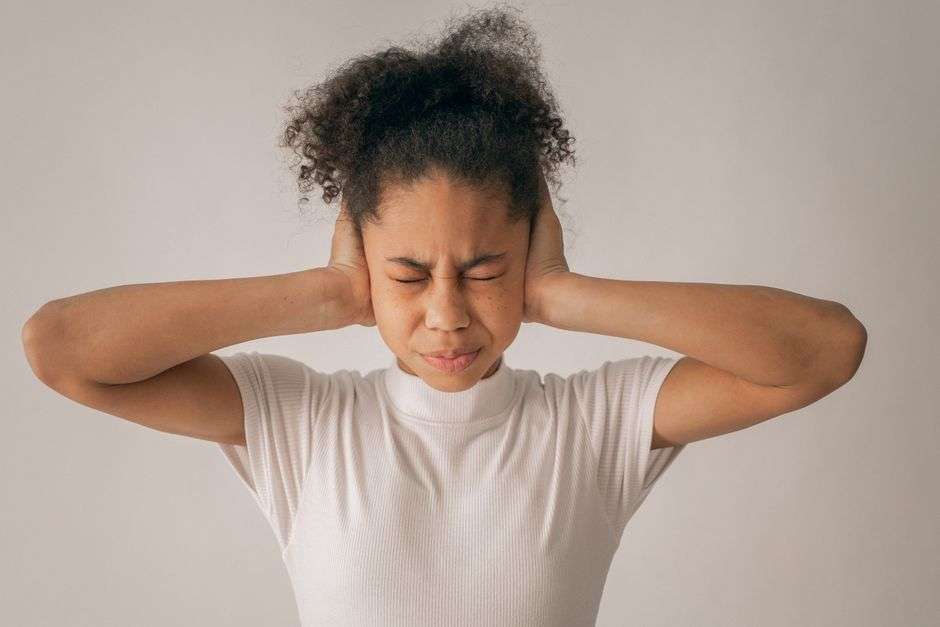
Anxiety often manifests physically in teenagers, sometimes in ways that might seem unrelated to mental health:
- Frequent headaches or stomachaches: Your teen complains of physical pain with no clear medical cause
- Sleep disturbances: Difficulty falling asleep, staying asleep, or experiencing restful sleep
- Changes in appetite: Eating significantly more or less than usual
- Fatigue: Feeling exhausted despite adequate sleep
- Muscle tension: Complaints of sore shoulders, neck, or jaw from unconscious tensing
- Restlessness: Inability to sit still or constantly fidgeting
Emotional and Behavioral Changes
The emotional landscape of an anxious teen often shows distinct patterns:
- Excessive worry about future events: Spending hours ruminating about “what if” scenarios
- Perfectionism: Setting unrealistic standards and becoming distressed when unable to meet them
- Avoidance behaviors: Skipping social events, avoiding certain classes, or refusing to try new activities
- Irritability: Snapping at family members or friends over minor issues
- Difficulty concentrating: Struggling to focus on homework or conversations
- Seeking excessive reassurance: Repeatedly asking if they’re “doing okay” or if everything will be “fine”
Academic and Social Impact
When anxiety takes hold, its effects ripple through all areas of a teen’s life:
- Declining grades: Not due to lack of intelligence but difficulty concentrating or completing assignments
- School avoidance: Frequent “sick days” or reluctance to attend school
- Social withdrawal: Pulling away from friends or declining invitations to activities they once enjoyed
- Procrastination: Putting off tasks due to fear of not doing them perfectly
- Participation changes: No longer speaking up in class or participating in extracurricular activities
Real-Life Examples
Consider Sarah, a 16-year-old who used to enjoy school and time with friends. Over the past few months, she’s been complaining of stomachaches every Monday morning, has stopped participating in drama club (which she loved), and spends hours redoing homework assignments that are already well done. She frequently asks her parents if they think she’ll get into university and seems unable to enjoy activities without worrying about upcoming responsibilities.
Or think about Marcus, a 15-year-old who’s always been social but recently declined multiple party invitations, stopped eating lunch with his friend group, and has been staying up until 2 AM “studying” but seems to retain little information. He’s become irritable at home and complains that his family doesn’t understand the pressure he’s under.
These examples illustrate how anxiety goes beyond normal stress—it’s persistent, affects multiple life areas, and doesn’t improve when immediate stressors are addressed.
Practical Strategies for Supporting Your Anxious Teen
When you’ve identified that your teen is struggling with anxiety, there are several evidence-based approaches you can implement at home to provide support and help them develop coping skills.

Create a Supportive Environment
The home environment plays a crucial role in either exacerbating or alleviating teenage anxiety:
- Maintain consistent routines: Predictability helps reduce overall stress and provides a sense of security
- Practice active listening: When your teen shares concerns, listen without immediately offering solutions or minimizing their feelings
- Validate their experience: Acknowledge that their anxiety is real and challenging, even if the triggers seem minor to you
- Avoid criticism of anxious behaviors: Comments like “just relax” or “you’re overreacting” can increase shame and isolation
- Model healthy stress management: Demonstrate how you handle stress and anxiety in your own life
Teach Practical Coping Skills
Help your teen develop a toolkit of strategies they can use when anxiety rises:
- Deep breathing exercises: Teach the 4-7-8 technique (inhale for 4, hold for 7, exhale for 8) for immediate anxiety relief
- Progressive muscle relaxation: Guide them through tensing and releasing muscle groups to reduce physical tension
- Grounding techniques: Use the 5-4-3-2-1 method (identify 5 things you see, 4 you can touch, 3 you hear, 2 you smell, 1 you taste)
- Thought challenging: Help them question whether their worried thoughts are realistic and helpful
- Mindfulness practices: Encourage present-moment awareness through meditation apps designed for teens
Address Lifestyle Factors
Physical health significantly impacts mental health, particularly for teenagers:
- Sleep hygiene: Establish consistent bedtime routines and limit screen time before sleep
- Regular exercise: Encourage physical activity, which naturally reduces anxiety and improves mood
- Balanced nutrition: Ensure regular meals and limit caffeine, which can increase anxiety symptoms
- Social connection: Support healthy friendships and family time
- Limit overwhelming commitments: Help them prioritize activities and avoid over-scheduling
Academic Support Strategies
Since school is often a significant source of anxiety for teens, targeted academic support can be particularly helpful:
- Break large projects into smaller tasks: Help them create manageable steps for assignments
- Create organized study spaces: A clutter-free, dedicated workspace can reduce stress
- Use time management tools: Calendars and planners can help reduce worry about forgetting tasks
- Communicate with school: Work with teachers and counselors to understand your teen’s needs
- Focus on effort over results: Praise their hard work rather than just grades or outcomes
When Professional Support Becomes Necessary
While parental support and home strategies are valuable, there are clear indicators that professional intervention would be beneficial. Recognizing these signs your teen may benefit from counselling doesn’t mean you’ve failed as a parent—it means you’re advocating for your teen’s wellbeing.
Clear Indicators for Professional Help
Consider seeking professional support when:
- Symptoms persist for several weeks: Anxiety that doesn’t improve despite supportive interventions
- Multiple life areas are affected: Academic, social, and family functioning all show decline
- Physical symptoms are concerning: Frequent panic attacks, persistent insomnia, or significant appetite changes
- Self-harm or suicidal thoughts: Any indication of self-injury or thoughts of death requires immediate professional attention
- Substance use concerns: Using alcohol or drugs to cope with anxiety
- Extreme avoidance: Refusing to attend school or participate in necessary activities
- Family stress is increasing: Anxiety is creating significant tension in family relationships
Types of Professional Support
Several therapeutic approaches have proven effective for teenage anxiety:
- Cognitive Behavioral Therapy (CBT): Helps teens identify and change unhelpful thought patterns and behaviors
- Family therapy: Addresses how family dynamics might be contributing to or helping manage anxiety
- Individual counseling: Provides a safe space for teens to explore their feelings and develop coping strategies
- Group therapy: Allows teens to connect with peers facing similar challenges
- School counseling services: Can provide support during the school day and coordinate with teachers
For families in the Kelowna area, youth counseling services that specialize in adolescent anxiety can provide the specialized support your teen needs to develop healthy coping strategies and regain confidence.
What to Expect from Professional Treatment
Professional treatment for teen anxiety typically involves:
- Comprehensive assessment: Understanding the full scope of your teen’s anxiety and its impact
- Collaborative goal setting: Working with your teen to identify what they want to change
- Skill building: Teaching concrete strategies for managing anxiety symptoms
- Gradual exposure: Safely confronting feared situations to reduce avoidance
- Family involvement: Helping family members understand how to best support their teen
- Progress monitoring: Regular check-ins to assess improvement and adjust treatment
Building Long-Term Resilience
The goal of addressing teen anxiety isn’t to eliminate all stress from your teenager’s life—stress is a normal part of growth and development. Instead, the objective is to help them develop the skills and confidence to navigate life’s challenges without being overwhelmed by anxiety.
Long-term resilience building involves helping your teen understand that anxiety is manageable and that they have the tools to cope with whatever life brings. This perspective shift—from seeing anxiety as something that controls them to something they can manage—often makes the biggest difference in their overall wellbeing.
Remember that recovery from anxiety is rarely linear. There will be good days and challenging days, and setbacks don’t mean that progress isn’t being made. Patience, consistency, and professional guidance when needed create the best foundation for your teen’s mental health.
Frequently Asked Questions
How can I tell if my teen’s anxiety is serious or just normal stress?
Normal stress is typically situational and temporary—it comes and goes with specific events and doesn’t significantly interfere with daily functioning. Anxiety tends to be persistent, affects multiple areas of life (school, relationships, sleep), and doesn’t improve when immediate stressors are removed. If symptoms last more than a few weeks or significantly impact your teen’s ability to function, it’s worth seeking professional assessment.
Should I let my teen avoid situations that make them anxious?
Complete avoidance typically makes anxiety worse over time. However, forcing your teen into overwhelming situations can also be counterproductive. The goal is gradual exposure—helping them face fears in manageable steps with support. A mental health professional can help develop an appropriate exposure plan that challenges your teen without overwhelming them.
Can anxiety in teenagers lead to other mental health issues?
Untreated anxiety can contribute to other challenges like depression, academic problems, social isolation, and sometimes substance use as teens try to self-medicate. Early intervention significantly reduces these risks and helps teens develop healthy coping strategies that protect their mental health long-term.
How long does treatment for teen anxiety typically take?
Treatment length varies depending on the severity of anxiety and individual factors. Many teens see improvement within 8-12 weeks of consistent therapy, though some may need longer support. The goal is to help teens develop skills they can use independently, so treatment focuses on building long-term coping abilities rather than ongoing dependence on therapy.
What should I do if my teen refuses to seek help?
Teen resistance to therapy is common and understandable. Start by having honest conversations about what they’re experiencing and how you want to support them. Sometimes involving them in choosing their therapist or understanding what therapy actually involves can reduce resistance. If anxiety is severely impacting their functioning or safety, professional consultation is necessary even if your teen is initially reluctant.
Recognizing and addressing teen anxiety requires patience, understanding, and often professional support. By staying attuned to your teenager’s needs and seeking help when appropriate, you’re providing them with the foundation for lifelong mental health and resilience.