
What parents can expect from youth counselling
As a parent, watching your child struggle emotionally can feel overwhelming and isolating. You might notice changes in their behavior, mood swings that seem more intense than typical adolescent ups and downs, or withdrawal from activities they once enjoyed. When you start considering youth counselling, it’s natural to wonder what the process will involve, how it might help your child, and what your role as a parent will be throughout their therapeutic journey. For more information, see our youth counselling.
Youth counselling is a collaborative process that aims to create a safe space for young people to explore their thoughts, feelings, and experiences while developing healthier coping strategies. Understanding what to expect from this process can help both you and your child approach therapy with realistic expectations and a clearer sense of how to make the most of this important investment in your child’s mental health and wellbeing.
Understanding Youth Counselling: What It Is and How It Works
Youth counselling is a specialized form of therapy designed specifically for children and adolescents, typically ranging from ages 6 to 18. Unlike adult therapy, youth counselling recognizes the unique developmental needs of young people and adapts therapeutic approaches accordingly. The process acknowledges that children and teenagers are still developing their emotional regulation skills, identity, and understanding of the world around them.
Youth counsellors are trained to work with the developmental stages of childhood and adolescence, understanding that what works for a 7-year-old will be very different from what works for a 16-year-old. They use age-appropriate techniques that might include play therapy, art therapy, cognitive-behavioral strategies, and family systems approaches, depending on your child’s age, personality, and presenting concerns.
The Therapeutic Relationship
One of the most crucial elements of successful youth counselling is the therapeutic relationship between your child and their counsellor. This relationship is built on trust, respect, and unconditional positive regard. Your child’s therapist will work to create an environment where your young person feels heard, understood, and accepted without judgment.
This relationship often takes time to develop, especially if your child has experienced trust issues or has been reluctant to engage with adults about their problems. It’s important to understand that building this therapeutic alliance is not just beneficial—it’s essential for meaningful progress to occur.
Confidentiality and Privacy
Youth counselling operates within specific confidentiality guidelines that balance your child’s need for privacy with your rights and responsibilities as a parent. Generally, what your child discusses in sessions remains confidential, but there are important exceptions. Counsellors are mandated to break confidentiality if there are concerns about your child’s safety, the safety of others, or if there are indications of abuse or neglect.
Your child’s therapist will explain these boundaries clearly at the beginning of the therapeutic relationship, helping both you and your child understand when information might need to be shared and when it will remain private.
Common Reasons Young People Seek Counselling
Young people may benefit from counselling for a wide variety of reasons, and it’s important to recognize that seeking support is a sign of strength, not weakness. Understanding common presenting concerns can help normalize the decision to pursue therapy and reduce any stigma your family might feel.
Emotional and Behavioral Changes
Many parents notice changes in their child’s emotional regulation or behavior that prompt them to consider counselling. These might include:
- Increased irritability, anger outbursts, or mood swings
- Withdrawal from family, friends, or previously enjoyed activities
- Changes in sleep patterns or appetite
- Difficulty concentrating at school or declining academic performance
- Increased anxiety about school, social situations, or separation from parents
- Expressions of sadness, hopelessness, or worthlessness
Life Transitions and Stressors
Sometimes counselling is sought not because of concerning behaviors, but to help young people navigate significant life changes or stressors:
- Family changes such as divorce, remarriage, or the arrival of a new sibling
- Moving to a new home or changing schools
- Grief and loss, including the death of a loved one or pet
- Academic pressures or transitions to new educational environments
- Social challenges, including bullying or peer relationship difficulties
- Identity exploration and questions about sexuality or gender
Trauma and Difficult Experiences
Some young people come to counselling having experienced traumatic events or ongoing difficult circumstances. Research shows that trauma-informed approaches in youth therapy are particularly effective in helping children and adolescents process these experiences in a safe, supportive environment.
What the Counselling Process Looks Like
Understanding the typical flow of youth counselling can help you and your child feel more prepared and less anxious about beginning this process.

Initial Assessment and Goal Setting
The counselling process typically begins with an initial assessment period, which may involve one or more sessions. During this time, your child’s therapist will work to understand:
- Your child’s current concerns and how they’re affecting daily life
- Your family’s background and dynamics
- Your child’s strengths, interests, and coping strategies
- Previous experiences with mental health support
- Goals for therapy and what success might look like
You may be asked to participate in some of these initial sessions, especially if your child is younger. This collaboration helps ensure that everyone is working toward the same goals and that the therapist has a comprehensive understanding of your child’s world.
Regular Sessions and Therapeutic Work
Most youth counselling involves weekly sessions, though the frequency may vary based on your child’s needs and circumstances. Sessions typically last 45-60 minutes for adolescents and may be shorter for younger children, depending on their attention span and developmental level.
The therapeutic work itself will vary greatly depending on your child’s age, personality, and presenting concerns. Younger children might engage in play-based counselling, using toys, games, and creative activities to express themselves and work through difficulties. Adolescents might engage in more traditional talk therapy, though their therapist might still incorporate creative elements or activities to keep them engaged.
Involving Family When Appropriate
While your child’s individual sessions remains private, many youth therapists find value in occasional family sessions or parent consultations. These might occur to:
- Help you understand and support your child’s progress
- Address family dynamics that may be contributing to your child’s difficulties
- Teach family members new communication or conflict resolution skills
- Ensure consistency between what your child is learning in therapy and what happens at home
How to Support Your Child Through Counselling
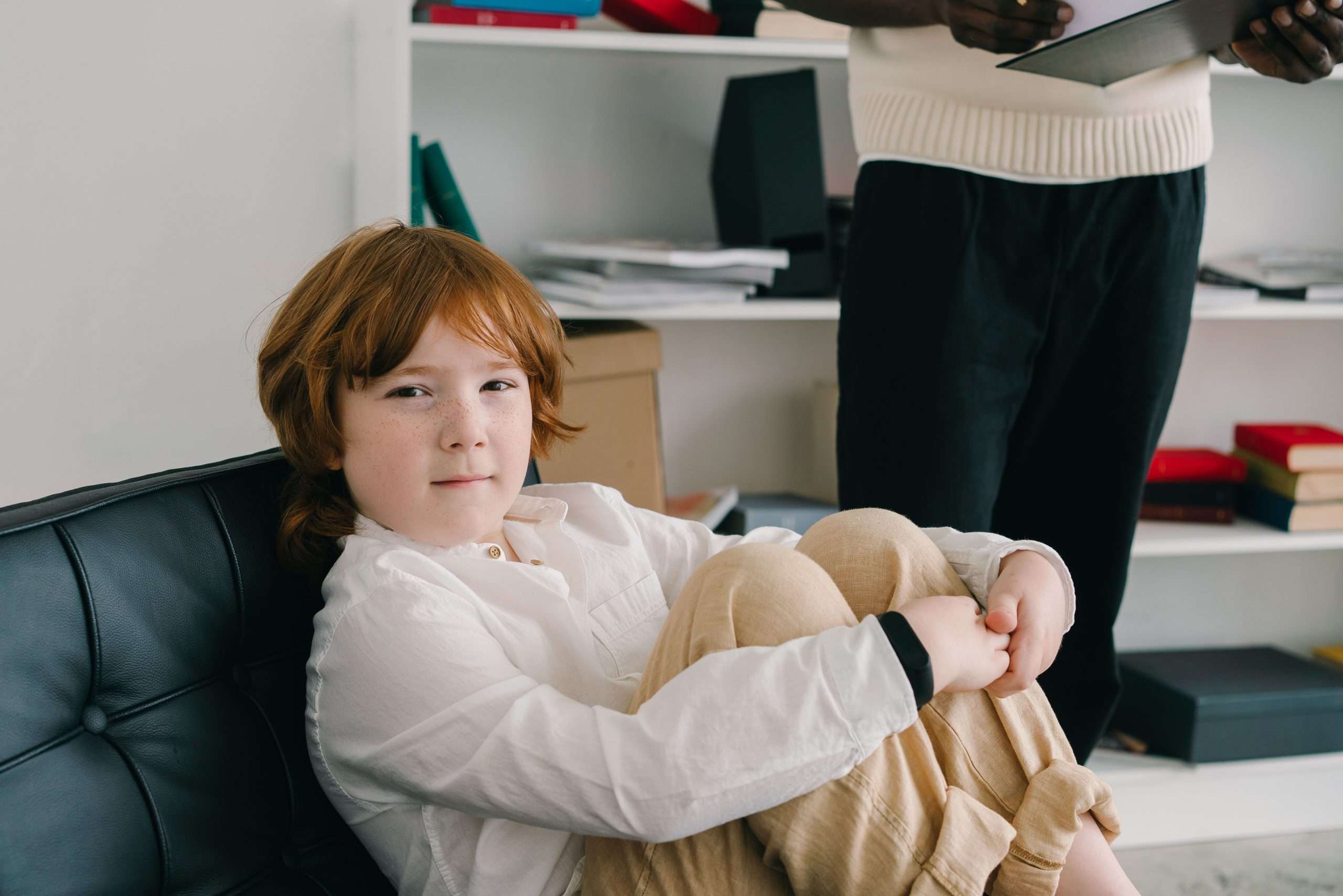
Your role as a parent doesn’t end when you drop your child off for therapy. There are many ways you can support your child’s therapeutic journey and maximize the benefits of their counselling experience.
Creating a Supportive Environment at Home
One of the most important things you can do is create an environment at home that supports your child’s therapeutic work. This includes:
- Avoiding asking for specific details about therapy sessions while showing general interest and support
- Reinforcing positive changes you notice, no matter how small
- Being patient with the process and understanding that progress isn’t always linear
- Maintaining routines and structure that support your child’s overall wellbeing
- Being open to feedback from your child’s therapist about ways to support their progress
Managing Your Own Expectations and Emotions
It’s natural to want to see immediate improvements in your child’s wellbeing, but therapy is typically a gradual process. Some important reminders for parents include:
- Progress often occurs slowly and may include setbacks
- Your child might seem to get worse before they get better as they work through difficult emotions
- Resistance to therapy is common, especially initially, and doesn’t necessarily mean it isn’t helping
- Your child’s therapeutic relationship is separate from your relationship with them
- Taking care of your own mental health supports your ability to help your child
Signs That Counselling Is Helping
Parents often wonder how they’ll know if counselling is making a difference for their child. While every young person’s progress will look different, there are some common indicators that therapy is having a positive impact.
Gradual Improvements in Daily Functioning
You might notice that your child is:
- Showing improved emotional regulation, with fewer intense outbursts or mood swings
- Demonstrating better problem-solving skills when faced with challenges
- Communicating more effectively about their needs and feelings
- Showing renewed interest in activities, friendships, or school
- Sleeping better or showing improvements in appetite
- Expressing increased self-awareness about their emotions and reactions
Development of Coping Strategies
One of the key goals of youth counselling is helping young people develop healthy coping strategies they can use throughout their lives. You might notice your child:
- Using breathing techniques, mindfulness, or other calming strategies when upset
- Taking breaks or removing themselves from stressful situations appropriately
- Asking for help when they need it rather than struggling alone
- Expressing emotions through words rather than only through behavior
- Showing increased resilience when facing setbacks or disappointments
When to Consider Additional or Different Support
While youth counselling can be incredibly beneficial, there are times when additional or different types of support might be needed. Understanding these situations can help you advocate effectively for your child’s needs.
Signs That Your Child May Need Additional Support
If your child is experiencing any of the following, it may be time to discuss additional interventions with their therapist:
- Thoughts of self-harm or suicide
- Significant disruption in eating, sleeping, or daily functioning that isn’t improving
- Substance use or other risky behaviors
- Severe anxiety or depression that interferes with their ability to attend school or maintain relationships
- Symptoms that suggest the need for psychiatric evaluation or medication
Collaborative Care Approaches
Research supports collaborative care models that bring together different professionals to support young people’s mental health. Your child’s counsellor may recommend working with:
- A psychiatrist for medication evaluation and management
- School counselors or educational specialists for academic support
- Medical professionals to address any physical health concerns
- Other specialists depending on your child’s specific needs
Making the Most of the Therapeutic Journey
Youth counselling is most effective when families approach it as a collaborative process with realistic expectations and a commitment to supporting positive change.
Communication with Your Child’s Therapist
Maintaining open communication with your child’s therapist (within appropriate confidentiality boundaries) can significantly enhance the therapeutic process. This might include:
- Sharing observations about changes in your child’s behavior or mood
- Discussing any significant events or stressors in your family’s life
- Asking for guidance on how to respond to challenging behaviors at home
- Attending parent consultation sessions when recommended
- Being honest about any concerns you have about your child’s progress
Long-term Perspective on Mental Health
One of the most valuable aspects of youth counselling is that it can help establish positive patterns for lifelong mental health and wellbeing. The skills your child learns in therapy—emotional regulation, communication, problem-solving, and help-seeking—can serve them well throughout their lives.
Research consistently shows that children and adolescents who receive appropriate mental health support demonstrate improved outcomes not just in the short term, but throughout their development into adulthood.
Frequently Asked Questions
How long does youth counselling typically last?
The duration of youth counselling varies significantly depending on your child’s needs, the issues being addressed, and how they respond to therapy. Some young people benefit from short-term counselling lasting a few months, while others may need longer-term support. Your child’s therapist will regularly review progress and discuss the ongoing need for sessions with you and your child.
What if my child doesn’t want to go to counselling?
Resistance to counselling is common, especially among adolescents. This doesn’t mean therapy won’t be helpful. A skilled youth therapist can work with reluctant clients and often finds ways to engage them over time. It’s important to continue supporting the process while being patient with your child’s initial resistance.
Should I ask my child what happens in their sessions?
While it’s natural to be curious, directly asking for details about therapy sessions can make your child feel like their privacy is being violated. Instead, show general interest and support by asking how they’re feeling about counselling or if there’s anything they’d like to share, without pressuring them for specific information.
How do I know if we have the right therapist for my child?
A good therapeutic relationship is crucial for success. Signs of a good fit include your child showing some willingness to attend sessions (even if initially reluctant), the therapist communicating effectively with you about general progress, and gradual improvements in your child’s functioning over time. If concerns persist after giving the relationship time to develop, discuss them with the therapist or consider seeking a second opinion.
What role should I play in my child’s therapy?
Your role will depend on your child’s age, needs, and the therapist’s approach. Generally, younger children benefit from more parent involvement, while adolescents typically need more independence in their therapeutic relationship. Your child’s therapist will guide you on how to best support the process while respecting appropriate boundaries.
Youth counselling represents an investment in your child’s current wellbeing and future resilience. By understanding what to expect from this process, you can better support your child’s therapeutic journey and help them develop the skills they need to navigate life’s challenges with greater confidence and emotional health. Remember that seeking professional support for your child demonstrates strength and caring, and that with time, patience, and the right therapeutic relationship, positive change is not only possible but likely. For parents in the area looking for dedicated support, our Kelowna therapy services offer a compassionate approach to youth mental health. If you’re observing specific signs your teen may benefit from counselling, early intervention can make a significant difference. Furthermore, parents often find themselves realizing that child anxiety shows up differently than adult anxiety, requiring a specialized approach to care. Techniques that are effective for adults, like Cognitive Behavioral Therapy Exercises for Anxiety, are often adapted for younger clients to ensure they are age-appropriate and engaging.