Helping children cope with big emotions (anger, fear, sadness)
Children experience intense emotions just like adults, but they often lack the vocabulary and coping skills to express or manage these feelings effectively. When your child melts down over a broken toy, refuses to go to school due to fear, or becomes overwhelmed with sadness, it can leave parents feeling helpless and unsure of how to provide support.
“Teaching children healthy emotional regulation skills early creates a foundation for resilient mental health throughout their lives.”
Big emotions are a normal part of childhood development, but helping children navigate anger, fear, and sadness requires patience, understanding, and practical strategies that meet them where they are developmentally.
Understanding Why Children Experience Big Emotions
Children’s brains are still developing, particularly the prefrontal cortex responsible for emotional regulation and impulse control. This means they naturally feel emotions more intensely and have less capacity to manage overwhelming feelings independently.
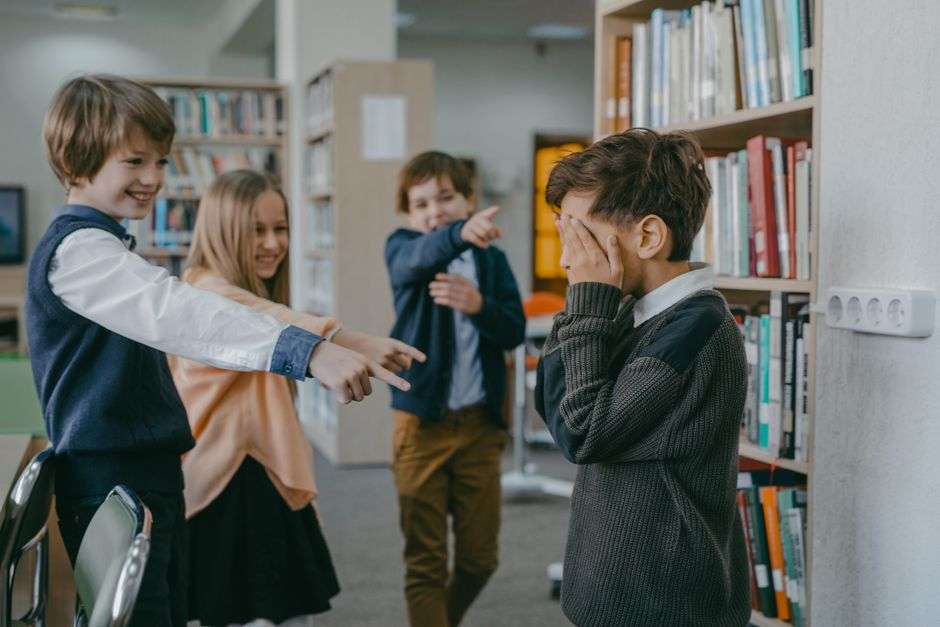
Several factors contribute to emotional intensity in children:
- Developmental stage and brain maturity
- Limited vocabulary to express complex feelings
- Lack of previous experience managing difficult emotions
- Physical factors like hunger, fatigue, or illness
- Environmental stressors or changes in routine
- Temperament and individual sensitivity levels
According to Health Canada, understanding these developmental factors helps parents respond with empathy rather than frustration when children struggle with emotional regulation.
Recognizing Signs of Emotional Overwhelm
Children express big emotions differently depending on their age, personality, and circumstances. Learning to recognize early warning signs can help you intervene before emotions escalate to crisis levels.
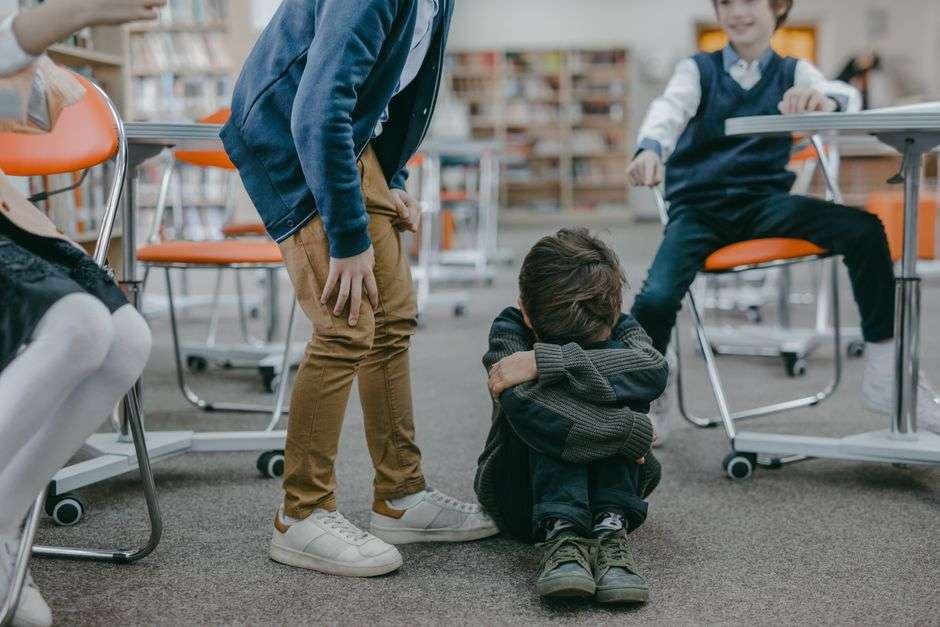
Physical signs may include:
- Changes in breathing patterns
- Clenched fists or tense body posture
- Flushed face or rapid heartbeat
- Difficulty sitting still or restlessness
- Complaints of stomachaches or headaches
Behavioral indicators often involve:
- Increased defiance or opposition
- Withdrawal from family or friends
- Regression in previously mastered skills
- Sleep disturbances or changes in appetite
- Difficulty concentrating on tasks
Early recognition allows you to step in with support before your child becomes completely overwhelmed, making the situation more manageable for everyone involved.
Strategies for Supporting Angry Children
Anger is often a secondary emotion that masks feelings like disappointment, frustration, or hurt. When children express anger through tantrums, aggression, or defiance, they need help identifying the underlying feelings and learning appropriate expression.

During an angry outburst:
- Stay calm and avoid matching their emotional intensity
- Ensure safety for everyone involved
- Use a low, steady voice to provide reassurance
- Avoid reasoning or lengthy explanations during peak anger
- Give them space to cool down if needed
After the storm passes:
- Acknowledge their feelings without judgment
- Help them identify what triggered the anger
- Practice alternative ways to express frustration
- Problem-solve together for future situations
- Reinforce that all feelings are acceptable, but some behaviors need limits
Teaching children that anger provides important information about their needs and boundaries helps them develop healthy relationships with this powerful emotion.
Helping Children Navigate Fear and Anxiety
Fear serves an important protective function, but when it becomes excessive or interferes with daily activities, children need support to manage anxious feelings effectively.

Common childhood fears include separation from parents, monsters or darkness, social situations, academic performance, or specific phobias. The Mental Health Commission of Canada emphasizes that validating these fears while gradually building confidence is key to helping children overcome anxiety.
Supportive approaches include:
- Listen without dismissing or minimizing their concerns
- Ask open-ended questions to understand their perspective
- Create predictable routines that provide security
- Practice relaxation techniques like deep breathing together
- Gradually expose them to feared situations with support
- Celebrate small steps toward overcoming fears
Avoid these common mistakes:
- Forcing them to face fears before they’re ready
- Using phrases like “don’t be scared” or “that’s silly”
- Accommodating fears to the point of avoidance
- Showing your own anxiety about their fears
- Promising that nothing bad will ever happen
If you suspect your child’s struggles extend beyond typical developmental fears, understanding the differences between adult and child anxiety can be very beneficial in seeking appropriate support.
Supporting Children Through Sadness and Grief
Sadness is a healthy emotional response to loss, disappointment, or difficult life changes. Whether children are grieving a death, divorce, moving homes, or smaller losses like a broken toy, they need space to process these feelings safely.
Children express sadness differently at various developmental stages. Younger children might become clingy or regress in behaviors, while older children may withdraw or express sadness through anger or acting out.
Ways to support sad children:
- Create space for tears without rushing to “fix” their feelings
- Share your own experiences with sadness appropriately
- Maintain normal routines while allowing extra comfort
- Use books, stories, or art to help them express feelings
- Connect them with supportive relationships
- Model healthy ways to honor losses or disappointments
Remember that sadness has its own timeline, and children may revisit grief or disappointment repeatedly as they grow and develop new understanding.
Building Emotional Intelligence and Coping Skills
Teaching children to identify, understand, and manage emotions is an ongoing process that requires patience and consistency. Building emotional intelligence helps children develop resilience and stronger relationships throughout their lives.
Daily practices that build emotional skills:
- Name emotions as they arise in everyday situations
- Read books that explore different feelings and characters’ responses
- Practice mindfulness or breathing exercises together
- Create a “feelings vocabulary” with emotion words and definitions
- Use emotion check-ins during regular family time
- Model emotional regulation in your own responses
The Government of Canada’s resources on child development highlight that children learn emotional regulation primarily through observing and practicing with trusted adults.
Age-appropriate coping strategies include:
- Toddlers: Simple breathing exercises, comfort objects, physical movement
- Preschoolers: Emotion identification games, creative expression, simple problem-solving
- School-age: Journaling, more complex breathing techniques, peer support
- Adolescents: Independent coping strategies, values exploration, future planning
For those struggling with more persistent anxiety, exploring Cognitive Behavioral Therapy Exercises for Anxiety can provide additional tools and techniques.
When to Seek Professional Support
While big emotions are normal in childhood, certain signs indicate that professional support might be beneficial for your child and family.
Consider seeking help when:
- Emotional outbursts significantly interfere with daily functioning
- Your child expresses thoughts of self-harm or extreme hopelessness
- Behavioral changes persist for several weeks without improvement
- Academic or social functioning declines dramatically
- You feel overwhelmed and unsure how to support your child
- Family relationships are strained by ongoing emotional challenges
Professional counselors who specialize in working with children and families can provide additional strategies, assess whether underlying issues need attention, and support the whole family in building emotional wellness.
Frequently Asked Questions
How long should I let my child cry or be upset before intervening?
Allow children to express their emotions while staying nearby to provide comfort and safety. The goal isn’t to stop the emotion quickly, but to help them feel supported through it. Intervene if they become unsafe or if the intensity doesn’t naturally decrease after a reasonable time for their age.
What if my child’s big emotions trigger my own stress or anger?
It’s completely normal for children’s intense emotions to activate your own stress response. Take deep breaths, step away briefly if needed to collect yourself, and remember that staying regulated helps your child learn regulation. Consider your own self-care and support systems when parenting becomes challenging.
Are some children naturally more emotional than others?
Yes, children have different temperaments and sensitivity levels from birth. Highly sensitive children may experience emotions more intensely and need additional support developing coping skills. This isn’t a flaw to fix, but a trait to understand and accommodate with appropriate strategies.
How can I help my child without becoming overly protective?
Balance support with building independence by validating their feelings while encouraging problem-solving. Avoid rescuing them from every uncomfortable emotion, but provide scaffolding to help them develop their own coping abilities. Gradually increase expectations as their skills grow.
Should I worry if my child seems to have fewer big emotions than other children?
Some children naturally have more even temperaments or may suppress emotions due to various factors. Pay attention to whether they’re expressing emotions appropriately for their age and situation. If you’re concerned about emotional suppression or lack of expression, professional guidance can help assess whether support is needed.
Helping children develop healthy relationships with their emotions is one of the most valuable gifts you can provide. Remember that building emotional intelligence is a gradual process that happens through countless small interactions and consistent support. Every child’s emotional journey is unique, and what matters most is that they feel understood, supported, and equipped with tools to navigate life’s inevitable challenges.
If you’re finding it difficult to support your child through intense emotions or if family stress is increasing, professional counseling can provide personalized strategies and additional support for your family’s specific needs. For those in the area searching for guidance, Kelowna Therapy offers resources and experienced professionals to help.
Clinically Reviewed By
Amy Mosset, MCP, RCC-S
Amy Mosset is a Master Practitioner in Clinical Counselling, Clinical Supervisor, and the owner of Interactive Counselling. She provides trauma-informed, evidence-based care and clinical supervision to registered therapists, with a focus on ethical practice, client safety, and high-quality therapeutic outcomes. In addition to individual and family support, Amy also has expertise in Kelowna Marriage Counselling, recognizing the interconnectedness of family well-being.