
Feeling lost in a swirl of anxiety or struggling to navigate relationship challenges, many people in British Columbia wonder where to begin on their mental health journey. Understanding your own needs and goals is the first step toward finding meaningful support that fits your life. This guide helps you explore clear strategies for self-assessment, connect with professional resources, and take confident steps toward accessible in-person or online therapy tailored to your unique situation.
Table of Contents
- Step 1: Assess Your Needs And Goals
- Step 2: Research Therapy Options Near You
- Step 3: Select A Qualified Therapist
- Step 4: Schedule Your First Session
- Step 5: Prepare For Your Initial Appointment
- Step 6: Evaluate Your Therapy Experience
Quick Summary
| Key Insight | Explanation |
|---|---|
| 1. Define clear therapy goals | Establish specific, measurable objectives to guide your therapy journey effectively. |
| 2. Research local therapy options | Explore various counselling services to find a therapist that aligns with your emotional needs. |
| 3. Choose the right therapist | Select a professional with the right credentials and a compatible approach to ensure effective support. |
| 4. Prepare for your first session | Gather relevant personal information to maximize the effectiveness of your initial consultation. |
| 5. Regularly evaluate your progress | Check-in periodically with your therapist to adjust goals and track emotional developments effectively. |
Step 1: Assess your needs and goals
Starting therapy means understanding exactly what you want to achieve for your mental health. This initial self-reflection helps create a personalised roadmap for your healing and growth journey, ensuring your therapy experience is meaningful and targeted.
To effectively assess your needs, consider exploring clear emotional and psychological goals that address your current challenges. Your assessment should focus on several key areas:
- Personal stress levels
- Emotional triggers
- Relationship dynamics
- Professional performance
- Overall life satisfaction
Successful therapy starts with honest self-evaluation. Take time to reflect on patterns in your thoughts, behaviours, and emotional responses. Are there recurring issues causing distress? What specific outcomes do you hope to achieve through counselling?
Your therapy goals should be specific, measurable, and aligned with your personal values and current life circumstances.
Working with a therapist means collaboratively creating a tailored treatment approach that meets your unique needs. Each person’s therapeutic journey is different, and your goals might evolve as you progress.
Pro tip: Before your first session, spend 15-20 minutes writing down your primary concerns and desired outcomes to help guide your initial consultation.
Step 2: Research therapy options near you
Researching therapy options is a critical step in finding the right mental health support for your unique needs. This phase helps you explore the diverse counselling services available across British Columbia and determine which approach best matches your personal goals and comfort level.
Start by exploring comprehensive mental health services that cover a range of professional support options. Your research should consider several key factors:
- Geographic accessibility
- Counselling specialties
- Therapist credentials
- Session formats (in-person, online, hybrid)
- Cost and insurance coverage
In British Columbia, you have multiple avenues to find qualified therapists. Look into registered counselling associations, local mental health clinics, and online directories that provide detailed profiles of registered professionals. Pay attention to therapists’ specific areas of expertise and therapeutic approaches.
Not all therapy approaches work equally for everyone. Your goal is to find a professional who understands your specific emotional landscape.
Consider the different therapeutic modalities available, such as cognitive behavioural therapy, narrative therapy, or trauma-informed counselling. Each approach offers unique benefits, and understanding these can help you make an informed decision about your mental health journey.
Here’s a summary of popular therapy modalities you might encounter:
| Therapy Type | Main Focus | Typical Benefit |
|---|---|---|
| Cognitive Behavioural Therapy | Changing negative thought patterns | Improved resilience and practical skills |
| Narrative Therapy | Reframing personal stories | Greater self-understanding |
| Trauma-Informed Counselling | Addressing past trauma | Enhanced emotional safety and trust |
Pro tip: Create a simple spreadsheet to track potential therapists, including their specialties, contact information, and initial consultation availability to streamline your selection process.
Step 3: Select a qualified therapist
Selecting the right therapist is a deeply personal journey that requires careful consideration and thoughtful evaluation. Your goal is to find a mental health professional who not only has the right credentials but also resonates with your unique emotional needs and therapeutic objectives.
Begin by searching licensed counselling professionals through reputable Canadian professional associations. Your selection process should prioritize several critical factors:
- Professional credentials
- Specialization and expertise
- Therapeutic approach compatibility
- Professional registration status
- Communication style and comfort level
Review potential therapists’ background, education, and professional certifications carefully. Look for registered professionals with specific training in the areas most relevant to your mental health goals. Canadian provinces have strict regulatory standards for mental health practitioners, which provides an additional layer of assurance about their professional competence.
The right therapist is not just about credentials, but about finding a genuine connection that supports your healing journey.
Consider scheduling initial consultations with two or three potential therapists to assess their approach and your comfort level. These preliminary meetings can help you gauge whether their communication style, therapeutic techniques, and overall professional demeanour align with your personal preferences and emotional needs.

Pro tip: Prepare a list of key questions about their experience, approach, and specialties before your initial consultation to ensure you gather all necessary information efficiently.
Step 4: Schedule your first session
Scheduling your first therapy session marks an important milestone in your mental health journey. This step transforms your research and preparation into concrete action, bringing you closer to receiving professional support and guidance.
Start by exploring mental health support services that can help streamline your appointment booking process. When scheduling your first session, consider the following essential steps:
- Confirm therapist availability
- Prepare necessary documentation
- Understand session format options
- Verify insurance or payment details
- Select convenient meeting time
Reach out to your chosen therapist through their preferred contact method, whether that’s email, phone, or an online booking platform. Many therapists offer flexible scheduling options, including daytime, evening, and weekend appointments to accommodate different lifestyles and work schedules.
Your first session is an opportunity to establish trust and set the foundation for your therapeutic journey.
Prepare for your initial consultation by gathering relevant personal information, medical history, and a brief overview of the challenges you wish to address. Being organised and transparent will help your therapist understand your needs more effectively and create a personalised treatment approach.
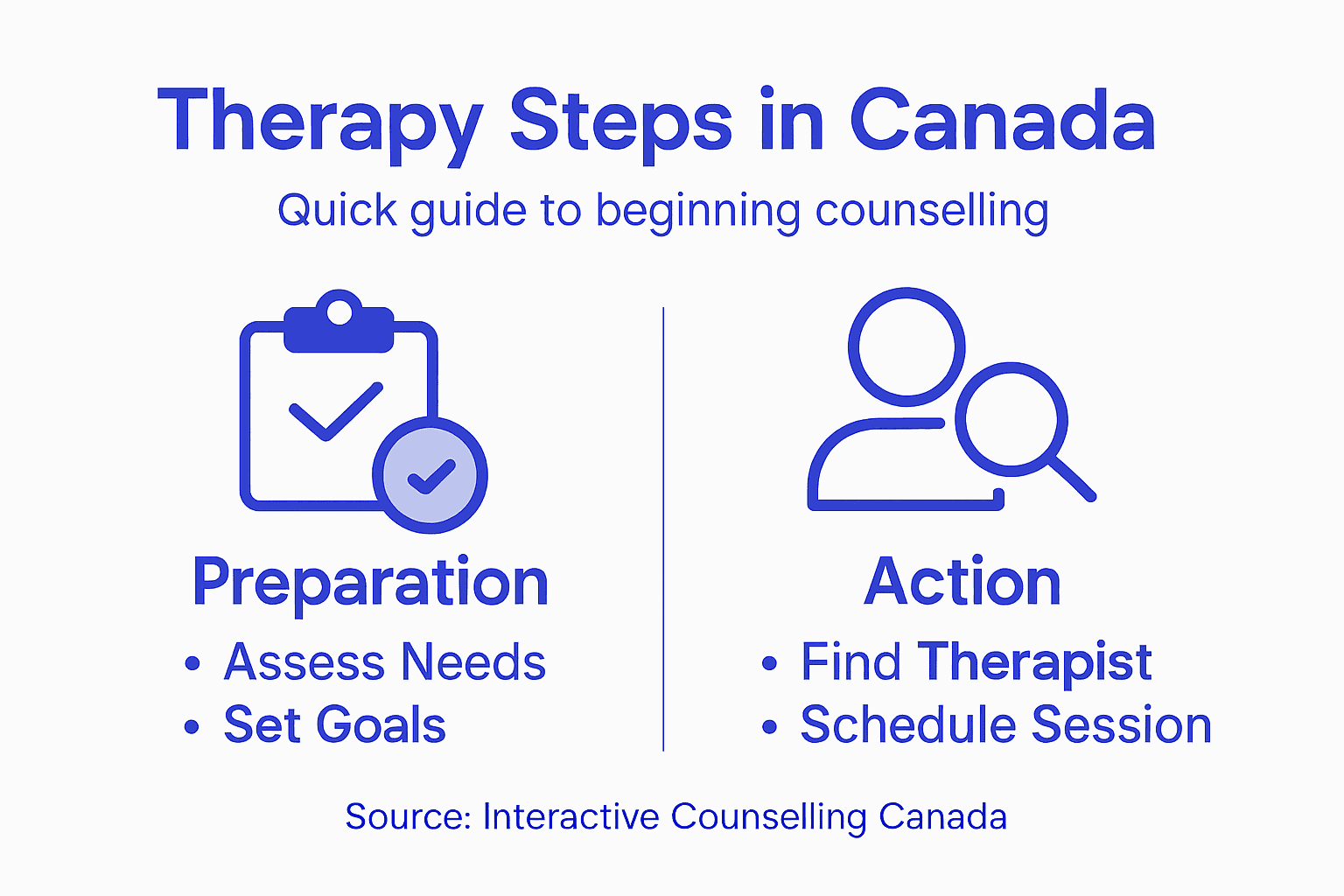
Pro tip: Set a reminder in your calendar 24 hours before the session and prepare a list of questions or topics you want to discuss to maximize the therapeutic experience.
Step 5: Prepare for your initial appointment
Preparing for your first therapy appointment is crucial in setting a positive foundation for your mental health journey. This preparation helps reduce anxiety and ensures you make the most of your initial consultation with a mental health professional.
Begin by completing the electronic intake form and gathering essential documents. Your preparation should include the following key elements:
- Government-issued identification
- Health insurance card
- List of current medications– Medical history summary
- Brief written overview of concerns
Mental health professionals typically allocate 30-45 minutes for initial consultations, so being organised will help maximise this valuable time. Consider preparing a concise narrative about your current challenges, emotional experiences, and what you hope to achieve through therapy.
Your first session is a collaborative conversation, not an interrogation. Be honest, but also kind to yourself.
Think about your comfort during the session. If you’re attending online, ensure you have a private, quiet space with a stable internet connection. For in-person sessions, plan to arrive 10-15 minutes early to complete any additional paperwork and centre yourself before the meeting.
Pro tip: Practice some deep breathing techniques before your appointment to help manage any pre-session nervousness and create a calm mental state.
Step 6: Evaluate your therapy experience
Evaluating your therapy experience is a crucial part of your mental health journey, allowing you to track progress, adjust strategies, and ensure you’re receiving the most effective support possible. This reflective process helps you stay actively engaged in your personal growth and healing.
Tracking mental health improvements involves understanding your emotional progress and personal development. Your evaluation should focus on several key dimensions:
- Emotional resilience
- Stress management skills
- Personal goal achievement
- Quality of therapeutic relationship
- Overall sense of well-being
Consider scheduling periodic check-ins with your therapist to discuss your progress and any shifting therapeutic goals. These conversations provide an opportunity to openly communicate about what’s working well and what might need adjustment in your treatment approach.
Therapy is a collaborative journey. Your honest feedback helps create the most effective path forward.
Remember that therapy is not a linear process. Some weeks might feel more challenging than others, and that’s completely normal. Pay attention to subtle shifts in your thought patterns, emotional responses, and overall coping mechanisms rather than expecting dramatic, immediate changes.
Key steps to ensure a productive therapy experience:
| Step | Why It Matters |
|---|---|
| Define personal goals | Provides direction and clear progress |
| Research suitable therapists | Ensures best fit and support |
| Prepare relevant information | Maximises use of session time |
| Reflect on progress regularly | Enables adjustments and sustained growth |
Pro tip: Keep a brief weekly journal documenting your emotional experiences and insights from therapy sessions to help you track your progress more objectively.
Begin Your Therapy Journey with Trusted Support in Canada
Starting therapy can feel overwhelming when trying to find the right fit and approach that meets your unique needs and goals. Whether you are managing anxiety, healing from trauma, or seeking to improve your relationships the step-by-step guide highlights the importance of honest self-assessment and careful selection of a qualified therapist who truly understands your challenges. You deserve a therapy experience that is compassionate personalized and accessible across multiple locations in Canada.
At Interactive Counselling we make it easy to take those first crucial steps toward improved mental health. Our diverse team of licensed therapists offer flexible in-person and online sessions tailored to children youth adults and families. Explore our General – Interactive Counselling category to learn more about how we support healing and growth with a non-judgmental approach. Don’t wait until stress or emotional difficulties hold you back. Visit Interactive Counselling today and book your initial session. Your path to meaningful change begins with a single step.
Frequently Asked Questions
What should I do first before starting therapy in Canada?
Starting therapy involves assessing your needs and goals for mental health. Take time to reflect on your emotional triggers, relationship dynamics, and overall life satisfaction to help shape your personalized treatment approach.
How do I find therapy options near me in Canada?
To find therapy options, research local mental health services and explore directories listing qualified therapists. Look for details on their specialties, session formats, and availability to ensure a good fit with your personal goals.
What factors should I consider when selecting a therapist?
When choosing a therapist, focus on their professional credentials, areas of specialization, and communication style. Consider scheduling consultations with a few therapists to see which one feels like the best match for your emotional needs.
What should I prepare for my first therapy session?
Prepare for your first session by gathering essential documents such as government-issued ID, health insurance information, and a brief overview of your current challenges. This preparation will help maximize the effectiveness of your initial consultation.
How can I evaluate my therapy experience?
To evaluate your therapy experience, regularly reflect on your emotional progress, stress management skills, and quality of the therapeutic relationship. Schedule check-ins with your therapist to discuss what’s working well and any needed adjustments to your treatment.
How can I make the most of my initial therapy appointment?
To make the most of your initial appointment, arrive organized and prepared, with a list of concerns and questions ready. This ensures that your therapist understands your needs effectively and helps establish a solid foundation for your therapeutic journey.
Recommended
- Step-by-Step Guide to Online Therapy Sessions for Canadians
- How to Find a Therapist: A Gentle Guide to Getting Started
- How to Find the Right Therapist for Your Needs – Interactive Counselling
- How to Access Online Counselling: Step-by-Step Guide – Interactive Counselling