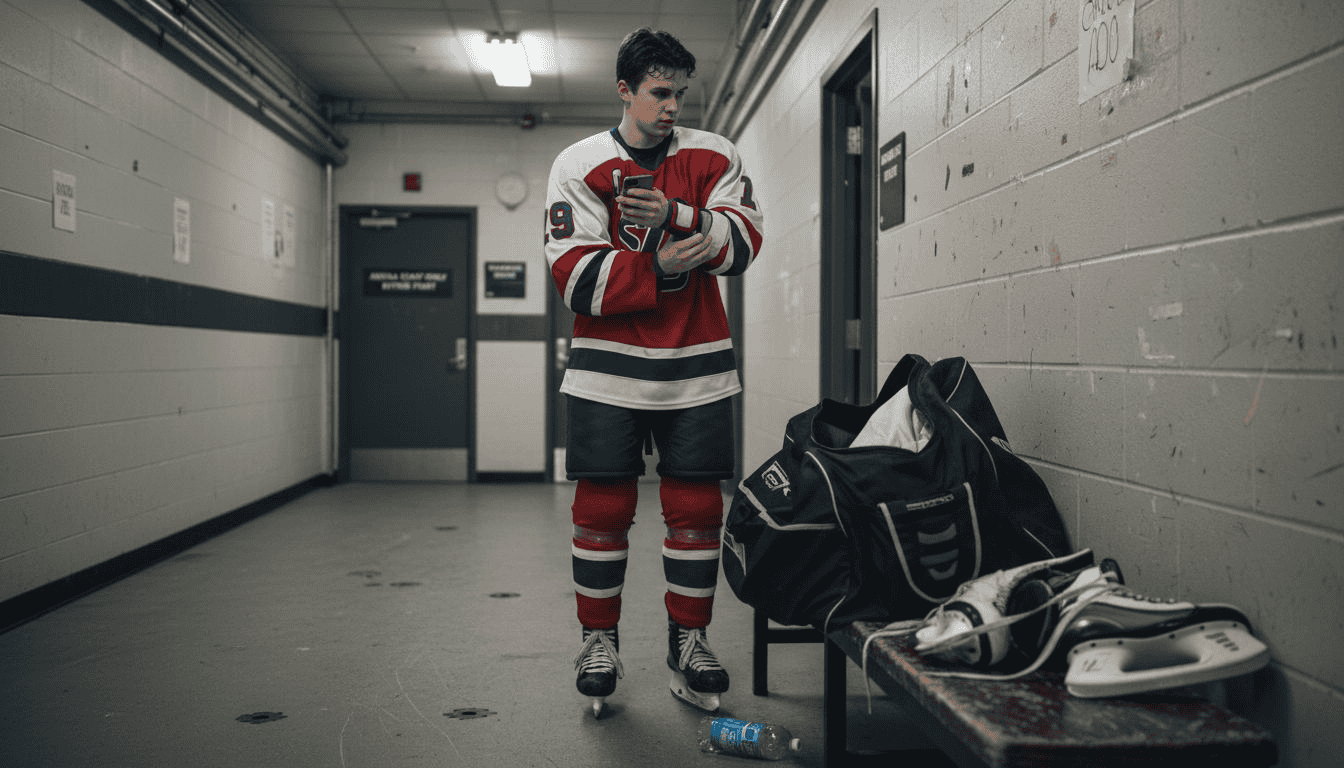
Pressure in the heat of competition can turn a promising performance into a struggle for control. For Canadian athletes, especially youth facing high expectations, performance anxiety often surfaces as racing thoughts, intense nervousness and physical tension that threaten to overshadow skills. Recognizing the signs and understanding the unique mental demands of competitive sport sets the foundation for discovering practical strategies and specialised support services that boost both confidence and well-being. For more information, see our anxiety counselling.
Table of Contents
- What Is Performance Anxiety in Athletes?
- Types of Performance Anxiety in Sports
- Recognizing Signs and Common Causes
- Effects on Athletic Performance and Well-Being
- Evidence-Based Strategies for Managing Anxiety
- Therapy and Support Options in Canada
Key Takeaways
| Point | Details |
|---|---|
| Understanding Performance Anxiety | Performance anxiety significantly affects athletes, manifesting as stress and pressure that impair performance and mental resilience. |
| Types of Anxiety | Athletes experience state anxiety, which is temporary, and trait anxiety, which is a longer-lasting disposition impacting performance across contexts. |
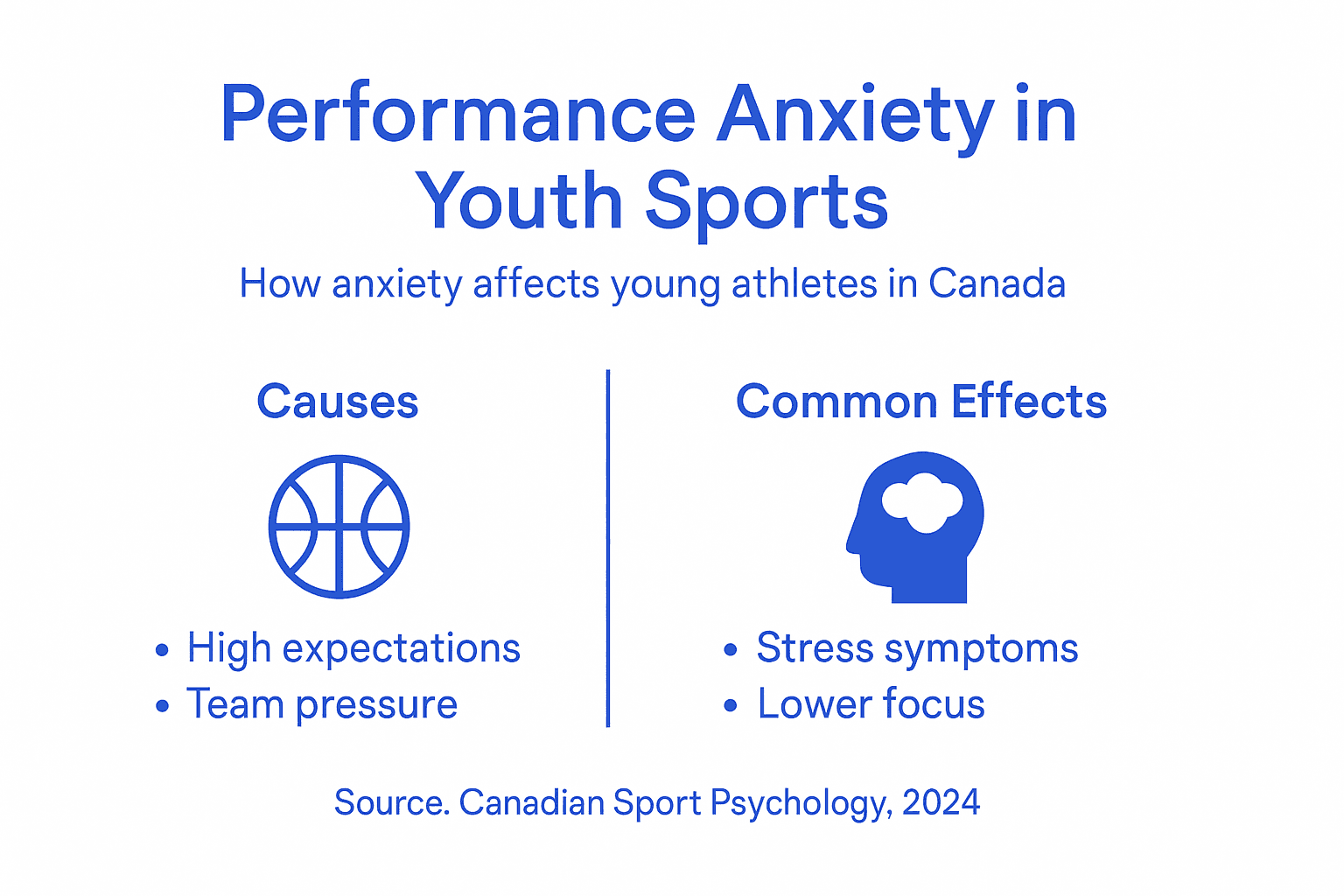
| Signs and Causes | Common symptoms include increased heart rate and excessive sweating, often driven by external pressures and personal expectations. |
| Management Strategies | Evidence-based techniques such as mindfulness and cognitive restructuring can effectively help athletes manage anxiety and improve performance. |
What Is Performance Anxiety in Athletes?
Performance anxiety represents a complex psychological phenomenon that significantly impacts athletes across competitive sports. Physiological research reveals that this condition involves intense cognitive and physiological responses triggered by competitive environments.
At its core, performance anxiety manifests as an overwhelming sense of stress and pressure that can dramatically interfere with an athlete’s ability to perform optimally. Clinical definitions highlight that this condition goes beyond typical pre-competition nervousness, representing a more profound psychological challenge that can potentially derail athletic potential.
The symptoms of performance anxiety are multifaceted, typically involving both mental and physical reactions. Athletes experiencing this condition might encounter:
- Elevated heart rate
- Excessive sweating
- Trembling or shaking
- Racing thoughts
- Overwhelming sense of dread
- Difficulty concentrating
- Muscle tension
Understanding performance anxiety requires recognizing it as a nuanced psychological response where an athlete’s perception of competitive pressure exceeds their perceived coping capabilities. This imbalance creates a state of heightened arousal that can significantly impede physical performance and mental resilience.
Pro tip: Consider working with a sports psychologist who specializes in performance anxiety to develop personalized coping strategies tailored to your specific athletic challenges.
Types of Performance Anxiety in Sports
Competitive anxiety research reveals that performance anxiety is not a monolithic experience, but rather a complex psychological phenomenon with distinct manifestations across different sporting contexts. Primarily, sports psychologists distinguish between two fundamental types of anxiety that impact athletic performance: state anxiety and trait anxiety.
State anxiety represents a temporary, situation-specific emotional response that athletes experience during competitive events. This type of anxiety is further subdivided into two critical components:
- Cognitive anxiety: Involves mental processes such as worry, negative self-talk, and distracting thoughts that can undermine an athlete’s confidence and focus
- Somatic anxiety: Represents the physical manifestations of stress, including increased heart rate, muscle tension, sweating, and other physiological responses
Research comparing individual and team sports highlights fascinating nuances in how anxiety manifests differently depending on the sporting environment. Individual sport athletes typically experience higher levels of cognitive anxiety due to the intense personal pressure and lack of shared responsibility, while team sport athletes may benefit from distributed psychological load.
Trait anxiety represents a more enduring personality characteristic where individuals have a general predisposition to perceive competitive situations as threatening. This underlying psychological tendency can significantly influence an athlete’s emotional responses and performance across multiple sporting contexts.
The following table compares the impact of state and trait anxiety on athletes across different contexts:
| Anxiety Type | Typical Triggers | Duration | Effects on Performance |
|---|---|---|---|
| State Anxiety | Competition, pressure | Short-term | Inconsistent focus, errors |
| Trait Anxiety | General stress perception | Long-lasting | Chronic performance issues |
| Individual Sports | Solo responsibility | Variable | Higher cognitive stress |
| Team Sports | Shared accountability | Variable | Distributed anxiety levels |
Pro tip: Develop a personalised anxiety management strategy that recognizes your unique anxiety type and sporting environment to effectively mitigate performance challenges.
Recognizing Signs and Common Causes
Sports performance anxiety stems from a complex interaction of psychological and environmental factors that can significantly impact an athlete’s mental and physical performance. Understanding these underlying causes and recognizing their signs is crucial for developing effective coping strategies.
The primary causes of performance anxiety in athletes typically include:
- External Pressures: Expectations from coaches, parents, and media
- Internal Expectations: Fear of failure and perfectionism
- Competitive Environment: High-stakes competitions and performance evaluation
- Personal Stressors: Academic demands, personal relationships, and self-image
Physical Signs of performance anxiety manifest through various physiological responses, including:
- Increased heart rate
- Excessive sweating
- Muscle tension
- Trembling or shaking
- Shortness of breath
- Digestive disturbances
Canadian sports research highlights that cognitive symptoms are equally critical, encompassing uncontrollable worry, concentration difficulties, negative self-talk, and persistent feelings of inadequacy. These mental challenges can dramatically undermine an athlete’s confidence and competitive performance.
The Yerkes-Dodson law provides insight into performance anxiety, suggesting that moderate levels of arousal can enhance performance, while both extremely low and high stress levels can significantly impair athletic capabilities. This delicate balance underscores the importance of developing personalized anxiety management techniques.
Pro tip: Regularly practice mindfulness and self-awareness techniques to identify your unique anxiety triggers and develop targeted coping strategies.
Effects on Athletic Performance and Well-Being
Competitive anxiety research demonstrates that performance anxiety profoundly impacts an athlete’s psychological and physiological functioning, creating a complex interplay between mental state and athletic capability. The consequences extend far beyond momentary competitive challenges, potentially influencing long-term athletic development and personal well-being.
The primary performance impacts include:
- Decreased concentration and mental clarity
- Impaired decision-making abilities
- Reduced muscle coordination
- Increased likelihood of technical errors
- Compromised reaction times
- Diminished overall athletic confidence
Physiological manifestations of performance anxiety can trigger significant bodily responses that directly undermine athletic potential. Stress impacts athletic performance through mechanisms such as elevated cortisol levels, increased muscle tension, and disrupted neuromuscular coordination, which collectively compromise an athlete’s competitive effectiveness.
Beyond immediate performance challenges, chronic performance anxiety can lead to more profound psychological consequences, including:
- Potential athletic burnout
- Reduced motivation
- Increased risk of sport-related depression
- Compromised personal identity
- Long-term disengagement from competitive sports
The psychological toll of persistent performance anxiety can be as damaging as its physical manifestations, potentially creating a self-reinforcing cycle of diminished confidence and reduced athletic capability.
Pro tip: Develop a holistic mental training approach that integrates psychological resilience techniques with physical skill development to create a comprehensive performance enhancement strategy.
Evidence-Based Strategies for Managing Anxiety
Mental skills training strategies have emerged as powerful interventions for athletes seeking to manage performance anxiety effectively. These evidence-based approaches focus on developing psychological resilience and adaptive coping mechanisms tailored to individual athletic experiences.
Key evidence-based strategies for managing performance anxiety include:
- Mindfulness Techniques
- Meditation practice
- Breath awareness exercises
- Present-moment focused training
- Cognitive Restructuring
- Identifying negative thought patterns
- Challenging irrational beliefs
- Developing positive self-talk
- Gradual Exposure Therapy
- Systematic desensitization to anxiety triggers
- Controlled performance simulations
- Progressive stress management
These methods help athletes recognize the connection between thoughts, emotions, and performance, enabling more effective psychological regulation.
Professional athletes and sports psychologists recommend implementing a comprehensive anxiety management framework that combines multiple strategies. This holistic approach recognizes that no single technique works universally and that individual athletes require personalized mental performance interventions.
Pro tip: Create a personalised anxiety management notebook tracking your psychological triggers, coping strategies, and performance outcomes to develop targeted mental resilience.
Therapy and Support Options in Canada
Sport-specific mental health services have evolved significantly in Canada, recognizing the unique psychological challenges athletes face across competitive environments. These specialized support systems aim to provide comprehensive mental health resources tailored specifically to athletic populations.
Canadian athletes seeking support can access multiple therapeutic approaches:
- Individual Sport Psychology Counselling
- One-on-one performance anxiety interventions
- Personalised mental skills training
- Cognitive restructuring techniques
- Group Support Programs
- Team-based mental resilience workshops
- Peer support networks
- Shared coping strategy development
- Virtual Therapy Options
- Online counselling sessions
- Flexible scheduling
- Confidential digital platforms
Sport psychology services across Canada offer evidence-based interventions designed to address the complex psychological demands of competitive sports. These services integrate sport psychology principles with traditional therapeutic approaches, ensuring athletes receive holistic mental health support.
The comprehensive Canadian mental health support landscape includes specialized centres, professional networks, and innovative digital platforms that prioritize athlete well-being and psychological performance. These resources reflect a growing recognition of mental health’s critical role in athletic success.
Below is a summary of therapy and support options for athletes managing performance anxiety in Canada:
| Support Type | Approach | Accessibility | Key Advantages |
|---|---|---|---|
| Individual Counselling | One-on-one sessions | In-person or virtual | Personalised strategies |
| Group Workshops | Team-based support | Clubs, sport centres | Peer encouragement |
| Online Programmes | Digital platforms | Anytime access | Flexible scheduling |
| Performance Centres | Sport-specialist teams | Provincial networks | Integrated health resources |
Pro tip: Research and connect with multiple support services to develop a personalised mental health strategy that addresses your specific athletic challenges.
Overcome Performance Anxiety to Unlock Your True Athletic Potential
Performance anxiety can weigh heavily on Canadian youth athletes, causing overwhelming stress, distracting negative self-talk, and physical symptoms that block top performance. If your child or teen is struggling with racing thoughts, muscle tension, or the fear of letting others down, know there is compassionate support tailored for these unique challenges. At Interactive Counselling, we understand how state anxiety, trait anxiety, and the intense pressure of competition can impact mental health and well-being.
Our licensed therapists offer personalized therapy solutions in Kelowna, Vernon, Grande Prairie, Penticton, and nationwide online, focusing on empowering young athletes to develop proven coping strategies and rebuild confidence. Whether through individual counselling or group support, we provide flexible therapy sessions designed to address performance anxiety directly. Take the first step towards renewed focus and resilience by exploring our mental health services at Interactive Counselling. Start your journey today and help your young athlete thrive beyond anxiety.
Frequently Asked Questions
What is performance anxiety in athletes?
Performance anxiety is a psychological condition that causes intense stress and pressure, negatively impacting an athlete’s ability to perform optimally in competitive sports.
What are the common signs of performance anxiety in athletes?
Common signs include elevated heart rate, excessive sweating, trembling, racing thoughts, difficulty concentrating, and an overwhelming sense of dread.
How does performance anxiety affect athletic performance?
Performance anxiety can lead to decreased concentration, impaired decision-making, reduced muscle coordination, and increased likelihood of errors, ultimately affecting an athlete’s overall performance.
What strategies can athletes use to manage performance anxiety?
Athletes can use strategies such as mindfulness techniques, cognitive restructuring, and gradual exposure therapy to effectively manage their performance anxiety.
Recommended
- Mental Coaching for Young Athletes: Building Confidence and Focus
- Sport Psychology Explained: Mental Performance in Sport
- Vernon Sport Psychology & Sports Counselling | Athletes
- Sports Counselling for Athletes | Mental Performance Therapy