Deciding to start counselling is a significant step toward healing. But the next challenge can feel just as big: finding a therapist you can truly connect with and trust, especially when you’re feeling vulnerable. It’s an incredibly personal choice, and in communities like Pentiction, finding the right fit is essential. When you’re looking through profiles, professional awards and recognition can serve as a quiet, reassuring signal. They hint at a therapist’s commitment to their craft and their clients, offering a solid starting point for building the safety and confidence so crucial for a meaningful therapeutic journey. For more information, see our couples counselling.
How Recognition Strengthens Client Confidence

It’s completely normal to feel a bit uncertain when you’re looking for a counsellor. You might be wondering, “Is this person skilled enough? Can they truly help me?” Seeing that a therapist has been recognized by their professional community can help quiet some of that inner doubt. Think of it as a comforting vote of confidence from a group of experts. It can help you feel more secure in your decision right from the beginning. This validation can shift that first session from a leap of faith into a more hopeful step forward, allowing you to relax a little, knowing you’re connecting with someone respected for their skill and dedication to their work.
Why Awards Reflect Professional Excellence

An award is more than just a certificate on a wall; it’s a quiet nod to a therapist’s deep commitment to their craft. In the world of counselling, this kind of recognition isn’t given out lightly. It is often tied to meaningful contributions that have genuinely made a difference in the field or the community. This kind of acknowledgment tells you that a professional isn’t just meeting the minimum requirements. It suggests they’re deeply engaged, respected by their colleagues, and dedicated to upholding high standards of care. When you’re looking for supportive counselling in Penticton and find a recognized professional, you’re connecting with someone who is actively pursuing excellence in their practice.
How Credentials Build Emotional Safety in Therapy
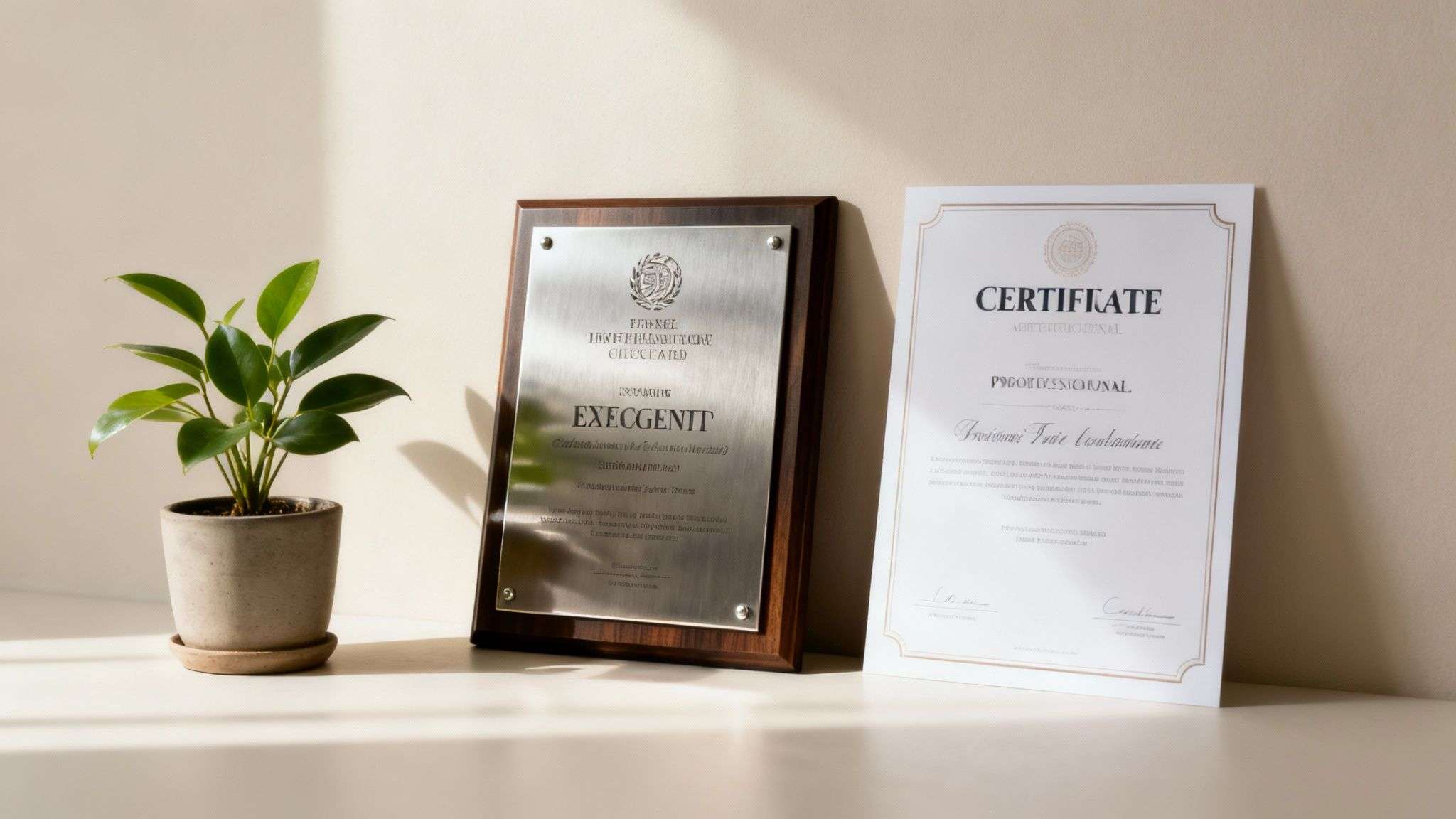
Therapy requires a willingness to be vulnerable, and that vulnerability is only possible when you feel emotionally safe. This is where a counsellor’s credentials and professional awards can make a real difference, helping to lay the groundwork for trust right from the start. Seeing that a therapist is recognized and held to high ethical standards by a professional body offers a powerful layer of reassurance. It’s like a quiet confirmation that you’re choosing a capable and caring professional before you’ve even shared your story. This initial sense of security creates a safe container for your sessions, helping you feel more comfortable exploring difficult emotions and experiences, knowing you’re in good hands.
How Award-Winning Therapists Support Healing

The very qualities that earn therapists recognition—like empathy, innovative approaches, and a genuine passion for their work—are the same things that enrich your therapy sessions. Therapists who receive awards are often committed to ongoing learning and professional development. They are more likely to bring fresh, evidence-informed techniques into the therapy room instead of relying on outdated methods. This dedication means they are better equipped to listen deeply, understand your unique situation, and tailor their approach to fit your specific needs. Ultimately, this drive for excellence creates a more dynamic and effective space for healing, empowering you on your journey toward well-being and personal growth.
Practical Ways to Choose a Trusted Counsellor
Finding trusted mental health support is about more than just a list of accolades. While awards are a positive indicator, they’re one piece of a larger picture. Arming yourself with information can help you make a choice that feels right for you.
- Explore their background. Look into a therapist’s specific credentials, training, and the therapeutic approaches they use.
- Visit their website. Does their style, language, and what they stand for resonate with you on a personal level?
- Trust your feelings. During a consultation call, pay attention to how you feel. Do you feel heard and respected? Does the space feel safe and non-judgmental?
The goal is to find a professional who not only has the right experience but also feels like the right partner for your healing journey.
When Recognition Makes a Meaningful Difference
Sometimes, an award isn’t just a bonus; it’s a profound source of relief for someone seeking help. Imagine you’re looking for support with something very specific, like complex trauma, disordered eating, or a particular phobia. In these moments, finding a counsellor who has been formally recognized for their work in that exact area is incredibly validating. It signals that this person truly understands the nuances of what you’re going through. That kind of specialized recognition can make you feel seen before you even book an appointment. It helps build a foundation of confidence, letting you know you’ve found a knowledgeable guide for the path ahead.
With our counsellors across BC and Alberta and through virtual therapy across Canada, we’re here to support you. If holiday stress is affecting your well-being or relationships, our therapists at Interactive Counselling can help you regain balance, set boundaries, and feel grounded again.
Frequently Asked Questions
Should I only look for a counsellor with awards?
Not necessarily. While awards are a good sign of dedication, the most important factor is the connection you build. Think of awards as a helpful starting point, but focus on finding a therapist you feel comfortable with, who listens to you, and whose approach aligns with your needs. Your rapport is key.
What if a counsellor I like doesn’t have any awards?
That’s very common and perfectly fine. Many excellent, effective counsellors focus their energy entirely on their clients rather than seeking accolades. The absence of an award says nothing about their skill. Prioritize their experience, expertise, and how you feel after speaking with them in a consultation call.
How do I find out if a therapist has awards?
Most counsellors list professional recognition on their website, often on their personal bio or an “About Us” page. You might also find this information on the websites of the professional organizations that grant the awards. It’s just one part of the process of getting to know a therapist’s professional background.
Are all awards the same?
No, they can mean very different things. Some awards might recognize innovative research, while others celebrate excellence in direct client work or community involvement. Understanding what an award was for can give you a better sense of a counsellor’s specific strengths, passions, and contributions to their field.
Does an award guarantee I’ll have a good experience?
An award is a strong indicator that a counsellor is respected by their colleagues, which is a positive sign. However, therapy is deeply personal. A successful experience always depends on the unique relationship you build together. The best fit is a combination of professional skill and a genuine, supportive connection.
Is it okay to ask a counsellor about their awards?
Absolutely. A good therapist will be happy to discuss their professional background, including any credentials or recognition they have received. Asking these questions is a normal and healthy part of choosing the right person to work with. It shows you are taking an active and thoughtful role in your own care.