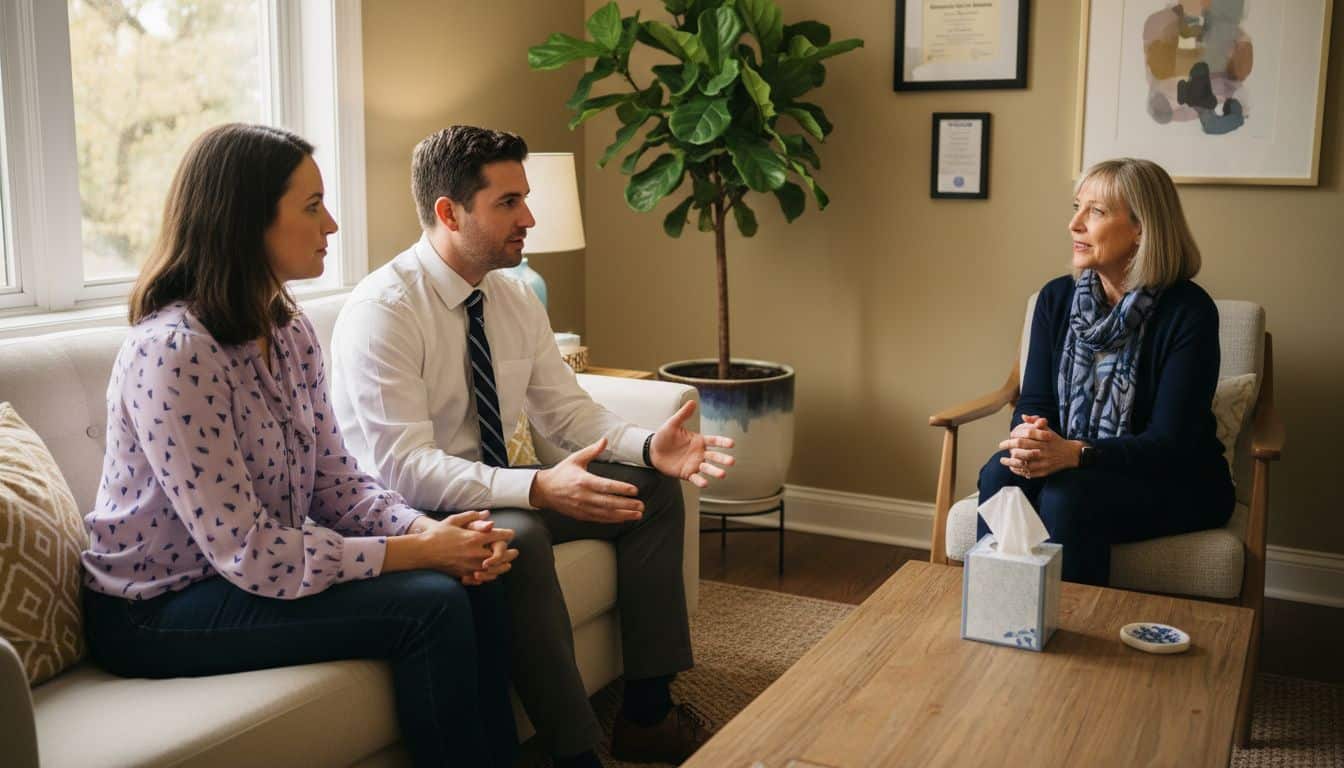
More than half of couples who try therapy say it helped them communicate better and feel closer. Yet the thought of preparing for your first counseling session can feel confusing or even nerve-wracking. Laying the groundwork before you walk in makes all the difference. With the right steps, you can approach couples counseling with clarity, shared purpose, and the confidence to strengthen your connection together. For more information, see our couples counselling.
Table of Contents
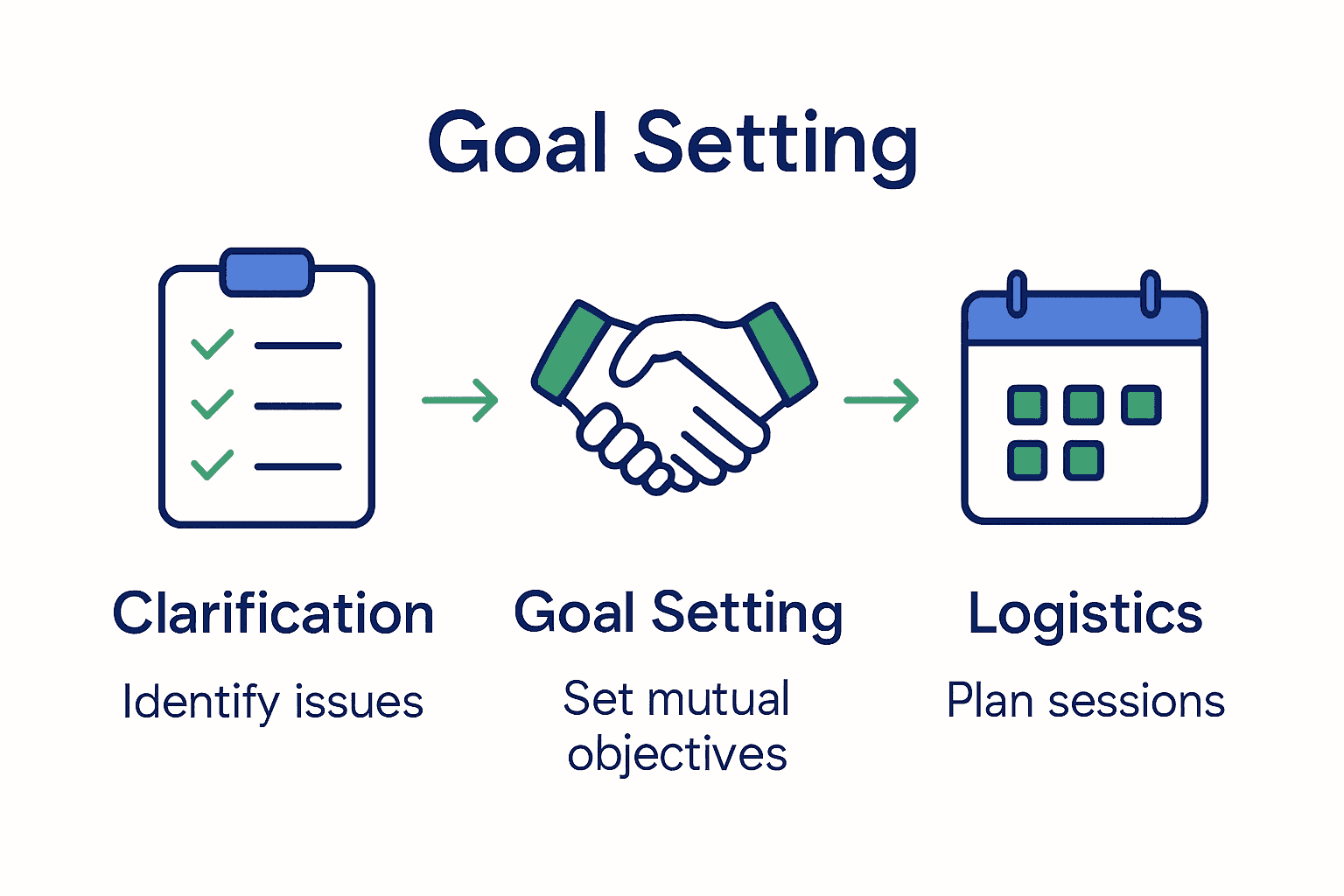
- Step 1: Clarify Your Reasons For Seeking Counseling
- Step 2: Agree On Shared Goals And Expectations
- Step 3: Arrange Key Logistics And Scheduling
- Step 4: Gather Relevant Relationship Information
- Step 5: Commit To Open Communication During Sessions
- Step 6: Collaborate On Action Steps After Each Session
Quick Summary
| Key Point | Explanation |
|---|---|
| 1. Clarify your reasons for counseling | Understand your motivations for seeking help to create a focused roadmap for your relationship. |
| 2. Set shared goals with your partner | Establish clear and mutual objectives to enhance commitment and understanding during therapy sessions. |
| 3. Organize practical logistics for sessions | Discuss scheduling, location, and session formats to ensure a smooth counseling experience. |
| 4. Gather relationship background information | Compile important details about your shared history and challenges to inform your counselor effectively. |
| 5. Commit to open communication in sessions | Practice active listening and vulnerability to foster a safe space for sharing during counseling. |
 |
|
Step 1: Clarify Your Reasons for Seeking Counseling
Preparing for couples counseling starts with honest self reflection about why you want professional support. Understanding your core motivations helps create a focused roadmap for healing and growth in your relationship.
According to University of Oregon, marriage counseling provides an opportunity to recognize and resolve conflicts while improving relationship dynamics. Take time to identify specific challenges you want to address such as communication breakdowns, recurring arguments, trust issues, or emotional disconnection. Write down your primary concerns and desired outcomes before your first session.
Be prepared to explore both individual and shared perspectives. Some people enter counseling hoping to rebuild intimacy while others seek clarity about whether the relationship can be sustained. Ask yourself tough questions like what has changed in your connection, what patterns feel stuck, and what you truly want moving forward. University of Cape Coast research suggests counseling can help individuals navigate personal and relational challenges by providing a confidential space to discuss complex emotions.
Pro Tip: Approach counseling with openness and a genuine commitment to personal growth rather than viewing it as a final judgment about your relationship.
By clarifying your reasons for seeking counseling, you set a strong foundation for meaningful therapeutic work. Your next step involves preparing emotionally and practically for your initial consultation.
Step 2: Agree on Shared Goals and Expectations
Successful couples counseling requires both partners to establish clear and mutually understood objectives for their therapeutic journey. This step focuses on creating alignment about what you hope to achieve through professional support.
According to research from Cambridge Core, relationship expectations play a critical role in developing commitment and understanding between partners. Schedule a preliminary conversation with your partner to discuss individual and collective goals for counseling. This might include improving communication, resolving specific conflicts, rebuilding trust, or gaining deeper emotional intimacy.
During this discussion, practice active listening and create space for both perspectives. Some couples discover their goals are quite different some want to restore their relationship while others seek clarity about whether continuing together makes sense. Be honest about your motivations and willing to compromise. Identify 3 to 4 concrete outcomes you both want to achieve through counseling and write them down. These might range from learning better communication techniques to understanding underlying relationship patterns.
Pro Tip: Approach goal setting as a collaborative process where both partners feelings and perspectives are equally valued.
By establishing shared expectations, you create a strong foundation for meaningful therapeutic work. Your next step involves preparing emotionally and practically for your initial counseling session.
Step 3: Arrange Key Logistics and Scheduling
Navigating the practical aspects of couples counseling requires thoughtful planning and open communication about scheduling, location, and session format. This step helps you establish a smooth and convenient approach to your therapeutic journey.
According to University of Oregon, understanding the logistics of therapy is crucial for a successful counseling experience. Begin by discussing potential time slots that work for both partners. Consider factors like work schedules, childcare responsibilities, and travel time. Many counseling practices offer flexible options including evening and weekend appointments to accommodate different lifestyles.
Decide whether you prefer in person sessions or online counseling. Each format has unique benefits virtual sessions provide convenience while in person meetings offer deeper personal connection. Discuss your communication preferences with your counseling provider. Some couples find alternating between online and in person sessions helps maintain flexibility. University of Oregon resources suggest exploring different session formats to find what best supports your relationship growth.
Pro Tip: Create a shared calendar invite for counseling sessions to ensure both partners are committed and aligned.
By carefully arranging your counseling logistics, you demonstrate mutual respect and shared commitment to improving your relationship. Your next step involves preparing emotionally for your first counseling session.
Step 4: Gather Relevant Relationship Information
Preparing comprehensive background information about your relationship helps your counselor understand your unique dynamics and develop targeted strategies for healing. This step involves thoughtfully collecting and organizing key details about your shared history and current challenges.
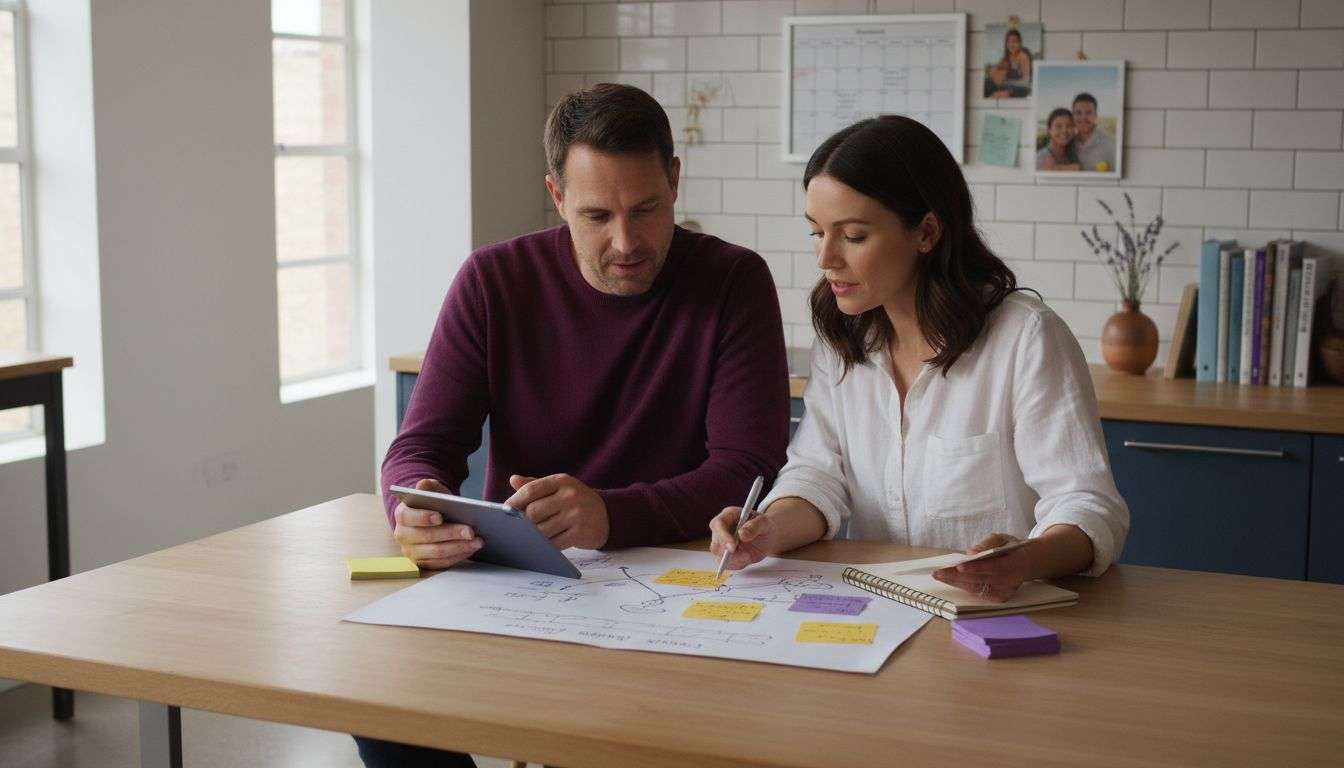
National Institutes of Health research highlights the importance of understanding relationship education and therapeutic approaches. Start by individually reflecting on your relationship timeline. Document significant milestones like when you first met, major life transitions, periods of conflict, and moments of deep connection. Consider creating a shared document where both partners can contribute perspectives without interrupting each other.
Research from Frontiers in Psychology emphasizes the value of examining relationship dynamics comprehensively. Collect relevant information including communication patterns, conflict resolution styles, intimacy levels, and shared or individual stressors. Be prepared to discuss family history, previous relationship experiences, and individual emotional triggers that might impact your current partnership. Consider preparing a brief written summary of your relationship challenges and goals to share with your counselor.
Pro Tip: Approach information gathering with curiosity and compassion rather than judgment.
By carefully documenting your relationship context, you create a solid foundation for meaningful therapeutic work. Your next step involves preparing emotionally for an honest and constructive counseling experience.
Step 5: Commit to Open Communication During Sessions
Open communication during counseling requires vulnerability, active listening, and a genuine commitment to understanding each other. This step transforms counseling from a mere conversation into a meaningful pathway for relationship healing., when couples shift their perspective from individual conflict to collaborative problem solving, their communication becomes more constructive. During sessions, practice speaking from your personal experience using statements that begin with “I feel” rather than “You always” or “You never”. This approach helps prevent defensive reactions and creates a safe space for genuine dialogue.
Each partner should commit to listening without interrupting, truly hearing your partners perspective before formulating a response. Avoid turning the session into a debate or competition. Instead, approach counseling as a shared exploration where both perspectives are equally valuable. Be willing to sit with uncomfortable emotions and resist the urge to immediately fix or dismiss your partners feelings. Acknowledge that vulnerability requires courage and that showing emotional openness is a strength.
Pro Tip: Think of counseling as a collaborative journey where youre both on the same team working towards mutual understanding.
By dedicating yourself to authentic and compassionate communication, you create the foundation for meaningful relationship transformation. Your next step involves implementing the insights and strategies discovered during your counseling sessions.
Step 6: Collaborate on Action Steps After Each Session
Successful couples counseling extends beyond the therapy room through intentional follow-up and collaborative goal setting. This step transforms therapeutic insights into practical relationship improvements by creating clear and meaningful action steps.
After each session, sit down together and develop specific, measurable, achievable, relevant, and time bound actions that support your relationship growth. These might include communication exercises, scheduled weekly check ins, or individual reflection practices recommended by your counselor.
This means identifying both shared and individual goals that contribute to relationship healing. Create a joint document tracking your progress, noting challenges, celebrating small victories, and maintaining accountability. Be flexible and open to adjusting your approach as you learn and grow together.
Pro Tip: Review your action steps weekly and approach them with curiosity rather than judgment.
By consistently collaborating on actionable strategies, you transform counseling insights into lasting relationship transformation. Your next step involves maintaining momentum and commitment to your shared growth journey.
Take the Next Step Towards Lasting Relationship Change
Preparing for couples counseling can feel overwhelming especially when dealing with communication struggles, trust issues, or emotional disconnects. This article highlights important steps like clarifying your reasons for counseling, setting shared goals, and committing to open communication. These key concepts help turn hope for growth into meaningful progress. If you identify with the desire to rebuild intimacy or resolve recurring conflicts with a compassionate approach, you are not alone.
Interactive Counselling offers personalized couples therapy tailored to meet your unique needs through flexible in-person or online sessions available across Canada. Explore our supportive resources and connect with licensed therapists who specialize in fostering healthy relationships. Visit our General – Interactive Counselling page to learn more about the services we provide. Don’t wait to create a path toward deeper connection and understanding. Start your journey with us at Interactive Counselling today. Taking that first step can make all the difference.
Frequently Asked Questions
How can I clarify my reasons for seeking couples counseling?
Understanding your motivations begins with honest self-reflection. Take time to identify specific challenges you want to address, such as communication breakdowns or trust issues, and write down your core concerns before your first session.
What shared goals should we establish before starting counseling?
Establish clear and mutually understood objectives for your therapeutic journey. Discuss with your partner what you hope to achieve, like improving communication or resolving specific conflicts, and identify 3 to 4 concrete outcomes you both want to focus on.
How should we arrange our counseling logistics and schedule?
Establishing effective logistics involves discussing potential time slots that accommodate both partners’ schedules. Consider using a shared calendar to set appointments and choose a session format—either in-person or online—that works best for your comfort and convenience.
What kind of relationship information should we gather for counseling?
Collect relevant details about your relationship, including significant milestones, communication patterns, and emotional triggers. Document this information comprehensively to provide your counselor with a solid understanding of your unique dynamics.
How can we ensure open communication during counseling sessions?
Foster open communication by practicing active listening and expressing yourself using
Recommended
- What Is Couples Counseling? Complete Relationship Guide – Interactive Counselling
- 7 Key Benefits of Marriage Counseling for Stronger Relationships – Interactive Counselling
- Change Is Hard – Interactive Counselling
- Co-Parent Counselling: Essential Support for Separated Couples