TL;DR:
- Anxiety disorders are common in Canada and often go untreated for years, impacting daily life.
- Key signs include restlessness, muscle tension, sleep issues, and persistent dread.
- Early recognition and support can improve outcomes and prevent anxiety from worsening.
Many Canadians brush off early anxiety symptoms as “just stress” or a rough patch that will pass on its own. But anxiety disorders are among the most prevalent mental health concerns in Canada, and the gap between first noticing symptoms and seeking help is often years. That delay has real consequences. When anxiety signals go unrecognised, they tend to deepen, affecting relationships, work, sleep, and physical health in ways that become harder to untangle over time. This guide walks you through 10 evidence-based signs of anxiety worth taking seriously, why they matter, and what you can do right now to move toward feeling better.
Table of Contents
- What to know about anxiety disorders
- The 10 signs of anxiety you shouldn’t ignore
- Comparing anxiety signs: When should you take action?
- Who is most at risk and where to find support
- Why listening to anxiety signals now makes all the difference
- Find the support you deserve
- Frequently asked questions
Key Takeaways
| Point | Details |
|---|---|
| Common anxiety symptoms | Signs like excessive worry, restlessness, and muscle tension are often overlooked but are important to notice. |
| When to seek help | If anxiety disrupts daily life or you experience several symptoms, professional support can make a difference. |
| Canadian resources | Canadians can access help through doctors, therapists, and national crisis lines like 988. |
| CBT effectiveness | Cognitive behavioural therapy is a proven first treatment for anxiety, supported by Canadian guidelines. |
What to know about anxiety disorders
Anxiety can feel like a constant hum in the background, a worry that never quite switches off. But when that worry becomes persistent and starts interfering with everyday life, it may point to an anxiety disorder. Anxiety disorders are characterised by excessive, hard-to-control worry that disrupts daily functioning, and they come in several forms.
The most common types include:
- Generalised Anxiety Disorder (GAD): Chronic worry about many different areas of life, from health and finances to relationships and work
- Panic disorder: Recurrent, unexpected panic attacks accompanied by fear of future attacks
- Social anxiety disorder: Intense fear of social situations and being judged by others
- Specific phobias: Overwhelming fear tied to a particular object or situation
Anxiety is not a character flaw or a sign of weakness. It is a recognised medical condition with effective, evidence-based treatments available across Canada, including therapy, medication, and lifestyle changes.
“If you are in crisis right now, please reach out. Call or text 988, Canada’s Suicide Crisis Helpline, to speak with someone who cares.”
Early intervention consistently leads to better outcomes. Organisations like the Canadian Mental Health Association (CMHA) and the Mental Health Commission of Canada offer resources and referrals. For everyday strategies while you decide next steps, exploring anxiety coping strategies and learning about managing anxiety naturally can offer helpful starting points.
The 10 signs of anxiety you shouldn’t ignore
With a foundation in place, let’s walk through the 10 specific anxiety signs that deserve your attention. Some of these may surprise you, especially the ones your body notices before your mind does.
- Restlessness or feeling on edge. That sense of being unable to settle, even when you have nowhere to be. Restlessness and lack of control are among the most frequently reported anxiety symptoms in Canadian adults, including older Canadians during and after COVID-19.
- Muscle tension. Tight shoulders, a clenched jaw, or a stiff neck that never fully releases. Many people don’t connect physical tension to anxiety at all.
- Persistent headaches. Recurring tension headaches without a clear physical cause can be anxiety’s calling card.
- Racing or pounding heart. Your nervous system is designed to respond to threats, and anxiety can trigger that alarm system even when no real danger is present.
- Excessive, hard-to-control worry. If your mind returns to the same concerns repeatedly, even when you know logically that things are fine, this is a hallmark sign.
- Sleep disturbances. Difficulty falling asleep, waking in the night, or lying awake with a racing mind are strongly linked to anxiety disorders.
- Irritability and concentration problems. Short fuses and foggy thinking are often misread as personality traits rather than symptoms.
- Avoidance behaviours. Cancelling plans, avoiding phone calls, or steering clear of situations that feel overwhelming are patterns worth noticing.
- Fatigue despite adequate rest. Anxiety is exhausting. Being constantly alert and worried drains your energy even when you are sleeping enough.
- Sense of dread or impending doom. A persistent feeling that something bad is about to happen, even when everything appears fine, is a sign that deserves attention.
Pro Tip: Anxiety shows up differently in children compared to adults. If you have a child who is frequently sick before school, clings more than usual, or has frequent meltdowns, it may be worth exploring child anxiety signs as well. Teens often show yet another pattern; understanding anxiety in adults vs teens can help you see what’s really going on.
Anxiety is not always obvious. It can look like procrastination, being overly busy, or insisting everything is fine when it isn’t.
Comparing anxiety signs: When should you take action?
Now that you’ve learned the 10 tell-tale signs, understanding how they interact is key to knowing when support is needed. One anxious moment before a big presentation is very different from months of poor sleep, avoidance, and persistent dread.
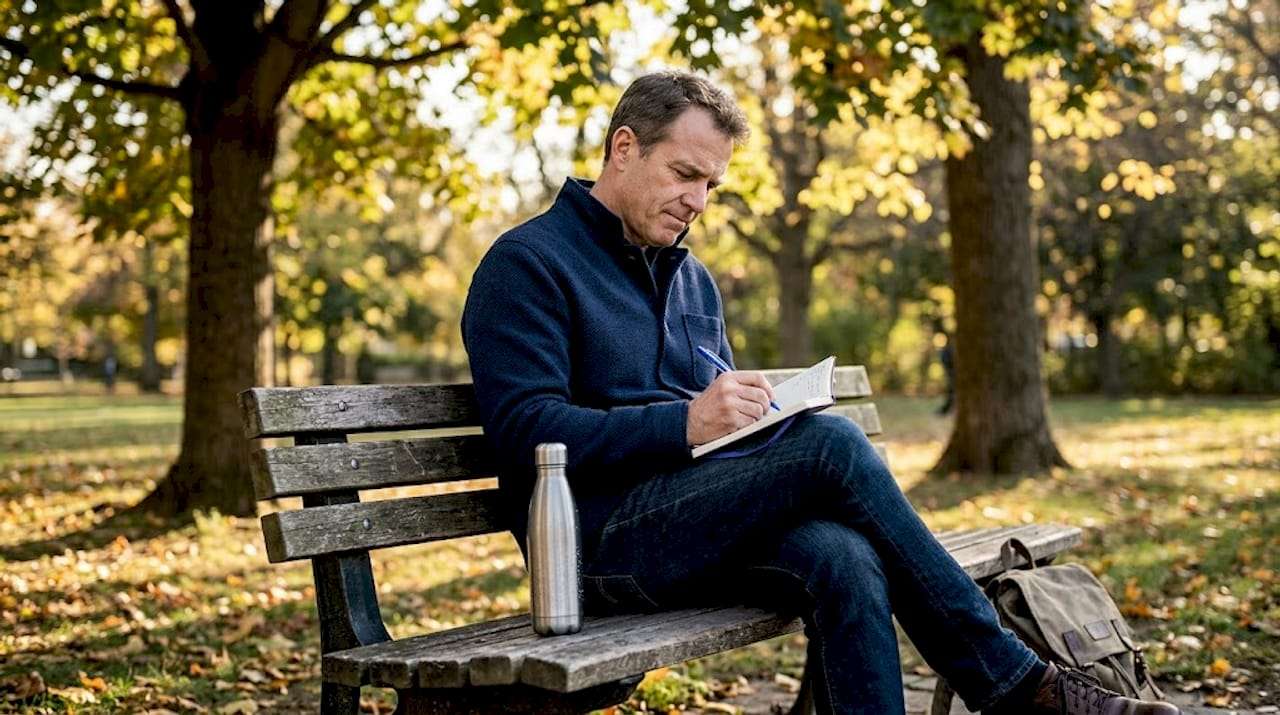
Use this table to help you evaluate your experience:
| Sign | Occasional (normal) | Frequent or persistent (seek support) |
|---|---|---|
| Worry | Situational, resolves | Daily, hard to control |
| Sleep issues | Around stressful events | Most nights, ongoing |
| Muscle tension | After physical effort | Constant, unexplained |
| Avoidance | Rare, minor | Impacting work or relationships |
| Irritability | After poor sleep | Most days, affecting others |
| Physical symptoms | Linked to illness | Recurring without medical cause |
It is worth noting that ruling out medical causes is an important first step when anxiety symptoms are new, particularly for women and youth who can present differently. Conditions like thyroid disorders, anaemia, or heart arrhythmias can mimic anxiety symptoms closely.
If two or more of the “frequent or persistent” patterns apply to you, this is a signal worth taking seriously. You don’t need to be in crisis to deserve support. Learning practical coping methods can help bridge the gap while you explore counselling for anxiety.
Pro Tip: Keep a symptom journal for two weeks. Note the time of day, what triggered the feeling, and how long it lasted. Patterns often become surprisingly clear very quickly, and this information is genuinely useful for any professional you speak with.
Who is most at risk and where to find support
Recognising signs is just one part; knowing if you’re at higher risk and where to turn can be a crucial next step.
While anxiety can affect anyone, some groups carry a higher burden. Women and youth are at greater risk for anxiety disorders, and older adults experienced significant rises in anxiety symptoms during the pandemic. Life transitions, chronic illness, financial stress, and social isolation are all known risk factors in the Canadian context.
Before attributing all symptoms to anxiety, it’s worth checking in with your family doctor to rule out the following:
- Thyroid dysfunction (both hypo and hyperthyroidism)
- Anaemia or iron deficiency
- Heart conditions such as arrhythmia
- Medication side effects
- Caffeine or stimulant overuse
Getting a physical check-up alongside mental health support is not either-or. It’s both. Your body and mind are not separate systems.
Here’s an overview of support options matched to different risk groups in Canada:
| Group | Risk factors | Recommended support |
|---|---|---|
| Women | Hormonal changes, life load | Therapy, peer support, CMHA |
| Youth and teens | Academic pressure, social media | School counsellors, youth services |
| Older adults | Isolation, health changes | Community centres, telehealth |
| Newcomers to Canada | Cultural adjustment, language | Culturally informed counselling |
| Men | Stigma, underreporting | Targeted outreach, online therapy |
For practical guidance on taking that first step, reading about starting therapy in Canada can reduce uncertainty. And if you’re still unsure whether your situation warrants help, this resource on when to seek help is reassuring and clear.
Why listening to anxiety signals now makes all the difference
Here is something we see time and again in our work: people who finally reach out for support often say, “I wish I had done this sooner.” Not because their anxiety was secretly catastrophic, but because they spent months, sometimes years, managing alone and telling themselves it wasn’t bad enough to warrant help.
That “wait and see” instinct is deeply human. But anxiety doesn’t tend to stay neatly contained. It expands. Avoidance grows. Relationships absorb the strain. What started as sleep trouble becomes a pattern of dread. What began as occasional worry becomes the lens through which everything is filtered.
Acting early doesn’t mean you’re fragile. It means you’re paying attention. Reaching out when signs are mild is genuinely easier, because patterns haven’t yet hardened into habits. Therapy and support are more effective when anxiety hasn’t had years to reshape your thinking.
Trust what you’re noticing. If this article resonated, that recognition is worth following. Supporting someone with anxiety starts with taking their experience seriously, and that absolutely includes your own.
Find the support you deserve
You’ve done something important by reading this far. Recognising anxiety in yourself is not always easy, and it takes real courage to consider that you might benefit from support. At Interactive Counselling, we offer personalized, compassionate therapy across Kelowna, Vernon, Grande Prairie, Penticton, and online across Canada. Whether you’re navigating anxiety on your own, supporting a child, or managing as a family, our team of licensed therapists is here for you.
Want to know what working with us looks like? Browse our services and rates or learn more about our interactive therapy approach. In-person, phone, or video sessions are available at times that suit your life. The first step is always the hardest. We’re ready when you are.
Frequently asked questions
Can anxiety symptoms look different in children and adults?
Yes, children often show anxiety through physical complaints, school refusal, or behavioural changes rather than verbalising worry, which makes early recognition especially important for parents.
When should I get professional help for anxiety?
If symptoms persist or disrupt your daily life, relationships, or work, it’s time to speak with a counsellor or your family doctor rather than waiting for a crisis point.
What are the first-line treatments for anxiety in Canada?
Canadian guidelines recommend cognitive behavioural therapy (CBT) as the primary evidence-based treatment for anxiety disorders, often alongside lifestyle support and, where appropriate, medication.
Are there quick self-help strategies I can try?
Breathing exercises, consistent sleep routines, and accessing credible information can meaningfully reduce mild anxiety symptoms while you explore longer-term support options.
Is it common to experience physical symptoms from anxiety?
Very common. Tension and gastrointestinal complaints are recognised physical manifestations of anxiety, and many Canadians experience these without identifying the underlying cause as anxiety at all.
Recommended
- Top 10 Signs of Anxiety in Children in Kelowna: How Parents Can Spot and Support Them
- Avoidance Behaviours—How They Fuel Anxiety in BC
- How Anxiety Shows Up Differently in Adults vs Teens: A Guide
- Kelowna teen anxiety: signs it’s more than just normal stress – Interactive Counselling