When should a child see a counsellor? signs parents shouldn’t ignore
Watching your child struggle can be one of the most challenging experiences as a parent. While childhood naturally comes with ups and downs, there are times when professional support becomes essential for your child’s mental health and development. Recognizing when your child might benefit from counselling is an important parenting skill that can make a significant difference in their emotional wellbeing. For more information, see our family counselling.
“A child may benefit from counselling when emotional, behavioral, or social challenges persist for several weeks and begin to interfere with their daily functioning at home, school, or with peers.”
Many parents wonder whether their child’s behavior is simply a normal part of growing up or if it signals something more serious. Understanding the warning signs and knowing when to seek professional help can provide your child with the tools they need to navigate life’s challenges successfully.
Understanding Normal Childhood Development Vs. Concerning Signs
Children naturally experience a wide range of emotions as they grow and develop. Occasional sadness, anger, or anxiety are completely normal responses to life’s challenges. However, certain patterns of behavior or emotional responses may indicate that your child could benefit from professional support.

Normal childhood development includes periods of testing boundaries, experiencing big emotions, and learning to cope with disappointment. What distinguishes typical behavior from concerning signs is often the intensity, duration, and impact on daily functioning.
The Government of Canada’s mental health resources emphasize that early intervention can prevent more serious mental health challenges from developing later in childhood or adolescence.
Behavioral Changes That Warrant Attention
Significant behavioral changes that persist for several weeks may indicate your child is struggling with something beyond their current coping abilities. These changes often represent your child’s way of communicating distress when they lack the words or skills to express their feelings directly.

Watch for these concerning behavioral patterns:
- Aggressive behavior: Frequent hitting, biting, throwing objects, or verbal aggression that seems disproportionate to the situation
- Withdrawal from activities: Loss of interest in previously enjoyed activities, hobbies, or social interactions
- Regressive behaviors: Return to earlier developmental stages, such as bedwetting, thumb sucking, or baby talk in older children
- Extreme defiance: Persistent refusal to follow rules or cooperate with reasonable requests
- Self-destructive behaviors: Hitting themselves, head-banging, or other forms of self-harm
These behaviors often serve as your child’s way of expressing overwhelming emotions or traumatic experiences they cannot yet articulate. Professional counselling can help children develop healthier coping mechanisms and communication skills. For children struggling with anxiety, specific Cognitive Behavioral Therapy Exercises for Anxiety can be particularly effective in teaching these skills.
Emotional and Mental Health Warning Signs
Children’s emotional wellbeing significantly impacts their overall development and future mental health. While all children experience difficult emotions, certain patterns may indicate the need for professional support.
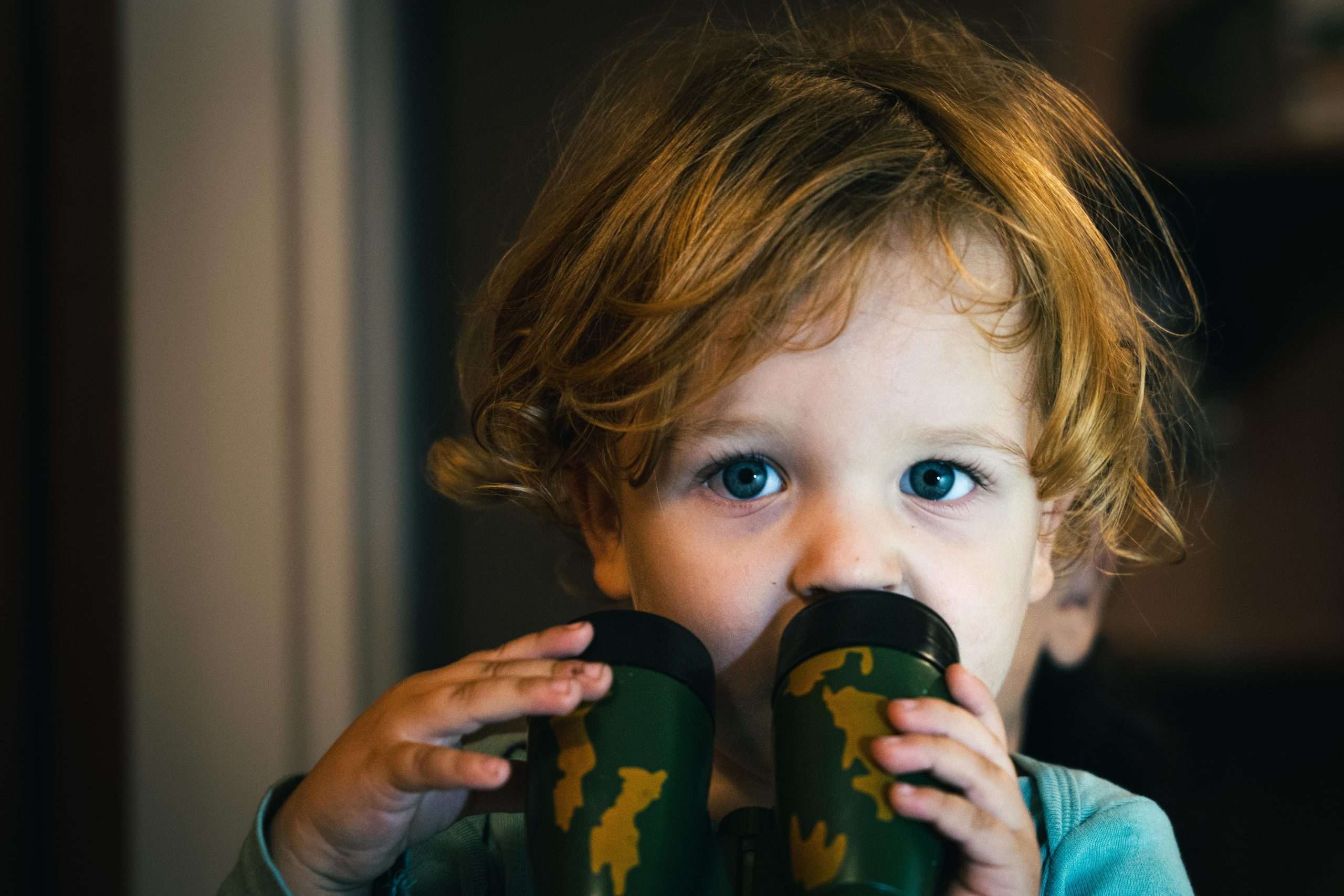
Key emotional warning signs include:
- Persistent sadness or hopelessness: Extended periods of crying, expressing negative thoughts about themselves or the future
- Excessive worry or fear: Anxiety that interferes with daily activities, sleep, or school performance
- Frequent mood swings: Extreme emotional reactions that seem disproportionate to the triggering event
- Loss of enjoyment: No longer finding pleasure in activities, friends, or experiences they once loved
- Expressions of worthlessness: Statements like “I’m stupid,” “Nobody likes me,” or “I wish I was never born”
According to the Centre for Addiction and Mental Health, early identification and intervention for mental health concerns in children can significantly improve long-term outcomes.
Academic and Social Functioning Changes
School performance and peer relationships often reflect a child’s overall emotional state. Sudden changes in these areas can indicate underlying mental health concerns that may benefit from counselling support.
Academic warning signs include:
- Dramatic decline in grades or school performance
- Difficulty concentrating or completing tasks
- Frequent complaints from teachers about behavior or attention
- School refusal or frequent requests to stay home
- Inability to sit still or focus during age-appropriate activities
Social functioning concerns may manifest as:
- Difficulty making or maintaining friendships
- Social withdrawal or isolation from peers
- Conflicts with authority figures or peers
- Inappropriate social behaviors for their age group
- Extreme shyness that interferes with participation in activities
Physical Symptoms and Sleep Disturbances
Mental health challenges in children often manifest through physical symptoms. The mind-body connection is particularly strong in young people, making physical complaints an important indicator of emotional distress.
Physical warning signs include:
- Sleep disturbances: Difficulty falling asleep, frequent nightmares, or significant changes in sleep patterns
- Appetite changes: Significant increase or decrease in eating habits
- Frequent physical complaints: Recurring headaches, stomachaches, or other unexplained physical symptoms
- Fatigue: Persistent tiredness not related to physical activity or illness
- Regression in developmental milestones: Loss of previously acquired skills
When medical examinations rule out physical causes for these symptoms, they may indicate emotional distress that could benefit from counselling intervention.
Life Transitions and Traumatic Events
Certain life events can overwhelm a child’s coping abilities, even when they seem relatively minor to adults. Professional support during these transitions can help children process their experiences and develop resilience.
Situations that commonly benefit from counselling support include:
- Death of a family member, friend, or pet
- Parents’ separation or divorce
- Moving to a new home or school
- Birth of a new sibling
- Serious illness in the family
- Witnessing violence or experiencing trauma
- Bullying at school or in the community
- Significant changes in family structure or caregiving arrangements
The Hospital for Sick Children notes that children who receive support during difficult transitions often develop stronger coping skills and emotional resilience. This resilience is also critical in adult relationships, where understanding The Role of Empathy in Couples Conflict Resolution can strengthen bonds.
When to Seek Professional Help
The decision to seek counselling for your child can feel overwhelming, but trust your parental instincts. If you notice persistent changes in your child’s behavior, emotions, or functioning that last more than a few weeks, professional support may be beneficial.
Consider counselling when:
- Multiple warning signs occur simultaneously
- Your child’s difficulties interfere with daily functioning
- Family relationships are significantly strained
- You feel overwhelmed or unsure how to help your child
- Previous strategies for helping your child are no longer effective
Remember that seeking help is a sign of strength and good parenting, not failure. Early intervention often leads to more positive outcomes and can prevent more serious mental health challenges from developing.
Frequently Asked Questions
How do I know if my child’s behavior is normal or concerning?
Normal childhood behavior varies widely, but concerning signs typically persist for several weeks, interfere with daily functioning, or represent a significant change from your child’s usual pattern. Trust your instincts as a parent – you know your child best.
What age is appropriate for a child to start counselling?
Children as young as three or four can benefit from age-appropriate counselling approaches. The key is finding a counsellor who specializes in your child’s developmental stage and can use techniques suited to their communication abilities.
Will seeing a counsellor stigmatize my child?
Mental health support is increasingly recognized as a normal part of healthcare. Many children find relief in having a safe space to express their feelings and learn coping skills. How you frame the experience for your child greatly influences their perception.
Understanding their primary What Are the 7 Love Languages can also help you communicate with your child more effectively about their feelings and the counselling process, minimizing feelings of stigma.
How long does child counselling typically take?
The duration varies greatly depending on your child’s specific needs, the nature of their challenges, and their response to treatment. Some children benefit from short-term support during difficult transitions, while others may need longer-term assistance for more complex issues.
What if my child refuses to go to counselling?
Initial resistance is common and normal. Many children worry about judgment or don’t understand what counselling involves. A skilled child counsellor can help ease these concerns and often wins over reluctant children quickly through age-appropriate approaches.
Supporting Your Child’s Mental Health Journey
Recognizing when your child might benefit from counselling is an act of love and advocacy. Mental health challenges in childhood are common and treatable, and early intervention often leads to the best outcomes. By staying attuned to your child’s emotional needs and seeking professional support when needed, you’re providing them with invaluable tools for lifelong emotional wellbeing.
Remember that you don’t have to navigate these challenges alone. Professional counsellors who specialize in working with children and families can provide both you and your child with support, strategies, and hope for the future.
If you’re concerned about your child’s mental health and wondering whether counselling might help, consider reaching out to learn more about child counselling services and how they might benefit your family. Learning about different Examples of Love Language can also equip parents with better communication skills to support their child during and after counselling.
Clinically Reviewed By
Amy Mosset, MCP, RCC-S
Amy Mosset is a Master Practitioner in Clinical Counselling, Clinical Supervisor, and the owner of Interactive Counselling. She provides trauma-informed, evidence-based care and clinical supervision to registered therapists, with a focus on ethical practice, client safety, and high-quality therapeutic outcomes.