Over half of couples who try counseling say their relationship improves, yet uncertainty often keeps many from seeking help. Strained communication, trust issues, or constant conflict can affect more than just your partnership; it impacts emotional health and daily life. Understanding what couples counseling truly involves helps you take the first step with confidence. Discover how therapy works, what it addresses, and which approaches might bring your relationship back on track. For more information, see our couples counselling.
Table of Contents
- What Couples Counseling Involves and Addresses
- Key Types of Couples Therapy Approaches
- How Couples Counseling Sessions Work
- Benefits and Challenges of Couples Counseling
- Costs, Accessibility, and Alternative Options
Key Takeaways
| Point | Details |
|---|---|
| Couples Counseling Purpose | Focuses on improving relationship dynamics, communication, and emotional connection while addressing various interpersonal challenges. |
| Therapy Approaches | Includes methods like Emotionally Focused Therapy and Imago Relationship Therapy to tackle unique relational issues collaboratively. |
| Session Structure | Typically involves weekly sessions with both partners, featuring assessments, active listening, and skill-building exercises. |
| Benefits and Challenges | Offers improved communication and emotional intimacy but requires commitment, emotional vulnerability, and time investment from both partners. |
What Couples Counseling Involves and Addresses
Couples counseling is a specialized therapeutic approach designed to help partners improve their relationship dynamics, communication, and emotional connection. According to research from berkeleywellbeing, this form of therapy addresses relationship distress, which can significantly impact the mental and physical well-being of both partners and their families.
The core focus of couples counseling involves exploring and resolving complex interpersonal challenges. These may include persistent communication breakdowns, recurring conflicts, trust issues, intimacy challenges, and unresolved emotional wounds. Relationship dynamics are examined through a collaborative lens, where therapists help partners understand their individual contributions to relationship patterns and develop healthier interaction strategies.
In many cases, couples counseling serves a broader therapeutic purpose beyond relationship improvement. Pubmed research indicates that therapy can be particularly crucial when psychological disorders impact relationship functioning. This approach recognizes the bidirectional relationship between mental health and relationship distress, offering a holistic intervention strategy.
Typical areas couples counseling addresses include:
- Improving communication skills
- Rebuilding trust after betrayal
- Managing conflict constructively
- Enhancing emotional and physical intimacy
- Navigating major life transitions
- Processing individual and shared traumas
Whether you’re experiencing minor relationship tensions or significant challenges, couples counselling in Canada can provide a supportive environment for growth and healing.
Key Types of Couples Therapy Approaches
Couples therapy encompasses several specialized approaches designed to address unique relationship challenges and foster healing. According to Harvard Health, integrative systemic therapy is a problem-centered approach that addresses complex family systems while promoting collaborative care tailored to each couple’s specific needs.
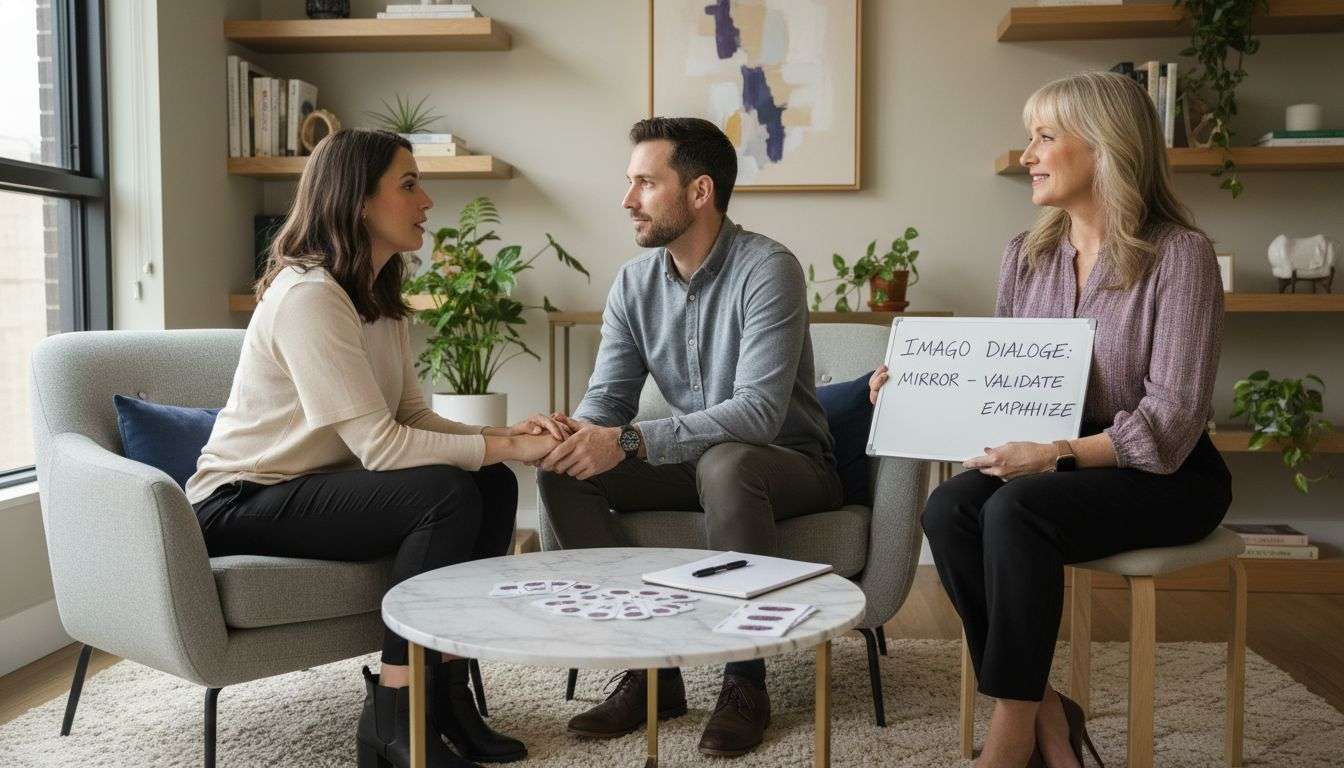
One prominent approach is Imago Relationship Therapy, which Wikipedia describes as focusing on structured communication through the Imago Dialogue. This method aims to reduce emotional reactivity, cultivate empathy, and transform relationship conflicts into opportunities for deeper understanding and connection. By providing partners with a specific communication framework, Imago therapy helps couples move beyond destructive interaction patterns.
Other significant couples therapy approaches include:
- Emotionally Focused Therapy (EFT): Concentrates on rebuilding emotional bonds and attachment
- Cognitive Behavioral Couples Therapy: Addresses negative thought patterns and behavioral cycles
- Narrative Therapy: Helps couples reframe their relationship story and personal narratives
- Solution-Focused Brief Therapy: Emphasizes identifying and building upon existing relationship strengths
For those interested in exploring these therapeutic approaches more deeply, types of couples therapy can provide comprehensive insights into how different methods might support your unique relationship journey.
How Couples Counseling Sessions Work
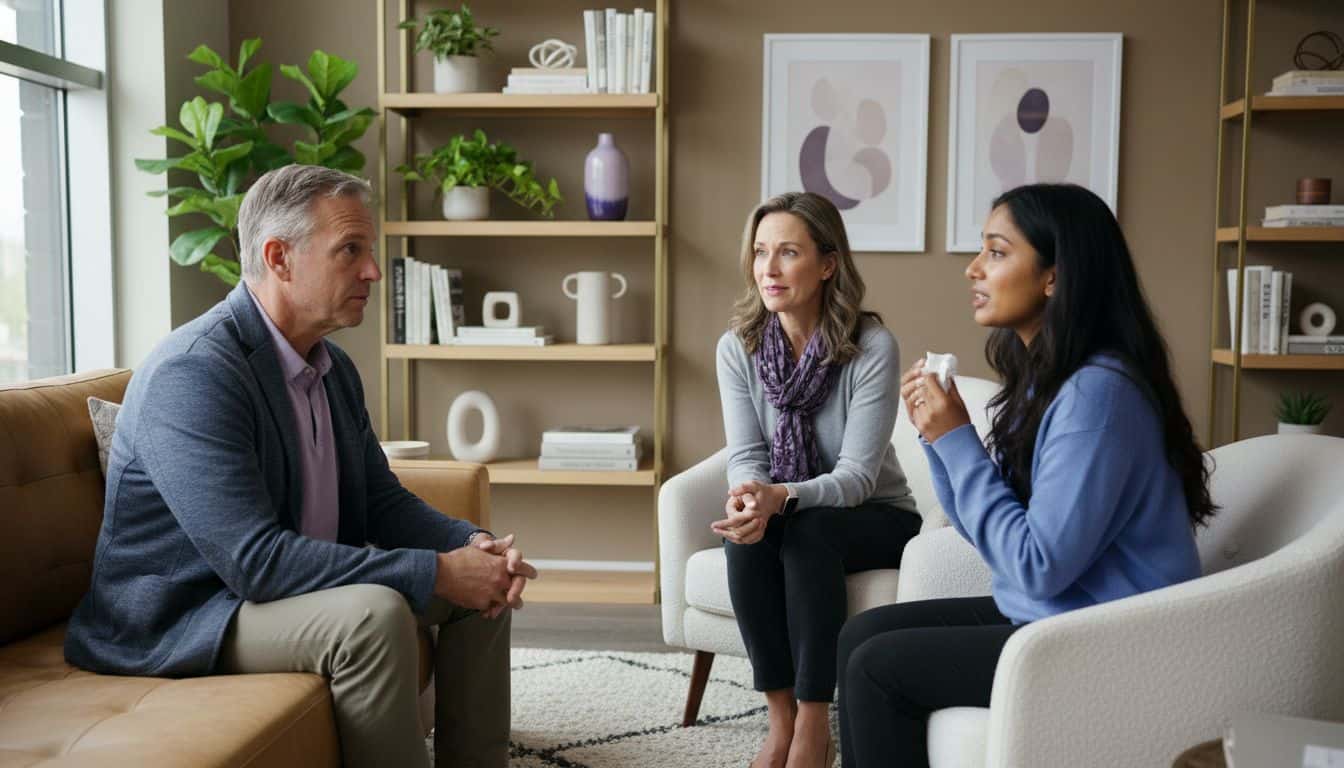
Couples counseling is a structured therapeutic process designed to help partners navigate relationship challenges collaboratively. According to Harvard Health, these sessions typically involve weekly meetings lasting approximately one hour, with both partners present and occasional individual sessions as needed.
Initial Assessment is a critical first step where therapists gather comprehensive information about the couple’s relationship history, communication patterns, and specific challenges. During this phase, partners have an opportunity to share their perspectives, identify core relationship issues, and establish mutual therapy goals. The therapist acts as a neutral facilitator, creating a safe environment for open and honest dialogue.
Throughout the counseling process, couples can expect a dynamic and interactive experience that goes beyond traditional conversation. Key components of couples counseling sessions include:
- Active listening techniques
- Communication skill-building exercises
- Conflict resolution strategies
- Emotional regulation practices
- Exploration of individual and shared relationship patterns
Most sessions follow a structured yet flexible approach, with therapists adapting their techniques to each couple’s unique needs. Couples counselling often includes homework assignments between sessions, encouraging partners to practice new communication skills and implement learned strategies in their daily interactions.
Benefits and Challenges of Couples Counseling
Couples counseling offers a transformative pathway for partners seeking to strengthen their relationship and overcome interpersonal challenges. According to Journal of Happiness, therapy fosters open communication and collaborative problem-solving, enabling couples to develop a deeper understanding of each other’s needs and concerns.
Harvard Health highlights that couples counseling can effectively address a wide range of relationship challenges, including communication breakdowns, financial conflicts, parenting disagreements, trust issues, and intimacy concerns. While the process offers numerous benefits, it also presents inherent challenges that couples must navigate with patience and commitment.
Key Benefits of Couples Counseling:
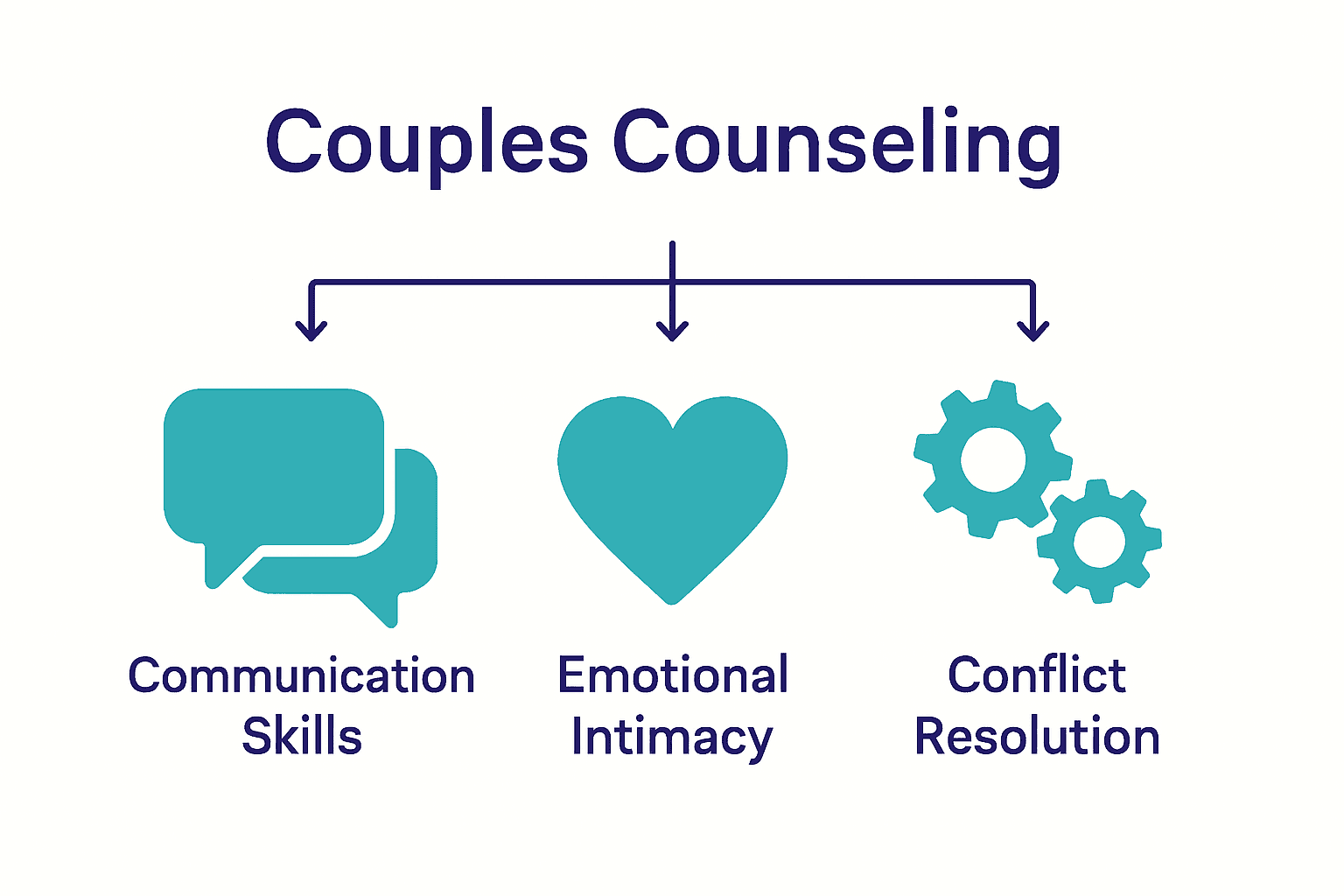
- Improved communication skills
- Enhanced emotional intimacy
- Better conflict resolution strategies
- Increased mutual understanding
- Rebuilding trust and connection
- Developing healthy relationship patterns
Potential Challenges Include:
- Requiring genuine commitment from both partners
- Emotional vulnerability
- Confronting difficult relationship patterns
- Time and financial investment
- Potential temporary discomfort during healing process
For couples interested in exploring how therapy can transform their relationship, benefits of marriage counseling can provide deeper insights into the healing and growth potential of professional relationship support.
Costs, Accessibility, and Alternative Options
Navigating the landscape of couples counseling involves understanding various accessibility and treatment options. Pubmed research reveals that publicly funded therapy is often strategically allocated, particularly for cases involving significant psychological disorders, highlighting the nuanced approach to mental health support.
When traditional couples counseling is challenging, alternative approaches emerge. Harvard Health suggests that individual therapy can be an effective alternative when one partner is reluctant to participate in joint counseling. This approach allows individuals to gain insights, develop personal coping strategies, and potentially influence relationship dynamics through personal growth and understanding.
Accessibility Options for Couples Seeking Support:
- Online counseling sessions
- Individual therapy
- Group relationship workshops
- Self-help resources and reading materials
- Short-term intensive counseling programs
Factors Influencing Counseling Accessibility:
- Geographic location
- Work and personal schedule constraints
- Financial considerations
- Technological comfort (for online sessions)
- Emotional readiness for therapeutic work
For couples exploring comprehensive relationship support options, benefits of marriage counseling can provide additional guidance on finding the most suitable therapeutic approach for your unique relationship needs.
Find Healing and Growth Through Couples Counseling with Interactive Counselling
If you are feeling stuck in communication breakdowns or struggling to rebuild trust, couples counseling offers a hopeful path forward. This comprehensive approach helps address emotional challenges like intimacy issues and conflict patterns while guiding you to develop healthier relationship dynamics. At Interactive Counselling, we understand how difficult it can be to face these moments of vulnerability. Our compassionate therapists provide a safe space for open dialogue and emotional growth tailored to your unique journey.
Take the first step toward stronger connection and shared understanding through couples counselling. Whether you prefer in-person support in Kelowna, Vernon, Grande Prairie, or Penticton or the flexibility of online therapy, our team is ready to walk alongside you. Explore how the benefits of marriage counseling can enrich your relationship starting today. Visit Interactive Counselling now to book your appointment and begin the healing process that your relationship deserves.
Frequently Asked Questions
What is couples counseling?
Couples counseling is a therapeutic approach designed to help partners improve their relationship dynamics, communication, and emotional connection, addressing issues like trust, intimacy, and conflict.
What are the common issues addressed in couples counseling?
Typical areas include improving communication skills, rebuilding trust after betrayal, managing conflicts, enhancing intimacy, navigating life transitions, and processing shared traumas.
How do couples counseling sessions typically work?
Sessions usually last about one hour, involve both partners, and may begin with an initial assessment to identify relationship issues. Therapists use active listening and various techniques to facilitate productive dialogue and skill-building.
What are the benefits of attending couples counseling?
Benefits include improved communication, enhanced emotional intimacy, better conflict resolution strategies, increased mutual understanding, and the development of healthier relationship patterns.
Recommended
- What Is Couples Counselling in Canada? Complete Guide – Interactive Counselling
- 7 Types of Couples Therapy and How They Can Help Relationships – Interactive Counselling
- 7 Key Benefits of Marriage Counseling for Stronger Relationships – Interactive Counselling
- Couples Counselling | Interactive Counselling
If you’re in the Okanagan and wondering whether couples counselling fits your situation, our award-winning Kelowna couples counselling clinic offers a judgement-free place to start.