Many believe all conflict harms relationships, but research reveals constructive conflict behaviors increase relationship satisfaction by up to 40%. Understanding the differences between healthy and toxic conflict is essential for improving relationship satisfaction and longevity. This article helps individuals and couples recognize and shift patterns that either strengthen or damage their connections.
Table of Contents
- Understanding Conflict In Relationships: Foundations And Importance
- Characteristics Of Healthy Conflict
- Characteristics Of Toxic Conflict
- Common Misconceptions About Conflict In Relationships
- Comparing Healthy And Toxic Conflict: A Practical Framework
- Practical Strategies To Transition From Toxic To Healthy Conflict
- Cultural And Regional Influences On Conflict In Canadian Relationships
- Conclusion: Empowering Relationships Through Conflict Awareness
- Explore Professional Support To Strengthen Your Relationship
- Frequently Asked Questions
Key Takeaways
| Point | Details |
|---|---|
| Healthy conflict uses respectful communication and fosters growth | Partners engage with empathy, actively listen, and seek mutual understanding rather than winning arguments. |
| Toxic conflict involves criticism, contempt, and predicts 90% of divorces | The Four Horsemen behaviors create defensiveness, escalation, and relationship breakdown when left unaddressed. |
| Misconceptions about conflict often impede resolution | Believing all conflict is harmful or that avoidance prevents damage actually undermines relationship health. |
| A practical framework helps distinguish conflict types | Side-by-side comparison of communication styles, emotional safety, and outcomes clarifies healthy versus toxic patterns. |
| Practical strategies enable transition from toxic to healthy conflict | Communication skill building, emotional regulation, and professional counselling support positive change effectively. |
Understanding Conflict in Relationships: Foundations and Importance
Conflict is a natural dynamic in all intimate relationships. When two people bring different backgrounds, values, and preferences into partnership, disagreements inevitably arise. The question is not whether conflict occurs but how you handle it.
Constructive conflict involves discussing differences with respect and curiosity. Partners work toward solutions that honor both perspectives. Destructive conflict, however, involves attacks, blame, and emotional harm that erode trust over time.
Research shows conflict itself does not determine relationship outcomes. The key factors include:
- Communication patterns during disagreements
- Emotional regulation abilities of both partners
- Willingness to repair after heated exchanges
- Capacity for empathy and perspective taking
Understanding these foundations helps you recognize which conflict patterns strengthen your bond and which ones threaten it. Many couples benefit from couples counselling in Canada to develop healthier approaches when patterns feel stuck or harmful.
Characteristics of Healthy Conflict
Healthy conflict looks fundamentally different from toxic patterns. Partners engage with mutual respect even when emotions run high. Constructive conflict increases relationship satisfaction by up to 40% because it creates opportunities for deeper understanding.
Key characteristics include:
- Using “I” statements instead of accusations
- Taking breaks when emotions escalate beyond productive discussion
- Validating your partner’s feelings even when you disagree
- Focusing on specific behaviors rather than character attacks
- Working toward solutions that consider both perspectives
Emotional regulation plays a crucial role. When you notice your heart racing or thoughts becoming rigid, pausing prevents destructive escalation. Healthy conflict requires both partners to manage their physiological responses during disagreements.
Openness and vulnerability build trust during conflicts. Sharing your fears or hurt feelings without blaming invites connection rather than defensiveness. Your partner can understand your experience without feeling attacked.
Pro Tip: Before responding during conflict, take three deep breaths and ask yourself whether your next words will bring you closer or push you apart. This simple pause creates space for constructive choices.
Healthy conflict facilitates problem solving and relationship growth. You learn about each other’s needs, values, and boundaries. These conversations, though uncomfortable, deepen your understanding and strengthen your bond. The role of empathy in conflict resolution cannot be overstated for maintaining constructive dialogue.
Characteristics of Toxic Conflict
Toxic conflict follows destructive patterns that predict relationship breakdown. Researcher John Gottman identified four behaviors he calls the Four Horsemen: criticism, contempt, defensiveness, and stonewalling. These toxic conflict patterns predict relationship breakdown with 90% accuracy.
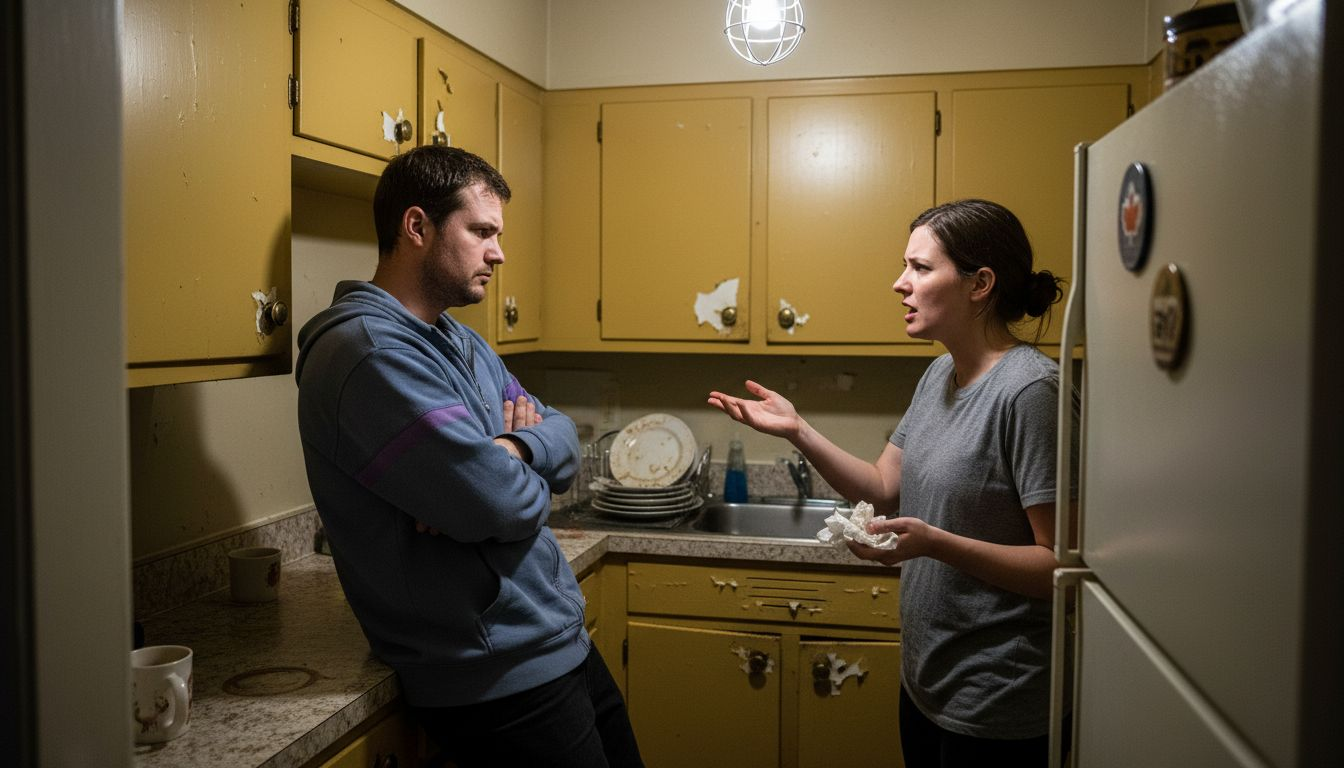
Criticism attacks your partner’s character rather than addressing specific behaviors. Instead of saying “I felt hurt when you forgot our plans,” criticism sounds like “You’re so selfish and inconsiderate.” This global negative judgment puts your partner on the defensive.
Contempt takes criticism further by adding disgust, mockery, or superiority. Eye rolling, sarcasm, and name calling communicate disrespect. Contempt is the single strongest predictor of divorce because it conveys that your partner is beneath you.
Defensiveness blocks resolution by deflecting responsibility. When you counter with “What about when you…” or “I only did that because you…,” you prevent accountability and escalate tension.
Stonewalling involves shutting down and withdrawing from interaction. While it may feel like self protection, it leaves your partner feeling abandoned and increases their distress.
Physiological stress worsens dramatically during toxic conflict. Couples experiencing toxic conflict show cortisol levels 30% higher during disputes, creating a stress response that impairs thinking and emotional regulation.
Toxic conflict breeds dissatisfaction through:
- Erosion of emotional safety and trust
- Creation of resentment that compounds over time
- Increased frequency and intensity of arguments
- Withdrawal of affection and positive interactions
Recognizing signs of toxic conflict early allows for intervention before patterns become entrenched. Understanding Four Horsemen behaviors provides a framework for identifying destructive dynamics in your relationship.
Common Misconceptions About Conflict in Relationships
Several false beliefs about conflict prevent couples from developing healthier patterns. These misconceptions often stem from cultural messages or family modeling during childhood.
Misconception: All conflict is harmful and indicates relationship problems. Reality shows healthy relationships include regular disagreements. The difference lies in how partners navigate those disagreements. Avoiding all conflict actually prevents the growth that comes from working through differences.
Misconception: If you love each other, you should not fight. Love does not eliminate differences in preferences, needs, or perspectives. Fighting fairly demonstrates commitment to understanding each other despite disagreements.
Misconception: Avoiding conflict prevents damage. Avoidance allows resentment to build and issues to fester. Unaddressed problems grow larger over time and eventually erupt in more damaging ways.
Misconception: Conflict always means disrespect or hostility. Healthy conflict involves respectful disagreement. Partners can argue about differing viewpoints while maintaining care and consideration for each other’s feelings.
Key truths about conflict include:
- Frequency matters less than quality of interaction
- Repair attempts after arguments strengthen bonds
- Conflict provides opportunities to understand needs
- Learning to disagree well predicts relationship success
Many couples seek relationship advice for couples to overcome these misconceptions and develop more effective conflict approaches. Challenging your assumptions about conflict opens space for healthier patterns.
Comparing Healthy and Toxic Conflict: A Practical Framework
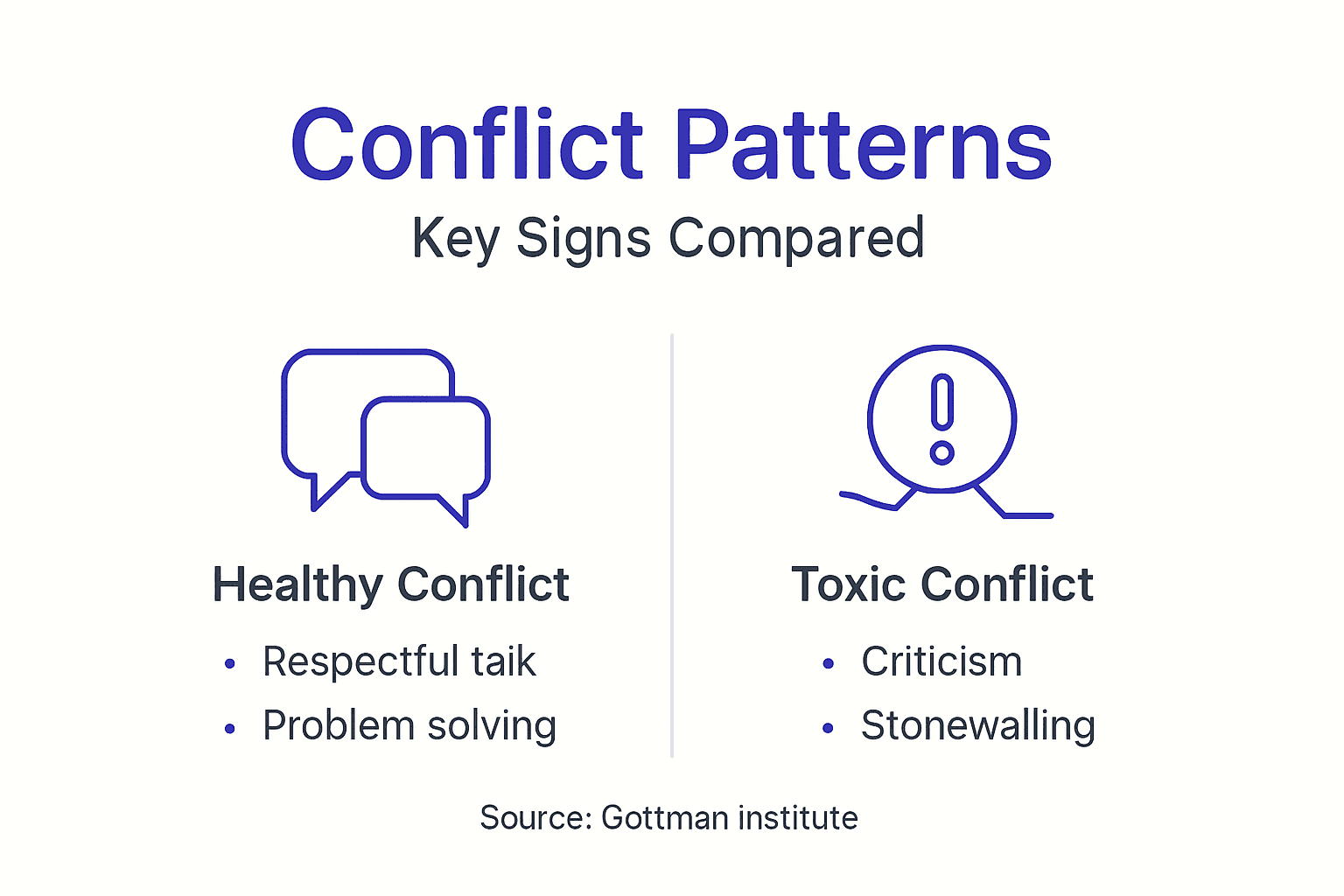
Understanding abstract differences helps, but a side-by-side comparison clarifies how to recognize patterns in your own relationship. This framework highlights the contrasts across key dimensions.
| Dimension | Healthy Conflict | Toxic Conflict |
|---|---|---|
| Communication Style | Respectful, uses “I” statements, focuses on specific behaviors | Blaming, uses “you always/never,” attacks character |
| Emotional Tone | Calm or moderately elevated, regulated | Contemptuous, hostile, or completely shut down |
| Goal | Understanding and resolution | Winning, being right, or hurting partner |
| Listening | Active listening with validation | Interrupting, dismissing, or ignoring |
| Emotional Safety | Both partners feel heard and respected | One or both feel attacked or unsafe |
| Physical Response | Manageable stress, can think clearly | Elevated cortisol, racing heart, mental fog |
| Repair Attempts | Accepted and reciprocated | Rejected or ignored |
| Outcome | Increased understanding, solutions found | Resentment builds, no resolution |
| Long-term Impact | Relationship strengthens over time | Trust erodes, distance increases |
This framework helps you assess your own conflict patterns objectively. If you notice several toxic indicators, seeking support can prevent further damage. Many couples discover common conflict patterns repeat because underlying issues remain unaddressed.
You can use this framework during calmer moments to reflect on recent disagreements. Identifying specific behaviors to change becomes easier when you understand these clear distinctions.
Practical Strategies to Transition from Toxic to Healthy Conflict
Changing entrenched conflict patterns requires intention, practice, and often professional support. These strategies help you begin shifting toward healthier interactions.
Recognize early warning signs of toxic escalation. Notice when your voice rises, thoughts become rigid, or you feel the urge to attack. This awareness creates choice points.
Call a timeout before crossing into destructive territory. Agree with your partner that either person can request a 20 minute break when conflict becomes unproductive. Return to discuss once both feel calmer.
Practice reflective listening by paraphrasing what you heard. Say “What I’m hearing is…” to confirm understanding before responding. This prevents misinterpretation and shows respect.
Replace criticism with specific requests. Instead of “You never help around here,” try “I feel overwhelmed and would appreciate if you could handle dinner tonight.”
Combat contempt by building a culture of appreciation. Share five positive observations for every criticism. This 5:1 ratio predicts relationship success.
Take responsibility for your part without deflecting. Saying “You’re right, I did forget to call” without adding “but you…” allows genuine repair.
Pro Tip: Write down your main concern before difficult conversations. This helps you stay focused on the issue rather than bringing up past grievances that derail productive discussion.
Consider marriage counselling for conflict repair when patterns feel too entrenched to change alone. Professional guidance provides tools and accountability for developing healthier approaches. Couples counselling in Canada offers accessible support for building communication skills.
Cultural and Regional Influences on Conflict in Canadian Relationships
Canada’s multicultural landscape means conflict styles vary significantly based on cultural background. Understanding these influences helps therapists tailor approaches and helps couples navigate differences.
Some cultures emphasize indirect communication and conflict avoidance to maintain harmony. Others value direct expression of disagreement. Neither approach is inherently better, but mismatches between partners create additional tension.
Regional differences also appear in therapy seeking patterns and conflict perception:
| Region | Therapy Seeking Rate | Primary Conflict Concerns |
|---|---|---|
| British Columbia | 34% of couples | Communication styles, work-life balance |
| Alberta | 28% of couples | Financial stress, parenting differences |
| Ontario | 31% of couples | Extended family involvement, cultural expectations |
| Quebec | 26% of couples | Language dynamics, independence versus connection |
Therapy approaches must adapt to cultural contexts. Some couples benefit from including family members in sessions, reflecting collectivist values. Others prefer strict privacy and individual focus.
Immigration experiences, generational differences, and acculturation stress influence how couples handle conflict. Partners from different cultural backgrounds may need explicit discussion about conflict expectations and communication norms.
Recognizing these cultural and regional factors prevents oversimplified solutions. What works for one couple may not fit another’s cultural context. Effective support respects these variations while teaching universal skills like emotional regulation and respectful communication.
Conclusion: Empowering Relationships Through Conflict Awareness
The distinction between healthy and toxic conflict determines whether disagreements strengthen or damage your relationship. Healthy conflict fosters growth, deepens understanding, and builds trust through respectful engagement. Toxic conflict erodes connection through criticism, contempt, and emotional harm.
Recognizing these patterns early improves outcomes dramatically. You can learn to pause destructive cycles, develop communication skills, and create emotional safety during disagreements. These changes require practice but transform relationship satisfaction.
Seeking professional support demonstrates strength and commitment to your relationship. Many couples wait too long before getting help, allowing toxic patterns to become deeply entrenched. Early intervention prevents damage and equips you with tools for lifelong relationship success.
Your relationship deserves the investment of learning to disagree well. The skills you develop will serve you through decades of partnership, helping you navigate inevitable challenges with respect and care.
Explore Professional Support to Strengthen Your Relationship
Professional counselling supports healthy conflict by teaching practical communication skills and emotional regulation techniques. Therapists help you identify destructive patterns and develop constructive alternatives tailored to your specific dynamics.
Interactive Counselling offers accessible couples counselling in Canada through online and in-person sessions. Our therapists provide non-judgmental support in Kelowna, Vernon, Grande Prairie, Penticton, and nationwide via secure video platforms.
Whether you recognize early warning signs of toxic conflict or feel stuck in long-standing patterns, marriage counselling for couples provides the tools and accountability needed for positive change. Flexible scheduling accommodates busy lives with daytime and evening appointments.
Frequently Asked Questions
What is the main difference between healthy and toxic conflict?
Healthy conflict focuses on mutual respect and problem solving while maintaining emotional safety for both partners. Toxic conflict involves hostility, blame, and the Four Horsemen behaviors that predict relationship breakdown. Healthy disagreements strengthen bonds through increased understanding, while toxic patterns erode trust and create resentment. Learn more through our couples counseling guide.
Can toxic conflict be changed into healthy conflict?
Yes, through active communication skill development, emotional regulation practice, and often professional guidance. Couples can learn to recognize destructive patterns and replace them with constructive approaches. Change requires commitment from both partners and willingness to practice new behaviors consistently. Repair conflict with counselling provides structured support for this transformation.
How do cultural factors in Canada influence relationship conflict?
Different cultures express and handle conflict uniquely, with some emphasizing indirect communication and others valuing direct expression. These variations affect how partners perceive disagreements and what they consider respectful behavior. Counselling approaches must be tailored to reflect these cultural contexts for effective support.
How can I tell if our conflicts are becoming toxic?
Watch for the Four Horsemen behaviors: criticism of character, contempt through mockery or disgust, defensiveness that blocks accountability, and stonewalling through withdrawal. Physical signs include elevated stress that impairs thinking, increased argument frequency, and erosion of positive interactions. If conflicts leave you feeling unsafe or disrespected rather than understood, toxic patterns may be developing.
What should I do during a conflict when emotions escalate too high?
Call a timeout immediately and agree to return after 20 minutes when both partners feel calmer. Use the break for self-soothing activities like deep breathing or a brief walk. Avoid ruminating on the argument during this time. When you reconnect, acknowledge that you both need to slow down and approach the discussion more carefully.
Recommended
- Co Parenting With a Narcissist: Protect Your Child’s Peace
- Pursuer-Withdrawer Pattern: 45% Therapy Success Rate
- Why We Fight About the Same Things: Root Causes and Real Solutions
- 10 Actionable Pieces of Relationship Advice for Couples