You’ve probably had a moment like this. One person says, “We need to talk,” because they want closeness and reassurance. The other goes quiet, asks for space, or insists that everything is fine. Both people feel hurt. Both may even care greatly. But they’re reacting from very different emotional maps. For more information, see our couples counselling.
"Healthier attachment styles in relationships grow through self-awareness, safer emotional experiences, and consistent new ways of connecting with yourself and others."
These patterns can feel confusing when you’re living them. They can also feel personal, as if one partner is “too much” and the other is “not enough.” In practice, attachment styles are better understood as learned ways of seeking safety, closeness, distance, and comfort. They often begin early, but they aren’t life sentences. With insight, support, and repeated repair, people can build more secure bonds over time. If you’re starting to notice your own relationship patterns and want language for them, learning about emotional awareness as a first step toward well-being can help put those reactions in context.
What Are Attachment Styles and How Do They Shape Your Connections
Attachment styles in relationships are the patterns people develop around closeness, trust, dependence, conflict, and emotional safety. They influence what you expect from other people and what you do when you feel hurt, ignored, overwhelmed, or vulnerable.
A simple way to think about attachment is this. Your nervous system learns what connection feels like. If closeness felt safe and reliable, you may come to expect that people can be trusted. If closeness felt inconsistent, rejecting, or frightening, you may become more alert, more guarded, or both.
A simple way to understand attachment
Think of attachment styles as relationship blueprints. A blueprint doesn’t dictate every detail of the house, but it shapes the layout. In the same way, attachment doesn’t control every relationship decision you make, but it often shapes your default reactions.
For example:
- If your partner is late replying, you might shrug and assume they’re busy.
- Or you might spiral, wondering if they’re upset.
- Or you might shut down first, telling yourself you don’t need anyone anyway.
Those reactions usually make more sense once you understand attachment.
Attachment is not about being needy or cold. It’s about how you learned to protect connection.
What attachment styles affect day to day
Attachment shows up in ordinary moments, not just big relationship crises.
It can influence:
- How you ask for comfort when you’re stressed
- How you handle disagreement when emotions rise
- How much closeness feels okay before you need space
- How you read silence from a partner, parent, sibling, or friend
- How easily you trust repair after conflict
Many people get stuck because they treat these reactions like personality flaws. They aren’t. More often, they’re adaptations. A person who reaches hard for reassurance usually learned that connection can feel uncertain. A person who pulls away may have learned that vulnerability feels risky.
Why this matters
Once you can name the pattern, shame often softens. Instead of saying, “Why am I like this?” you can begin asking, “What gets activated in me, and what helps me feel safe enough to respond differently?”
That question opens the door to change.
The Four Main Attachment Styles Explained
Canadians don’t all relate the same way., approximately 56% of Canadian adults exhibit a secure attachment style, while around 25% are dismissive-avoidant, 11-20% are anxious-preoccupied, and 5-8% are fearful-avoidant. Secure attachment is the most common pattern, but nearly half of people are navigating relationships with some form of insecurity.

At a glance comparison of the four attachment styles
| Attachment Style | View of Self | View of Others | Behaviour in Conflict |
|---|---|---|---|
| Secure | Generally worthy of love and care | Generally trustworthy and available | Stays engaged, speaks directly, repairs after tension |
| Anxious-Preoccupied | Often unsure of worth or lovability | Wanted, but may feel inconsistent | Pursues, protests, seeks reassurance, fears disconnection |
| Dismissive-Avoidant | Values self-reliance, may downplay needs | May seem intrusive, demanding, or unreliable | Withdraws, intellectualises, distances, minimizes emotion |
| Fearful-Avoidant | Wants closeness but fears hurt | Both desired and feared | Moves toward and away, feels torn, can become overwhelmed quickly |
Secure attachment
People with secure attachment usually feel more comfortable with both closeness and independence. They don’t need perfection in a relationship to feel steady. They can miss someone without panicking, and they can ask for space without disappearing.
Common signs include:
- Balanced closeness: They can connect closely without feeling swallowed up.
- Clear communication: They’re more likely to say what they feel and need.
- Repair after conflict: They can stay in the room emotionally, even when upset.
- Trust with flexibility: They don’t assume every rupture means abandonment.
A secure person still gets hurt, angry, or triggered. Security doesn’t mean calm all the time. It means they can usually come back to connection without losing themselves.
Anxious-preoccupied attachment
People with anxious-preoccupied attachment often highly value connection and may feel highly sensitive to signs of distance. They may notice tone changes, delays in response, or shifts in routine very quickly.
Their inner experience often sounds like this:
- “Are we okay?”
- “Did I do something wrong?”
- “I need to fix this right now.”
This style often includes:
- Strong longing for reassurance: Contact helps them settle.
- Fear of abandonment: Even small distance can feel much bigger inside.
- Hyperfocus on the relationship: Their attention can lock onto signs of trouble.
- Protest behaviour: Repeated texting, pushing for answers, or escalating to get a response.
People often confuse anxious attachment with being “dramatic.” That misses the emotional truth. Usually, the person isn’t trying to create chaos. They’re trying to restore safety.
Practical rule: If reassurance feels like oxygen, attachment may be part of the story.
Dismissive-avoidant attachment
People with dismissive-avoidant attachment often value independence and self-sufficiency. They may seem calm on the outside, especially during conflict, but that calm can sometimes be distance rather than ease.
Their inner experience may sound more like:
- “I’ll handle it myself.”
- “This is too much.”
- “I don’t want to need anyone.”
This style often includes:
- Discomfort with too much emotional demand
- Pulling back when conflict intensifies
- Minimising needs, both their own and other people’s
- Feeling crowded by closeness, especially when emotions run high
Avoidant attachment is often misunderstood as not caring. In many cases, the person cares a lot. They’ve just learned that closeness can feel exposing, demanding, or unsafe, so distance becomes protective.
Fearful-avoidant attachment
Fearful-avoidant attachment, sometimes called disorganized attachment, can feel especially confusing because it holds two opposite needs at once. A person may long for intimacy and also become frightened by it.
This can look like:
- Moving closer, then pulling away
- Craving trust, but expecting hurt
- Feeling flooded in conflict
- Struggling to predict their own reactions
A fearful-avoidant pattern can create a lot of self-doubt. The person may ask, “Why do I want closeness so badly and then panic when I get it?” That push-pull often reflects earlier experiences in which connection itself felt unsafe or unpredictable.
A gentle caution about labels
These categories are useful, but they’re not your identity. Individuals aren’t one neat box in every relationship. You might be steady with friends, anxious with a romantic partner, and avoidant with a parent. Stress, trauma, grief, and specific relationship histories can all affect how attachment shows up.
What matters most isn’t choosing the perfect label. It’s noticing your pattern well enough to respond to it with honesty and care.
Where Your Attachment Style Comes From
Attachment patterns usually begin before we have words for them. A child reaches for comfort, protection, soothing, and delight. Over time, that child learns what happens next. Someone comes close. Someone is inconsistent. Someone turns away. Someone is frightening. Those repeated experiences begin to shape expectations about love.
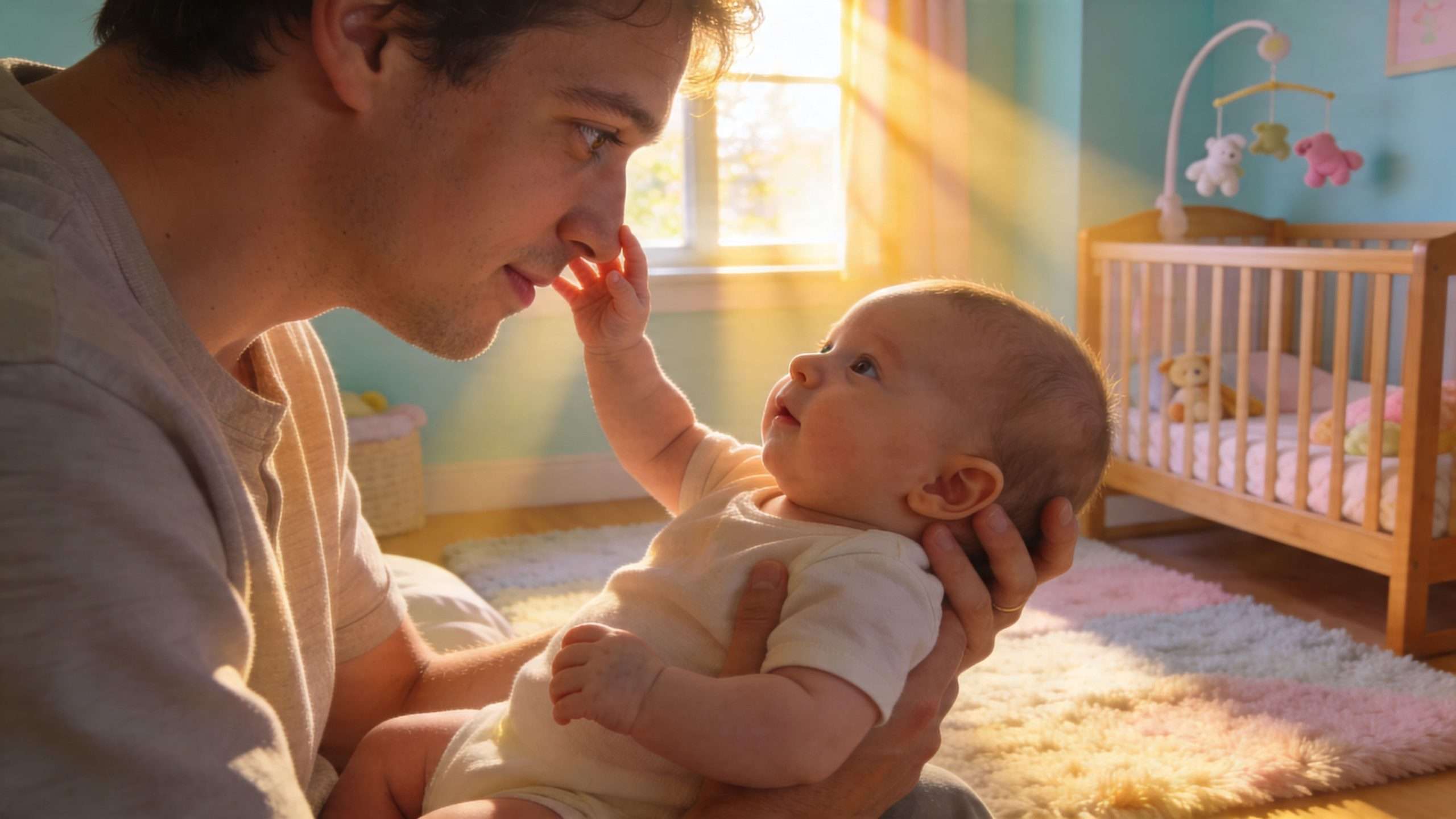
Research on Canadian families shows a strong pattern of intergenerational transmission, where up to 85% of children develop an attachment pattern that mirrors their primary caregiver's style. That doesn’t mean a child’s future is fixed. It does mean relationship patterns often echo across generations unless someone begins to notice and change them.
This is about understanding, not blame
Many people hear this and immediately worry that the conversation is about blaming parents. It isn’t.
Most caregivers pass on what they themselves learned. A parent can love their child deeply and still struggle with consistency, emotional availability, regulation, or repair. Family stress, trauma, poverty, illness, migration, discrimination, and loss can all shape caregiving. If you’re curious about how family environments differ, this overview of different parenting styles offers a useful starting point.
How early experiences become adult reactions
Here’s one common example. A child learns that comfort sometimes arrives and sometimes doesn’t. As an adult, that person may become highly alert to mixed signals. Another child learns that expressing emotion leads nowhere, or leads to criticism. As an adult, that person may stop reaching altogether.
These responses were often adaptive at the time. They helped the child preserve connection, reduce disappointment, or stay safe.
The pattern that frustrates you now may once have been a smart survival strategy.
That’s why self-compassion matters. You’re not dealing with random overreactions. You’re dealing with a nervous system that learned something important and may still be acting as if the old conditions are present.
Family history still lives in the present
This is part of why adult relationships can feel so intense. A late text, a flat tone, or a cancelled plan may touch something much older than the current moment. If you want to understand that link in more detail, reading about how childhood emotional neglect shapes adult attachment can help connect the dots between early emotional experiences and present-day relationships.
The important part is this. Origins explain patterns. They do not excuse harm, and they do not remove your capacity to grow.
How Attachment Styles Appear in Adult Relationships
Attachment becomes easiest to understand when you watch it in motion. In adult relationships, the pattern is often less about what the argument is about and more about what each person is trying to protect.

In Canadian couples, an anxious-preoccupied attachment style is linked to a 25-30% higher likelihood of relational distress, while a dismissive-avoidant style correlates with 35% lower relationship satisfaction scores and a nearly twofold increase in divorce risk, as noted in this summary on attachment and romantic relationships.
The pursuer and withdrawer cycle
One of the most common patterns is the anxious-avoidant loop.
It often looks like this:
- Person A feels distance and reaches harder
- Person B feels pressure and pulls back
- Person A feels more abandoned and escalates
- Person B feels more overwhelmed and shuts down further
Neither person is usually trying to hurt the other. Each is trying to find safety. One reaches through closeness. The other reaches through distance.
That’s why couples can get stuck arguing about texting, chores, tone, sex, or plans, while the deeper issue is, “Can I count on you?” and “Am I safe with you when emotions get big?”
If that pattern sounds familiar, learning about the pursuer-withdrawer pattern in therapy can give clearer language to what’s happening between you.
How each style may sound in conflict
A secure response might sound like:
- “I felt hurt when you went quiet. Can we talk tonight?”
An anxious response might sound like:
- “Why are you ignoring me? Just tell me if something’s wrong.”
An avoidant response might sound like:
- “I don’t want to do this right now.”
A fearful-avoidant response might sound like:
- “Come here. No, leave me alone. I don’t know.”
When you read those side by side, you can see the emotional logic. Each sentence tries to manage threat in a different way.
Attachment and intimacy
Attachment doesn’t only show up in arguments. It shows up in affection, sex, routines, caregiving, and repair.
A few examples:
- During closeness: An anxious partner may feel soothed by affection. An avoidant partner may enjoy intimacy but tense up when it feels emotionally exposing.
- After a hard day: A secure partner may ask directly for comfort. A guarded partner may say they’re fine while feeling alone inside.
- After a rupture: One person may need immediate repair. The other may need time before they can re-engage.
None of this means a relationship is doomed. It means two nervous systems may be speaking different emotional dialects.
The same silence can feel peaceful to one partner and terrifying to another.
Attachment beyond romance
Attachment styles in relationships also show up in family bonds.
An adult child with anxious attachment may feel crushed when a parent is distant. An avoidant adult may keep conversations practical and brief, especially with emotionally complicated relatives. Siblings may replay old family roles without realising it. Even care for ageing parents can activate childhood attachment injuries.
These patterns also matter in recovery. For some people, attachment pain can become tangled with coping behaviours like substance use, emotional numbing, or compulsive self-protection. This article on how attachment patterns can contribute to self-focus in addiction offers one lens on that connection.
The hidden confusion people carry
Many clients feel ashamed because their reactions seem out of proportion. But often the problem isn’t that they’re “too sensitive.” The problem is that they’re reading present-day situations through a body that has learned old danger cues.
When that becomes visible, confusion often turns into clarity. And clarity makes different choices possible.
Evidence-Based Strategies for Building Secure Connections
Attachment healing is rarely about forcing yourself to stop feeling what you feel. It’s more about learning how to notice the trigger, understand the story underneath it, and respond in ways that create more safety instead of more fear.
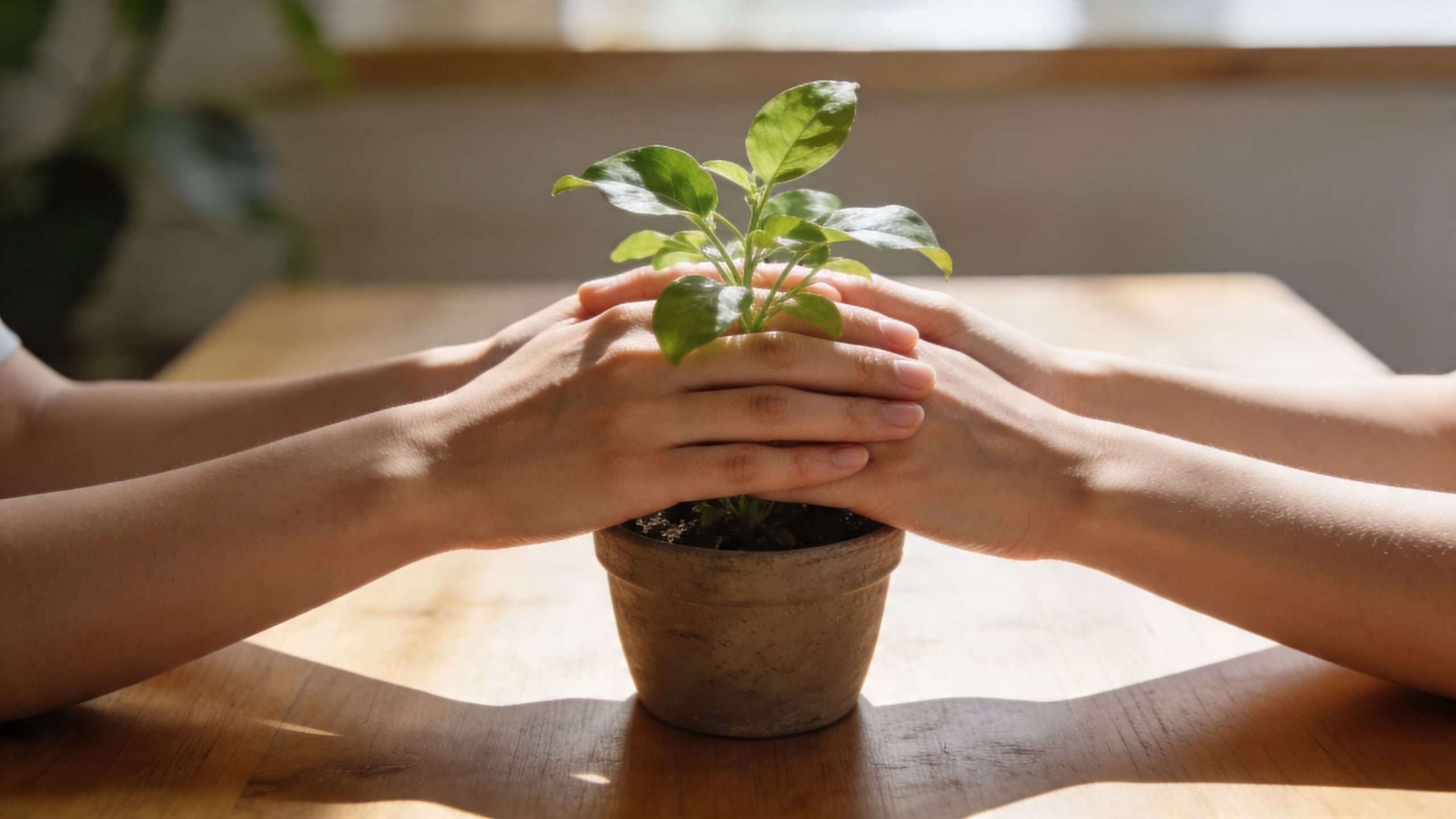
What individuals can practise
Start small. The nervous system changes through repetition, not harsh self-criticism.
Useful practices include:
- Name the trigger: Instead of “I’m losing it,” try “I’m feeling abandoned,” “I’m feeling crowded,” or “I’m afraid I don’t matter.”
- Slow the reaction: A pause, a walk, steady breathing, journalling, or grounding can help create enough space to choose your next move.
- Separate past from present: Ask, “What happened just now, and what older feeling did it wake up?”
- Learn to ask clearly: “Can you reassure me?” lands differently than protest, blame, or silence.
- Build safe relationships outside romance: Friends, family, support groups, and therapy can all become places where new attachment experiences are possible.
Some people also benefit from structured therapy approaches such as CBT, EMDR, or attachment-focused work, especially when trauma is part of the picture. If the idea of building inner safety feels unfamiliar, reparenting and emotional safety work can be a helpful framework.
What couples can practise together
Couples don’t need perfect communication. They need communication that is more honest, more regulated, and less attacking.
A few tools that often help:
- Use soft start-ups: Begin with your feeling and need, not your accusation. “I felt alone when you left the room. Can we try again?” works better than “You never care.”
- State the fear under the reaction: “When you go quiet, I tell myself I don’t matter.”
- Agree on repair rituals: A check-in text, a pause with a return time, or a shared phrase like “we’re on the same side” can reduce panic.
- Respect different regulation needs: One person may need space. The other may need reassurance that the space is temporary, not abandonment.
- Return after conflict: The repair matters as much as the argument.
Cultural context matters
Mainstream attachment writing can become too individual and too narrow. It can ignore culture, history, community, and trauma.
That gap matters. Health Canada data shows that 42% of Indigenous adults in BC exhibit disorganized attachment linked to intergenerational trauma. A culturally sensitive approach matters because attachment isn’t formed in a vacuum. Colonial trauma, family separation, racism, migration stress, and community loss can all shape how safety and connection are experienced.
For some people, healing means more than improving couple communication. It also means honouring family history, identity, and collective trauma with care and humility.
Healing attachment often means asking not only “What happened to me?” but also “What happened around my family, culture, and community?”
What progress actually looks like
Progress often looks quieter than people expect.
It may look like:
- catching a trigger sooner
- sending one honest text instead of ten panicked ones
- staying present for five more minutes in a hard conversation
- asking for a break without disappearing
- receiving care without pushing it away
Those moments may seem small, but they’re how earned security grows.
When to Seek Professional Support for Attachment Patterns
You don’t need to wait until a relationship is falling apart to get help. Professional support can be useful when you keep finding yourself in the same painful cycle and can’t seem to interrupt it, even when you understand it intellectually.
A few signs it may help to talk with a therapist:
- You repeat the same conflict pattern in dating, marriage, or family relationships
- You feel chronically anxious, shut down, or emotionally numb around closeness
- Past trauma keeps flooding current relationships
- You and your partner love each other but keep missing each other
- You understand attachment in theory but can’t apply it in the moment
Therapy can give you something self-help often can’t. A real relationship in which new patterns can be noticed, practised, and repaired safely. For some people, that means individual counselling. For others, couples or family work makes more sense.
It can also help that support is more flexible than many people assume. Some people feel best in person. Others open up more easily by phone or secure virtual sessions. If you’re considering exploring your options for support, it can help to look for a therapist who understands trauma, relationships, and attachment through a practical, compassionate lens.
Frequently Asked Questions About Attachment Styles
Can my attachment style change over time
Yes. Attachment patterns can change. Many people develop what therapists often call earned security, which means they become more secure through healthy relationships, self-awareness, and therapy. Change usually happens gradually. You notice triggers earlier, react less automatically, and begin trusting repair more.
Can an anxious and avoidant relationship work
It can, but it usually needs both people to understand the cycle they create together. The anxious partner often needs steadier reassurance and clearer communication. The avoidant partner often needs room to stay engaged without feeling cornered. The relationship tends to do better when both stop treating the other person as the problem and start treating the pattern as the problem.
What if my partner isn’t interested in attachment theory
You can still do meaningful work on your side. You can learn your triggers, communicate more clearly, set healthier boundaries, and respond less automatically. That won’t fix a relationship by itself, but it can shift the dynamic. Sometimes one person changing their pattern changes the whole conversation.
Is secure attachment the “best” style
Secure attachment usually supports healthier communication, trust, and repair. But this isn’t a moral ranking. Insecure patterns are not character defects. They’re adaptations to real experiences. The point isn’t to judge yourself for having them. The point is to understand them well enough to grow.
How do I know if this is attachment or just incompatibility
Sometimes it’s both. Attachment tends to show up as repeated emotional reactions around closeness, conflict, distance, reassurance, or trust. Incompatibility tends to show up as lasting differences in values, goals, commitment, or lifestyle. A couple can care a great deal and still be mismatched. They can also look mismatched when they’re in fact trapped in an attachment cycle. Slowing down and looking at the pattern over time can help you tell the difference.
Moving Forward with Compassion and Clarity
Understanding attachment styles in relationships can bring real relief. It helps explain why certain moments feel so intense, why some conflicts repeat, and why love can feel comforting one minute and threatening the next. None of this means you’re broken. It means your system learned a pattern.
With awareness, practice, and the right support, people can build relationships that feel steadier, kinder, and more secure. If this topic resonated, keep learning gently. Change often starts with recognising your pattern without shame.
If you’d like support applying these ideas in real life, Interactive Counselling offers compassionate, evidence-informed therapy for individuals, couples, families, parents, children, and youth across a range of relationship and mental health concerns.
Clinically Reviewed By
Amy Mosset, MCP, RCC-S
Amy Mosset is a Master Practitioner in Clinical Counselling, Clinical Supervisor, and the owner of Interactive Counselling. She provides trauma-informed, evidence-based care and clinical supervision to registered therapists, with a focus on ethical practice, client safety, and high-quality therapeutic outcomes.
Understanding your attachment style is one thing — changing the pattern together is another. Our Kelowna couples counselling team works with attachment dynamics every day.